




1930s Silver Tray
These 1930s silver tray pieces capture the sharp geometry of the interwar period, offering collectors practical elegance for modern serving.
1930s Silver Tray
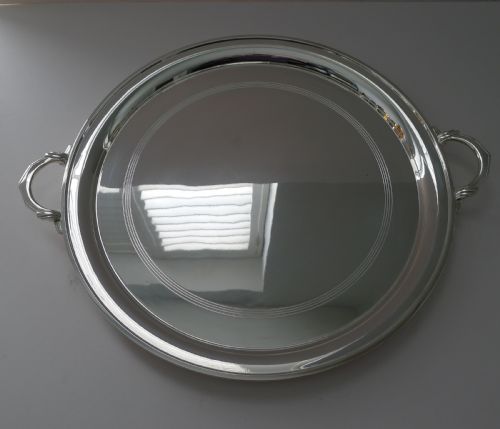
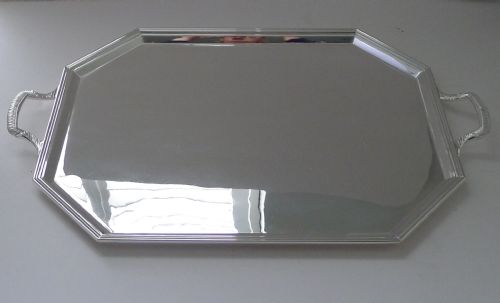
When you search for a 1930s silver tray, you encounter items designed for entertaining during the interwar period and the Art Deco era. The forms span cocktail trays, drinks trays, and serving trays with handles, frequently produced in sterling silver or silver plate.
You are most likely to meet silver plated examples on this page, often associated with prominent makers like Mappin & Webb, Hukin & Heath, or Asprey. Alongside standard serving trays, the evidence includes related silver plated vessels such as sugar and creamer sets and bread baskets.
The aesthetic reflects French Art Deco and standard Art Deco design principles, prioritising clean lines and geometric structures. Pieces from this decade frequently date precisely around nineteen thirty through to the late thirties, including hallmarked sterling silver items from London.
Materials and Construction
Makers utilised sterling silver and silver plate as primary metallic surfaces, occasionally combining them with glass or applying nickel plating to alternative structures. Hand soldering techniques ensured durable joins on handles and rims for items subject to regular use during cocktail hours.
Surface decoration ranges from smooth polished planes to intricate embossed scrolls and etched details, particularly visible on Venetian mirror variants. Selected designs incorporate tubular metal or cast iron elements for specialised framework, though traditional metalworking remains dominant.
Listings feature sterling silver and silver plate materials alongside alternative components like tubular metal, cast iron, and wood.
Distinctions in Quality
The distinction between standard commercial production and superior workmanship lies in the crispness of the Art Deco geometric motifs and the weight of the metal. Heavier sterling silver pieces, particularly those bearing clear London hallmarks and named designer attributions, demonstrate greater substance.
Surface preservation defines the upper tier of surviving items, where silver plating remains intact without excessive thinning from polishing. The integration of handles and the precision of hand soldering reveal the maker's commitment to durability and refined finish.
Keith Murray For Mappin & Webb·John Hunt·Mappin & Webb·J B Chatterley & Sons·Hukin & Heath·Brille, Paris·Asprey, London
The 1930s Silver Tray Glossary
- Silver Plate
- A base metal coated with a thin layer of silver through electroplating or older techniques. This method allowed makers to produce large serving trays at a lower cost than solid sterling silver.
- Sterling Silver
- An alloy consisting of silver and other metals, usually copper, standardised for purity. Hallmarks stamped into the metal verify this composition and indicate the assay office and year of manufacture.
- Art Deco
- A design style characterised by sleek lines, geometric shapes, and stylized motifs popular during the interwar period. It influenced the architecture, fashion, and metalware of the nineteen thirties.
- Demi-Lune
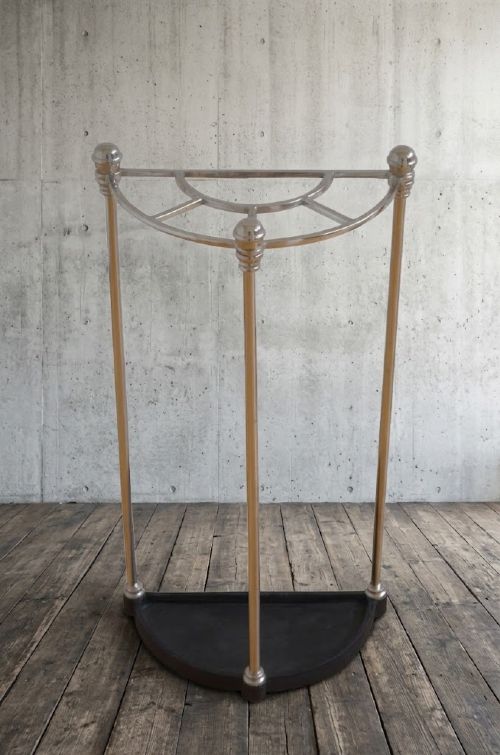
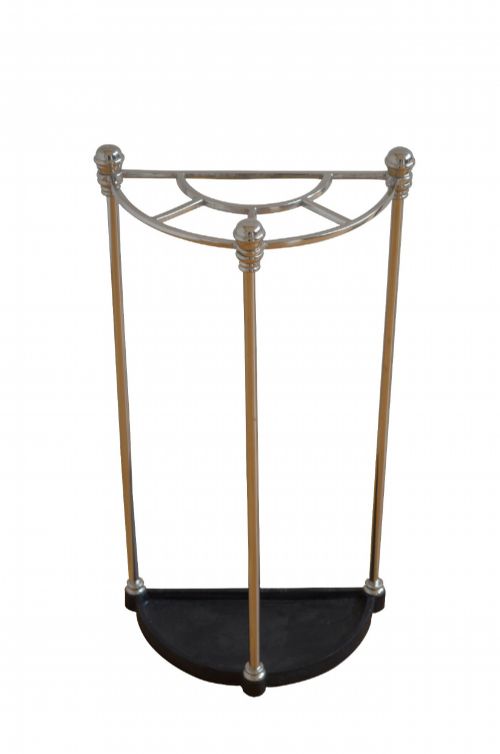
- A half-moon shape utilised in the design of specific stands and trays. This curved profile allowed furniture and accessories to fit snugly against walls or within compact spaces.
1930s Silver Tray: Frequently Asked Questions
How do I clean a silver tray?
Use a specialised silver cloth or mild polish designed for plated or sterling surfaces to remove tarnish gently. Avoid harsh abrasive compounds that can wear away silver plating or scratch engraved details.
Store the tray in a dry environment away from direct sunlight to minimise oxidation. Regular handling and gentle dusting prevent heavy tarnish accumulation on display pieces.
Can I use these trays for serving drinks?
Many of these pieces were originally manufactured as cocktail or drinks trays for interwar entertaining. Their sturdy handles and raised rims make them suitable for carrying glassware and decanters.
Take care to dry the surface promptly after use to prevent moisture damage to vintage silver plate or etched mirror inserts. Protective coasters can help preserve the interior base from condensation rings.
What is the difference between sterling and plated trays?
Sterling silver items contain a regulated high proportion of pure silver throughout the entire metal object and typically feature official hallmarks. These pieces hold intrinsic metal value and heavier weight.
Silver plated trays consist of a base metal core covered by a superficial layer of silver. While they lack solid silver content, they offered period buyers an accessible way to own stylish tableware.
How do I identify a 1930s date?
British sterling silver items feature standardised hallmarking systems, including date letters that correspond to specific years of assay office testing. Pieces from nineteen thirty-three or nineteen thirty-seven carry these official stamps.
Stylistic indicators such as geometric Art Deco motifs and manufacturer catalogue numbers also point to the interwar period. Maker attribution marks often align with known production active during that decade.