




George V Silver Tray
When you search for george v silver tray, you find solid sterling silver serving pieces, dressing trays and dressing table dishes shaped by early twentieth-century silversmiths.
George V Silver Tray
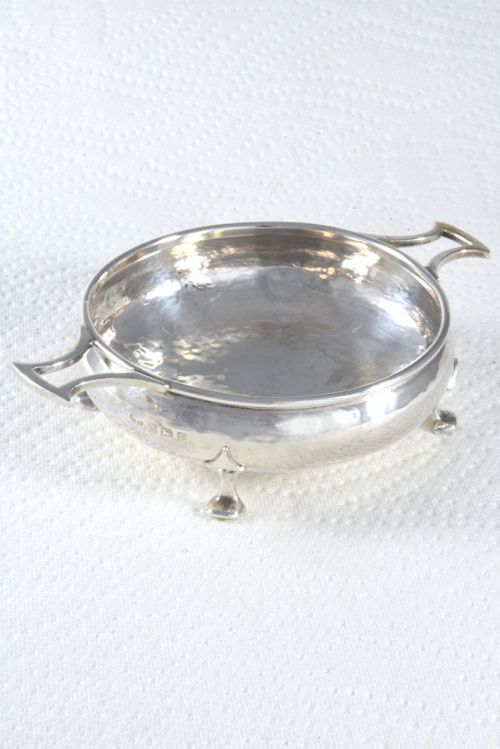
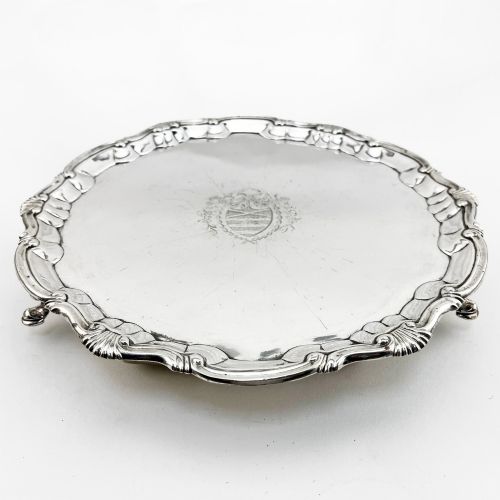
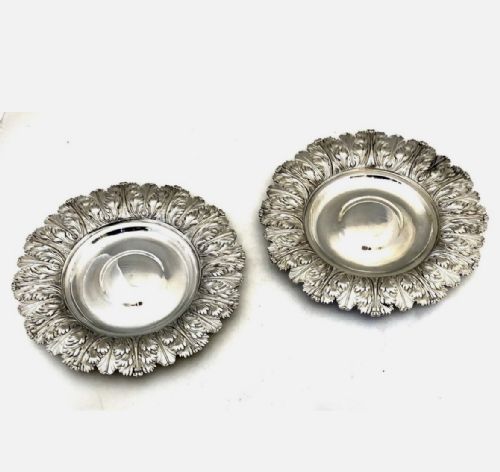
A george v silver tray encompasses a range of dining and dressing accessories produced during the reign of King George V, spanning the early decades of the twentieth century. These items appear as compact trinket dishes, small pin trays, dressing table sets and larger drinks trays designed for domestic use. While the search points directly to twentieth-century production, the wider selection includes earlier silver salvers and wooden tray-top tables from Georgian and Victorian periods.
The objects take forms such as rectangular vanity trays, circular footed salvers, and specialised items including pen trays and pip trays. Many feature sterling silver construction, while others combine silver with blue engine-turned enamel or rest alongside ebonised wood boxes. Alongside dedicated silver pieces, related listings introduce mahogany silver tables and Old Sheffield plate alternatives.
How they were made
Makers formed george v silver tray items using solid sterling silver, shaping the metal through hammering, casting and pressing techniques. Silversmiths frequently incorporated raised galleries, decorative borders and applied handles onto the main body of the tray. Surface decoration often involved engine-turned geometric patterns or smooth polished finishes.
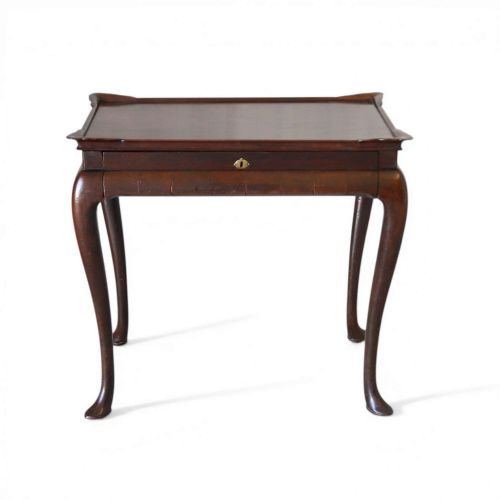
Alternative items from the broader selection utilise Old Sheffield plate, copper and solid mahogany wood. Wooden silver tables combine carved mahogany frames with raised tray tops, sometimes supported by cabriole legs. Plated items apply silver layers over base metals, reflecting manufacturing traditions distinct from solid sterling construction.
Several trays include specialised pip trays and blue engine-turned enamel surfaces designed for specific parlour habits of the early twentieth century.
What varies in quality
The standard of a george v silver tray depends heavily on the weight of the metal and the crispness of any engraved or engine-turned detailing. Thicker gauge silver provides greater rigidity and substance in the hand, whereas lighter pieces feel flexible. Maker marks and clear hallmarks also separate standard production items from pieces bearing the stamps of distinguished workshops.
Design complexity influences the character of each piece, from simple plain-rimmed vanity dishes to elaborate items featuring gallery rails and cast handles. In wooden equivalents, the quality of the mahogany timber and the depth of the carving determine the standing of the table.
Robert Breading·George Cooper·William Garrard·Peter and Anne Bateman·Samuel Hennell·John Walton·Daniel Holy·Paul Storr·John Crouch I and Thomas Hannam·William Cafe·Walker and Hall·George Richmond Collis
The George V Silver Tray Glossary
- Salver
- A flat footed tray, usually made of silver, used for serving drinks or presenting cards.
- Sterling silver
- An alloy consisting of ninety-two point five percent silver and seven point five percent other metals, chiefly copper.
- Old Sheffield plate
- A composite material formed by fusing a thin layer of silver to a thicker copper base.
- Hallmark
- A series of official stamps applied to precious metals indicating the standard of purity, assay office, and year of manufacture.
- Engine-turned
- A decorative technique involving precise geometric patterns engraved mechanically onto a metal surface.
George V Silver Tray: Frequently Asked Questions
What is a george v silver tray used for?
These trays served various domestic functions, from holding small vanity items and pins on a dressing table to serving drinks in a drawing room.
Smaller rectangular and circular versions accommodated personal accessories, while larger examples carried glassware and decanters.
How can I identify a george v silver tray?
Identification relies primarily on hallmarks stamped into the metal, which indicate the assay office, metal standard, and date letter corresponding to the reign of George V.
Stylistic cues such as early twentieth-century proportions, Art Deco influences, and engine-turned enamel work also help date the piece.
How do I care for a vintage silver tray?
Maintenance involves gentle cleaning with specialised silver polish to remove tarnish while preserving the underlying metal and any engraved details.
Storing pieces away from damp environments and abrasive surfaces prevents scratching and slows down the natural oxidation process.