







English Silver Platter
An English silver platter brings genuine weight and polished presence to a table, offering a lasting functional form from centuries past.
English Silver Platter
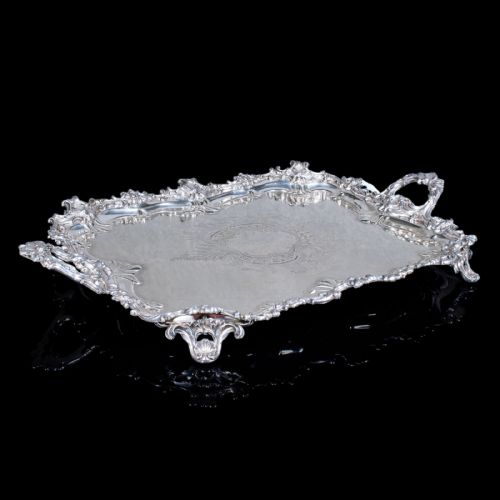
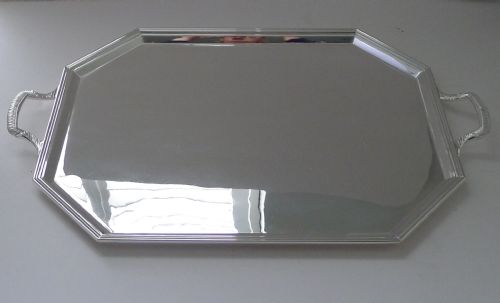
When you search for an English silver platter, you encounter a varied assortment of flat dining vessels designed for service and display. These pieces span multiple centuries, evolving from early pewter dishes to sterling silver salvers and plated serving trays.
The versions most frequently met on this page are silver plated designs from the Victorian, Edwardian, and Art Deco periods. Alongside these, earlier pewter chargers and Georgian sterling salvers appear, showing how dining habits changed over time.
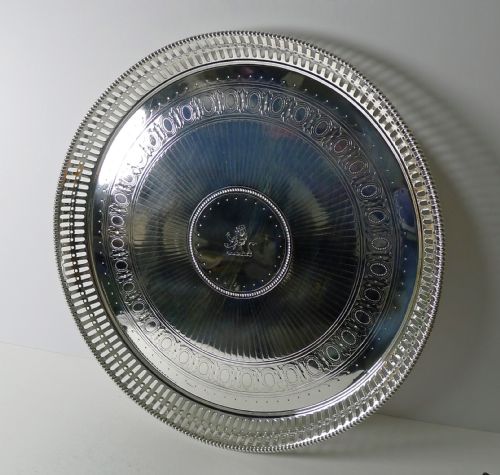
Makers utilised various forms, ranging from circular salvers and oval serving trays to specialised asparagus dishes and large platters with domes. Each object served a specific domestic role, whether presenting tea, cocktails, or substantial joints of meat.
Materials and construction
Silversmiths and manufacturers employed sterling silver, electroplated nickel silver, and standard silver plate over base metals. Pewter also appears frequently in earlier pieces, offering a durable metal for chargers and large dishes.
Oak frames feature in certain large Edwardian serving trays, combining sturdy timber bases with plated mounts and handles. Techniques include piercing, reticulation, and applied borders, creating decorative pierced rims and structured galleries.
Materials represented include sterling silver, silver plate, nickel silver, EPNS, pewter, and oak.
Assessing quality and craftsmanship
The distinction between standard items and superior examples lies in the crispness of the chased decoration and the thickness of the plating. Heavier gauge metals retain their structural integrity better over generations of use and polishing.
Maker attribution elevates a piece, with established workshops like Elkington or James Dixon demonstrating superior weight, balanced proportions, and careful finishing. Engraved armorials and detailed reticulation further distinguish high-grade presentation pieces from utilitarian service items.
S.C. Younge & Co.·Thomas Templeman·James Dixon & Sons·Asprey London·Elkington·Atkin Brothers·Mappin and Webb·Lee & Wigfull·J.H. Potter
The English Silver Platter Glossary
- Salver
- A flat plate or tray, typically made of silver or pewter, used for serving food or drinks.
- Charger
- A large ornamental dish placed under other courses or used independently for serving.
- EPNS
- Electroplated nickel silver, a common base metal composition coated with a thin layer of pure silver.
- Reticulated
- Decorated with an openwork pattern resembling a net or lattice, often seen on Victorian trays.
- Pewter
- A malleable alloy primarily composed of tin, used for chargers and dishes before silver plating became widespread.
English Silver Platter: Frequently Asked Questions
What is the difference between a salver and a platter?
A salver typically denotes a smaller, footed tray used for presenting letters, glasses, or visiting cards.
Platters are larger, flatter vessels engineered primarily for carrying roast meats or arrangements of food to the dining table.
How were silver platters used historically?
These items occupied a central role in formal domestic service, moving from the pantry to the dining table during large meals.
Servants used them to present courses, pour afternoon tea, or display presentation silver during significant civic and social events.
Can I use an antique silver platter for serving food?
Many solid silver and sturdy plated examples remain entirely suitable for modern dining and food presentation.
Careful hand washing with mild soap protects the metal surface and prevents damage to older electroplated layers.
How do I date an English silver platter?
Hallmarks on sterling pieces provide precise assay office marks, date letters, and maker stamps.
Unmarked silver plated items require stylistic analysis of borders, handles, and manufacturing techniques to determine their approximate decade.