




Scalloped Edge Tray
A scalloped edge tray brings subtle curvature and period charm to a room, offering both decorative presence and practical service.
Scalloped Edge Tray
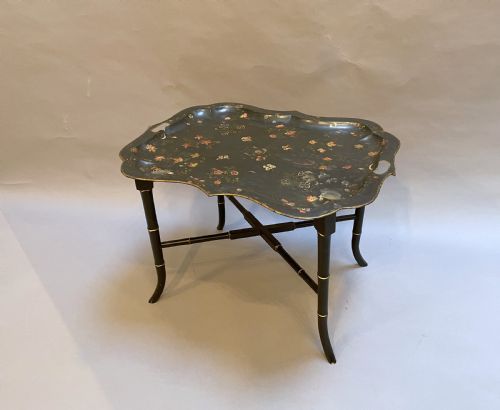
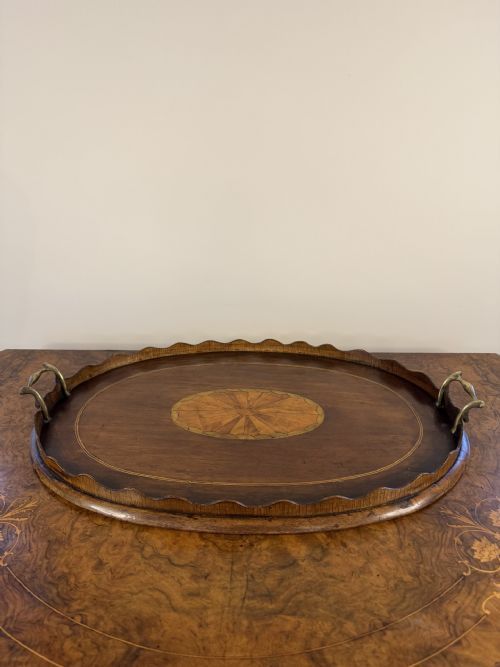
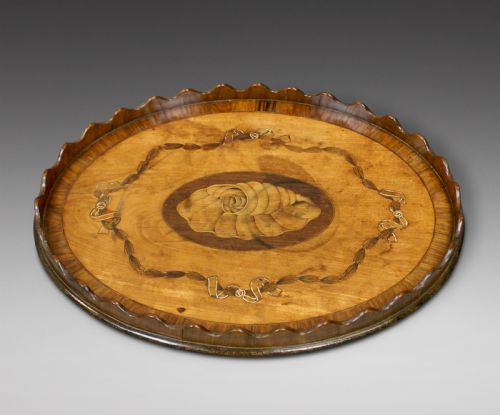
A scalloped edge tray is a serving piece or display item defined by a curved, undulating rim rather than a straight line. The selection available encompasses mahogany and satinwood timbers, painted toleware, silver plate, and inlaid woods.
The most frequent examples encountered on this page date from the nineteenth century, including Victorian and Edwardian periods, alongside Georgian and Regency specimens. Formats range from oval serving trays to occasional tables and smaller dishes.
Craftsmanship in these pieces draws on traditional woodworking, metalworking, and hand-painting techniques. Buyers encounter everything from simple timber mouldings to intricate marquetry inlay and gilt embellishments.
Materials and construction methods
Timber trays rely on solid woods and veneers like mahogany, walnut, and satinwood, frequently shaped with raised borders and inlaid details. Cabinetmakers cut the distinctive curved profiles by hand, smoothing the timber to highlight the natural grain.
Metal and painted pieces utilise tôleware, silver plate, and pewter, shaping sheets into bowls, platters, and gallery trays with scalloped rims. Artisans applied gold leaf, paint, and ebonised finishes to enhance the visual depth of the metal surfaces.
Listings span the eighteenth century to the 1930s, featuring materials from mahogany and satinwood to tôleware and silver plate.
Distinguishing quality across the range
Quality rests in the precision of the curved rim and the integrity of the materials, whether timber, silver plate, or painted metal. Superior pieces demonstrate crisp shaping to the edges and well-preserved surface decoration without heavy wear.
In wooden and inlaid examples, the fineness of the marquetry and the tightness of the veneer joints separate standard items from finer works. Metal versions show their standard through the weight of the base and the consistency of the plating or painted finish.
The Scalloped Edge Tray Glossary
- Toleware
- Painted or lacquered metalware, typically iron or tin, popular for serving pieces and decorative vessels. These items often feature hand-painted floral or gilt motifs.
- Inlay
- A decorative technique where contrasting woods or other materials are inserted into a recessed timber base to form a pattern. This adds intricate detail to the surface of wooden trays.
- Satinwood
- A durable, yellowish timber prized for its lustrous grain and used extensively in fine cabinetmaking and decorative veneers. It provides a bright contrast in inlaid designs.
- Gallery tray
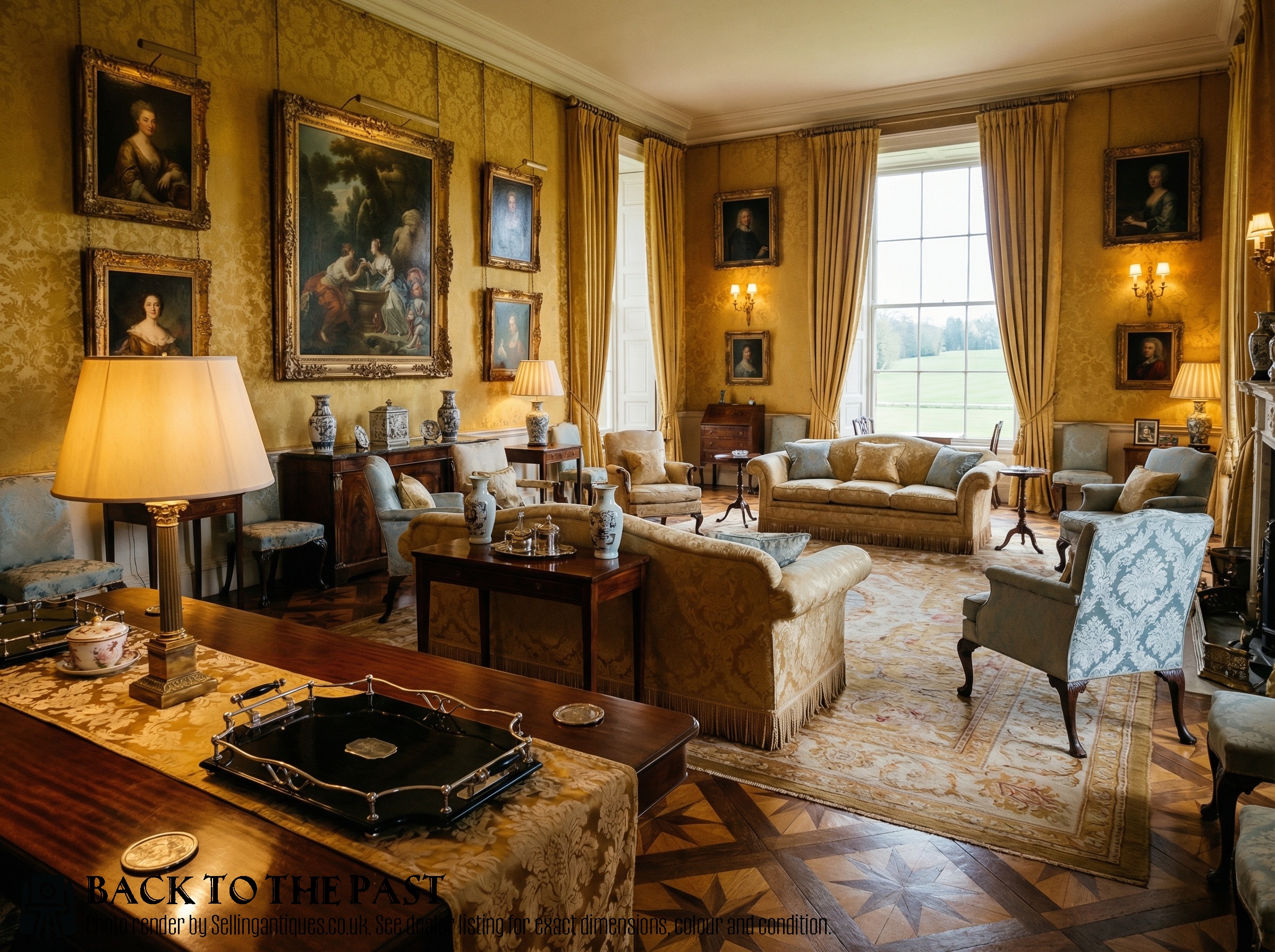
- A tray featuring a raised pierced or solid metal gallery border around the edge to prevent items from sliding off. These often incorporate sturdy handles for service.
- Silver plate
- A base metal coated with a thin layer of silver to give the appearance and lustre of solid silver. This technique allowed makers to produce affordable yet decorative tableware.
Scalloped Edge Tray: Frequently Asked Questions
Can these trays be used for serving?
Many solid wood and silver-plated trays remain sturdy enough for light serving duties during gatherings. Their original purpose was functional, though modern owners often balance utility with care.
Fragile painted items or those with delicate inlaid surfaces are better suited for static display. Using liners protects antique bases from moisture and heat damage.
What distinguishes Victorian from Georgian trays?
Georgian trays typically favour restrained classical proportions, simple mahogany grains, and minimal inlay. Their construction reflects eighteenth-century cabinetmaking priorities focused on structural balance.
Victorian pieces often introduce bolder decorative elements, mixed media, and heavier ornamentation like silver plating or elaborate marquetry. Makers of this later era embraced varied stylistic revivals.
How do I identify tôleware?
Tôleware consists of enamelled or lacquered metal, usually showing a dark painted background enriched with gilt or polychrome decoration. The material has a distinct painted surface rather than a natural timber or polished metal look.
These pieces range from shaped bowls to serving trays, often displaying characteristic craquelure in the paint due to age. The underlying metal provides a solid, weighty feel.