


Brown Wood Tray
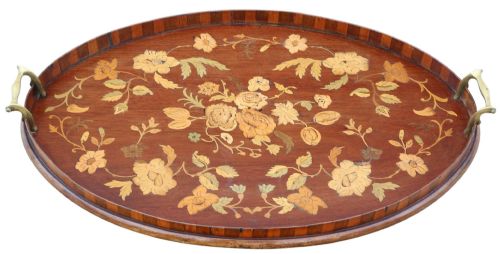
A brown wood tray carries practical service into hands that appreciate period warmth.
Brown Wood Tray
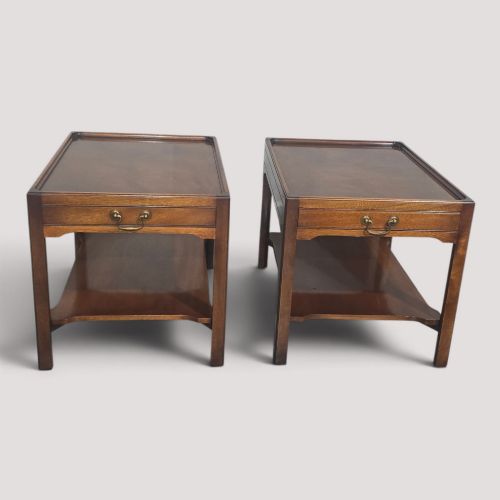
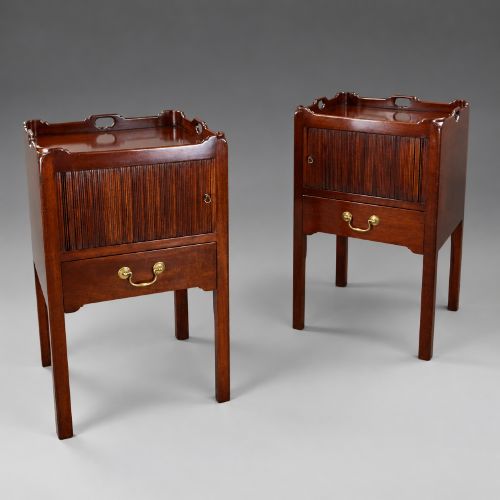
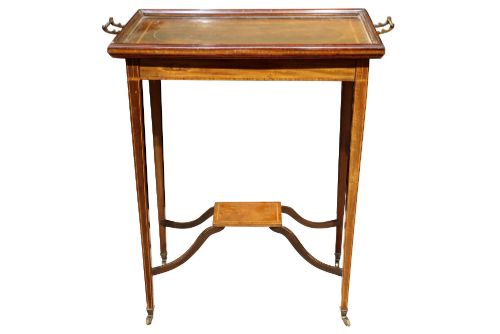
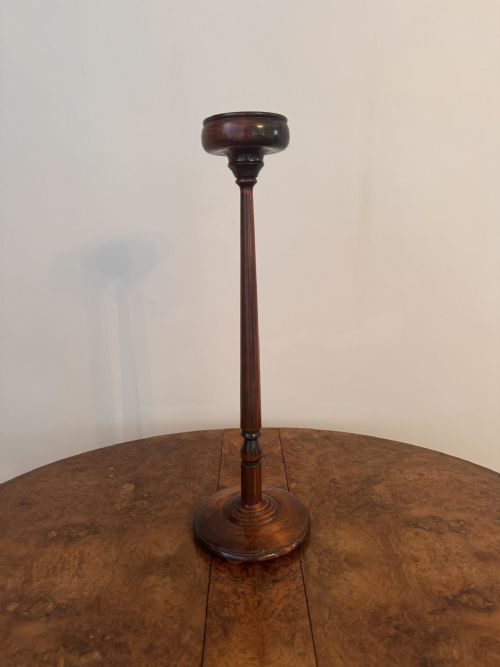
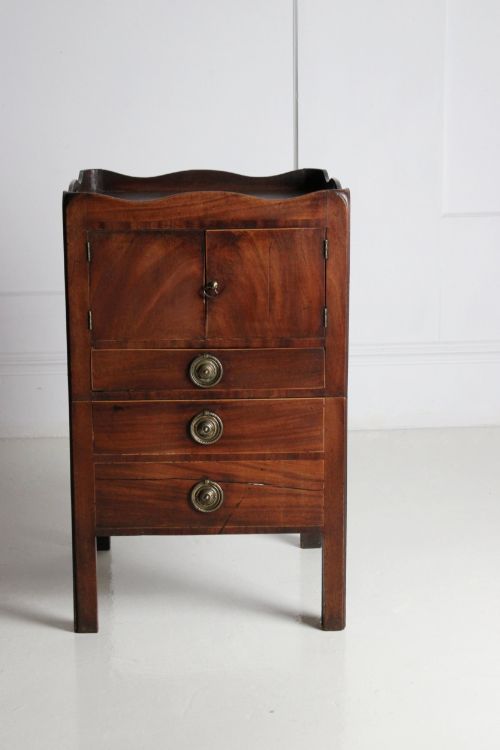
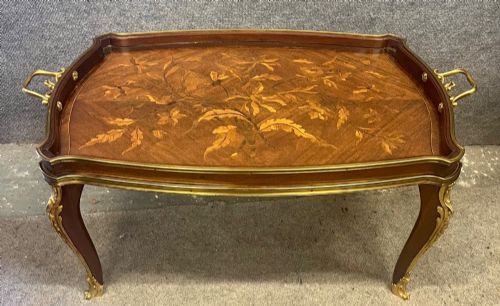
A brown wood tray encompasses functional serving pieces and occasional tables with raised rims, drawing from 18th century, Georgian, Victorian, and Edwardian periods. These items range from portable mahogany and walnut serving accessories to tray top occasional tables and folding campaign stands.
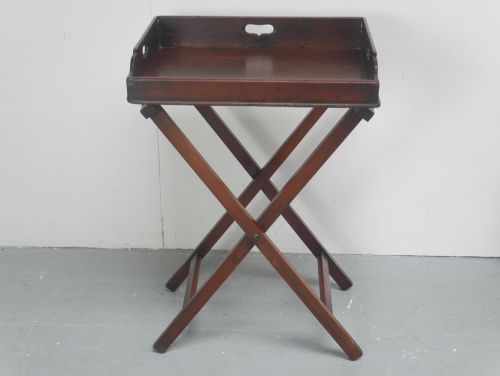
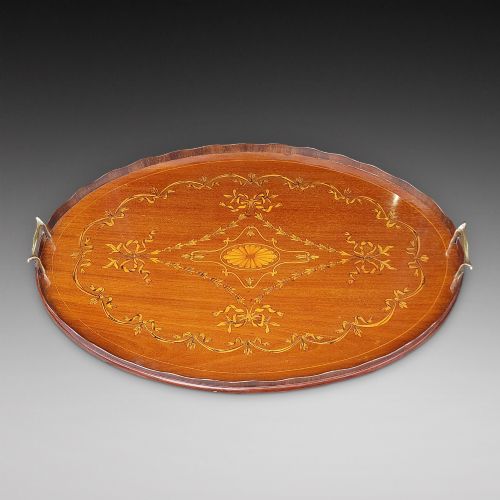
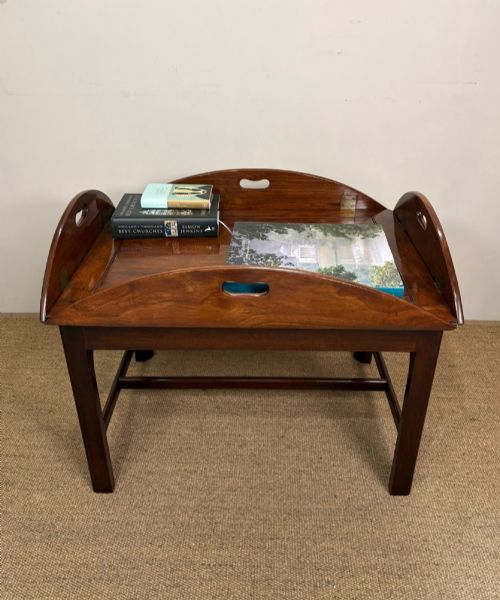
Mahogany dominates the selection, accompanied by walnut, satinwood, and oak, reflecting classic British cabinet making traditions alongside occasional Anglo-Indian and continental variants. The forms vary from oval galleried servers to deep rectangular butler trays designed for folding stands.
Materials and Construction
Cabinet makers utilised dense timbers such as mahogany, walnut, and oak, often applying finely figured veneers and contrasting satinwood stringing to create decorative surface patterns. Edges frequently feature carved galleries, scalloped shaping, or raised rims jointed securely to the base boards.
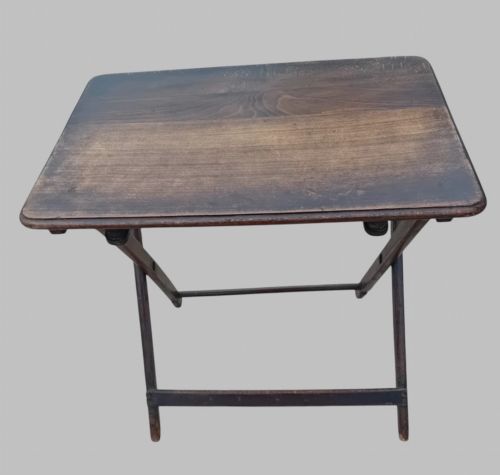
Folding versions incorporate working brass hinges and collapsible wooden X-frames designed for portability and compact storage. Surface finishes rely on traditional polishing techniques that highlight the natural grain and deep brown tones of the hardwood.
Listings feature items spanning the 18th, 19th, and early 20th centuries, executed primarily in mahogany, walnut, oak, and satinwood.
Assessing Quality and Execution
Superior examples demonstrate crisp joinery in the gallery corners and subtle hand-cut dovetails or mitres where the structural frame meets the base. The choice of timber plays a major role, with highly figured mahogany, burr walnut, and intricate marquetry inlay elevating a piece above plain utilitarian stock.
Proportion and retention of original hardware, including brass handles and folding stands, dictate the integrity of the object. Pieces that retain their crisp edge definition and rich, unblemished patina represent the highest standard of period craft.
Thonet
The Brown Wood Tray Glossary
- Galleried tray
- A serving tray featuring a raised wooden border around the perimeter to prevent items from sliding off during transport. These borders are often pierced or fretted in decorative patterns.
- Butler tray
- A removable wooden tray designed to sit upon a folding X-frame stand for domestic service. They typically feature hinged sides that fold flat or sturdy cutout carrying handles.
- Marquetry
- The art of applying decorative veneer pieces in wood to form intricate geometric or floral pictures. Makers utilise contrasting timbers like satinwood and mahogany to achieve tonal depth.
- Oyster veneer
- Cross-cut circular slices of small branches or roots arranged to create a repeating oyster shell pattern across the surface. This technique appears on select Edwardian walnut pieces.
- Campaign style
- Portable furniture designed for easy dismantling and transport by military officers. These items incorporate folding mechanisms and brass corner braces.
Brown Wood Tray: Frequently Asked Questions
How do I date a mahogany tray?
Dating relies on timber selection, edge construction, and inlay styles. Pieces from the Georgian period often display solid mahogany frames with fine hand-cut dovetails and restrained brass handles.
Later Edwardian and 20th-century examples frequently incorporate machine-cut elements, satinwood stringing, or marquetry motifs set into lighter veneer bases.
Are tray top tables stable?
Tray top tables intended for static display or serving generally offer solid stability through fixed four-leg bases or secure occasional frames. Folding campaign versions rely on tight cross-braced hinges to prevent wobbling.
Placing them on even flooring ensures the raised rims and joints remain secure during daily use.
How do I clean wooden trays?
Maintenance requires gentle dusting with a soft, dry cloth to protect the historic polish and timber grain. Avoiding excess moisture and harsh chemical sprays preserves the wax finish.
Occasional application of quality beeswax feeds the dry wood and maintains the deep brown lustre of the antique surface.