



Lacquered Papier Mache Tray
Lacquered papier mache tray designs bring together smooth painted surfaces and sturdy moulded paper pulp, offering both functional service and striking decorative presence.
Lacquered Papier Mache Tray
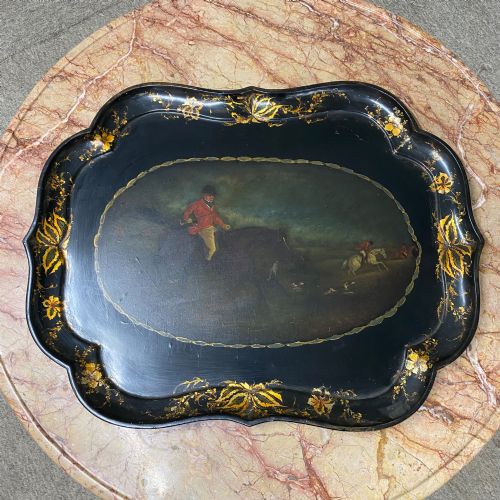
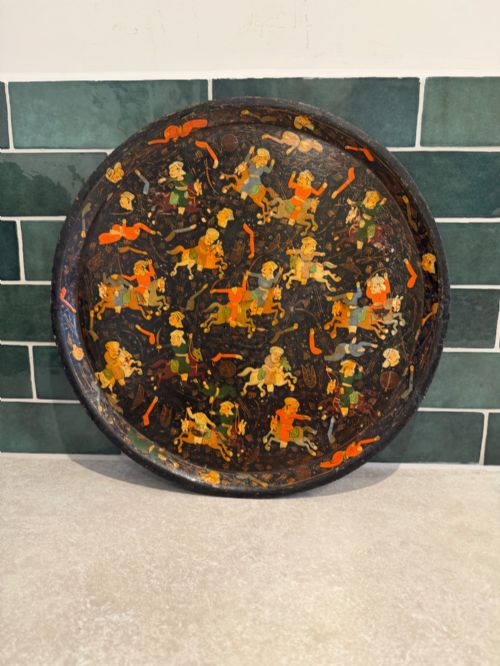
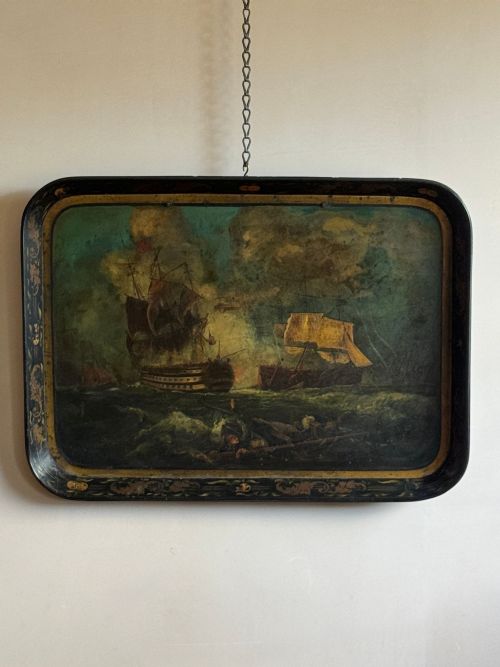
A lacquered papier mache tray is a serving surface or decorative dish built from compacted paper pulp that is then finished with smooth lacquer and paint. The selections encountered here span periods from the eighteenth century through the nineteenth century, including Georgian, Regency, and Victorian iterations.
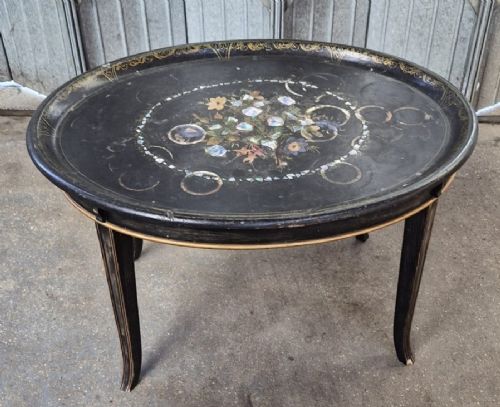
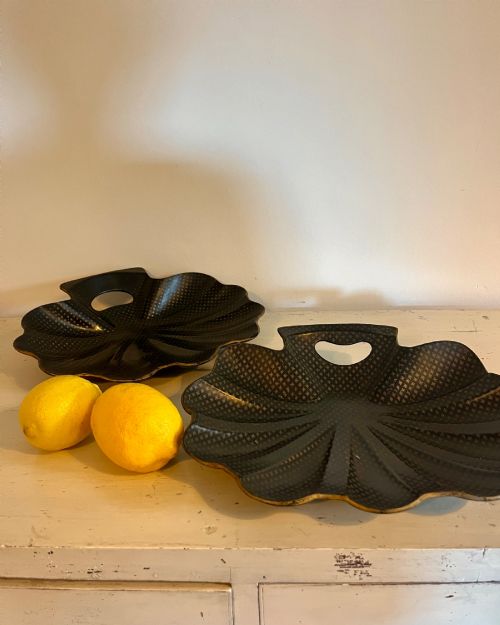
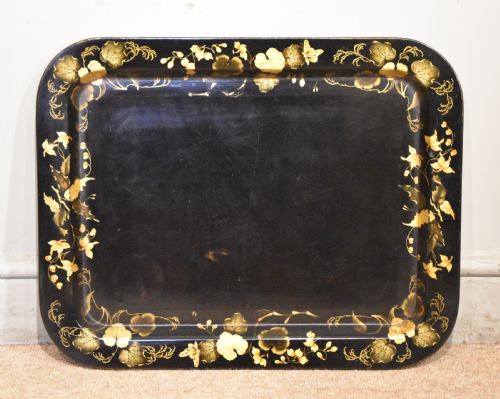
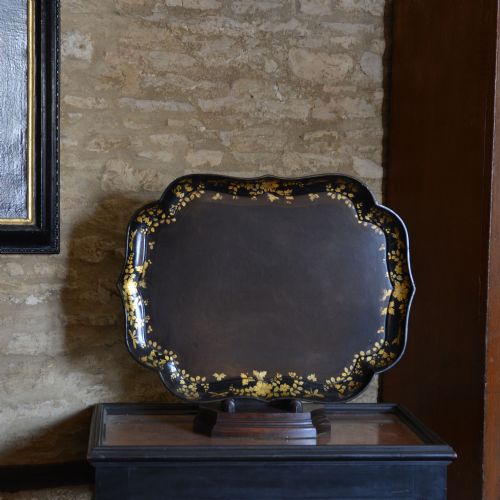
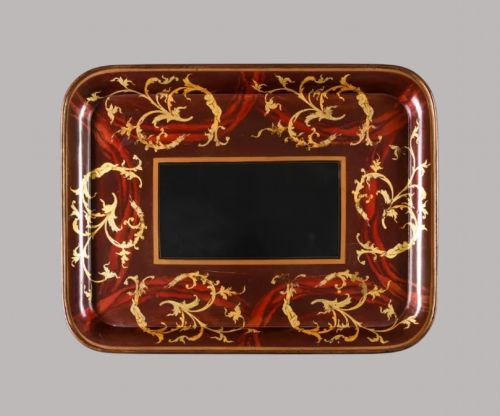
Most examples take the form of large oval or rectangular serving pieces, while others appear mounted on stands to function as occasional tables or side tables. Forms range from simple card baskets and desk accessories to massive butler serving trays and tray tables.
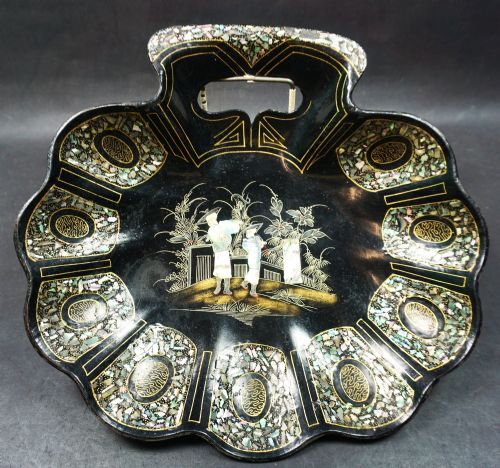
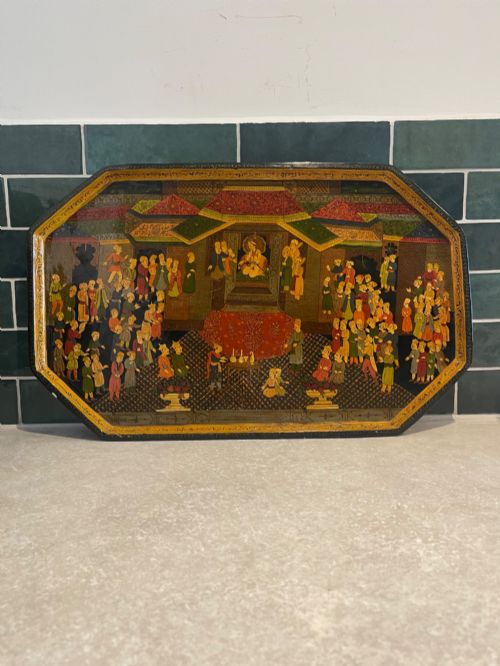
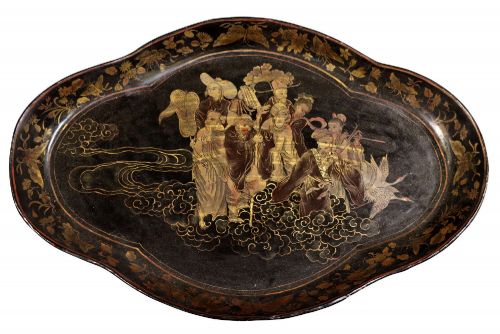
Origins stretch across English workshops as well as Kashmiri and French traditions, frequently displaying Chinoiserie motifs, floral patterns, or original gilt embellishments. Buyers encounter everything from deep green and scarlet dishes to ebonised serving surfaces.
How they were made
Makers produced these pieces by pressing layers of paper pulp or paper sheets with glue and oil, creating a rigid board that resisted warping far better than solid timber. This dense core received multiple coats of lacquer, sanded smooth between applications to build a hard, glossy finish.
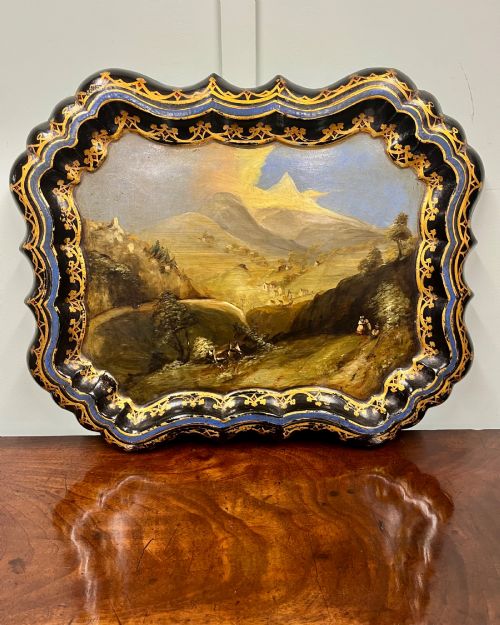
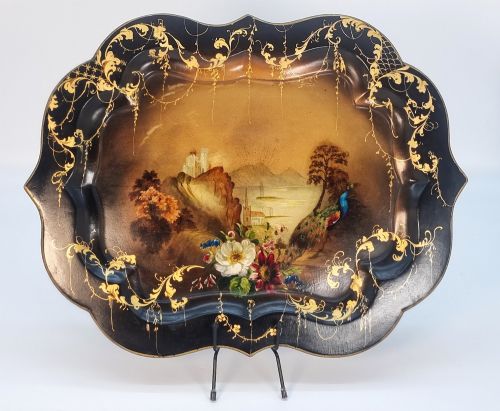
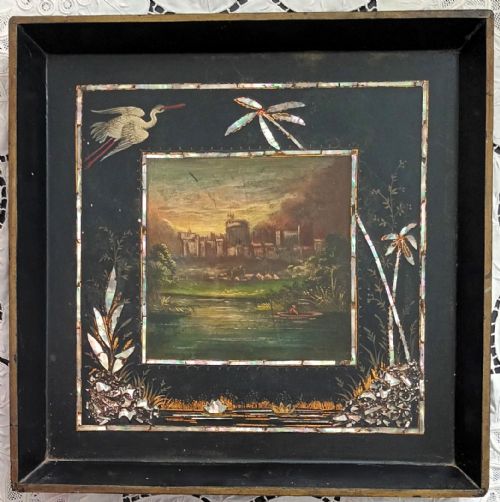
Artisans applied paint, gold leaf, and mother-of-pearl inlay directly onto the lacquered surface to create intricate Chinoiserie scenes, floral arrangements, or pictorial landscapes. Brass fittings or later wooden stands supported larger serving trays when repurposed into tables.
Lacquered Papier Mache Tray Retail Price Guide 2026
Typical asking prices for lacquered papier mache tray among the pieces listed under this phrase on Sellingantiques today, from the lower quarter to the upper quarter. They describe what is for sale here now, not the wider market.
Listings feature items spanning the 18th century through the Victorian era, utilising materials such as lacquer, gold leaf, and mother-of-pearl.
What varies in quality
The distinction between ordinary and superior items rests on the depth of the lacquer and the complexity of the hand-painted decoration. Pieces bearing signature details from recognised makers command attention for their precise gilding and well-preserved original surfaces.
Structural integrity of the papier-mache core and the retention of original ornamentation dictate the standing of each piece. Later additions or replaced stands alter the historical continuity of the object compared to those retaining their original configuration.
Henry Clay·Jennens & Bettridge
The Lacquered Papier Mache Tray Glossary
- Papier-mache
- A composite material made from paper pulp or reinforced paper sheets mixed with binders, pressed into moulds, and dried. It forms a lightweight yet strong foundation for decorative lacquering.
- Chinoiserie
- A European artistic style reflecting Chinese motifs and motifs inspired by East Asian art. Artisans applied these designs in gold and colour upon black or coloured lacquer grounds.
- Toleware
- Metalware finished with lacquer and paint, often grouped alongside papier-mache serving items due to similar decorative techniques and periods. These pieces include trays and coal scuttles.
- Japanned
- A style of European lacquerware imitating Asian lacquer finishes, typically achieved through successive coats of dark varnish cured by heat. It creates a hard, glossy surface resistant to moisture.
- Mother-of-pearl
- The iridescent inner layer of certain mollusc shells, inlaid into lacquer surfaces to highlight decorative details such as foliage or garments.
Lacquered Papier Mache Tray: Frequently Asked Questions
How are lacquered papier mache tray surfaces cleaned?
Dust the surface gently with a dry, soft microfiber cloth to prevent scratching the delicate lacquer and paintwork. Avoid using water, household detergents, or chemical solvents that soften the historic finish.
Keep these pieces out of direct sunlight and away from excessive heat sources to prevent the lacquer from cracking or warping. A light application of appropriate wax polish helps protect some stable lacquer surfaces.
Can a lacquered papier mache tray hold drinks?
While originally designed for serving beverages, historic pieces require care to protect their fragile painted surfaces from moisture and heat rings. Using coasters or linen cloths inside the tray helps safeguard the antique finish during light use.
Many collectors prefer to display these items flat on side tables, mounted on walls, or placed on stands rather than risking daily serving duties. Modern use depends entirely on the structural stability and condition of the individual lacquer.
How do I spot a Georgian versus Victorian piece?
Georgian and Regency examples tend to feature restrained, classical motifs, deeper papier-mache moulds, and rich gilt ornamentation. They often present simpler oval or rectangular silhouettes with subtle hand-painted borders.
Victorian iterations frequently embrace elaborate Chinoiserie designs, vibrant colours, and mother-of-pearl inlay. Many nineteenth-century versions also appear modified onto later wooden stands to serve as occasional furniture.
What is a papier mache tray on stand?
A tray on stand combines a portable serving tray with a dedicated wooden base, creating an occasional table or side table. These conversions or matched pairs allowed larger serving dishes to function permanently within a room.
Some stands date to the original period of the tray, while others represent later adaptations made to showcase the decorative surface at table height. Examining the joinery and finish of the base helps distinguish contemporary pairings from historic furniture.