




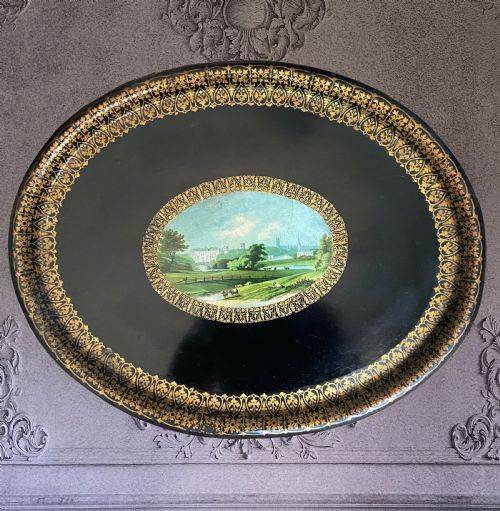


Black Japanned Tray
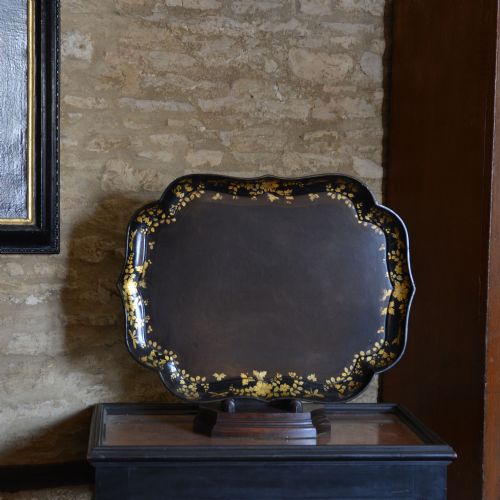
A black japanned tray brings dark lacquer, gold leaf, and painted Chinoiserie scenes to a room, serving as a functional piece or a low table.

Black Japanned Tray
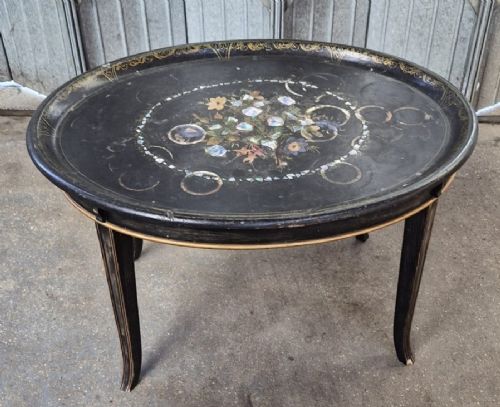
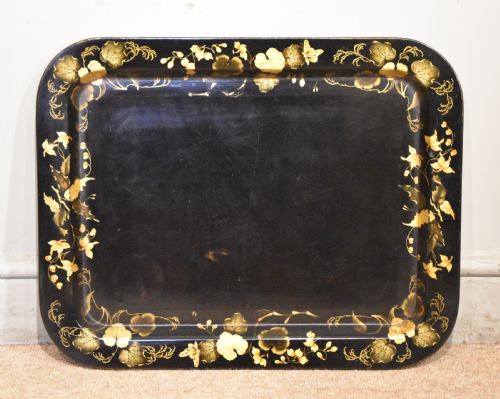
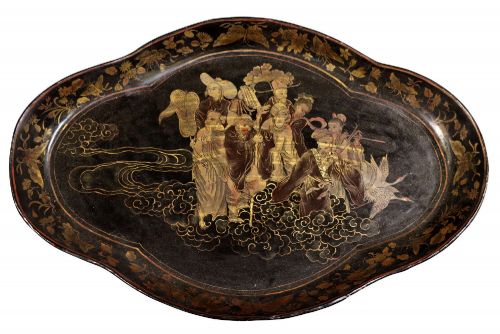
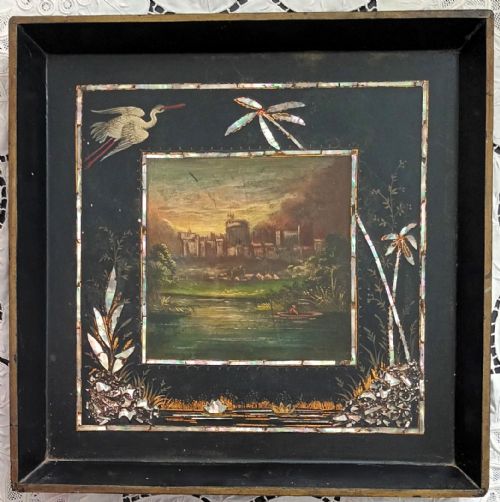
When you search for a black japanned tray, you are looking at dark-ground serving pieces, decorative trays, and occasional tables dating from the Georgian, Regency, and Victorian periods. These pieces often feature hand-painted details, gilding, and sometimes mother-of-pearl inlay on surfaces prepared to mimic Asian lacquer.
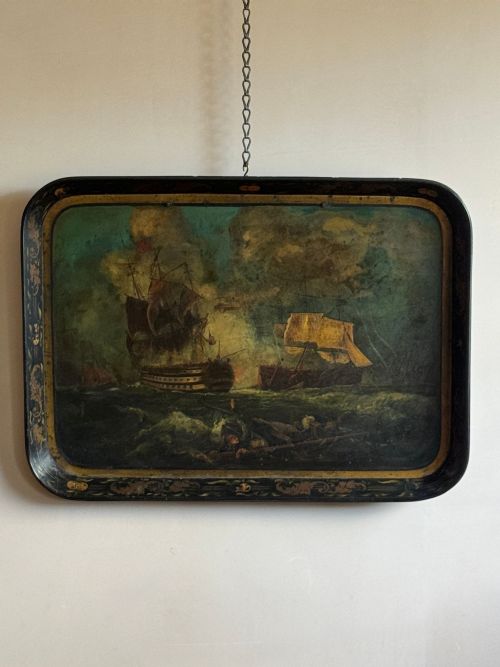
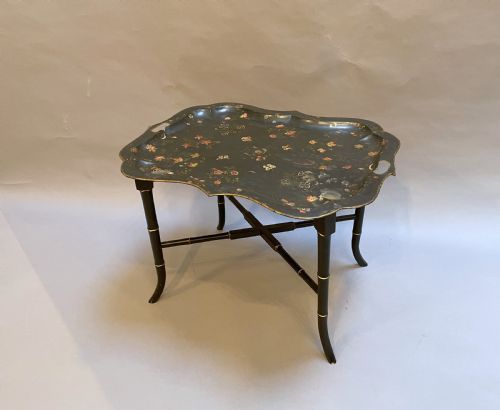
The versions you are most likely to meet on this page are made from papier-mâché or toleware, shaped into ovals, rectangles, or kidney forms. Many retain their original surface decoration depicting landscapes, figures, or floral motifs, while others have been mounted onto later stands to serve as occasional or side tables.
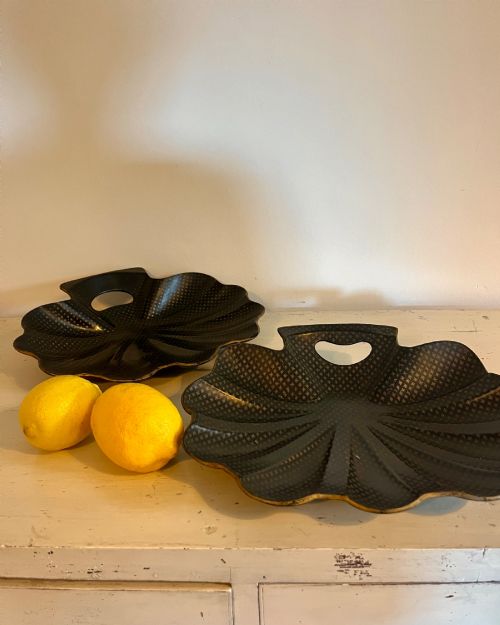
Originating across England, France, and Japan, these pieces range from utilitarian desk accessories and small waiters to large serving trays of substantial proportion. The grouping includes related items such as inkstands, letter racks, games boards, and bowls that share the same dark japanned finish.

How they were made
Papier-mâché trays were built up from layers of paper pulp or sheets pressed with glue and heavy pressure, then dried, baked, and finished with thick coats of dark lacquer. This process created a remarkably tough, lightweight board that could be sanded smooth and painted.
Toleware pieces relied on sheet metal coated with dark paint and baked in an oven to produce a durable enamel surface known as tôle peinte. Pontypool workshops specialised in this metal technique, applying layers of varnish to achieve a deep, glossy black ground.
Decoration was applied using gold leaf, bronze powders, hand-painted pigments, and mother-of-pearl inlay. Artisans built up scenes in Chinoiserie styles, geometric borders, or naturalistic motifs before sealing the surface with protective clear coats.
Black Japanned Tray Retail Price Guide 2026
Typical asking prices for black japanned tray among the pieces listed under this phrase on Sellingantiques today, from the lower quarter to the upper quarter. They describe what is for sale here now, not the wider market.
Listings feature papier-mâché, toleware, and wood materials across Victorian, Regency, and Georgian periods.
What varies in quality
The crispness and depth of the hand-painted ornament separate standard items from the finest productions. Master workshops utilised meticulous gold gilding and delicate brushwork for figures and foliage that remained sharp and detailed across large surfaces.
The integrity of the core material dictates longevity and handling feel. Heavy papier-mâché plates maintained rigid edges without warping, whereas lesser examples show surface fatigue, extensive crazing, or heavy touch-ups obscuring the original ground.
Attribution to recognised makers or specific regional centres elevates a piece significantly. Marked items carry documented craftsmanship that distinguishes workshop output from anonymous mass-market production.
Jennens & Bettridge·Henry Clay
The Black Japanned Tray Glossary
- Japanning
- European imitation of Asian lacquerwork created by applying resin varnishes and dark paints over a prepared base, then heat-curing the surface. It was widely used on furniture and metalware.
- Papier-mâché
- A composite material made from paper pulp or layered paper sheets mixed with glue, then pressed, dried, and lacquered. It offered a smooth, stable surface for decorative painting.
- Toleware
- Painted or lacquered sheet metal items produced in workshops such as Pontypool. The term covers trays, bowls, and urns finished in dark enamels.
- Chinoiserie
- European artistic style reflecting Chinese motifs and landscapes. It appears frequently in the gold and painted decoration of black japanned surfaces.
- Tôle peinte
- French term for painted sheet metal objects. These pieces often feature floral or figurative designs set against a dark lacquered ground.
Black Japanned Tray: Frequently Asked Questions
Can I use these trays for serving food?
Most antique japanned trays are intended for decorative display, low table use, or dry service rather than heavy kitchen tasks. Moisture and heat can damage the historic lacquer and painted surfaces.
Use them on side tables, desks, or stands as intended by their conversion into furniture, or display them safely on walls and plate racks.
How can I tell paper from metal trays?
Papier-mâché offers a warmer touch, lighter weight, and a solid composite feel without ringing when tapped. Toleware is formed from sheet metal, feeling cooler to the touch and revealing metallic edges if worn.
Both materials received similar dark japanned grounds, so examining the underside or rim often provides the clearest indication of the core material.
Why are some trays on stands?
Many large serving trays were mounted onto custom wooden bases during the nineteenth or twentieth centuries to create functional occasional tables and coffee tables. This conversion allowed deeper appreciation of the detailed painted surfaces.
Original stands match the period of the tray, while later stands reflect the ongoing popularity of repurposing decorative serving pieces for modern living spaces.