

19th Century Papier Mache
When buying 19th century papier mache, you secure durable moulded objects finished with lacquer, paint, and gold leaf.
19th Century Papier Mache
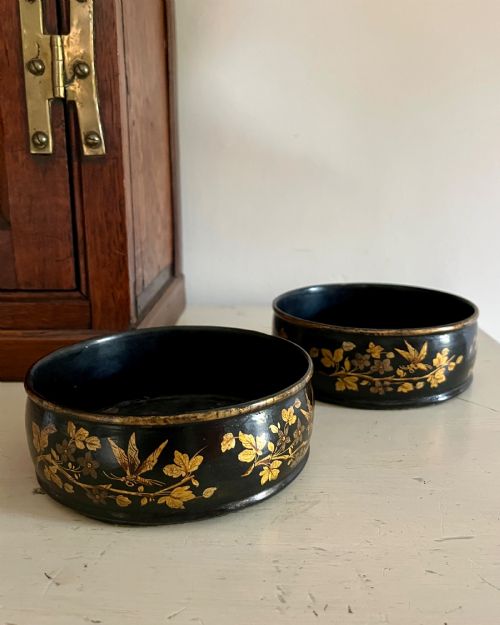
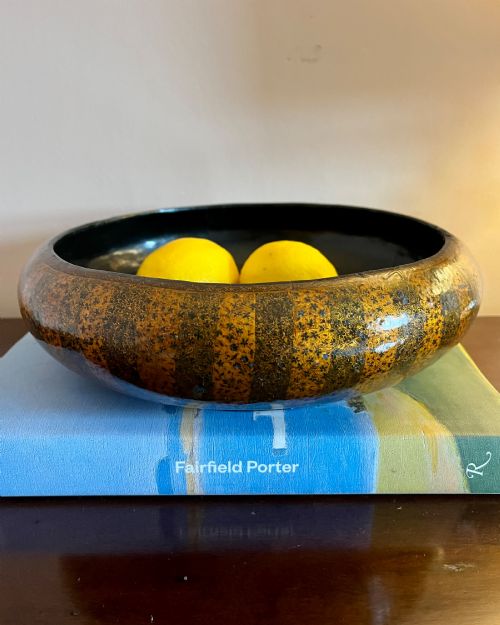
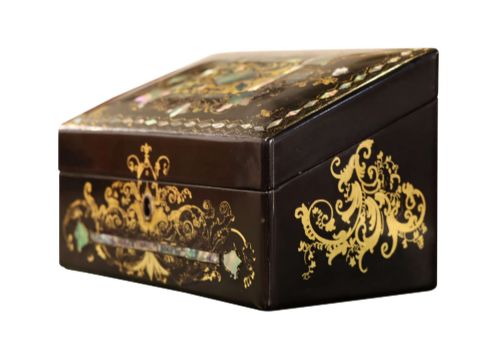
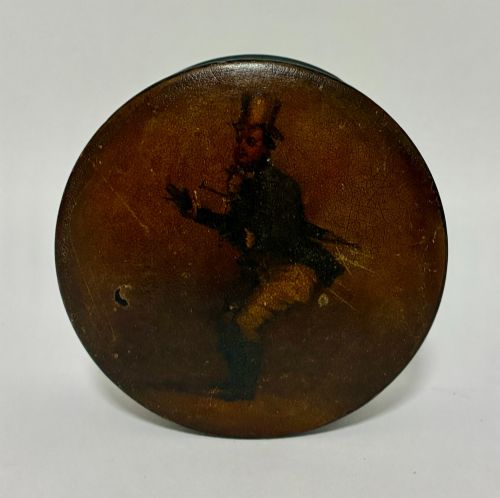
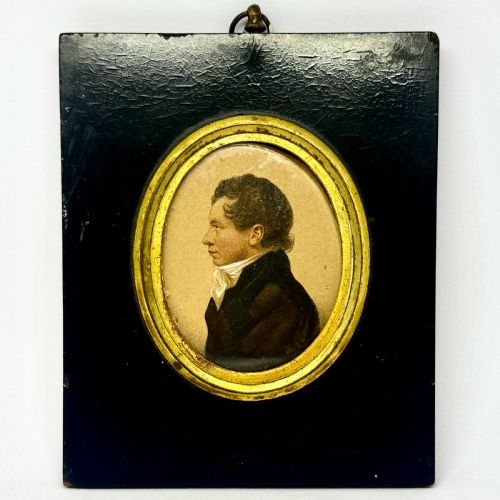
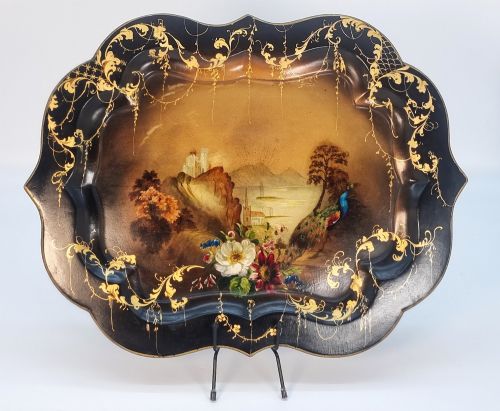
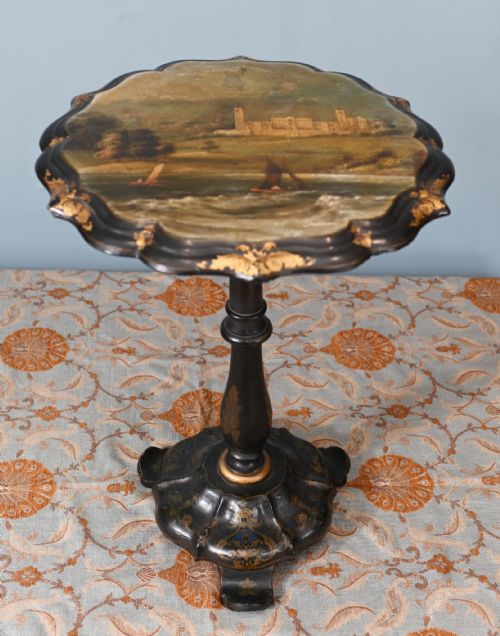
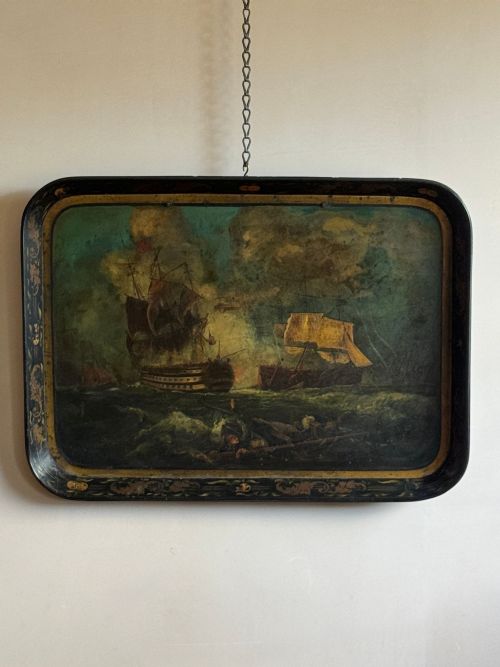
Items associated with 19th century papier mache encompass a broad selection of domestic utilitarian and decorative objects originating from Georgian, Regency, Victorian, and Edwardian periods. Buyers encounter serving trays, occasional tables, snuff boxes, tea caddies, and stationery boxes shaped from pulped paper or layered paper sheets.
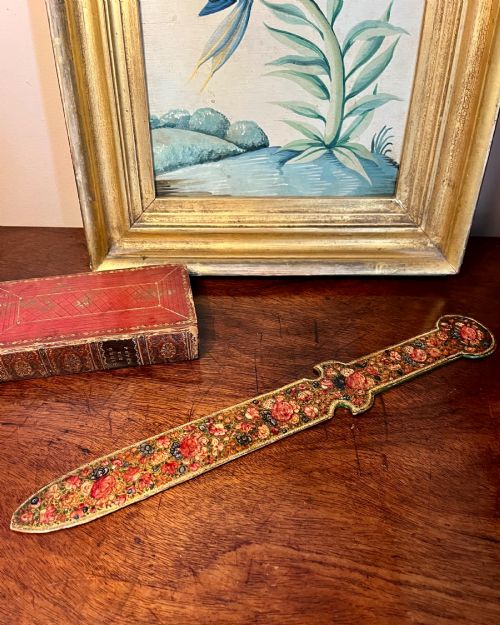
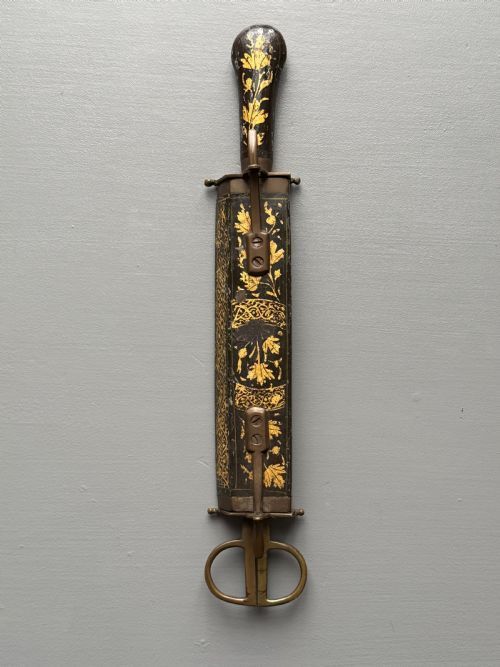
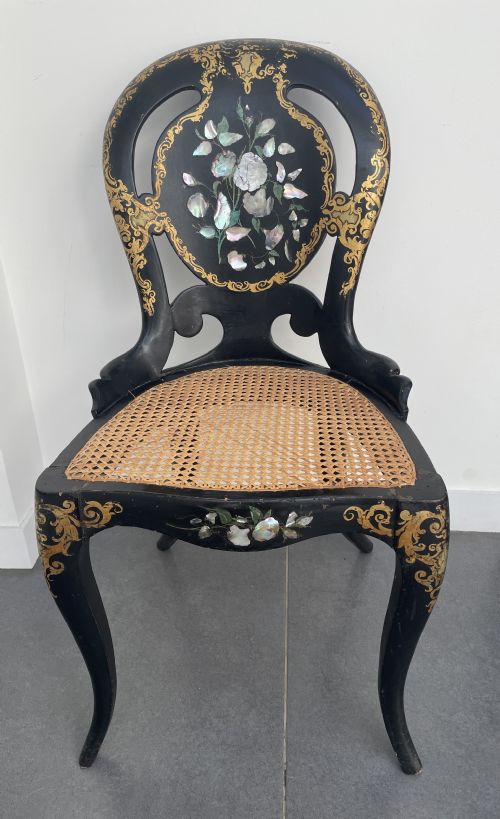
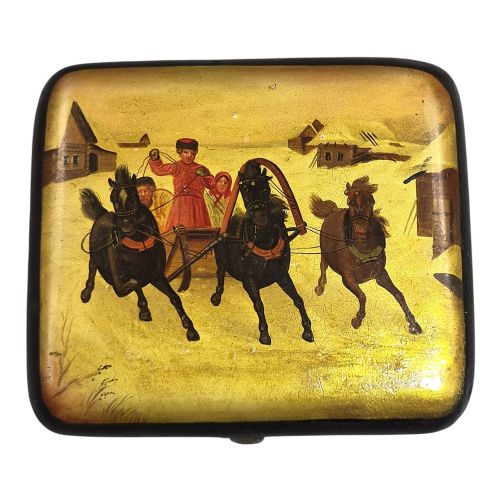
Regional production extends beyond British workshops to include Kashmiri, Persian Qajar, Russian, and French examples. Trays and small boxes dominate current selections, alongside occasional furniture such as wine tables and chairs incorporating mother of pearl inlay.
How they were made
Makers produced these objects by pressing layers of paper mixed with glue, paste, or resin into iron moulds under heavy pressure to create a rigid, lightweight board. Artisans then dried, baked, and smoothed the hardened material before applying multiple coats of dark lacquer or japan varnish.
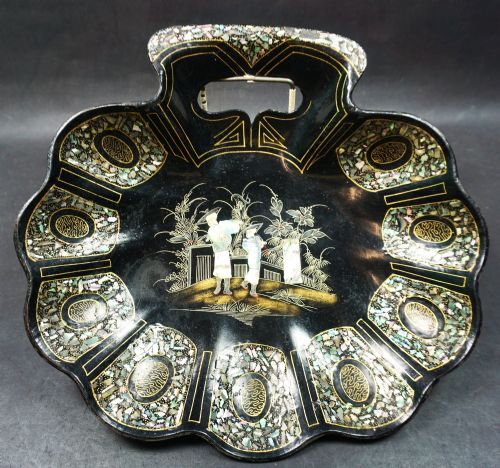
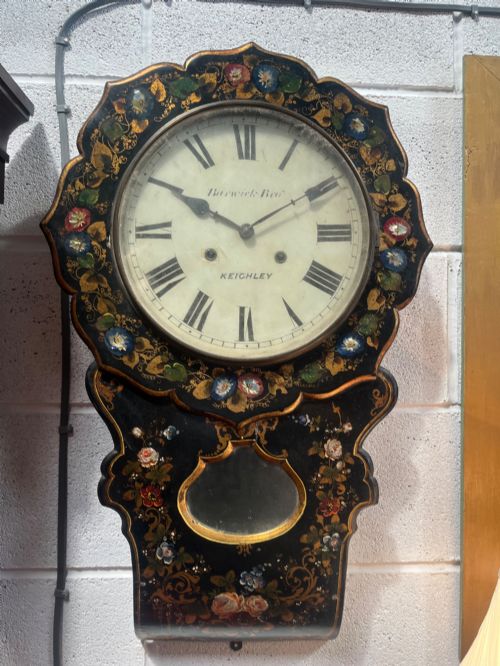
Decoration relied on hand painting, gilding with gold leaf, and embedding thin slices of mother of pearl directly into the tacky varnish surface. Final coats of clear lacquer provided a hard, glossy protective barrier.
19th Century Papier Mache Retail Price Guide 2026
Typical asking prices for 19th century papier mache among the pieces listed under this phrase on Sellingantiques today, from the lower quarter to the upper quarter. They describe what is for sale here now, not the wider market.
Automaton French bulldog growlers occasionally hide among the tea caddies and snuff boxes.
What varies in quality
Quality separates according to the precision of the moulding and the complexity of the surface ornamentation. Finer pieces display crisp edge definition, intricate hand-painted chinoiserie or floral motifs, and securely inlaid mother of pearl without lifting edges.
The reputation of the workshop also dictates standing, with documented makers commanding greater interest. Structural integrity of the underlying paper matrix and the preservation of the original lacquer finish determine overall desirability.
Jennens & Bettridge·Vishnyakov Workshop·Stobwasser·B Walton & Co
The 19th Century Papier Mache Glossary
- Japanning
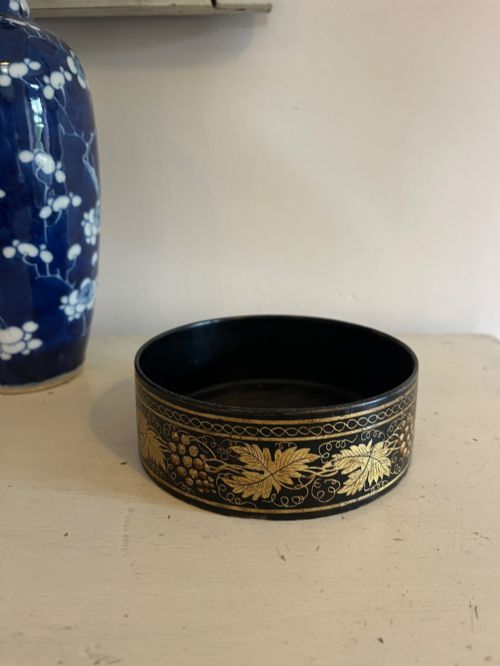
- A European imitation of East Asian lacquerwork achieved through the application of heat-treated varnishes and paints. This technique created the glossy black or dark surfaces common on Regency and Victorian trays.
- Chinoiserie
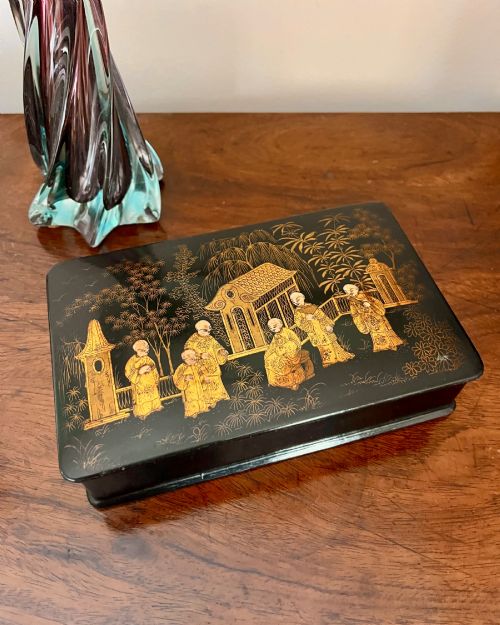
- European decorative style reflecting Chinese artistic motifs and landscapes. Artisans utilised gold and coloured paints to depict pagodas, figures, and foliage against dark lacquered backgrounds.
- Snuff box
- A small lidded container designed to hold powdered tobacco. These pocket-sized pieces frequently featured painted miniatures or printed scenes on their covers.
- Mother of pearl
- The iridescent inner layer of mollusc shells used extensively for inlay work. Craftsmen cut thin pieces to form floral or geometric accents on boxes and furniture.
19th Century Papier Mache: Frequently Asked Questions
How do I clean papier mache?
Dust surfaces gently with a dry, soft microfiber cloth to remove everyday particles without scratching the glossy finish.
Avoid liquid cleaners, moisture, and solvents entirely, as water and harsh chemicals degrade the historic lacquer and lift painted decoration.
Were these trays meant for daily use?
Many large trays served functional roles in wealthy households for carrying porcelain teasets or serving drinks.
Over time, exposure to moisture and heat caused surface cracking, leading many surviving examples into purely decorative roles.
How can I date a piece?
Examine the base material, hardware, and painting style alongside recorded periods like Regency or Victorian.
Maker marks stamped onto the underside or paper labels provide the most reliable chronological indicators.
Are Kashmiri and British pieces different?
Kashmiri items often display distinct bright floral and bird motifs executed on wooden or papier-mache cores.
British production typically favoured deep black japanned surfaces enriched with mother of pearl inlay and classical or chinoiserie scenes.