



Antique Lacquer Wall Art
Antique lacquer wall art brings centuries of refined craftsmanship into domestic spaces through rich panels, plaques, and mirrors.
Antique Lacquer Wall Art
Antique lacquer wall art encompasses decorative wooden and papier-mâché panels, mirrors, and plaques produced across various global traditions. Buyers seeking these pieces will find items originating from Chinese Qing dynasty workshops, Japanese Meiji period studios, and English Regency or Victorian makers.
How they were made
Production relied on a foundation of softwood, carved wood, or papier-mâché, shaped into panels, trays, and frames. Artisans applied layers of lacquer to seal and prepare the substrate for intricate surface decoration.
Makers embellished these pieces using gold leaf, paint, and detailed carving techniques. Some works incorporated textiles or glass, combining physical relief with flat painted scenes to create depth.
Listings span multiple centuries, incorporating materials such as lacquer, wood, glass, gold leaf, paint, papier-mâché, brass, and softwood.
What varies in quality
Quality depends upon the precision of the carving and the durability of the lacquer surface. Pieces featuring deep, crisp wood carving or meticulously preserved gold leaf demonstrate higher levels of artisan skill.
The integrity of the structural substrate, whether softwood, papier-mâché, or carved timber, determines how well the object has survived over the centuries. Refined finishing in the painted or japanned details separates standard decorative items from superior examples.
The Antique Lacquer Wall Art Glossary
- Japanned
- European-made lacquer work created in imitation of Asian imports. This technique gained popularity during the Georgian and Regency periods.
- Papier-mâché
- A composite material made of paper pulp or reinforced paper sheets mixed with adhesive. It provided a lightweight base for painted wall plaques and trays.
- Chinoiserie
- European artistic style reflecting Chinese motifs and decorative patterns. It appears frequently in Edwardian and Georgian wall mirrors and panels.
- Roundel
- A circular decorative panel or plaque. These items often feature Japanese lacquer work or painted scenes.
- Overmantel
- A large mirror or decorative panel designed to hang above a fireplace mantel. Edwardian examples often incorporated black lacquer and shaped glass.
Antique Lacquer Wall Art: Frequently Asked Questions
How do I hang antique lacquer panels safely?
Wall panels require sturdy fixings suited to their weight, particularly older carved wooden examples and framed pieces from the nineteenth century. Professional mirror hangers or picture framing specialists can assess the appropriate load-bearing hardware.
Ensure the hanging position avoids direct sunlight and excessive humidity. Stable indoor climates protect the timber substrate and prevent the lacquer surface from drying out or cracking.
What is the difference between Chinese and Japanese wall art here?
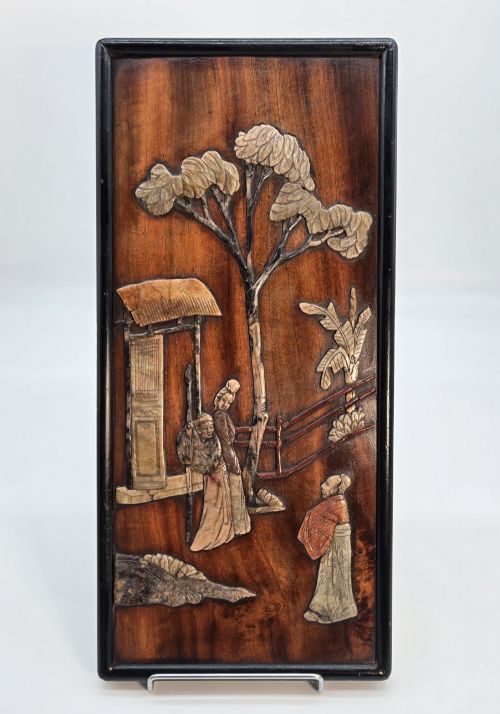
Chinese pieces on this page frequently feature deep wood carving, export styles, and multi-panel sets dating from the mid eighteenth century onwards. These often display architectural temple panels or export motifs.
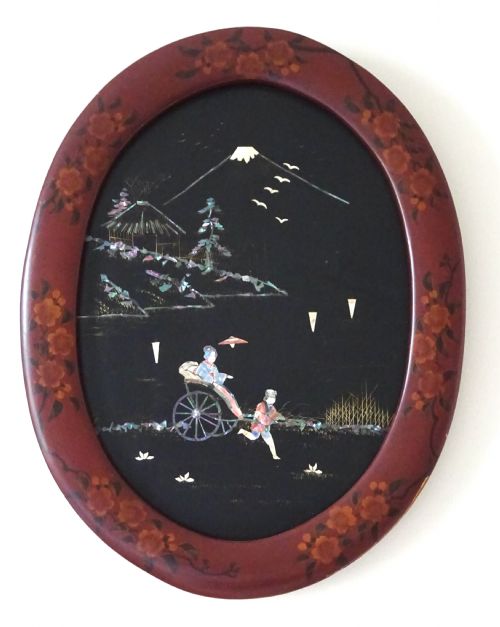
Japanese works tend to focus on Meiji period roundels, lacquer plaques, and folk art traditions such as Mingei. Their aesthetic emphasises painted detail, silk textiles, and distinct regional iconography.
How do I clean antique lacquer surfaces?
Dust lacquer panels gently using a soft, dry, lint-free cloth. Avoid chemical cleaning products, commercial polishes, or excessive water, which can damage the aged finish and gold leaf.
Professional conservators should handle deeper cleaning or restoration work. Regular gentle maintenance preserves the original lustre of the lacquer without wearing down delicate painted details.
How do I identify Regency japanned pieces?
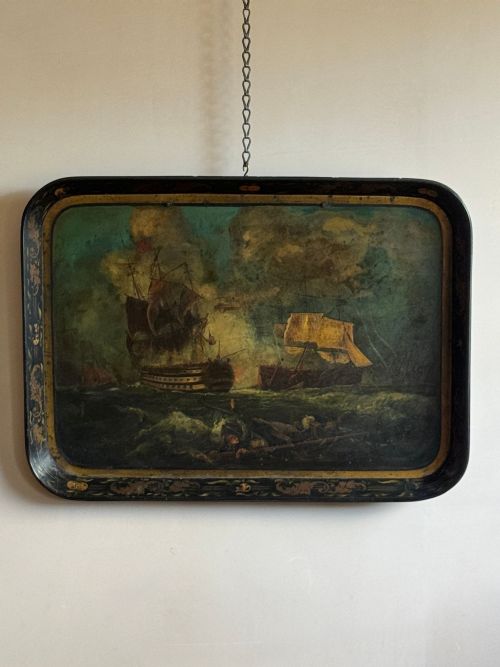
Regency japanned items typically exhibit simulated Asian lacquer techniques executed by European workshops. They often feature painted Chinoiserie motifs on papier-mâché or timber bases.
Examining the reverse of the panel or tray often reveals the construction methods characteristic of the early nineteenth century. Stylistic markers include specific border patterns and gilt work typical of the Regency period.