


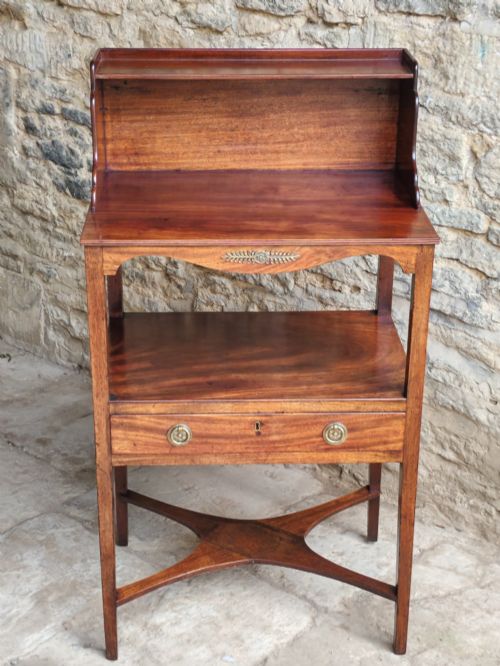
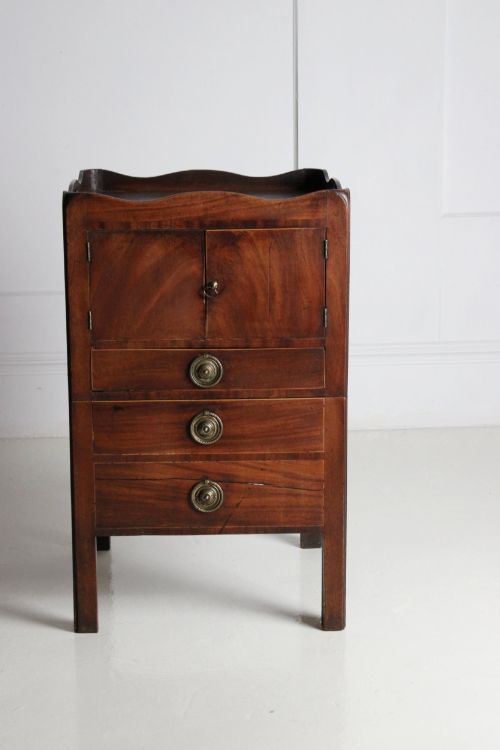
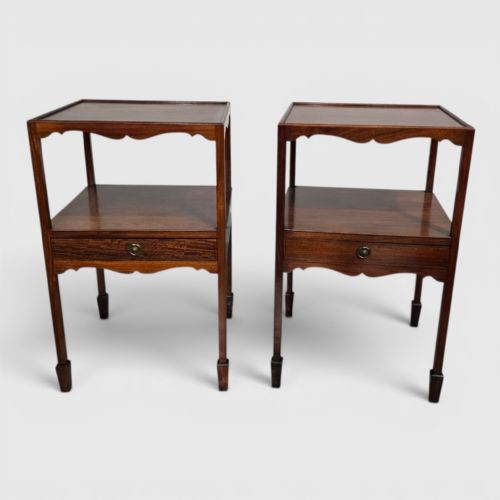
Georgian Tray on Stand
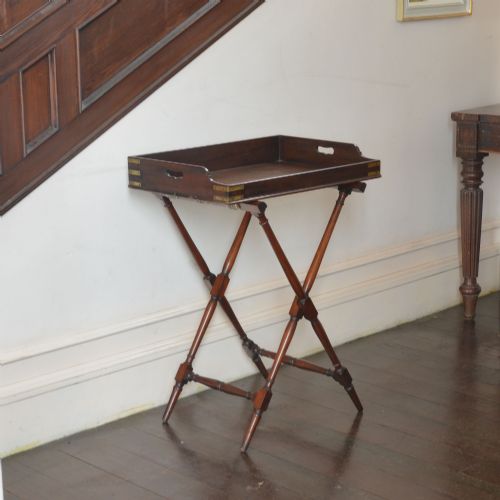
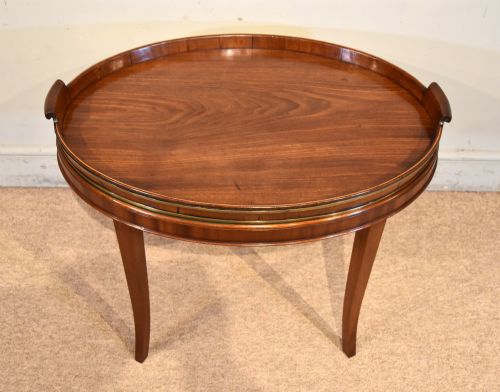
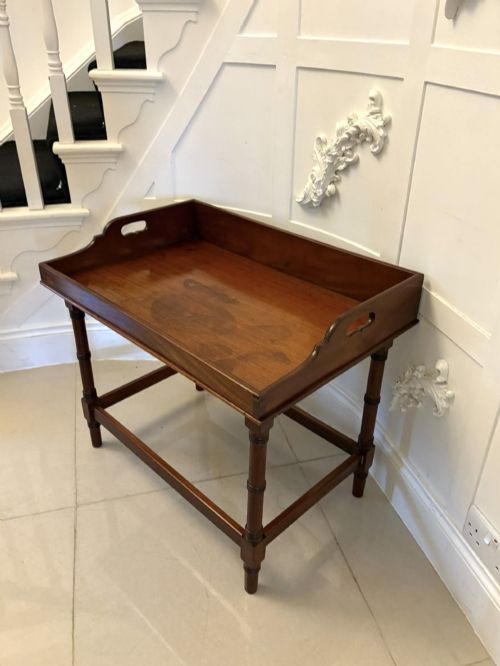
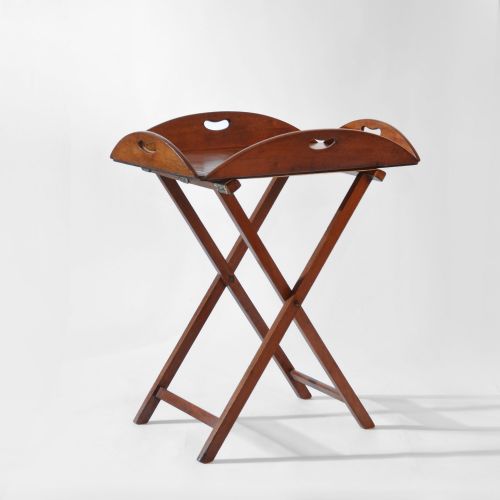
A georgian tray on stand brings portable serving timber into a permanent room, pairing a deep-sided removable tray with a folding or fixed wooden base.

Georgian Tray on Stand
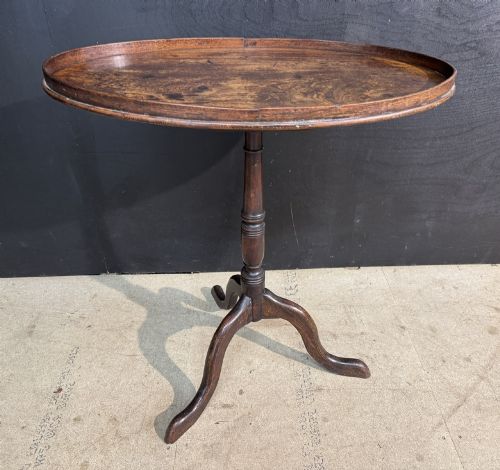
A georgian tray on stand is a dual-purpose piece of furniture comprising a portable serving tray set atop a matching or adapted base. The form bridges domestic dining service and occasional table use across the eighteenth and nineteenth centuries.
Materials and Technique
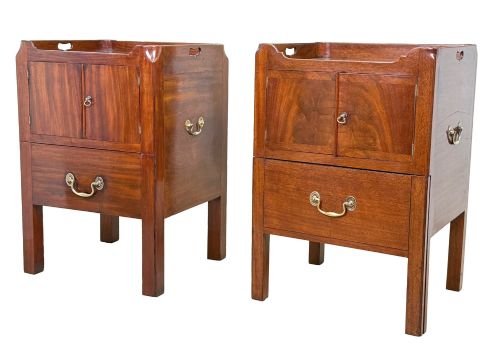
Cabinetmakers built these trays predominantly from solid mahogany, occasionally utilising flame veneers or brass bound decoration to edge the perimeters. Stands were constructed with turned or square legs, joined by stretchers for stability during daily use.
Hinged or folding stands required precise joinery to allow the supporting frame to collapse flat when the tray was removed. Surface finishes relied on hand-applied polish that exposed the natural grain of the timber.
Georgian Tray on Stand Retail Price Guide 2026
Typical asking prices for georgian tray on stand among the pieces listed under this phrase on Sellingantiques today, from the lower quarter to the upper quarter. They describe what is for sale here now, not the wider market.
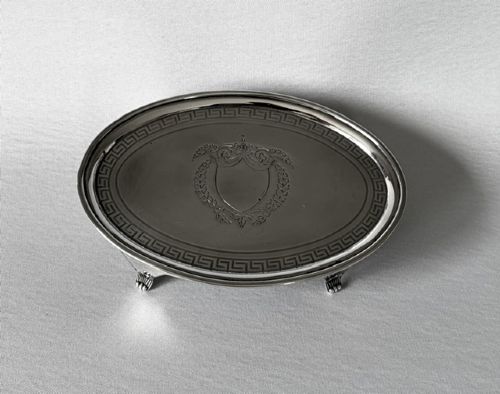
Listings feature mahogany, brass, sterling silver, and glass across Georgian, Regency, and nineteenth-century periods.
Assessing Quality
Quality rests primarily on the integrity of the timber selection and whether the tray retains its original stand. Matched pairs and pieces bearing original structural mounts command closer attention from collectors than later marriages of separate components.
Subtlety of handle cut-outs, crispness of edge mouldings, and depth of colour in the mahogany define the upper tier of surviving examples.
William Burwash
The Georgian Tray on Stand Glossary
- Butler's tray
- A portable wooden tray featuring raised sides, often with hinged flaps or pierced hand-grips for carrying china and glassware. These trays lifted straight off their supporting frames to serve guests directly.
- Stand
- The supporting table base or folding trestle designed to hold a serving tray at table height. Stands were made to fold flat or remain rigid depending on domestic requirements.
- Flame mahogany
- Timber cut from the fork of the mahogany tree to produce a dramatic, flickering grain pattern. This decorative veneer was reserved for the most prominent surfaces.
- Tazza
- A small, stemmed shallow cup or plate raised on a foot, used for serving food or displaying items. These ceramic or silver pieces share the elevated presentation of tray stands.
- Dumb waiter
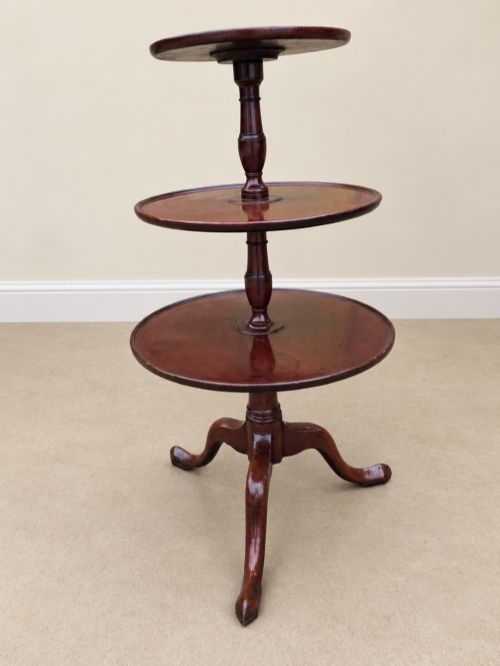
- A tiered serving stand fitted with revolving or fixed trays, used to hold dishes during meals without servants present. These heavy pieces offer multiple levels of surface area.
Georgian Tray on Stand: Frequently Asked Questions
What is a georgian tray on stand used for?
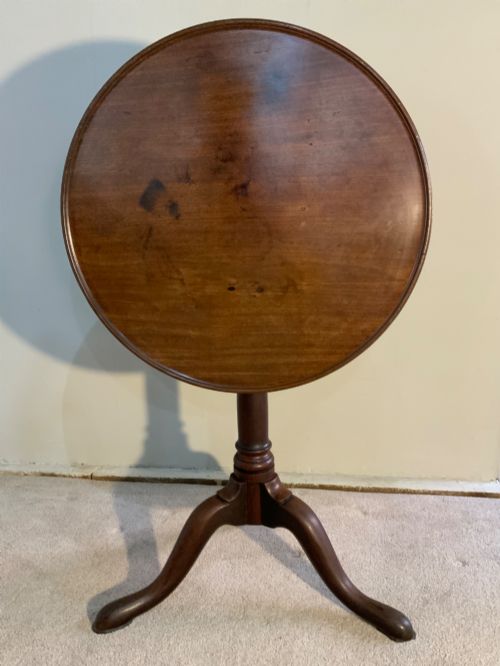
These pieces served originally to transport tea, silver, or glassware from the kitchens to the parlour, resting securely on a dedicated frame once inside the room. Today, the form functions easily as an occasional table or low coffee table in a modern sitting room.
The raised edges prevent items from sliding off, making the surface practical for holding drinks, books, or decorative objects without risking spills onto carpets.
Are the tray and stand always original to each other?
Because trays received heavy use and were prone to surface wear, many surviving trays were paired with later stands built in matching timber. Dealers describe these as marriage pieces or items on later stands.
Finding a tray resting on its original folding or fixed stand is less common, which makes intact primary sets particularly interesting to collectors of period furniture.
How do I care for a mahogany tray table?
Protect the antique wood surface from direct sunlight, excess moisture, and extreme temperature shifts that can cause timber to warp or split. Regular dusting with a soft, dry cloth maintains the polish without building up residue.
Avoid placing wet glasses or hot dishes directly onto the unshielded mahogany surface, using coasters or linen mats to preserve the original polish.
How can I tell an eighteenth century tray from a later one?
Earlier pieces display hand-cut dovetailing, traditional peg construction, and dense mahogany with a deep, warm patina developed over centuries. Tool marks left by hand planes on the underside offer clues to period manufacture.
Nineteenth-century and later interpretations often show machine-sawn timber edges, different joining techniques, or standardised hardware that distinguishes them from Georgian workshops.