




Georgian Papier Mache
Georgian papier mache pieces bring durable pressed paper and lacquer into everyday use, offering deep black surfaces and painted scenes.

Georgian Papier Mache
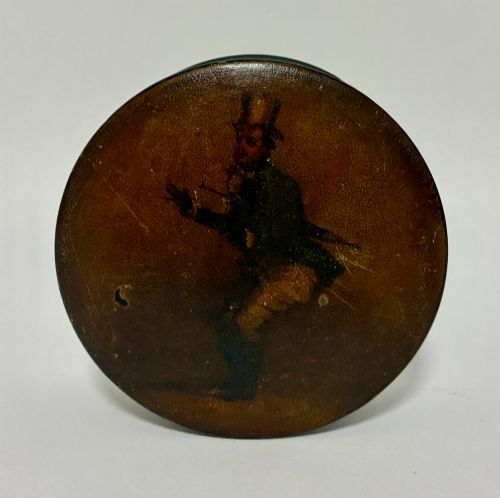
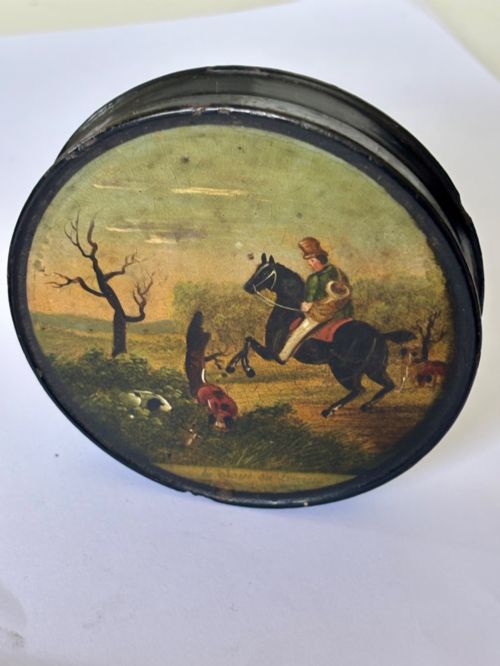
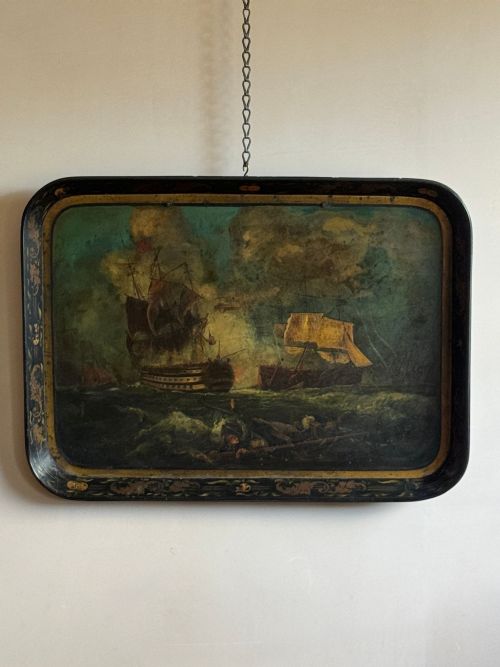
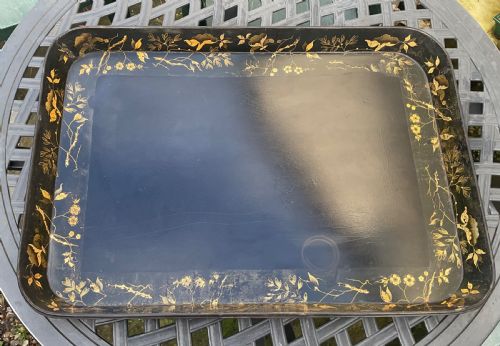
When searching for georgian papier mache, buyers encounter a range of items dominated by serving trays, butler trays, and small pocket snuff boxes. These objects date across the eighteenth and nineteenth centuries, taking forms that served dining rooms and personal routines.
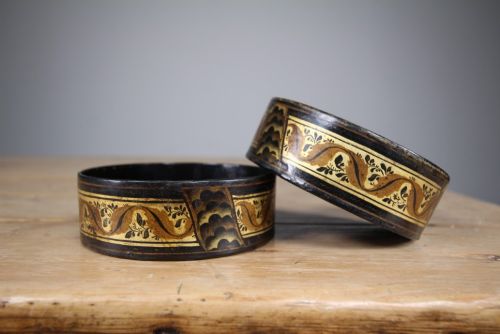
The material appears in wine coasters, decorative boxes, wall art, and even dolls, showing how versatile pressed paper pulp proved for domestic goods. Pieces span Georgian, Regency, and early Victorian periods, including French and German works alongside English examples.
Large oval trays and small shoe-shaped snuff boxes demonstrate the breadth of scale found within these categories. Buyers frequently meet black-lacquered surfaces paired with gilded decoration or hand-painted hunting scenes.
How they were made
Papier-mâché construction relied on pulped paper or layered sheets combined with binders, pressed into moulds and dried to create a rigid base. Makers then applied heavy lacquer coats to seal the surface and provide a smooth ground for decoration.
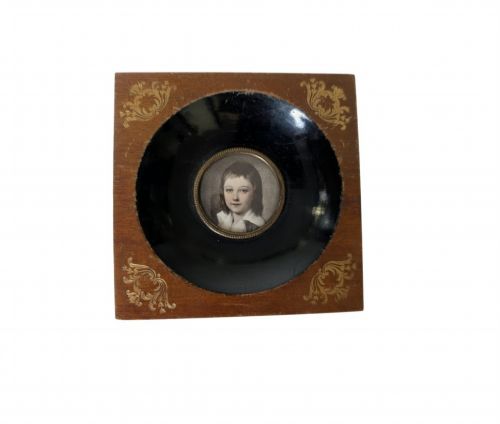
Finishing involved paint, gold leaf, and brass fittings to ornament trays and boxes. Artists added hand-painted details or prints, sometimes incorporating glass and wood components into frames and folding stands.
Listings feature papier-mâché objects combined with brass, glass, wood, and gold leaf across the Georgian and Regency periods.
What varies in quality
Quality rests on the crispness of the moulded form and the depth of the lacquer finish. Superior pieces exhibit refined hand-painted detail or precise gilding that remains sharp across the surface.
The integrity of the papier-mâché structure dictates longevity, with finer items maintaining smooth contours without warping. Maker attribution, such as work by Henry Clay or Stobwasser, elevates the standing of individual boxes and trays.
Henry Clay·Stobwasser·George Atkinson·Thomas London·J. Deacon
The Georgian Papier Mache Glossary
- Papier-mâché
- A composite material made from paper pulp or layered paper mixed with glue and pressed into shape. It provides a lightweight yet sturdy body for lacquer and paint.
- Japanned
- A European imitation of East Asian lacquerwork, created by applying layers of dark varnish and heat-curing the surface. This technique produces the characteristic glossy black finish seen on trays.
- Wine coaster
- A small circular tray, often with a wood or brass base, designed to hold a bottle on the dining table. They protect polished timber surfaces from condensation.
- Silhouette
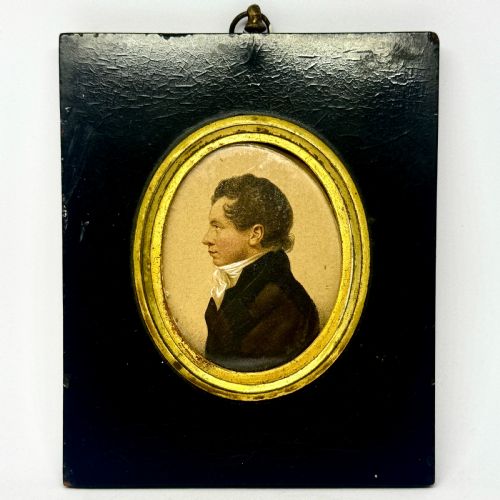
- A portrait profile filled in with a solid dark colour, frequently painted on card, glass, or plaster. These miniature likenesses often appear housed in small papier-mâché frames.
- Stobwasser
- A renowned German lacquerware manufacturer known for high-quality snuff boxes featuring detailed miniature paintings. Their pieces often bear distinct signatures or characteristic hinged lids.
Georgian Papier Mache: Frequently Asked Questions
What is georgian papier mache?
It is a moulded composite material made from paper pulp and binders, finished with lacquer and paint to create durable household objects.
Items range from small pocket snuff boxes to large serving trays produced during the eighteenth and nineteenth centuries.
How were these trays used?
Trays served dining and entertaining needs, carrying glassware, tea services, and wine bottles between rooms.
Larger butler trays often sat on folding stands to function as temporary side tables during meals.
How do I care for lacquer?
Keep pieces out of direct sunlight and away from excessive moisture to protect the delicate lacquer and gilding.
Dust gently with a dry, soft cloth and avoid chemical cleaning products that can strip the finish.
Are these items waterproof?
While the lacquer provides resistance to minor moisture, these surfaces are not completely waterproof.
Spills should be wiped away promptly to prevent water from penetrating beneath the varnish.