




18th Century Tea Tray
An 18th century tea tray brings genuine period craftsmanship to your interior, offering a functional antique surface with deep historical character.
18th Century Tea Tray
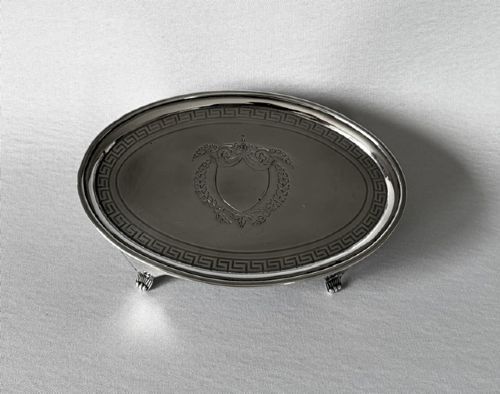
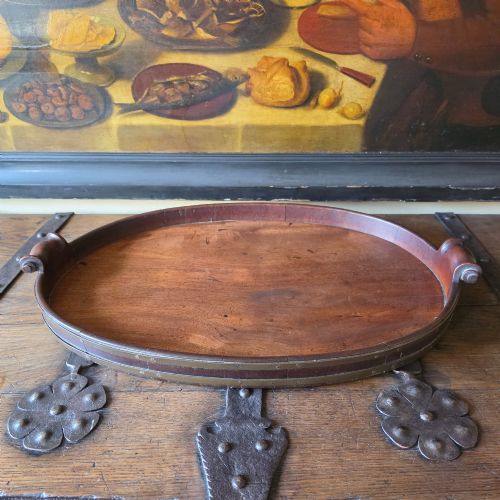
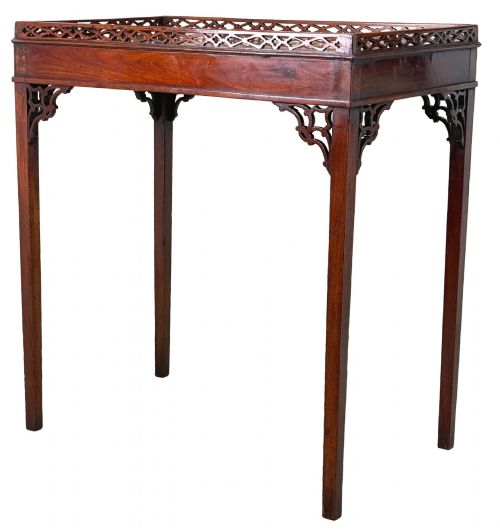
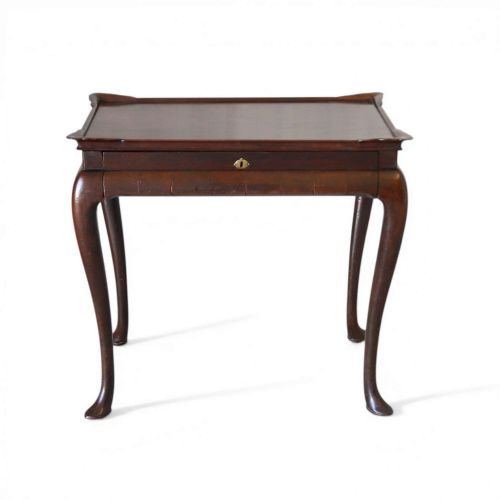
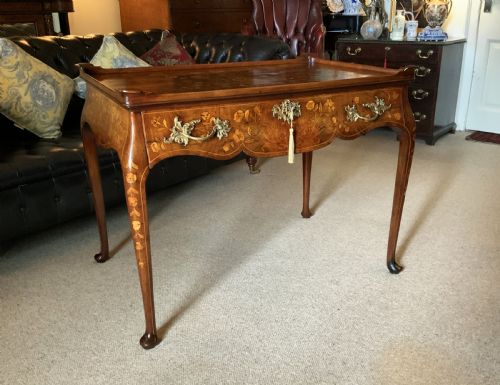
When you search for an 18th century tea tray, you encounter a specialised form designed for the social rituals of elite households. The evidence shows these pieces span serving trays, hanging lacquered pieces, and occasional tables with integral or removable tray tops.
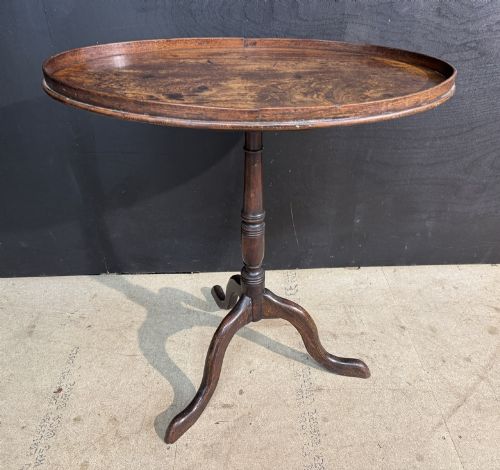
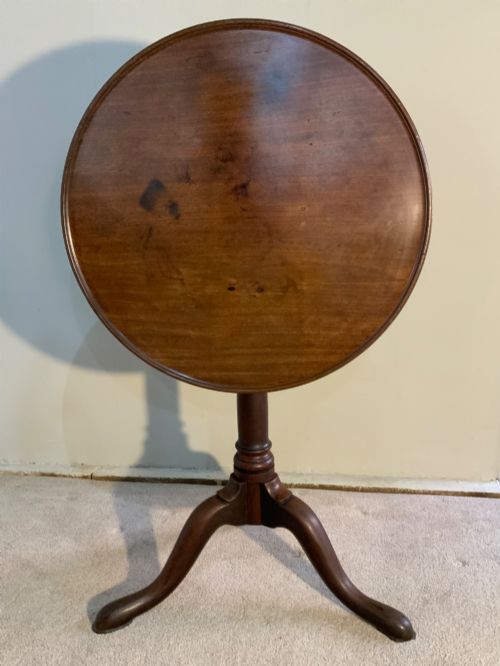
You are most likely to meet mahogany silver tables and tray-top tables alongside oval and octagonal papier-mâché examples. Styles range across Georgian, George III, Chippendale, and Dutch Rococo periods, reflecting the shifting tastes of the 18th century.
Formats vary from circular wine trays to large serving pieces and tripod tables. Materials recorded in the listings include solid timber, lacquer, and papier-mâché, often finished with brass or inlaid decoration.
Materials and construction methods
Makers utilised dense timbers such as Cuban mahogany and walnut, shaping them into tilt-top mechanisms, galleried edges, and cabriole legs. Joinery relies on traditional carpentry techniques suited to supporting heavy silver service pieces.
Papier-mâché examples required layered paper pulp pressed and dried to form rigid blanks, which were then smoothed and finished with black or scarlet lacquer. Surface decoration frequently employed hand painting, gilding with gold leaf, and marquetry in boxwood and other contrasting woods.
Listings feature mahogany, walnut, brass, lacquer, and papier-mâché across the 18th century and Georgian periods.
Distinctions in construction and finish
Quality rests in the crispness of carved details, such as the edge moulding on a mahogany tray or the carving on cabriole legs. Better examples demonstrate superior timber selection, with figured grain patterns carefully matched across the surface.
For lacquered and papier-mâché pieces, distinction lies in the depth of the finish and the preservation of hand-painted or neo-classical pictorial scenes. Superior craftsmanship is evident where structural joints remain tight and decorative inlays sit flush with the surrounding wood.
Henry Clay
The 18th Century Tea Tray Glossary
- Silver table
- A side table with a raised edge or gallery designed specifically to hold silver teapots, kettles, and service items.
- Papier-mâché
- A composite material made from paper pulp mixed with glue and resin, pressed into moulds and hardened to create lightweight trays.
- Tilt top
- A tabletop mounted on a catch and pivot mechanism that allows the surface to be folded vertically when not in use.
- Marquetry
- The art of applying thin decorative veneers of wood in complex patterns to form pictorial or geometric designs.
- Cabriole leg
- A furniture leg featuring a double curve, swelling outward at the knee and tapering inward at the foot.
18th Century Tea Tray: Frequently Asked Questions
What was an 18th century tea tray used for?
These trays served as portable surfaces for carrying porcelain teapots, cups, and silver service items during social gatherings. They protected polished furniture surfaces from heat and spills while displaying high status.
Larger tray tables and silver tables provided a permanent or semi-permanent station for tea preparation in the parlour or drawing room.
How do I identify a George III tray?
George III pieces typically exhibit classical proportions, refined mahogany timbers, and restrained decorative carving. Look for characteristic details such as piecrust edges, brass carrying handles, or subtle string-inlay.
Many examples from this period align with Chippendale design influences, featuring slender cabriole legs or gallery rails constructed from solid hardwoods.
Are papier-mâché trays durable?
Papier-mâché was engineered to be surprisingly strong and resilient despite its paper base. The material was heavily compressed and sealed with multiple layers of lacquer to resist moisture.
While robust enough for period domestic use, surviving examples benefit from gentle handling to protect the original painted decoration and lacquer finish from scratching.
What is a silver table?
A silver table is an occasional or side table featuring a raised rim or gallery around the perimeter of the top. This raised edge prevented expensive silver tea services from sliding off during use.
These tables often incorporate tilt-top mechanisms or sturdy tripod bases, making them versatile furniture items in elite 18th-century interiors.