
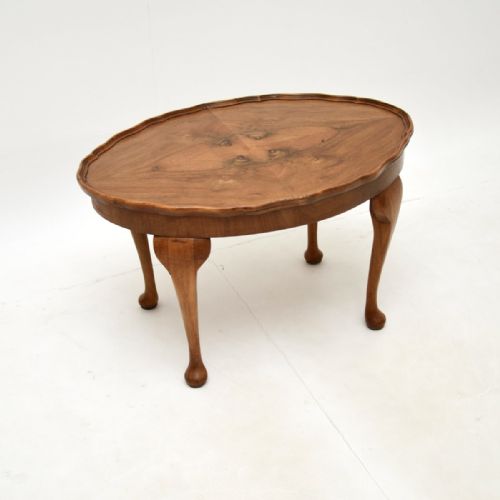
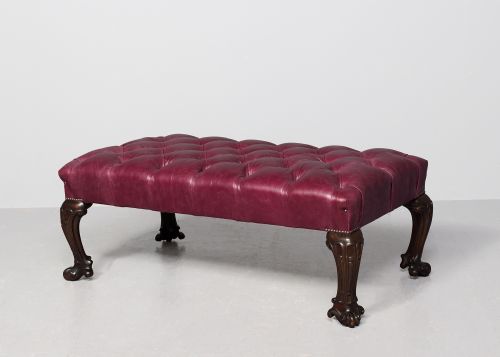
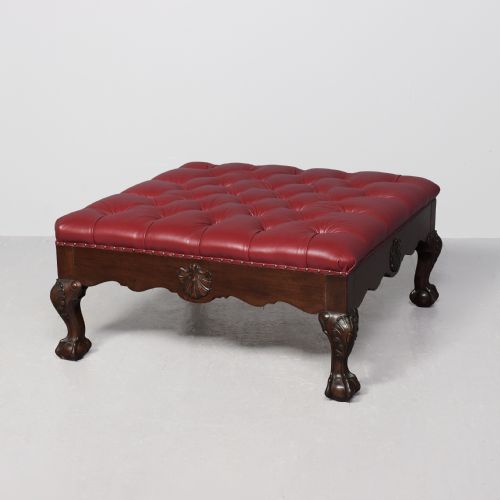
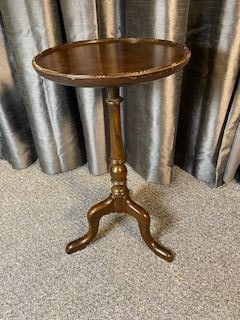
Georgian Coffee Table
A georgian coffee table brings versatile period warmth into a modern room through time-honoured timber and adaptable low proportions.
Georgian Coffee Table
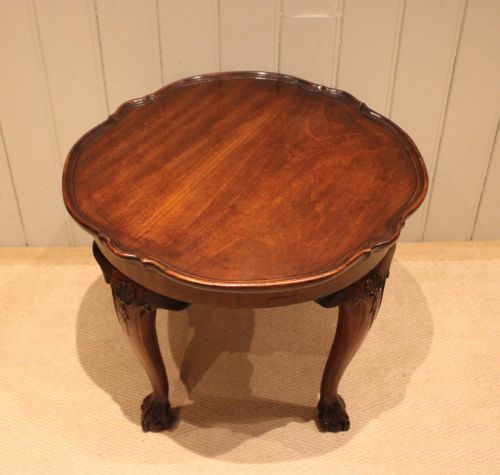
A georgian coffee table encompasses actual pieces from the eighteenth century alongside later revivals, adaptations, and altered forms. Buyers frequently encounter low tables converted from full-sized furniture, alongside purpose-built low surfaces.
Origins span authentic eighteenth-century examples to twentieth-century revivals created in the Georgian style using traditional cabinet-making timbers.
How They Were Made
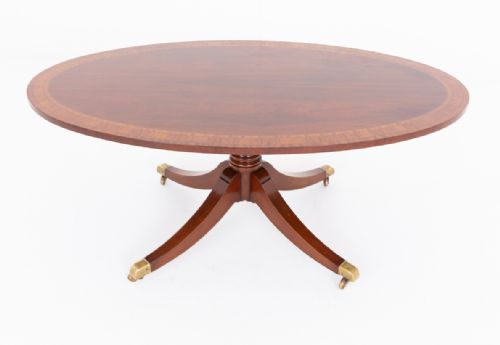
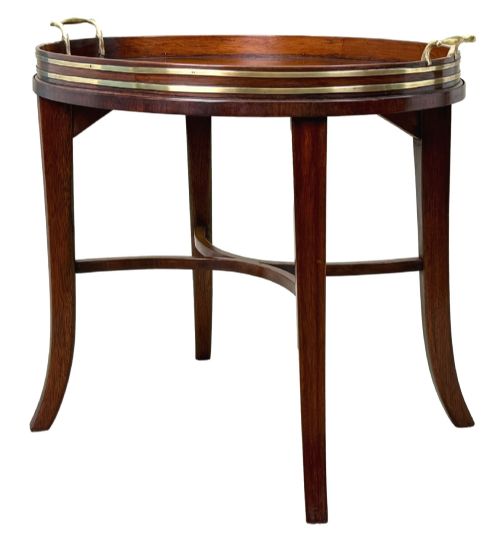
Craftsmen built these tables primarily using solid and veneered timbers such as mahogany, oak, walnut, and rosewood, often enhanced with brass bounds or fine string inlay. Timber selection dictated the structural integrity and visual depth of the grain.
Construction techniques involved traditional joinery, turning, and occasional adaptation where taller tables, chests, or benches were lowered to serve as coffee tables.
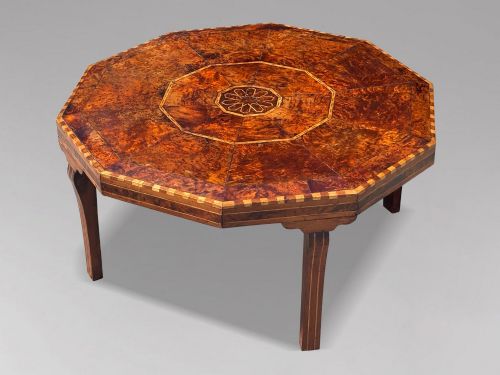
Listings feature woods spanning mahogany, oak, walnut, burr walnut, satinwood, rosewood, and fruitwood.
What Varies in Quality
Quality rests in the harmony of proportions, the crispness of turned tripod legs or inlaid details, and the integrity of the timber figure. Finer examples display carefully selected mahogany or burr walnut with patination developed over generations.
The distinction between an original period piece, an honest nineteenth-century adaptation, and a later revival shapes the character and desirability of each table.
The Georgian Coffee Table Glossary
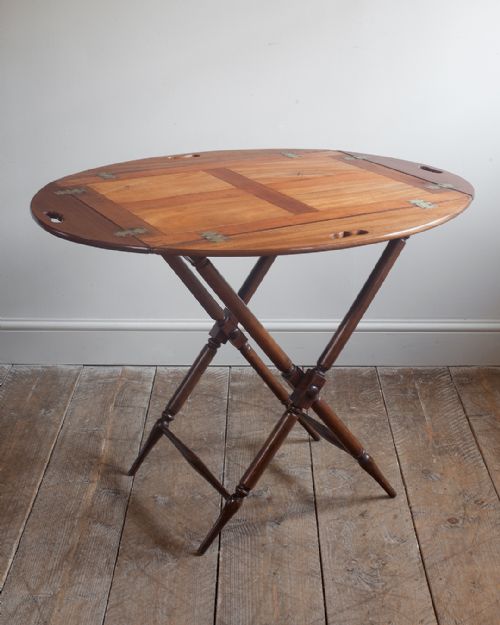
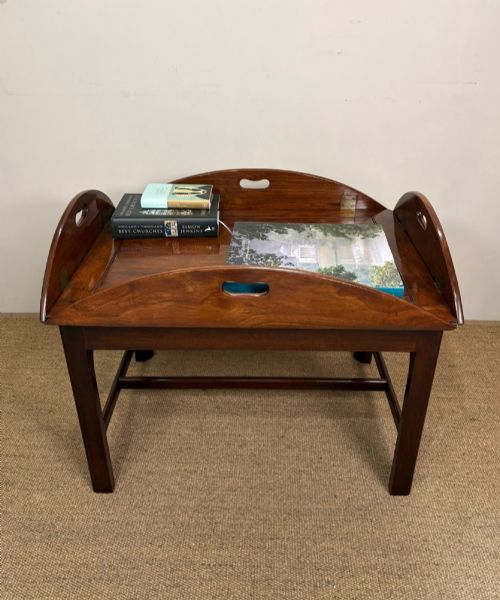
- Butler Tray
- A removable wooden tray with hinged or shaped sides, traditionally designed to sit upon a folding wooden stand. These form versatile low tables when placed together.
- Quartetto
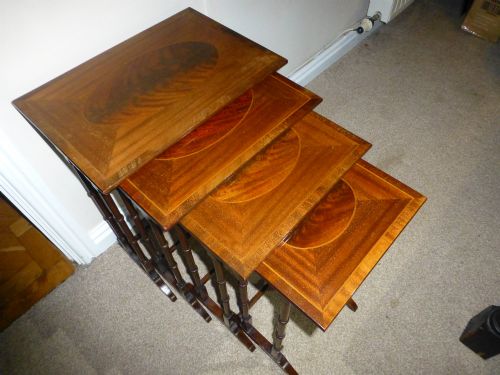
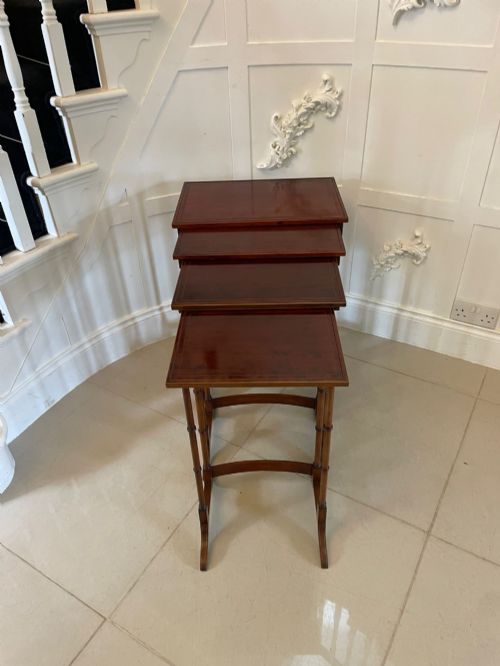
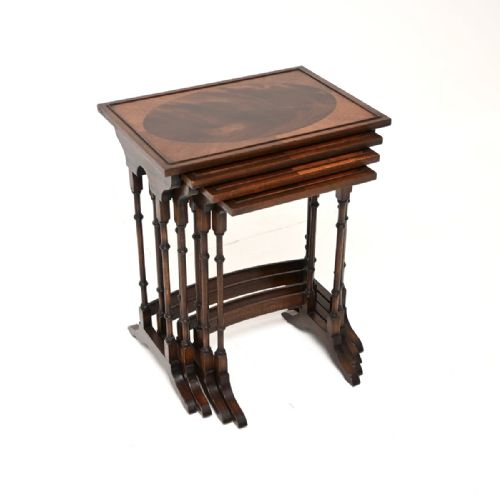
- A nested set of four graduating tables designed to slide neatly beneath one another. They appear frequently in mahogany, rosewood, and satinwood.
- Tripod Table
- A small circular table supported by a central pillar and three spreading legs. Many examples feature tilt-top mechanisms for storage.
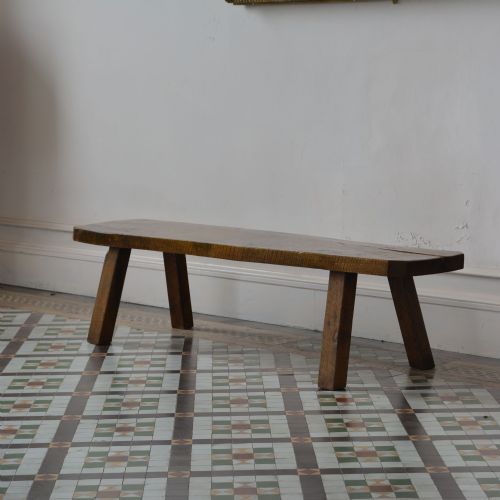
- Pig Bench
- A low, sturdy oak or elm bench originally utilised for domestic or agricultural tasks and now repurposed as a rustic coffee table.
- Patina
- The surface sheen and deep coloration developed by aged timber through years of handling, waxing, and exposure to light.
Georgian Coffee Table: Frequently Asked Questions
Are these tables original eighteenth-century pieces?
The selection includes authentic eighteenth-century pieces alongside nineteenth-century adaptations and twentieth-century revivals built in the same style.
Examining the timber movement, construction methods, and hardware helps distinguish original period work from later interpretations.
What is a butler tray table?
A butler tray table consists of a removable wooden tray resting on a folding X-frame stand.
Originally used for serving, the raised sides and carrying handles make these tables practical and portable additions to a sitting room.
How do I care for a polished wood surface?
Protect the timber from direct sunlight and excessive heat to prevent the polished finish from drying or fading.
Regular dusting with a soft cloth and occasional application of appropriate wax maintains the natural lustre.
What woods were commonly used?
Cabinet-makers relied heavily on mahogany, oak, and walnut, frequently incorporating burr walnut, satinwood, and rosewood for decorative effect.
Softer fruitwoods also appear in country-made pieces, offering distinct grain patterns and lighter tones.