
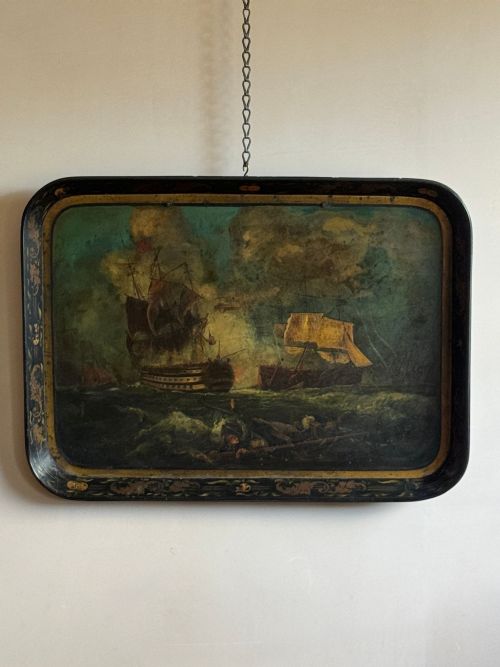
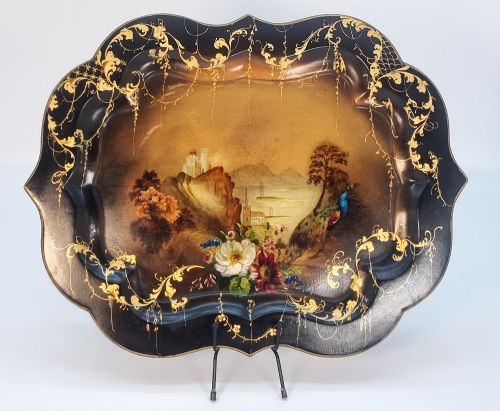


Vintage Papier Mache Platter
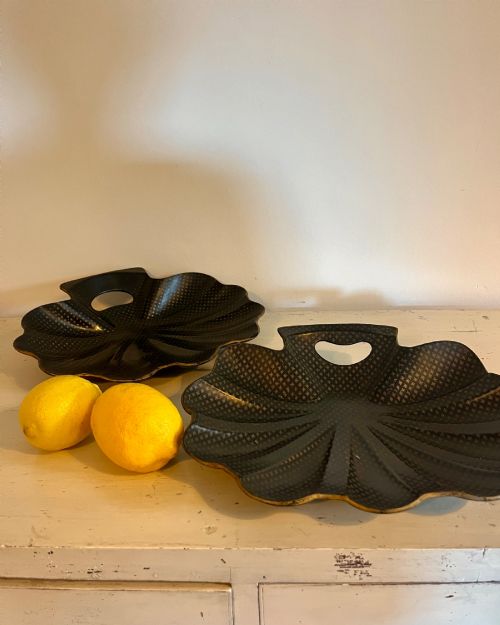
These vintage papier mache platter pieces bring tactile warmth and rich historical depth to any room, offering both decorative presence and practical utility.

Vintage Papier Mache Platter
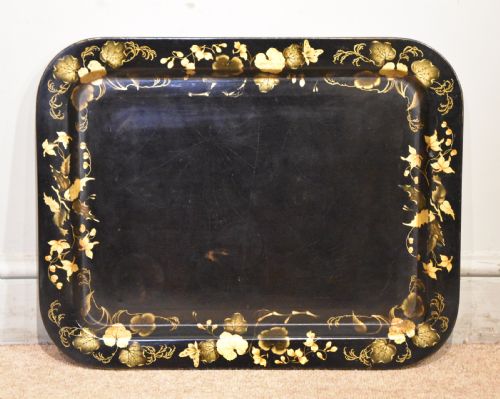
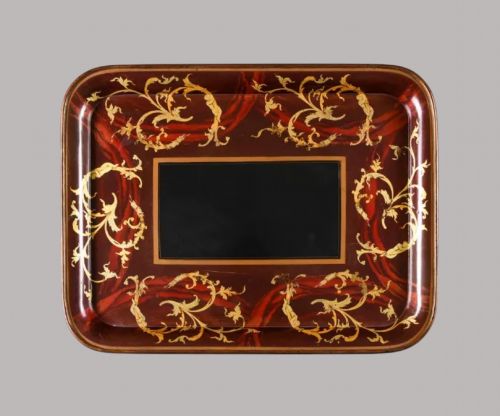
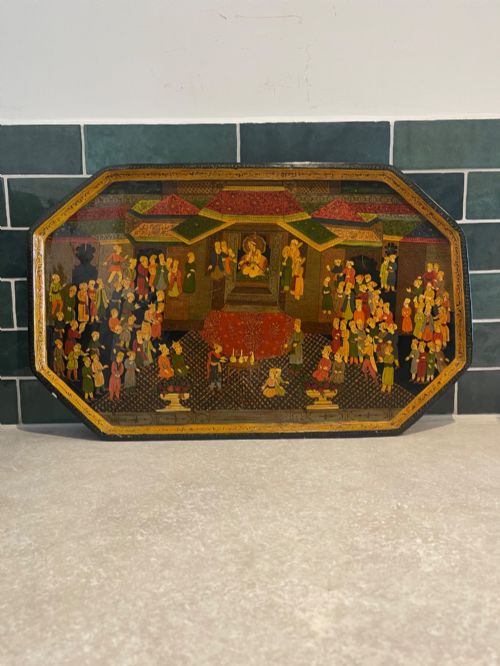
You are most likely to meet Regency and Victorian examples on this page, including large kidney-shaped formats and pieces depicting hunting scenes. Origins span English workshops, French lacquered items, and Kashmiri papier-mache traditions.
The objects function as both surface and canvas, displaying painted motifs, toleware associations, and gilded borders. They capture the domestic artistry of past centuries through durable papier-mache construction.
How they were made
Makers utilised layered paper pulp or sheets pressed together with binders to form a rigid, lightweight foundation. This base received smooth lacquering and Japanned finishes to seal the material.
Surface decoration involved hand painting, gold leaf application, and meticulous gilding. Artisans frequently integrated mother of pearl inlay to catch the light and add depth to the design.
Materials recorded on this page include lacquer, gold leaf, paint, gilding, toleware, and mother of pearl.
What varies in quality
The refinement of the hand-painted details and the preservation of the original decoration distinguish the superior examples. Trays retaining unrubbed gilding and intact mother of pearl elements demonstrate higher original craftsmanship.
Structural integrity of the papier-mache core and the clarity of the lacquer finish determine longevity and visual impact. Pieces featuring unusual original decoration or distinct regional motifs hold greater historical interest.
The Vintage Papier Mache Platter Glossary
- Papier-mâché
- A composite material consisting of paper pieces or pulp reinforced with glue, starch, or resin, moulded and dried into a rigid shape. It provides a lightweight yet durable base for decorative trays.
- Japanned
- A European imitation of East Asian lacquerware, produced by applying successive coats of dark varnish and heat-curing them. This technique creates a glossy, hard-wearing surface.
- Gilding
- The application of gold leaf or gold powder to a surface to impart a metallic sheen. It outlines borders and highlights painted scenes.
- Toleware
- Metalware painted and lacquered, often associated with trays and household vessels from the same periods. It shares visual similarities with lacquered papier-mache.
- Mother of pearl
- An iridescent inner layer of shells embedded into the lacquer surface to create shimmering decorative accents. Artisans shaped these pieces into floral or geometric patterns.
Vintage Papier Mache Platter: Frequently Asked Questions
How do I clean a papier mache tray?
Dust the surface gently with a soft, dry cloth to remove particles. Avoid using water, liquid cleaners, or harsh chemicals that can soften the lacquer and damage the painted decoration.
Keep the piece away from direct sunlight and damp environments to prevent the papier-mache core from warping. Careful handling preserves the delicate gold leaf and inlaid details.
Can I use these trays for serving?
Most antique papier-mache trays function best as decorative display pieces or flat surfaces for stationary objects. Placing hot food or wet glasses directly on the antique lacquer can cause permanent marking.
If utilised for serving, line the tray with a protective cloth or use it exclusively for dry items. The primary value lies in preserving the original painted surface rather than heavy daily use.
How do I date a Regency tray?
Examine the style of painting, the depth of the lacquer, and the specific shape of the moulded rim. Regency pieces often feature characteristic neo-classical motifs, rich gilding, and specific border profiles.
Compare the construction methods and material weight with documented examples from the early nineteenth century. Genuine pieces display the characteristic ageing of old lacquer and hand-mixed pigments.
What is Kashmiri papier-mache?
Kashmiri papier-mache involves moulding paper pulp into objects and covering them with intricate, hand-painted floral or geometric designs. These pieces often incorporate vibrant colours and fine brushwork distinct from European traditions.
They represent a specific regional craft that adapted local artistic styles to papier-mache forms. The technique produces richly patterned surfaces with a unique aesthetic character.