

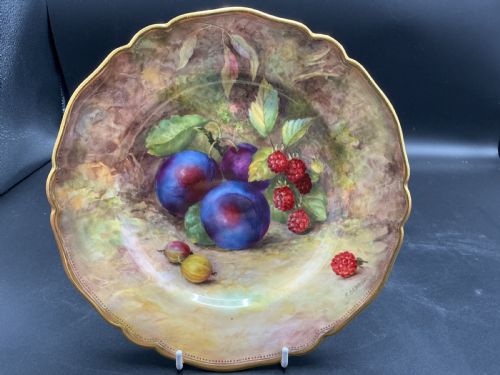
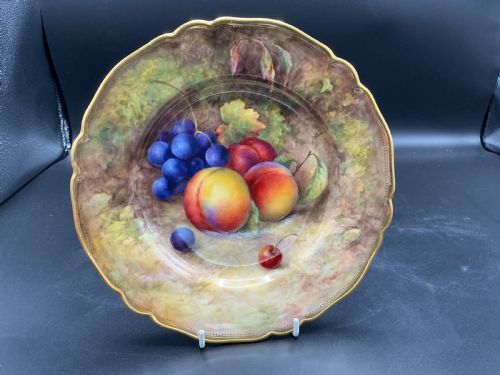
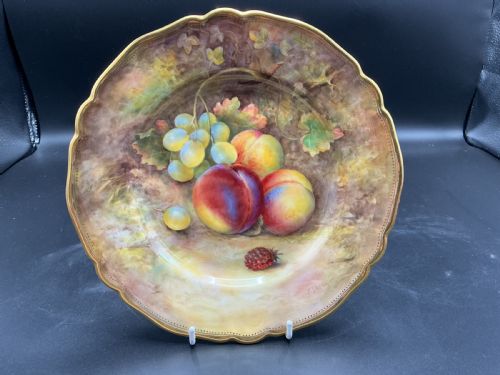
Antique China Display Plate
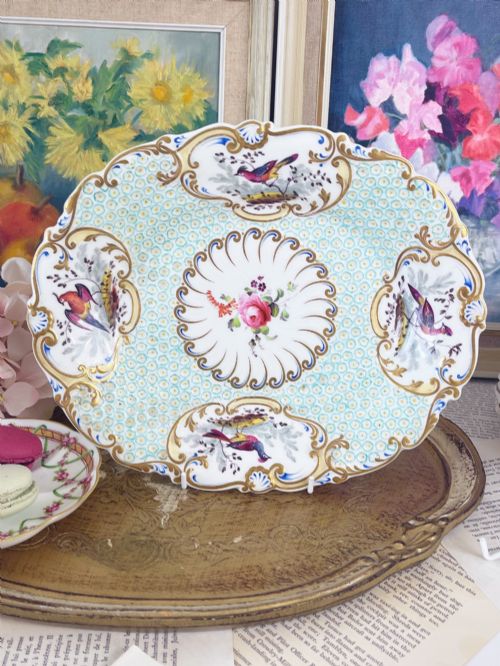
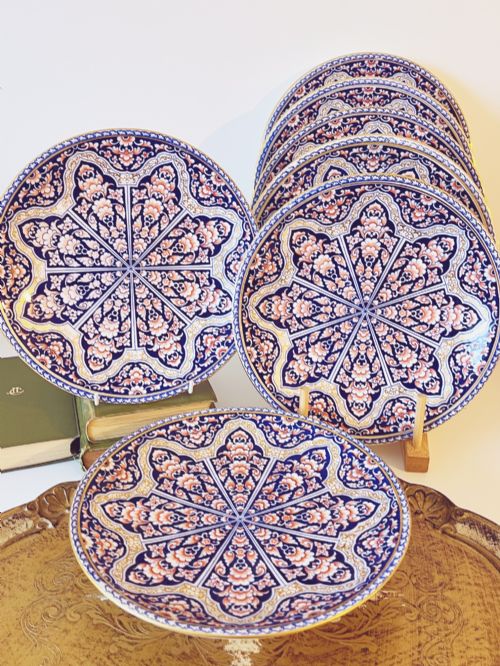
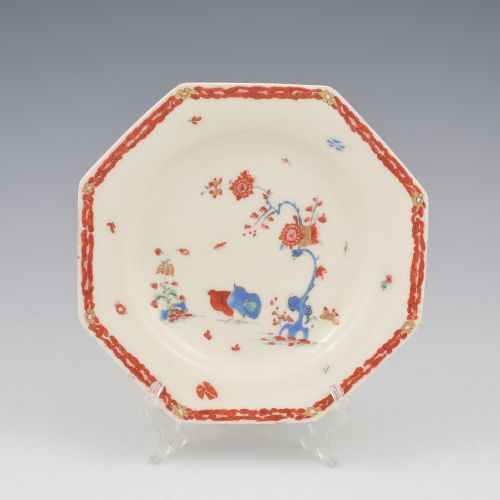
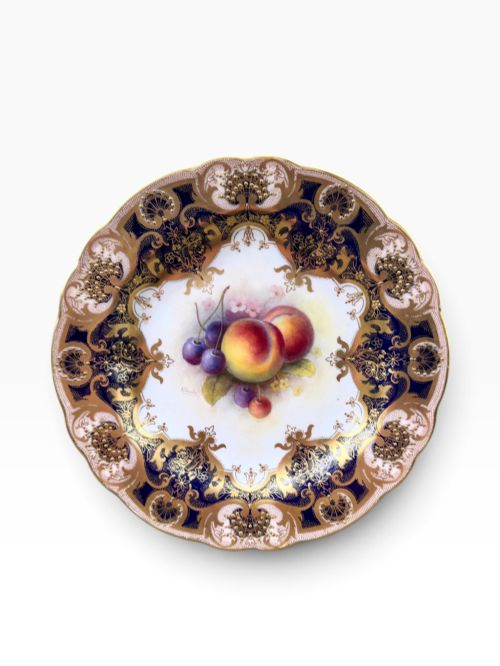
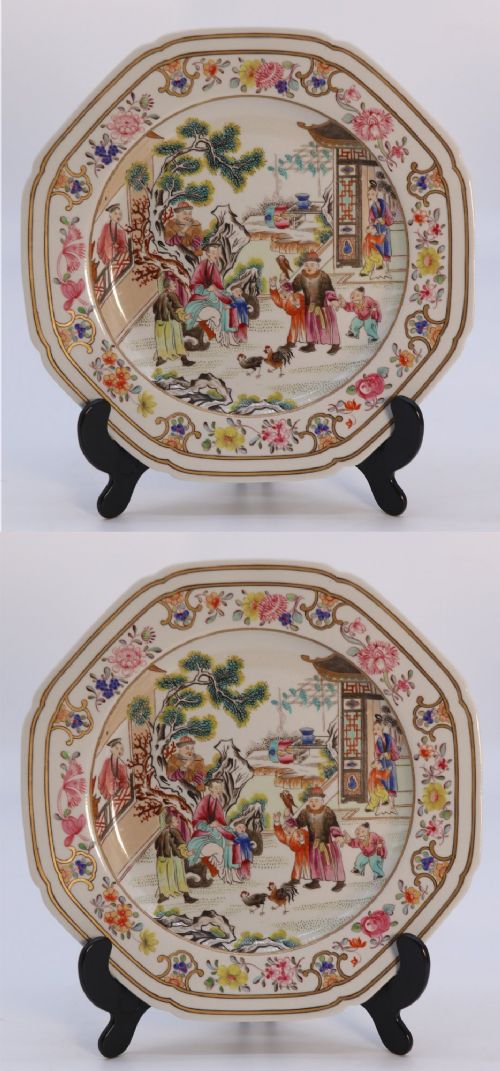
An antique china display plate brings painted birds, botanical studies and rich Imari palettes straight to a wall or cabinet.
Antique China Display Plate
When you search for an antique china display plate, you encounter decorative cabinet pieces, dessert services and chargers intended primarily for viewing rather than dining. These items range from eighteenth-century porcelain and bone china to nineteenth-century ironstone and stone china.
How they were made
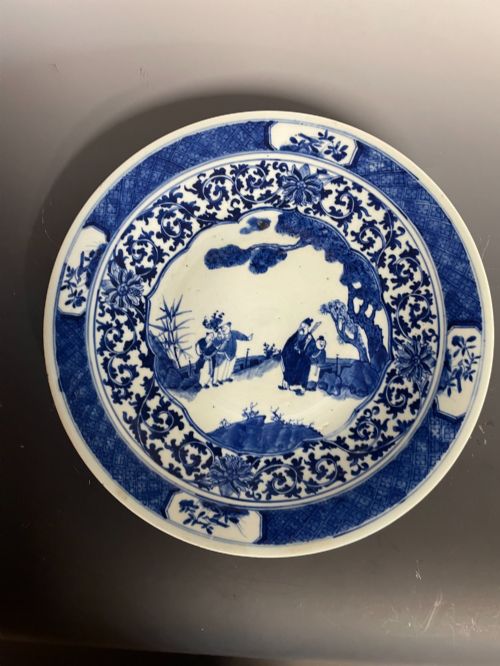
Potters shaped porcelain, bone china, ironstone and stone china bodies before applying handpainted enamels and gilding. Techniques included underglaze blue painting and intricate overglaze polychrome decoration by specialist artists.
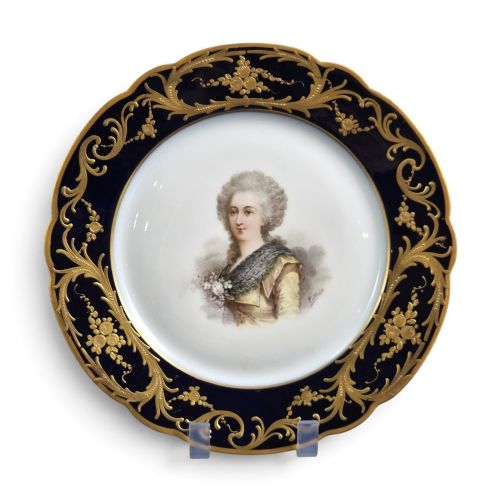
Many ceramic surfaces received rich highlights in gold leaf, gilt and enamel, fixed through repeated kiln firings to secure the pigments and metallic lustre.
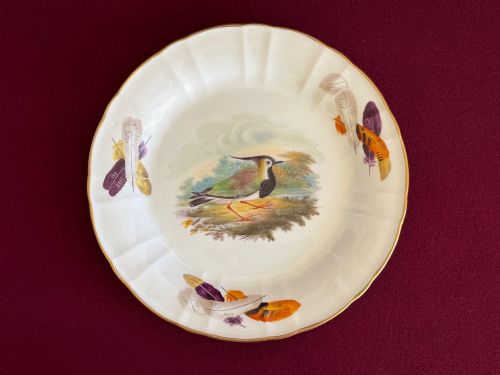
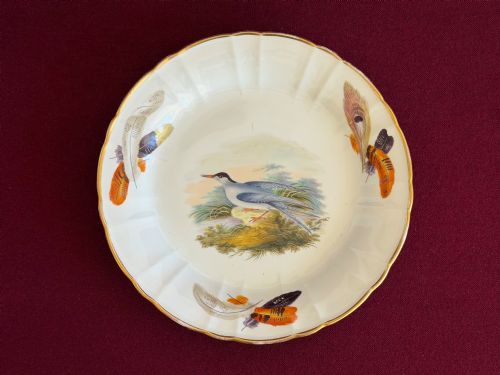
Several plates record feathered creatures with serious expressions, as if posing for formal Victorian portraiture.
What varies in quality
The distinction between standard factory output and the finest specimens lies in the execution of the handpainting and the prestige of the decorating artist. Signed botanical, fruit or bird studies by notable painters command greater attention than simple transfer-printed designs.
The crispness of the porcelain body, the complexity of the Imari or armorial palette and the preservation of the gilding also define the upper tier of these pieces.
Royal Worcester·Royal Crown Derby·Wedgwood·Spode·Coalport·Minton·Royal Doulton
The Antique China Display Plate Glossary
- Bone china
- A type of soft-paste ceramic containing bone ash, developed in England to create a durable, milky-white body.
- Imari palette
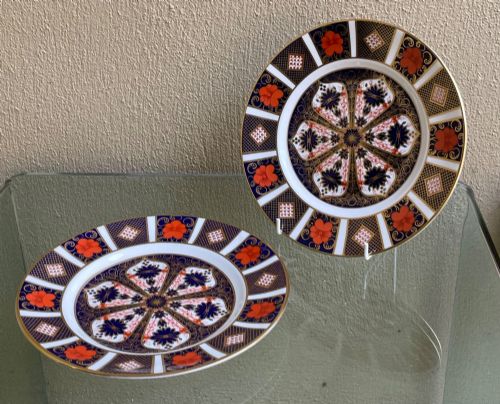
- A decorative colour scheme featuring rich cobalt blue, iron red and gilt, inspired by Japanese export ceramics.
- Cabinet plate
- A ceramic dish produced specifically for display in a cabinet or on a wall rather than for table service.
- Ironstone china
- A heavy, durable earthenware patented in the nineteenth century as a robust alternative to porcelain.
- Armorial plate
- A ceramic dish painted with a family crest, coat of arms or heraldic insignia.
Antique China Display Plate: Frequently Asked Questions
How were display plates used?
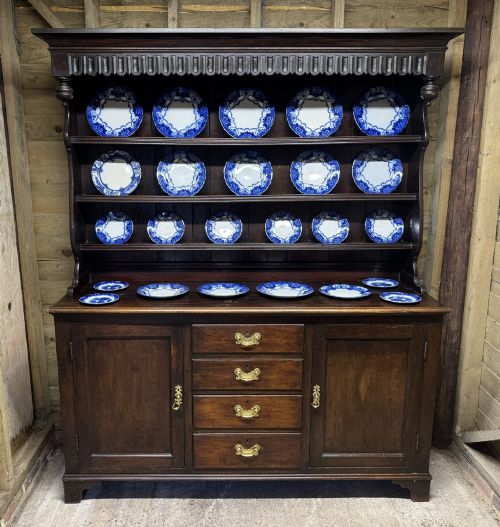
Display plates served as decorative elements in formal dining rooms and drawing rooms, often arranged on dressers, shelves or wall brackets. Wealthy households showcased matched dessert services or individual armorial plates to demonstrate taste and lineage.
Unlike everyday tableware, these items remained protected from active use to preserve delicate enamels and gilding. Their primary purpose was visual enjoyment and social display within the home.
How do I hang a display plate?
Secure mounting requires coated spring wire hangers or padded brass clips that grip the rim without scratching the ceramic body. Wall placement should avoid direct sunlight and damp environments to protect the painted enamels.
Alternatively, many collectors utilise small mahogany or wooden plate stands to display pieces on mantelpieces, sideboards and within glass-fronted cabinets.
How do I date an antique plate?
Dating relies on factory backstamps, impressed ceramic marks, painter signatures and stylistic evidence such as aesthetic or regency motifs. Manufacturers like Royal Worcester and Royal Crown Derby utilised specific coded symbols or date dots stamped into the paste.
Comparing the paste weight, glaze texture and palette against documented pieces helps confirm the manufacturing era. Archival records often verify the active dates of named artists and specific factory commissions.
What is the difference between porcelain and ironstone?
Porcelain is a vitrified, translucent ceramic fired at high temperatures to achieve a fine, glass-like body. Bone china includes bone ash for a warm, milky translucence suited to delicate handpainting.
Ironstone is a dense, opaque earthenware developed for strength and heavy utility. While ironstone offers greater durability, porcelain provides the refined surface required for detailed portraiture and botanical art.