
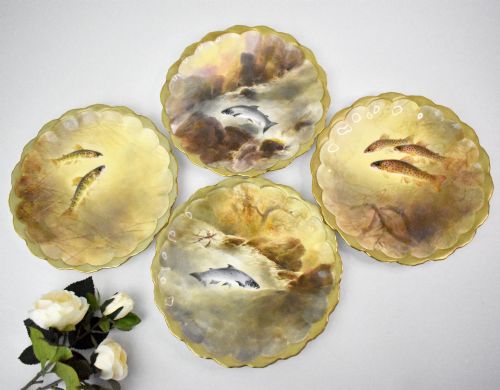


Gold Rimmed Display Plate
These gold rimmed display plate selections offer exquisite hand-painted porcelain artistry designed to grace cabinets and walls with historic elegance.
Gold Rimmed Display Plate
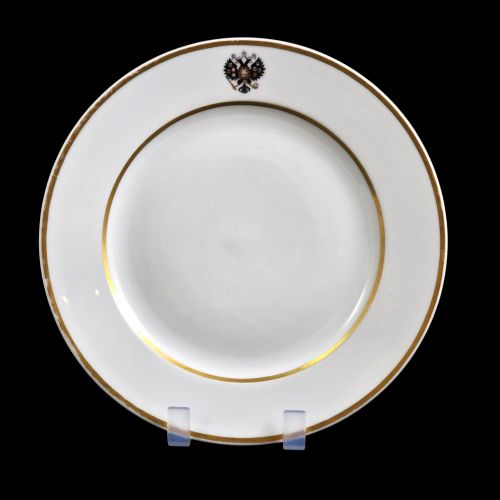
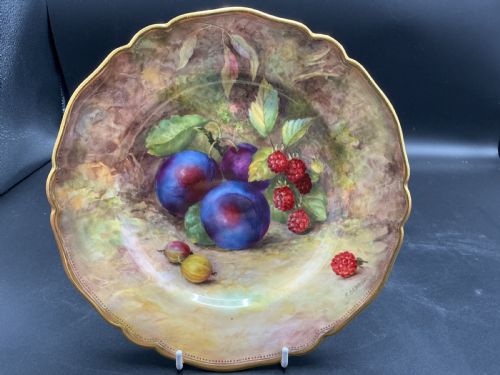
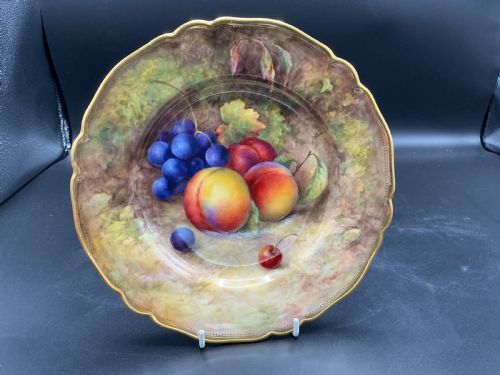
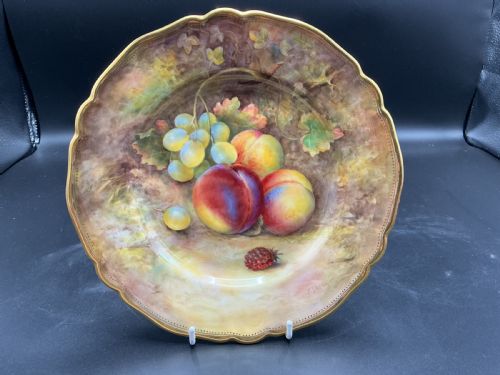
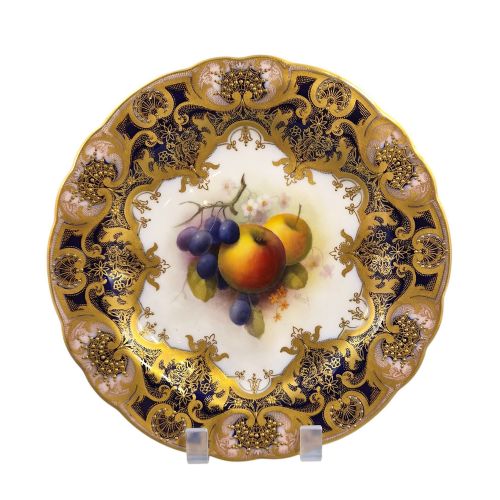
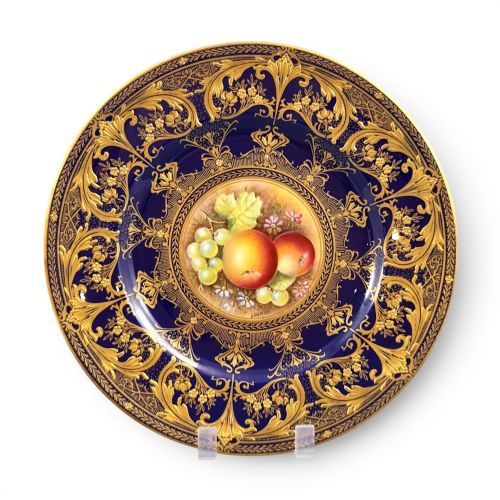
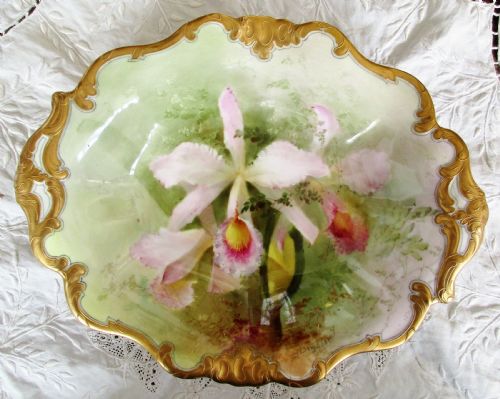
A gold rimmed display plate serves as a decorative showpiece rather than functional tableware, often designated as a cabinet plate or wall charger. You will frequently encounter mid-twentieth-century pieces and Victorian examples featuring hand-painted botanical or figurative subjects.
The selections span cabinet dishes, dessert service items, and large decorative plates originating from eminent English potteries. These porcelain objects bring traditional British craftsmanship directly into modern display settings.
The forms range from rope edge dinner plates to specialist exhibition pieces created for international showcases. Each item provides a tangible link to traditional ceramic artistry from the nineteenth and twentieth centuries.
Materials and Techniques
Potters utilised fine porcelain and bone china as the primary canvas, applying intricate hand-painted enamel scenes before finishing the borders with gold leaf or gilding. This combination required multiple kiln firings to fuse the metallic lustre permanently to the ceramic body.
Master artists executed detailed botanical studies, fruit compositions, and courtly scenes directly onto the glazed surface by hand. The addition of gilt enamel and gold gilding created a distinct visual contrast against the white ceramic grounds.
The listings span from the nineteenth century through the 1960s, featuring porcelain, bone china, and gold leaf.
Evaluating Quality
The distinction between standard production and exceptional work rests entirely on the skill of the designated artist and the complexity of the painted subject matter. Signed works by recognised factory painters command greater attention than unsigned factory output.
The application of the gold rim or gilding demonstrates the precision of the workshop, with heavier burnished gold leaf indicating superior execution. Furthermore, the intricacy of the central painted motif determines the overall artistic merit of the piece.
Royal Worcester·Royal Doulton·John Ridgway·Coalport·Bloor Derby
The Gold Rimmed Display Plate Glossary
- Cabinet plate
- A decorative ceramic plate intended for display in a cabinet rather than for dining use. These items usually feature elaborate painted scenes and gilt borders.
- Bone china
- A type of soft-paste porcelain containing bone ash, known for high strength, chip resistance, and a brilliant translucent white body. English potteries developed this composition to achieve refined thinness.
- Gilding
- The decorative application of gold leaf or gold powder to the surface of porcelain. This technique defines the characteristic metallic edge seen on display plates.
- Enamel
- Opaque or translucent vitreous composition applied to ceramic surfaces for decoration. It is fired at high temperatures to achieve a permanent, glossy finish.
- Wall charger
- A large decorative plate or dish designed specifically to be hung on a wall. They provide a broader canvas for elaborate painted landscapes or botanical studies.
Gold Rimmed Display Plate: Frequently Asked Questions
How were cabinet plates displayed historically?
Cabinet plates were typically housed within glass-fronted display cabinets or mounted directly onto walls using specialist wire hangers.
This method protected the delicate hand-painted surfaces and rich gilding from dust and handling during the Victorian and Edwardian eras.
Can these display plates be used for food?
These pieces are intended purely for decorative display rather than culinary service. The presence of delicate gold leaf, enamel work, and historic porcelain bodies makes them unsuited for modern dining.
Using them as tableware risks damaging the historic painted compositions and the metallic rims.
How do I identify a Victorian piece?
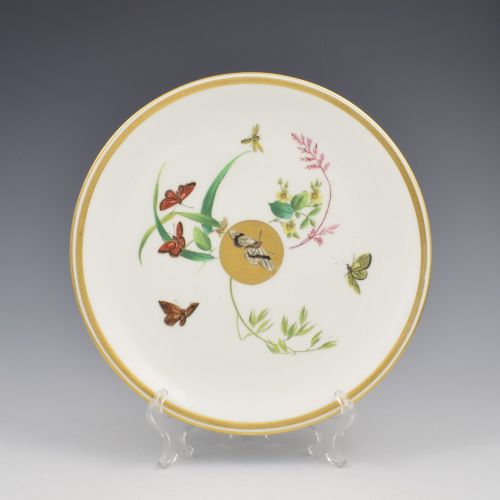
Victorian examples often exhibit characteristic aesthetic styles, including Japanese-influenced motifs, deep cobalt grounds, and rich gilding. The ceramic bodies and backstamps generally reflect nineteenth-century manufacturing methods.
Examining the style of painting and the specific type of porcelain body helps separate these earlier items from mid-twentieth-century productions.
What does signed artist work mean?
Signed work indicates that a master decorator from the pottery signed their specific painted composition onto the front or reverse of the ceramic. Artists such as Albert Shuck and David Dewsberry are recorded on these pieces.
This direct attribution distinguishes individual artistic creations from standard factory-line production.