


Antique Cabinet Plate Signed
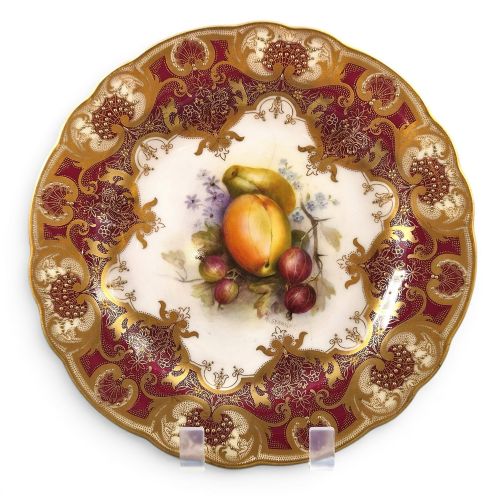
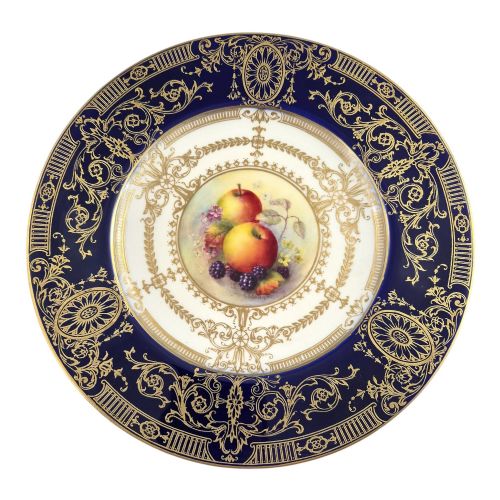
An antique cabinet plate signed by the artist brings hand-painted fruit, classical figures and landscapes directly into your display.
Antique Cabinet Plate Signed
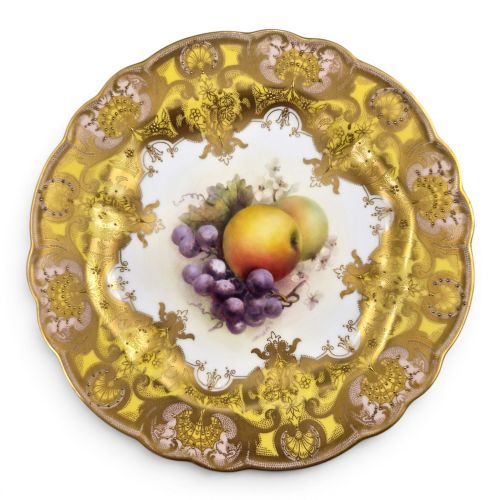
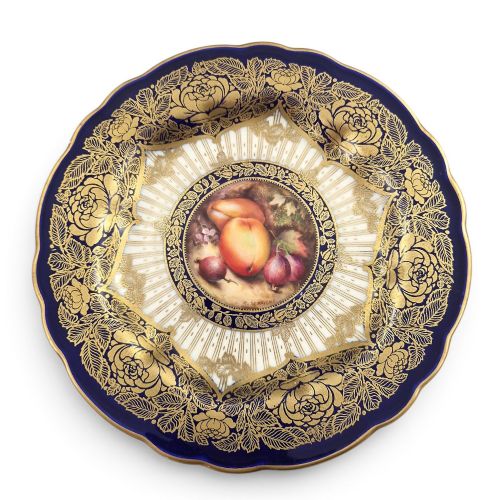
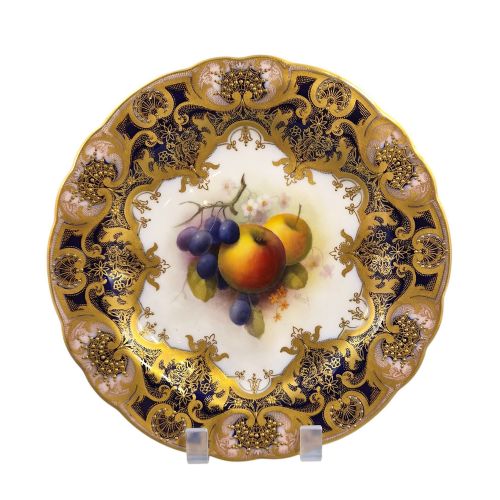
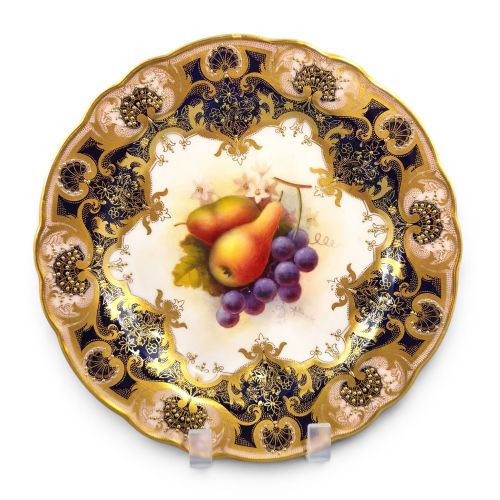
When you search for an antique cabinet plate signed, you look at decorative porcelain and bone china created purely for display rather than dining. These pieces feature hand-painted scenes by named artists, often showcasing detailed fruit, portraits, or landscapes.
The versions you meet most frequently on this page originate from English factories such as Royal Worcester and Royal Crown Derby, alongside continental houses like Royal Vienna. They span from the nineteenth century through the Edwardian era into the mid-twentieth century, capturing shifting decorative tastes.
Forms range from standard round cabinet plates to rope edge plates and decorative plaques. Each piece serves as a canvas where factory painters demonstrated their individual skill beyond standard production lines.
Materials and methods
Potters formed these items from porcelain, bone china, and pottery bodies before applying white or tinted glazes. Base ceramic production required precise kiln firing to create a stable, smooth surface suitable for detailed miniature painting.
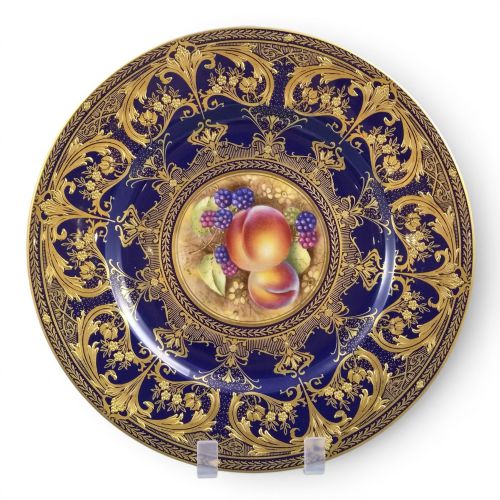
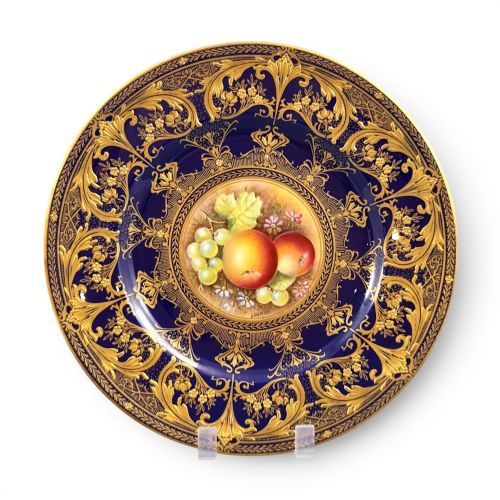
Artists then applied enamel colours by hand, often firing the piece multiple times to fix delicate pigments. Rich gilding, gold leaf, and gold leaf glaze frames completed the decoration, adding heavy metallic contrast to the painted centre.
Listings span from nineteenth-century Copeland pottery plaques to mid-twentieth-century Royal Worcester fruit plates.
Judging the work
Quality rests primarily on the skill of the painter whose signature appears on the front or reverse. Master artists achieved remarkable realism in fruit clusters, foliage, and facial expressions, elevating standard factory output into fine art.
The density and richness of the surrounding cobalt blue grounds and applied gold leaf also separate ordinary wares from exceptional pieces. Heavier gilding and intricate raised scrollwork indicate greater time and expenditure during production.
Royal Worcester·Royal Vienna·Royal Doulton·Copeland Pottery·Royal Crown Derby
The Antique Cabinet Plate Signed Glossary
- Cabinet plate
- A decorative ceramic plate made for display in a cabinet rather than for table use. These items usually feature intricate hand-painted artwork and lavish gilding.
- Gilding
- The application of gold leaf or gold paint to ceramic surfaces. This technique frames the central painted scene with metallic lustre.
- Enamel
- Vitreous coloured glass fused to the ceramic body during firing. Enamel paints provide the vibrant, permanent hues seen in floral and figural subjects.
- Rope edge
- A moulded border pattern resembling a twisted rope. This specific edge treatment often appears on English fruit-painted plates.
- Porcelain
- A hard, white, translucent ceramic material fired at high temperatures. It forms the smooth, refined base required for detailed miniature painting.
Antique Cabinet Plate Signed: Frequently Asked Questions
How were cabinet plates displayed?
Cabinet plates were traditionally housed behind glass in drawing room cabinets or mounted on walls using specialised hangers. This kept the delicate painted surfaces and gold leaf safe from dust and accidental damage.
Unlike everyday tableware, these items remained out of reach during meals. Their sole purpose was visual enjoyment in formal rooms.
Are signed plates by master painters?
Signed plates usually indicate work by a named factory artist rather than an independent studio. Factories employed skilled painters who specialised in specific subjects like fruit, flowers, or figures.
Signatures often appear discreetly near the edge of the painted scene. Finding a signature adds significant interest to the piece.
What subjects appear on these plates?
Common subjects include detailed studies of autumn fruit, botanical floral arrangements, and classical figural scenes. Landscapes and topographical views also feature on larger decorative plaques.
Artists drew inspiration from nature and classical art, translating fine oil painting techniques onto ceramic surfaces.
How do I identify the date?
Dating relies on factory backstamps printed or impressed on the underside of the ceramic body. Many English potteries used complex systems of dots, letters, or symbols to record the exact year of manufacture.
Style also offers clues, shifting from nineteenth-century Neoclassical revival towards Edwardian elegance and later Art Deco designs.