




Hand Painted Decorative Plate
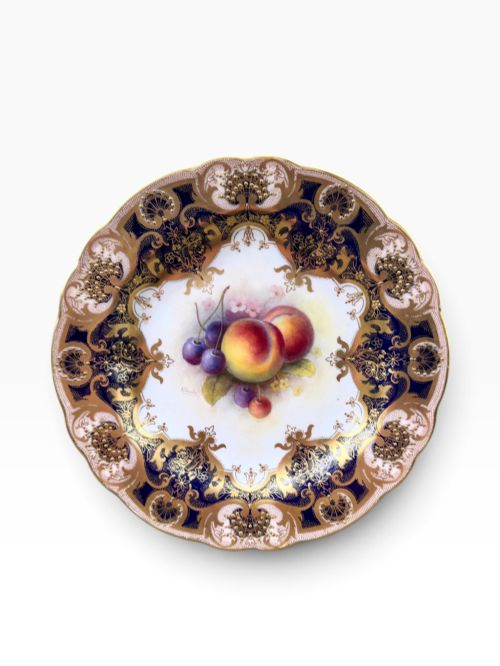
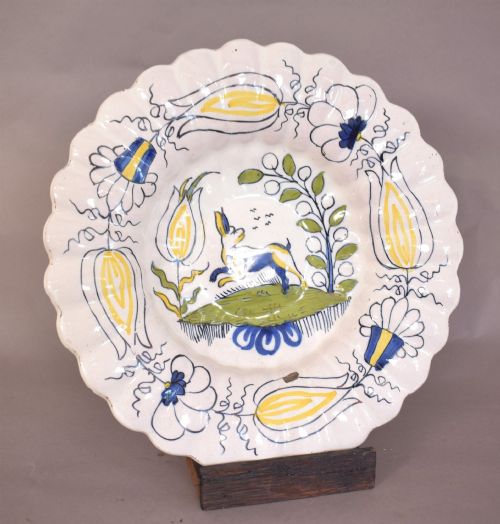
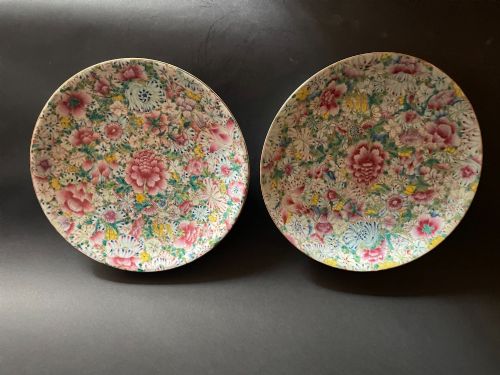
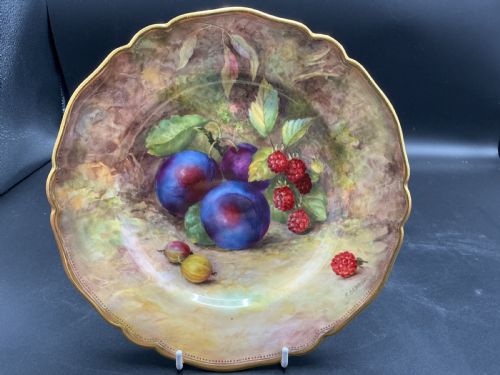
A hand painted decorative plate brings pigment and glaze together on porcelain, earthenware, or pottery for display rather than the dining table.
Hand Painted Decorative Plate
A hand painted decorative plate encompasses cabinet plates, large chargers, and decorative plaques originating from the eighteenth century onwards through the Victorian, Edwardian, and Art Deco periods.
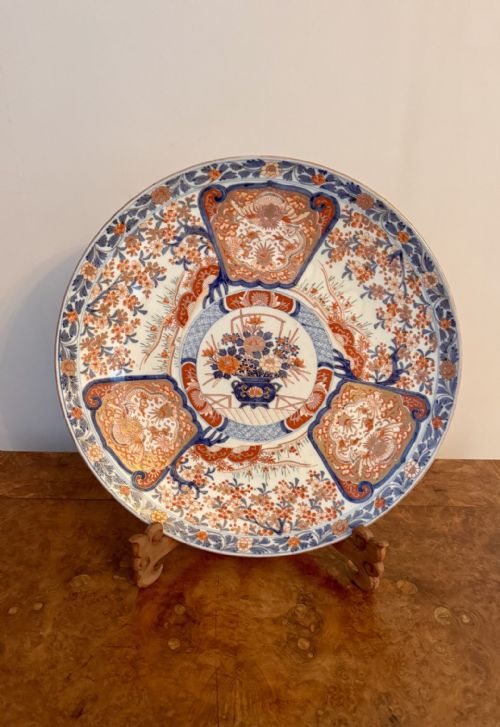
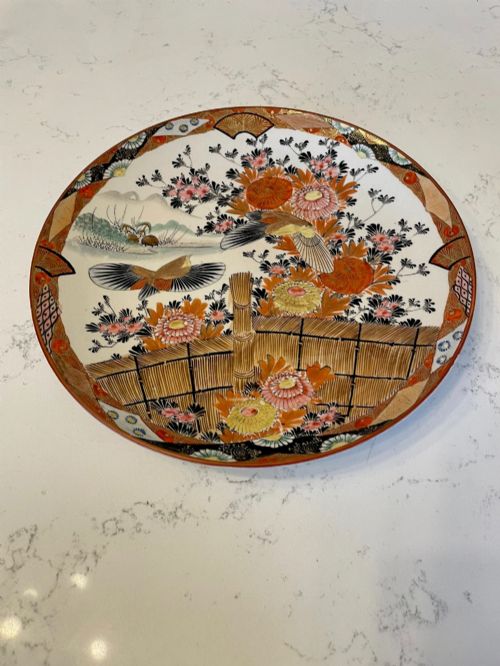
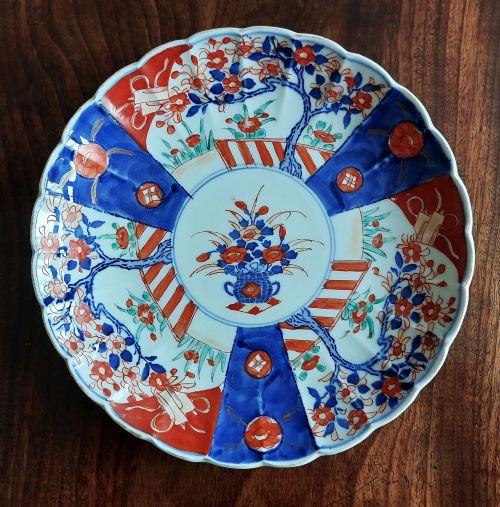
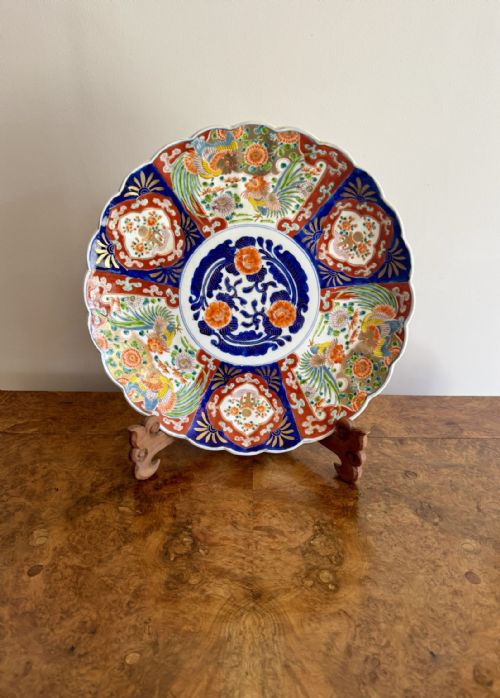
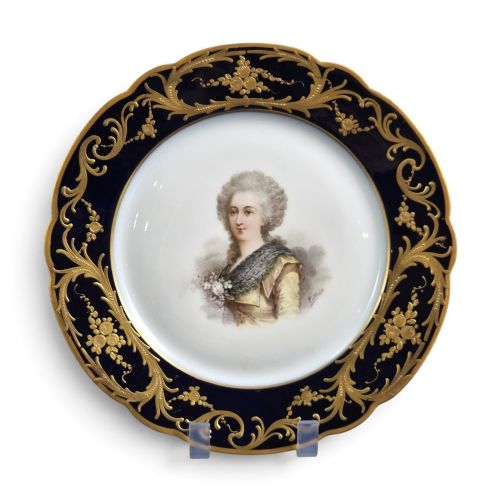
Buyers will encounter English bone china and porcelain alongside French Sèvres-style works, Dutch and Continental delft chargers, and Japanese Imari wares from the Meiji era.
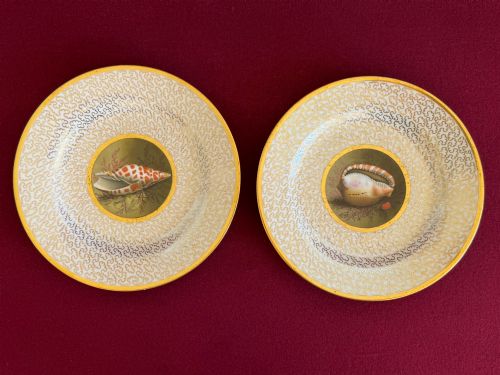
Forms vary from standard dessert plates to large scalloped dishes and shell-shaped plates intended to hang on walls or rest on plate stands in a cabinet.
Materials and methods behind the brushwork
Potters shaped ceramic, porcelain, bone china, ironstone, and earthenware bodies before applying white or tinted glazes as a smooth foundation.
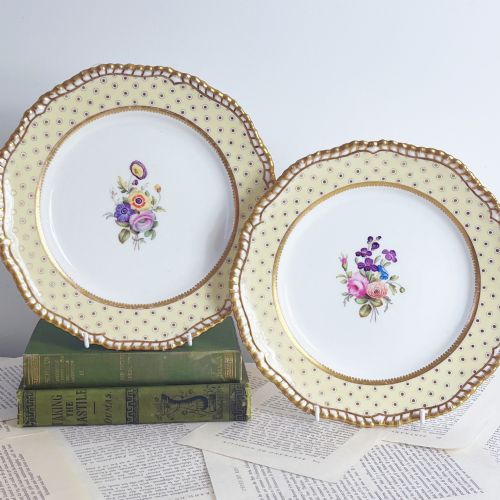
Artists then painted motifs by hand utilising enamel colours, gold leaf, gilt, and gilding, often fixing the decoration through subsequent kiln firings.
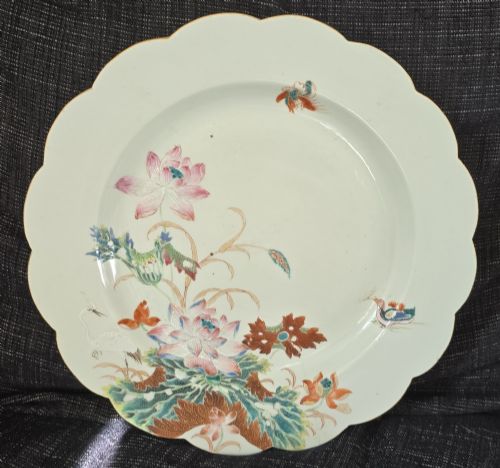
Several plates depict elaborate orchids and common terns, proving that nineteenth-century bird watchers demanded as much realism on china as on paper.
Distinguishing quality across painted ceramics
Quality rests upon the skill of the brushwork, evident in the precision of portraiture, botanical detail, or traditional Japanese Imari patterns.
The purity of the porcelain body, the depth of the glaze, and the richness of the applied gold leaf separate standard domestic items from exhibition cabinet pieces.
Royal Worcester·Royal Crown Derby·Royal Doulton·Spode·Wedgwood·Minton
The Hand Painted Decorative Plate Glossary
- Cabinet plate
- A fine ceramic piece made primarily for display in a cabinet rather than for daily dining use.
- Charger
- A large decorative plate traditionally set beneath other courses or hung independently on a wall.
- Faience
- Tin-glazed earthenware produced across continental Europe, often decorated with blue and white designs.
- Imari
- A traditional Japanese style of porcelain featuring dense iron-red, cobalt blue, and gilt ornamentation.
- Soft-paste
- An early type of porcelain composed of clay and glass materials, fired at lower temperatures than hard-paste porcelain.
Hand Painted Decorative Plate: Frequently Asked Questions
How were decorative plates displayed historically?
Plates of this scale were typically arranged on sideboard shelves, housed within glazed display cabinets, or mounted directly onto walls using specialised wire hangers.
Larger chargers often sat centrally on dining tables or buffets when not in active use during formal meals.
Are these plates suitable for serving food?
Most pieces intended for display feature delicate enamels, low-fired gilding, or soft glazes that can wear away or absorb moisture from food.
Historic cabinet plates are best preserved as decorative objects rather than utilised for everyday dining.
How do I identify the period of a painted plate?
Makers marks stamped or painted on the reverse provide the most direct indicator of date and origin, often corresponding to specific kiln years.
Stylistic clues such as Aesthetic Period motifs, Victorian colour palettes, or Art Deco geometry also help determine the era of manufacture.
What is the difference between porcelain and earthenware?
Porcelain is fired at higher temperatures to create a dense, vitrified body that rings when struck and appears translucent under strong light.
Earthenware and faience are fired at lower temperatures, resulting in an opaque, more porous ceramic body with a softer glaze surface.