


Porcelain Fruit Wall Display
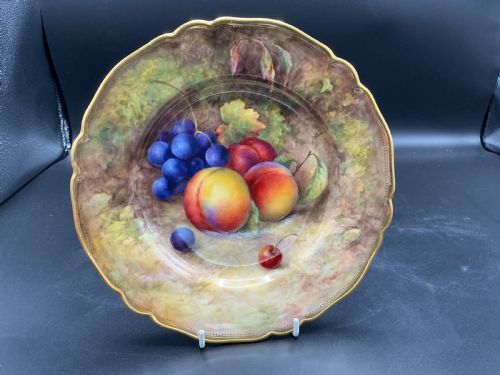
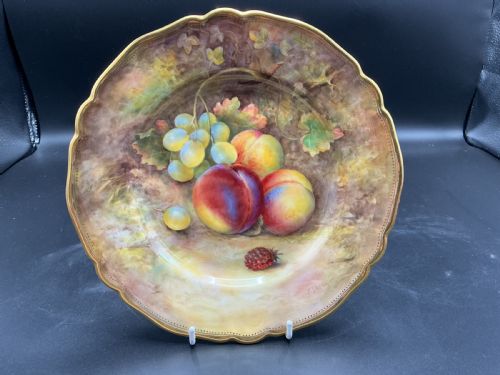
These porcelain fruit wall display pieces bring hand-painted botanicals and rich gilding straight to your dining room or drawing-room wall.
Porcelain Fruit Wall Display
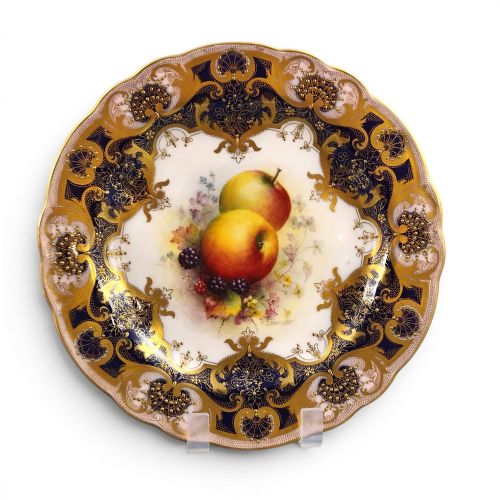
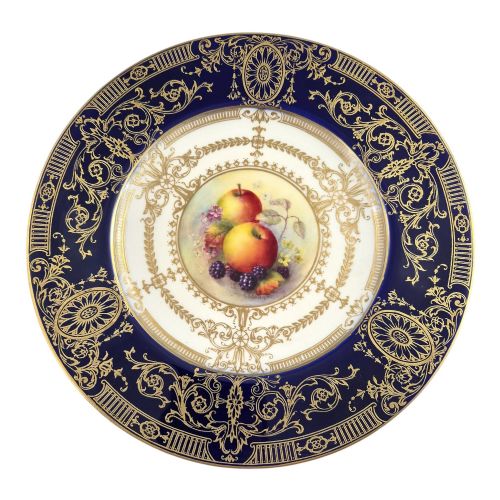
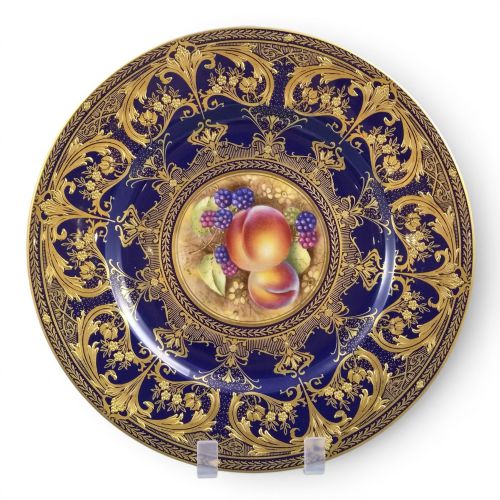
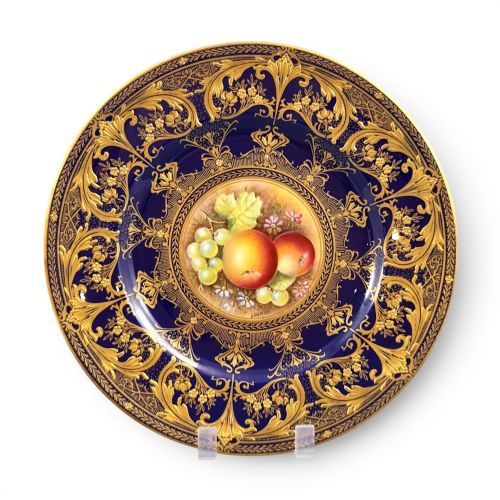
When you search for porcelain fruit wall display, you are looking at decorative plates, cabinet plates, and dessert service elements designed to be hung or mounted.
The selections here span periods from the Georgian era and Victorian times through to the 1930s and 1960s, showing how makers adapted floral and botanical subjects for interiors.
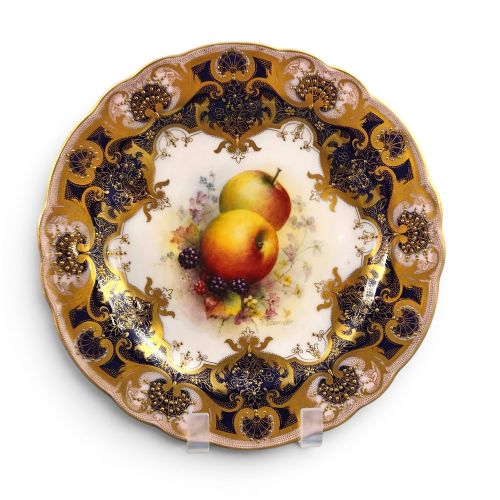
You will encounter individual cabinet plates alongside larger dessert services, often featuring hand-painted studies of fruit set against gilt-enriched borders.
Materials and construction
These items utilise fine porcelain and bone china as the primary ceramic body, providing a smooth, white ground for detailed brushwork.
Artists applied enamel paint by hand, frequently incorporating gold leaf and gilding to highlight the rims and borders.
Richard Sebright signed his painted fruit plates so convincingly you might find yourself reaching for a napkin.
Assessing quality
Quality rests upon the skill of the artist and the crispness of the hand-painted fruit studies, where named hand painters command greater interest.
The application of gold leaf and the intricacy of moulded or rope edges also distinguish standard production pieces from the finest studio work.
Royal Crown Derby·Royal Worcester·Copeland
The Porcelain Fruit Wall Display Glossary
- Cabinet plate
- A highly decorative plate intended for display in a cabinet or on a wall rather than for daily dining.
- Comport
- A raised dish or bowl used traditionally as the centrepiece of a dessert service.
- Dessert service
- A matching set of plates and comports designed specifically for serving the final course of a formal meal.
- Gilding
- The application of gold leaf or gold powder to the ceramic surface to create metallic decorative accents.
Porcelain Fruit Wall Display: Frequently Asked Questions
How do I hang a porcelain plate safely?
Use a specialised, coated spring hanger that grips the rim securely without scratching the glaze or the gilt enamel work.
Ensure your wall fixing is anchored into solid brick or utilises a proper wall plug to support the weight safely.
Were these plates originally meant for walls?
Most began life as dessert service components or cabinet plates meant for display on furniture or sideboards rather than architectural mounting.
Collectors later adapted them for wall hanging to better showcase the painted fruit studies.
How do I date a piece of porcelain?
Look for impressed factory ciphers, painted pattern numbers, or specific date codes marked on the underside of the ceramic base.
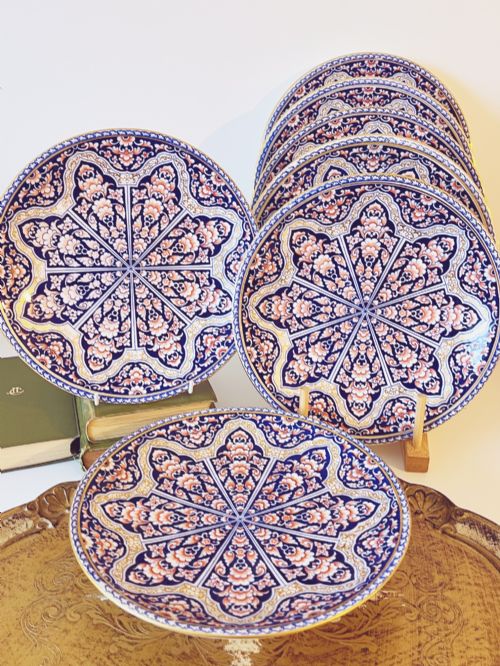
Stylistic cues such as Victorian Imari patterns or 1930s artist signatures also help narrow down the period of manufacture.