



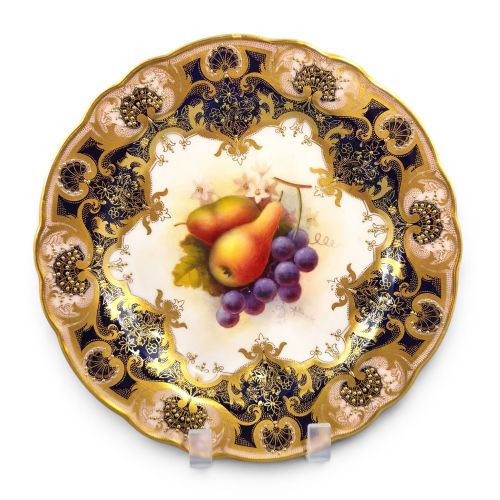
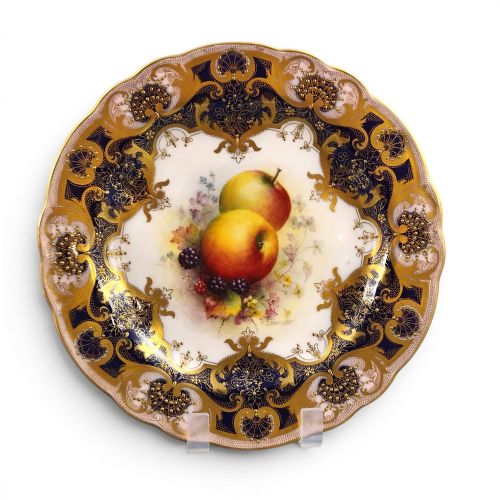
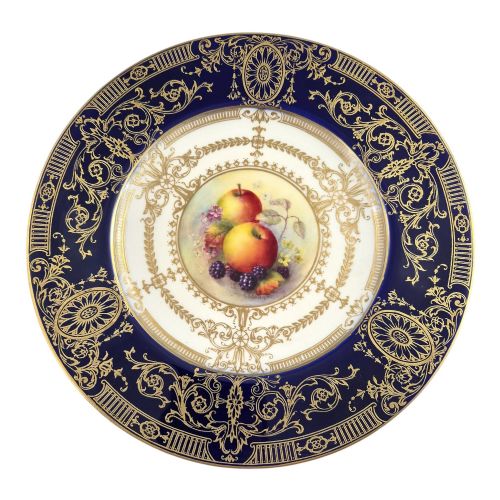
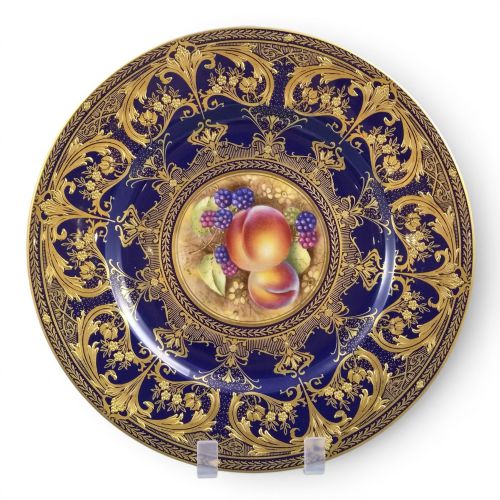
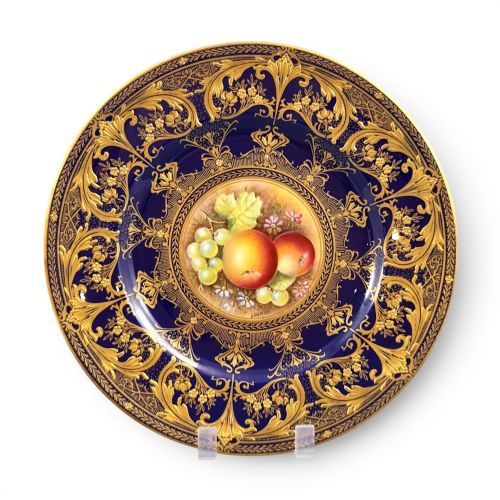
Vintage Decorative Porcelain Dish
A vintage decorative porcelain dish brings hand-painted colour and intricate pattern to a wall, cabinet, or table.
Vintage Decorative Porcelain Dish
A vintage decorative porcelain dish encompasses a wide variety of plates, bowls, chargers, and baskets designed primarily for display rather than dining. The pieces span from the eighteenth century through the Victorian era and into the twentieth century, originating from English factories and Japanese kilns alike.
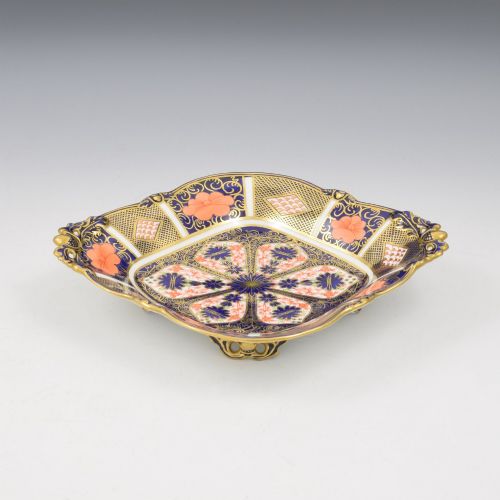
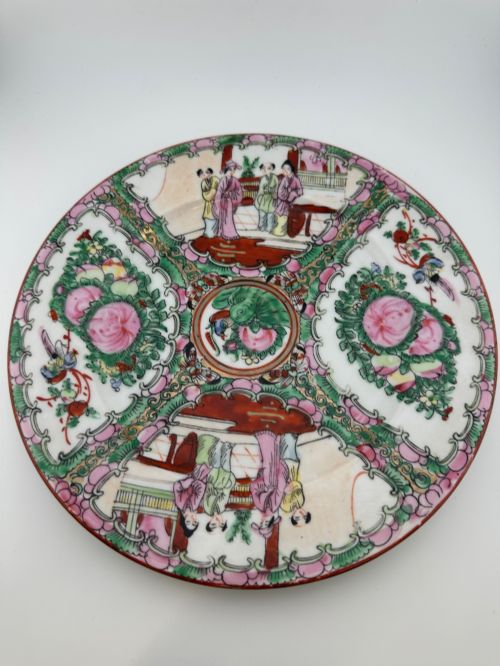
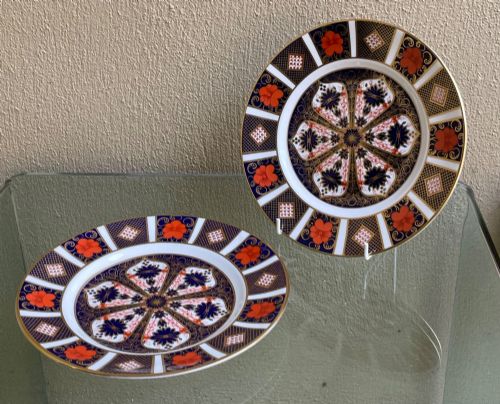
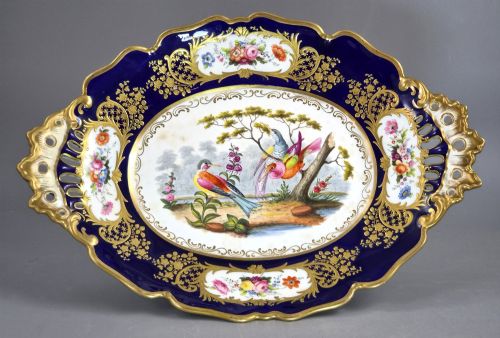
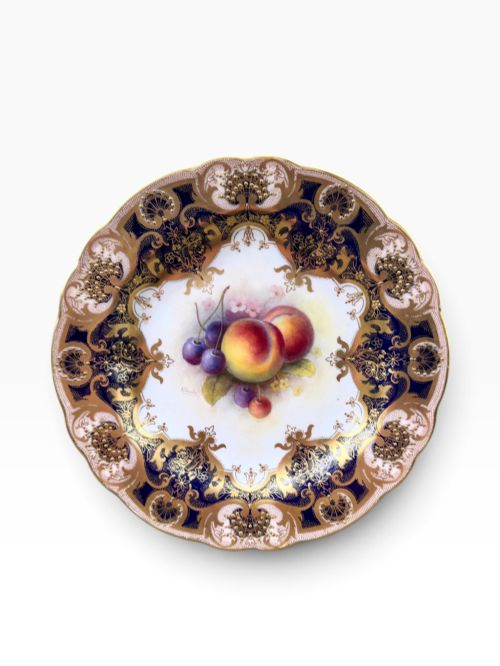
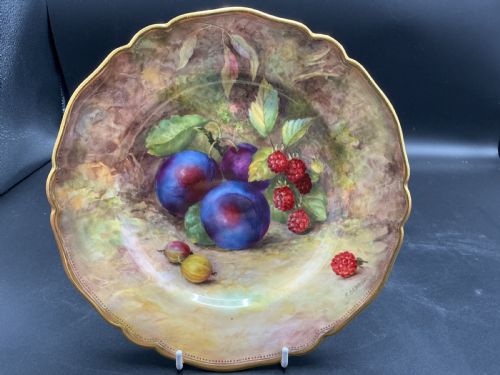
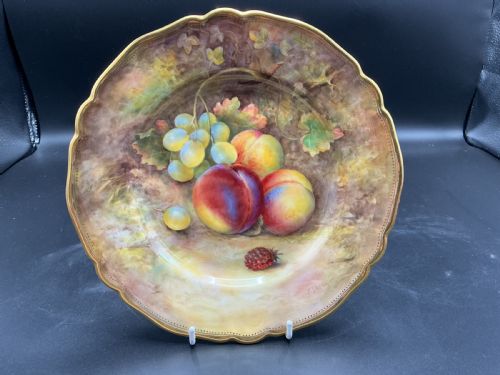
English works often feature cabinet plates and fruit studies by known artists, alongside bone china baskets and transfer-printed or hand-painted earthenware. Japanese examples frequently take the form of Imari chargers, Kutani platters, and Arita shell dishes decorated with rich iron-red, cobalt blue, and gold leaf.
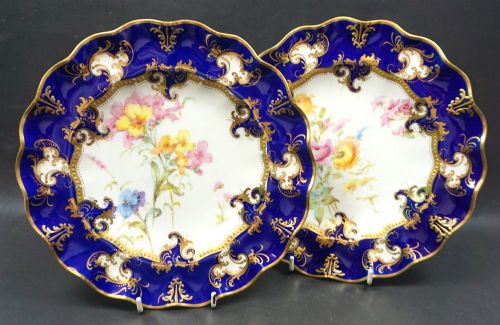
Scallop edges, square shapes, and pierced serving trays appear across the selection, providing diverse silhouettes for interior decoration. Buyers encounter everything from early Delft chargers to Edwardian ironstone and Art Deco ceramics.
Materials and Techniques
The foundation rests on hard-paste porcelain, bone china, and ceramic bodies shaped into plates, bowls, and baskets. Manufacturers applied fluid glazes to create smooth surfaces capable of holding intricate underglaze and overglaze pigments.
Decoration relied heavily on hand-painted enamel colours, cobalt blue pigments, and applied gold leaf or heavy gilding. Skilled hands painted botanical studies, exotic birds, and traditional Japanese motifs before firing the pieces in kilns to vitrify the design.
Art Deco, Art Nouveau, and Victorian styles appear alongside traditional Japanese Imari and Kutani patterns.
Assessing Quality
Quality rests upon the crispness of the hand-painted brushwork and the precision of the gilding applied across the porcelain surface. Master painters employed by major factories achieved finer detail in floral studies and figural scenes than jobbing decorators.
The weight, translucency, and purity of the porcelain or bone china body distinguish standard production from exceptional pieces. Form also plays a part, with moulded elements, scallop edges, and pierced detailing demanding greater skill from the potter.
Royal Crown Derby·Royal Worcester·Royal Doulton·Müller Volkstedt·Mason
The Vintage Decorative Porcelain Dish Glossary
- Cabinet plate
- A decorative plate intended for display in a cabinet or on a wall rather than for serving food. These often feature elaborate painted scenes by named artists.
- Charger
- A large decorative plate or platter used as a centrepiece or base setting. They frequently display dense patterns in cobalt blue and iron-red.
- Imari
- A style of Japanese porcelain decorated in underglaze blue, iron-red, and gold. English factories frequently copied these distinct patterns during the eighteenth and nineteenth centuries.
- Enamel
- Opaque glass-like pigments fused to the porcelain surface during firing. They provide the vibrant colours seen on painted cabinet plates.
- Gilding
- The application of gold leaf or gold paint to edges and motifs. Higher quality pieces utilise thick burnished gold that catches the light.
Vintage Decorative Porcelain Dish: Frequently Asked Questions
How do I hang a decorative dish on the wall?
Use a coated wire spring hanger that grips the rim securely without scratching the porcelain glaze. Ensure the wall fixings match the weight of larger chargers and heavy ceramic bowls.
Position the piece away from direct sunlight and heavy foot traffic to protect the enamel colours and delicate gilt edges from accidental impact.
What is the difference between a plate and a charger?
A charger is significantly larger than a standard dining or cabinet plate, originally designed to sit beneath smaller courses or serve as a standalone centrepiece. Their expansive surfaces allowed artists to paint complex figural scenes and detailed landscapes.
Smaller plates focus more on central floral arrangements or single bird studies, framed by decorated borders.
Can I use these dishes for serving food?
Most vintage decorative porcelain pieces are intended for display rather than culinary use, particularly those heavily decorated with gold leaf and overglaze enamels. Acidic foods and modern dishwashers can damage historical glazes and wear away delicate hand-painted details.
Stick to dry display, or use dedicated serving trays specifically designed for practical dining.
How should I clean antique porcelain?
Dust the surface gently with a soft, dry microfibre cloth to remove everyday particles without abrasion. Avoid harsh chemical cleaners and scrubbing brushes that scratch the glaze.
If washing is essential, use lukewarm water with a mild soap, support the base with both hands, and dry immediately with a lint-free towel.