




Rococo Revival Ceramic Plate
These rococo revival ceramic plate examples bring together swirling nineteenth-century asymmetry, hand-painted panels, and rich gilding for decorative display.
Rococo Revival Ceramic Plate
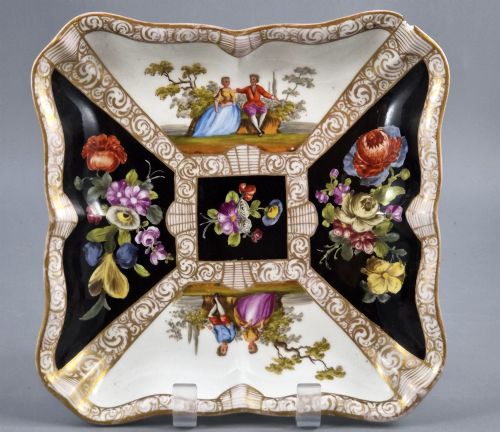
When you search for a rococo revival ceramic plate, you encounter nineteenth-century cabinet plates, square dishes, and dessert services created for display or formal dining. These pieces draw heavily on earlier eighteenth-century motifs, reinterpreting asymmetrical cartouches and scrolling borders for Victorian and continental interiors.
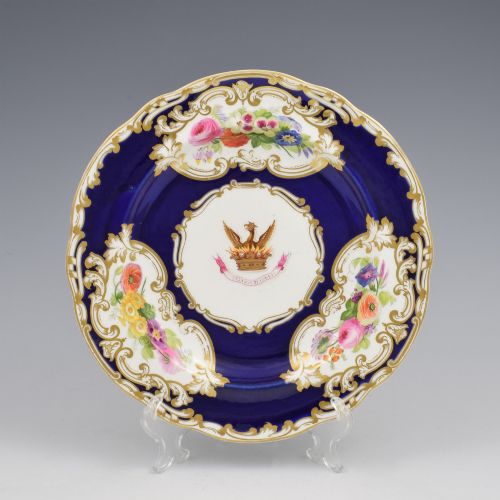
The versions most commonly met on this page include hard-paste porcelain plates and bone china dishes originating from English factories like Copeland and Royal Worcester, alongside continental works from Meissen and Sevres. Makers utilised hand-painted scenes, armorial crests, and gilt enrichment to satisfy a sustained nineteenth-century appetite for ornate tableware.
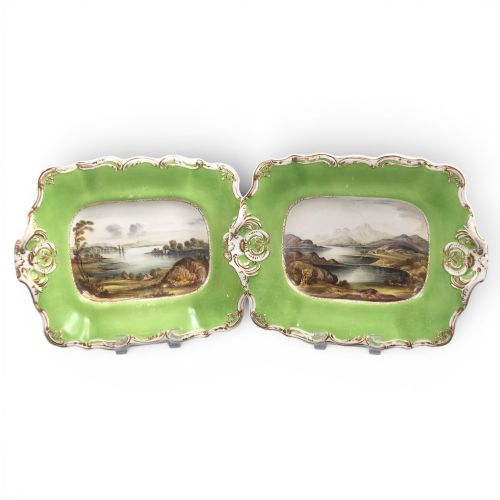
The forms range from individual cabinet pieces bearing Watteau-style scenes or Scottish views to part dessert services designed to coordinate a formal table. Each piece demonstrates the period's fascination with revived styles, merging functional ceramic forms with elaborate pictorial decoration.
How they were made
Makers shaped these wares using porcelain, bone china, and hard-paste porcelain before firing the ceramic body to a dense finish. Artisans then applied enamel paints by hand, depicting botanical studies, classical figures, or topographical views across the central well.
Gilding and gold leaf were applied to the raised scrolls and scalloped rims, often burnished to create contrast against painted black grounds or white porcelain bodies. Transfer printing occasionally assisted the layout before detailed hand-finishing completed the decoration.
Rococo Revival Ceramic Plate Retail Price Guide 2026
Typical asking prices for rococo revival ceramic plate among the pieces listed under this phrase on Sellingantiques today, from the lower quarter to the upper quarter. They describe what is for sale here now, not the wider market.
Some nineteenth-century diners admired birds of prey so intensely they commissioned porcelain plates featuring phoenixes consumed by flames.
What varies in quality
The skill of the hand-painted brushwork sets the finer cabinet plates apart from standard production wares, particularly in facial expressions and botanical detail. Controlled application of gold leaf and crisp moulding of the rococo scrolls indicate superior workshop standards.
The clarity of the enamel colours and the precision of the gilding against the porcelain body determine the visual impact of the piece. Well-preserved gilding without excessive rubbing preserves the intended brilliance of the nineteenth-century design.
Meissen·Copeland & Garrett·Copeland·John Ridgway·Helena Wolfsohn·Royal Worcester·Sevres
The Rococo Revival Ceramic Plate Glossary
- Hard-paste porcelain
- A dense, durable ceramic composed of kaolin and petuntse fired at high temperatures. This body forms the foundation for many continental plates.
- Bone china
- An English ceramic body incorporating bone ash for enhanced translucency and strength. It provides a smooth surface for detailed enamel painting.
- Cabinet plate
- A decorative ceramic dish intended for display in a cabinet or on a wall rather than for practical dining use. These pieces often feature elaborate painted scenes.
- Gilding
- The application of gold leaf or powdered gold to ceramic surfaces to highlight raised moulded details and rims. It adds rich contrast to the painted scenes.
- Armorial
- A ceramic design incorporating a family crest, coat of arms, or motto. These bespoke commissions identify the original noble or gentry patron.
Rococo Revival Ceramic Plate: Frequently Asked Questions
What is a rococo revival ceramic plate?
It is a nineteenth-century decorative dish that adopts the asymmetrical scrolls, C-scrolls, and naturalistic motifs of the eighteenth-century rococo movement.
These pieces were produced by major European and English potteries as cabinet items or components of large dessert services.
How were cabinet plates used?
Cabinet plates were primarily intended for display in parlours and drawing rooms rather than for serving food.
Their hand-painted scenes and gilt borders were meant to be admired up close on furniture or hung on walls.
How do I care for antique porcelain?
Wash these pieces gently by hand using mild detergent and lukewarm water, avoiding soaking or dishwashers.
Protect the fragile enamel and gold leaf from abrasive cloths and sudden temperature changes.
How can I tell English from continental pieces?
English makers like Copeland and Royal Worcester frequently utilised bone china and specific factory pattern numbers.
Continental factories such as Meissen and Sevres typically employed hard-paste porcelain and distinct underglaze blue or painted marks.