


Fine Porcelain Display Plate
These fine porcelain display plates bring hand-painted artistry and centuries of ceramic heritage straight to your walls and cabinets.
Fine Porcelain Display Plate
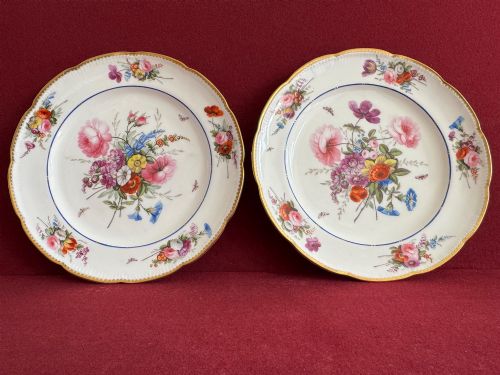
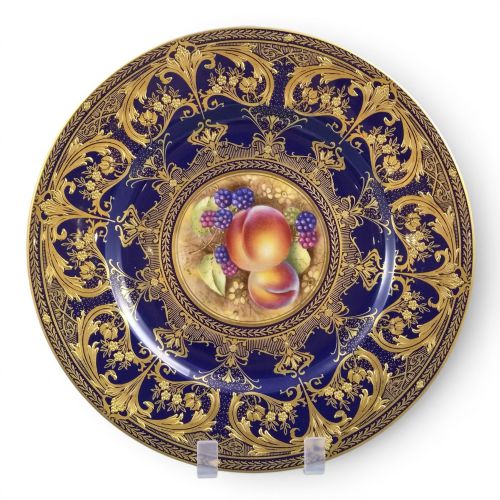
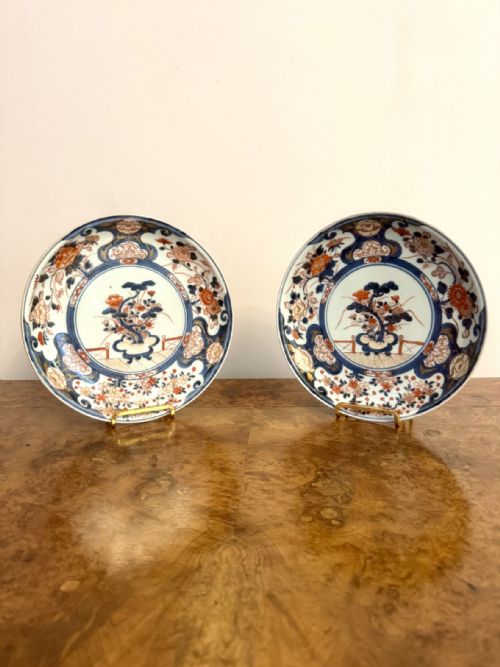
A fine porcelain display plate is a decorative ceramic piece intended for visual appreciation rather than daily dining use. When you search for this phrase, you encounter everything from English cabinet plates to large Chinese chargers and Japanese Imari wares.
The selections span significant historical periods, running from Georgian creations and Victorian armorial pieces through to twentieth-century factory productions. These items take diverse forms, including fan-shaped dishes, rope-edge platters, and grand presentation chargers.
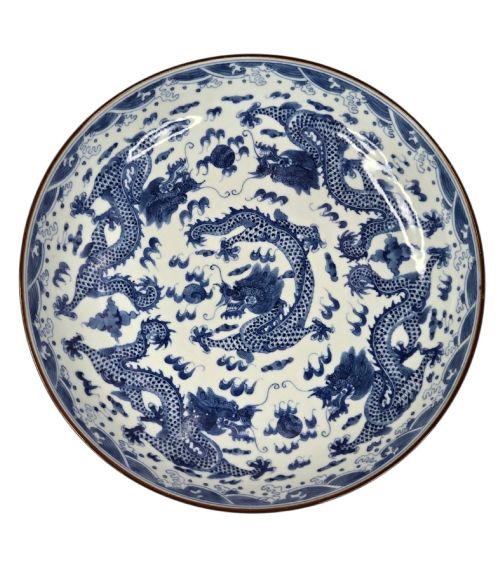
English traditional factories and continental European makers sit alongside Eastern export workshops within the available range. You will frequently meet pieces decorated with hand-painted fruit, historical scenes, or traditional cobalt underglaze patterns.
Materials and methods
Potters shaped these objects from high-grade porcelain, bone china, and specialised clay bodies before applying intricate overglaze enamels and cobalt underglaze pigments. Artisans frequently enhanced the surfaces with gold leaf and rich gilt highlights to catch the light.
Specialised techniques include cloisonné work with metal wire, as seen in Japanese Totai Shippo plates, alongside meticulous hand-painting executed by named studio artists. Firing these ceramic bodies required precise kiln temperature control to fix the delicate enamel colours permanently.
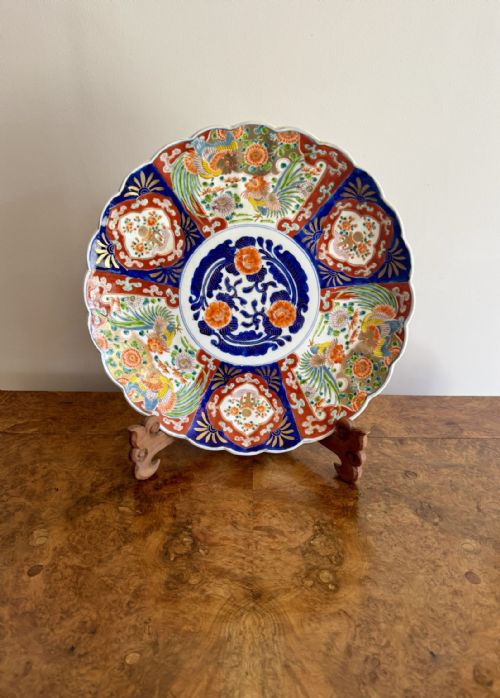
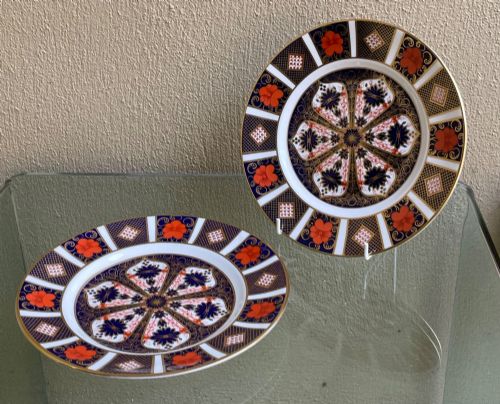
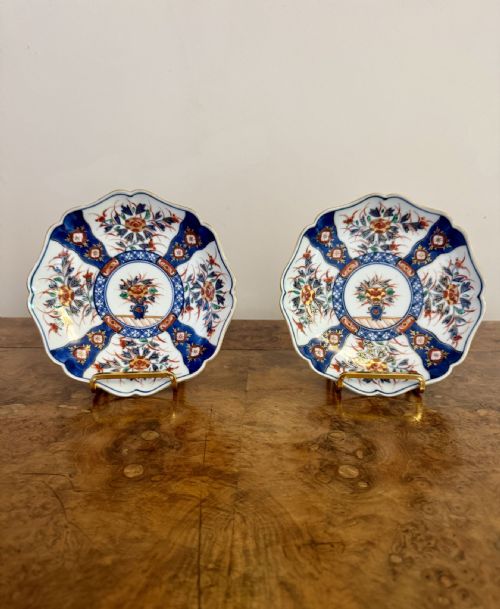
The inventory includes Japanese Imari, Qing Dynasty, and English Traditional styles of decorative plates and chargers.
Assessing quality and execution
The standard of a fine porcelain display plate rests primarily on the skill of the hand-painting and the complexity of the design. Master artists executed detailed figurative scenes, court life narratives, and botanical studies with exceptional precision.
The pedigree of the maker and the richness of the gilding also determine the standing of an individual piece. Factories employing celebrated painters or utilising advanced body formulations produce works that command greater attention from collectors.
Royal Crown Derby·Royal Worcester·Barr Flight And Barr·Vienna Porcelain·Copeland Porcelain·Coalport·Minton
The Fine Porcelain Display Plate Glossary
- Cabinet plate
- A decorative ceramic dish intended for display in a glass-fronted cabinet rather than for table service. These pieces usually feature elaborate painted scenes or rich gilding.
- Charger
- A large decorative platter or plate used historically for formal presentation or as a base setting. They measure significantly wider than standard dining plates.
- Imari style
- A decorative scheme originating in Japan and later copied in Europe, characterised by a palette of cobalt blue, iron red, and gold. The designs typically incorporate intricate floral and panel motifs.
- Armorial
- A ceramic design featuring a family crest, coat of arms, or heraldic insignia. These were frequently commissioned by noble families for specific households.
- Totai Shippo
- Japanese porcelain decorated with cloisonné enamels over a textured base such as tree bark effect. This technique combines ceramic body shaping with metal wire cloisonné work.
Fine Porcelain Display Plate: Frequently Asked Questions
How were display plates used?
These pieces served primarily as decorative objects for display in dining rooms, drawing rooms, and cabinet collections. Wealthy households utilised large chargers and cabinet plates to showcase artistic patronage and family lineage.
Unlike everyday tableware, they remained protected behind glass or mounted on walls and stands. Their primary function was visual enrichment rather than serving food.
How do I hang a display plate safely?
Mounting a ceramic plate requires a secure, well-padded wire hanger or a specialised wall bracket that distributes weight evenly across the rim and base. Ensure the fixing enters solid wall material rather than relying solely on plaster.
Check the hanger periodically to confirm the rubber or vinyl protective tips remain intact. This prevents any metal friction against the porcelain glaze.
How do I distinguish Victorian plates from older pieces?
Victorian plates often display vibrant overglaze enamels, registration marks, or factory specific backstamps introduced during the nineteenth century. The paste and gilding methods on these pieces tend to reflect industrial standardisation while retaining hand-finished details.
Earlier Georgian items, by contrast, frequently rely on hand-pencilled factory marks and softer porcelain bodies. Examining the base unglazed foot rim provides further clues regarding the manufacturing era.