
Hand Painted China Dish
A hand painted china dish brings centuries of ceramic artistry to a table, combining delicate brushwork with durable porcelain forms.
Hand Painted China Dish
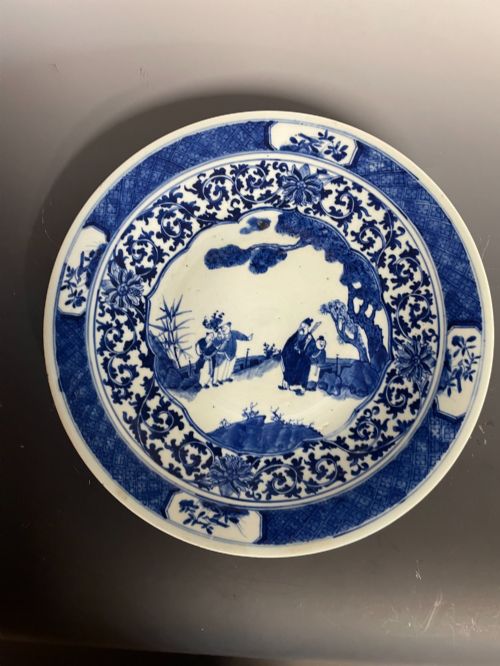
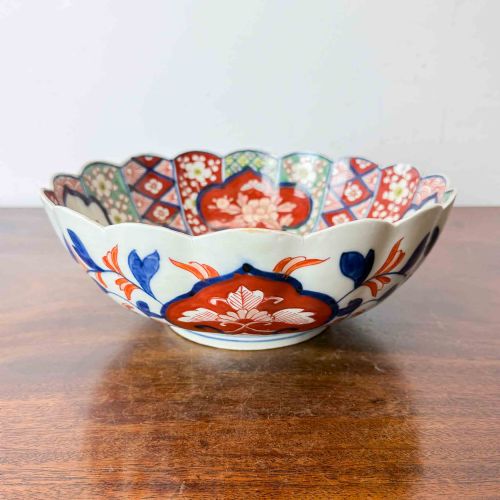
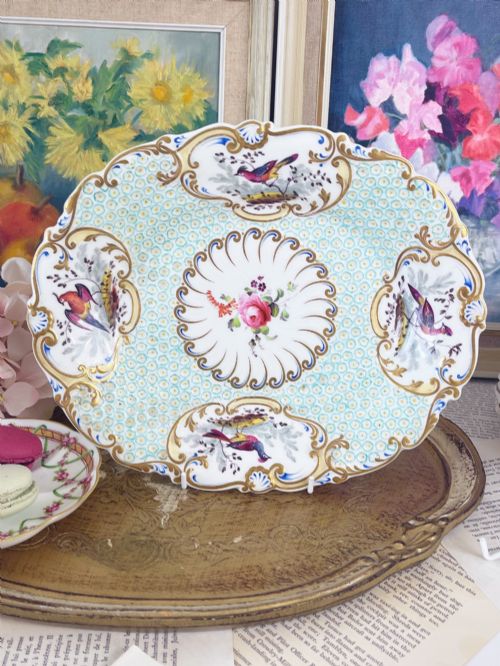
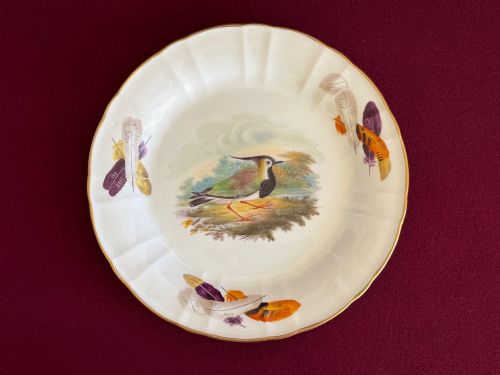
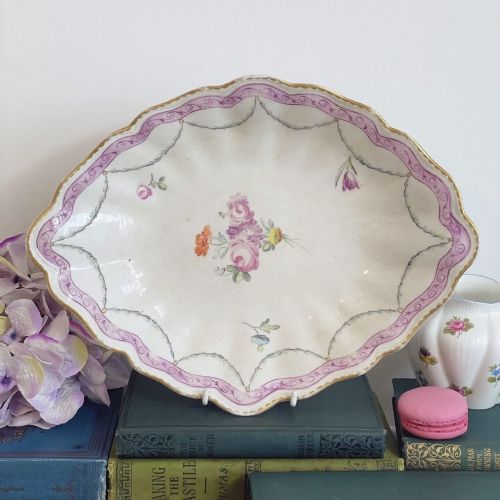
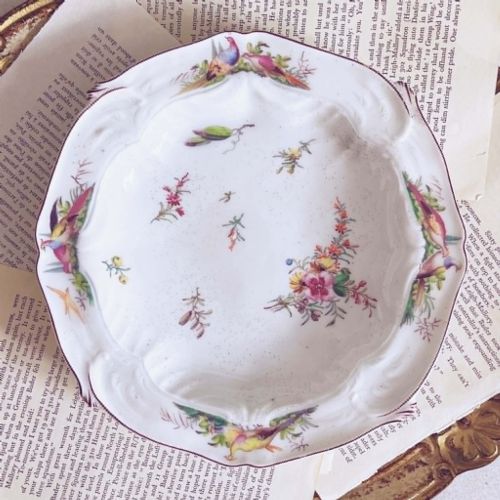
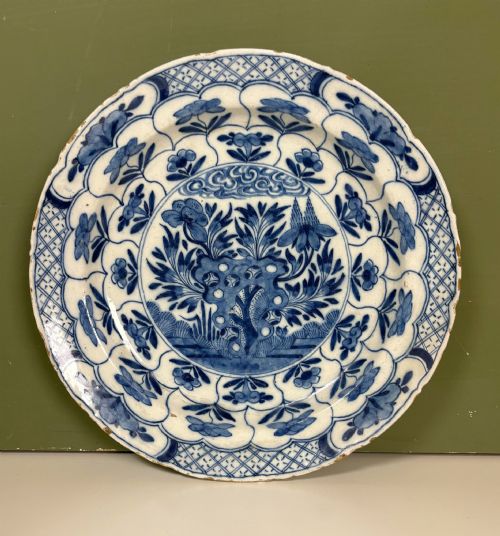
A hand painted china dish encompasses functional and decorative forms such as cabinet plates, dessert dishes, serving dishes, and bowls produced across multiple centuries. The selection ranges from eighteenth-century soft-paste porcelain and earthenware to twentieth-century bone china items.
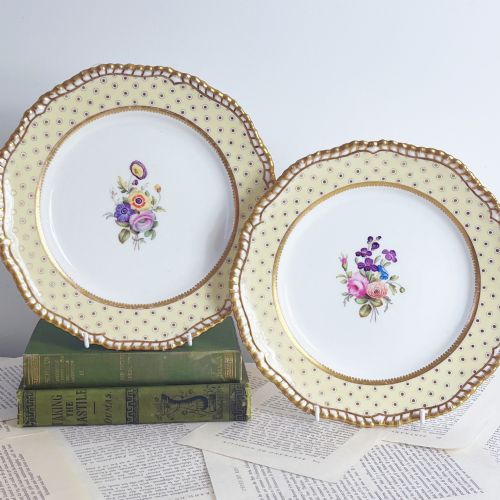
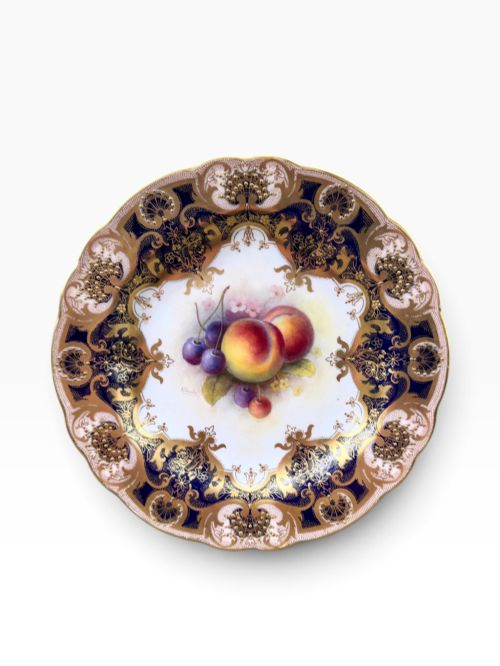
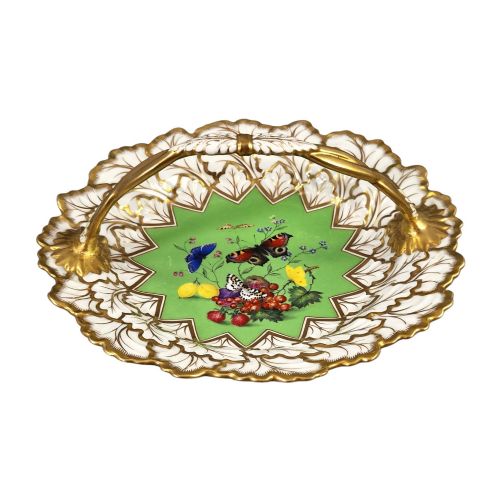
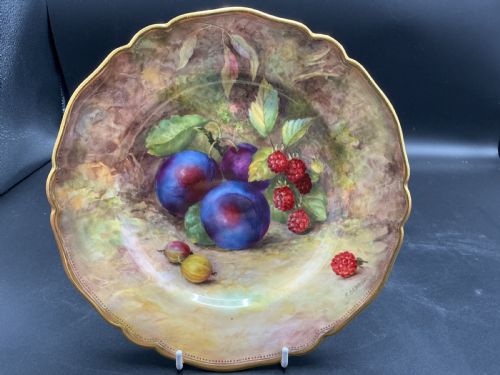
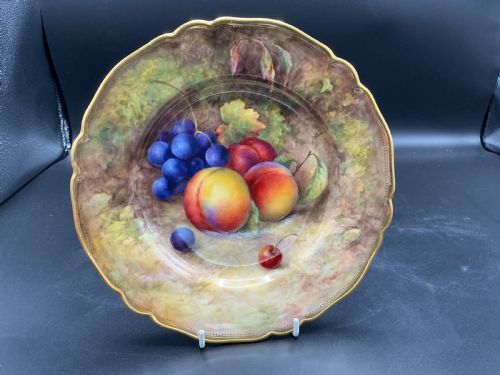
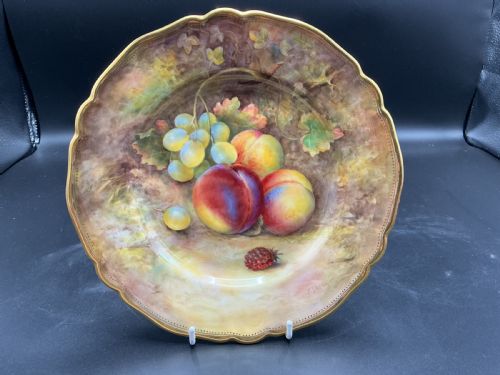
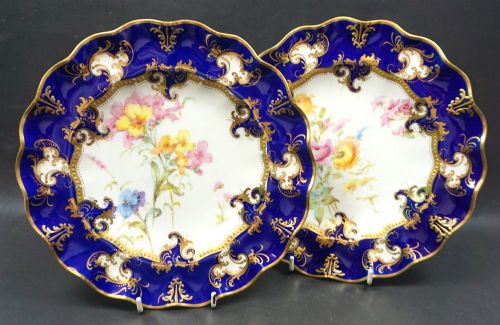
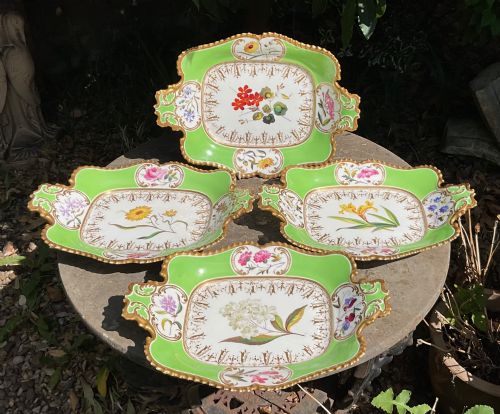
Nineteenth-century examples frequently display Regency, Georgian, or Victorian influences, including floral motifs, birds, and landscapes. Twentieth-century pieces often take the form of painted fruit cabinet plates from factories like Royal Worcester.
Buyers encounter items originating from English potteries, French studios, and Chinese export kilns. These pieces function as decorative wall displays, table service components, or cabinet centerpieces.
How they were made
Potters shaped these objects using hard-paste porcelain, bone china, soft-paste porcelain, ironstone, and ceramic materials. Artisans applied polychrome enamels and pigments by hand directly onto the glazed or unglazed surfaces.
Many items incorporated gold leaf, gilding, and enamelling to accent borders, scallop edges, and motifs. Firing techniques varied according to the period, fixing painted enamel details and metallic accents to the ceramic body.
Listings feature porcelain, bone china, ironstone, and enamel materials spanning the eighteenth, nineteenth, and twentieth centuries.
What varies in quality
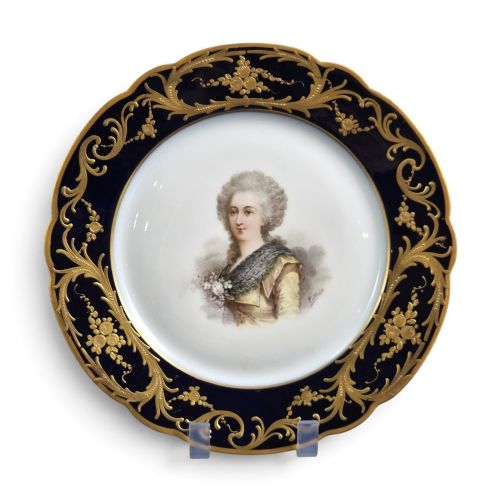
The precision and detail of the hand-painted brushwork distinguish standard utilitarian wares from superior cabinet pieces. Master artists executed intricate naturalistic studies of fruit, birds, and portraits that elevate specific items.
The sophistication of the porcelain body, the application of gold leaf or gilt detailing, and the historical importance of the maker shape the standing of individual items within this category.
Spode·Wedgwood·Derby·Chelsea·Royal Worcester·Royal Crown Derby·Chamberlains Worcester·Minton·Royal Doulton·John Davenport·Coalport·New Hall·Copeland and Garrett·Walker and Hall·Doe and Rogers
The Hand Painted China Dish Glossary
- Bone china
- A type of soft-paste porcelain containing bone ash, known for its bright white body and durability.
- Cabinet plate
- A decorative plate intended for display in a cabinet or on a wall rather than for daily dining.
- Gilt
- A thin layer of gold applied to the surface of ceramic objects for decorative accentuation.
- Polychrome
- Decoration employing multiple distinct colours painted onto the ceramic body.
- Soft-paste porcelain
- An early ceramic composition fired at lower temperatures than hard-paste porcelain, common in eighteenth-century British manufacture.
Hand Painted China Dish: Frequently Asked Questions
How were hand painted china dishes used?
These items served various roles in historic dining and domestic display. Dessert plates and serving dishes held food at formal meals, while cabinet plates remained on display in parlours.
Over time, many decorative pieces transitioned entirely into ornamental objects collected for their painted artistry.
Can I use antique dishes for dining?
While many historic pieces functioned as tableware, centuries of wear and delicate enamel or gilt decoration make modern casual use inadvisable.
Gentle hand washing preserves the painted surfaces and gold leaf of nineteenth-century and eighteenth-century ceramics.
How do I identify the period of a dish?
Makers' marks, backstamps, and factory patterns offer primary clues to the date of manufacture. stylistic elements like Rococo Revival curves or Aesthetic movement motifs also point to specific eras.
Comparing the paste composition and hand-painted style helps narrow down the decade or century of origin.
What is a cabinet plate?
A cabinet plate is a decorative ceramic piece created specifically for visual display rather than table service. These items frequently feature elaborate hand-painted scenes, gilt borders, and named artists.
Such plates were housed in glass-fronted cabinets to protect the painted details from damage.