


Antique Decorative Plaque
An antique decorative plaque brings centuries of craft and texture directly to the wall, offering a tangible piece of history for any room.
Antique Decorative Plaque
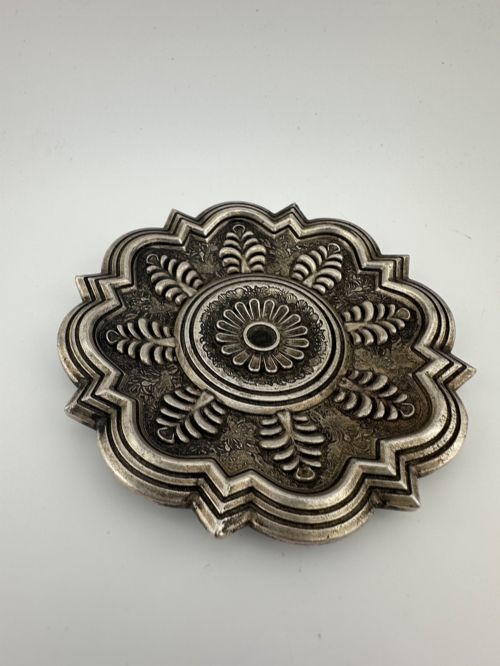
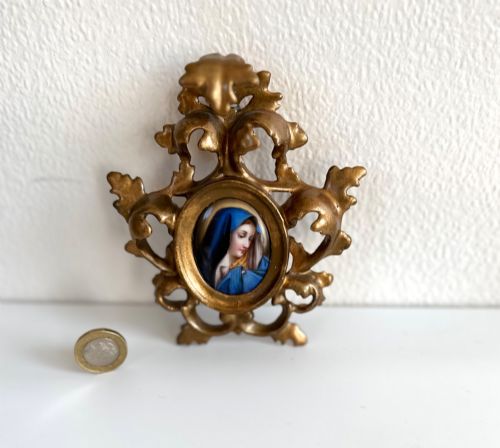
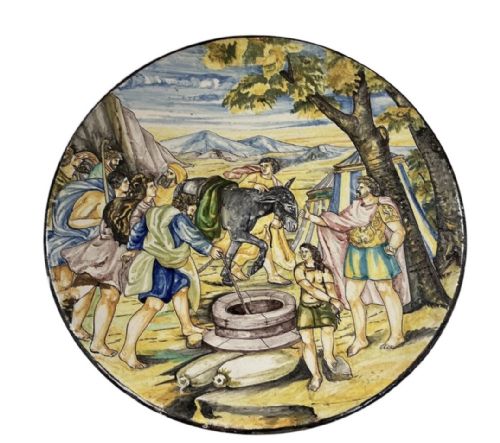
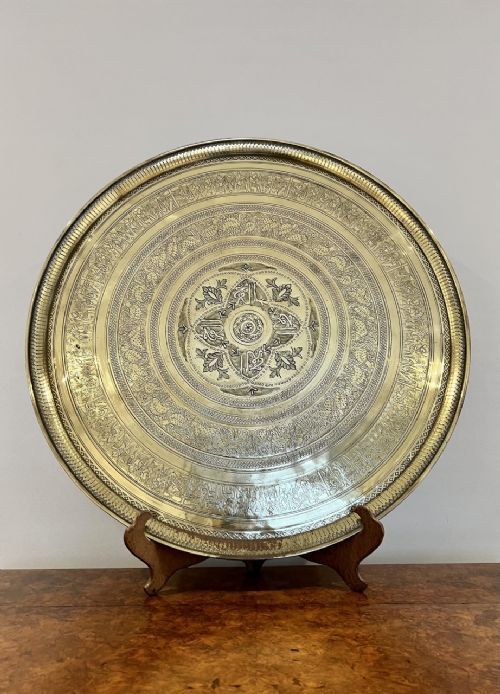
When you search for an antique decorative plaque, you encounter a diverse array of wall-hung and display items created across several centuries. The pieces on this page span the 18th, 19th, and early 20th centuries, taking the form of ceramic tiles, metal chargers, carved wood panels, and framed miniatures.
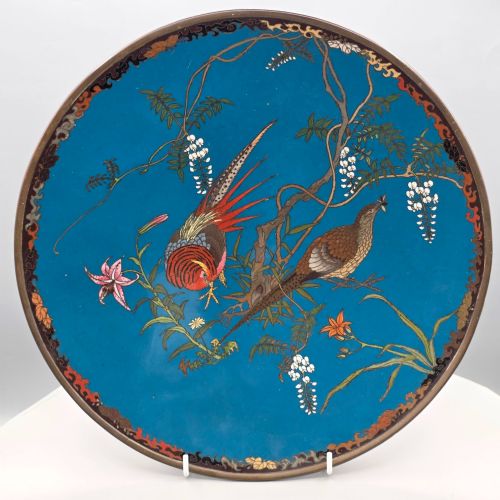
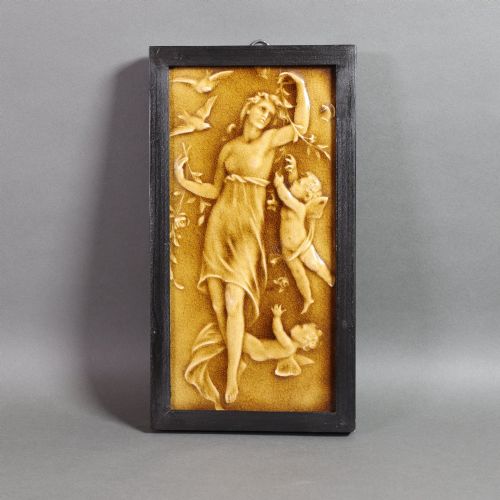
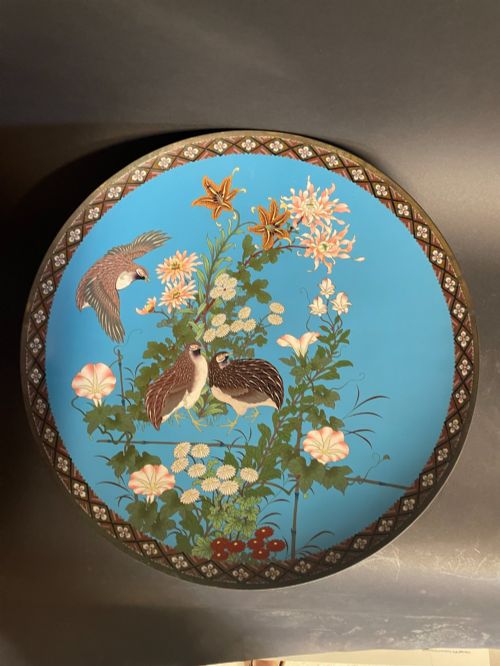
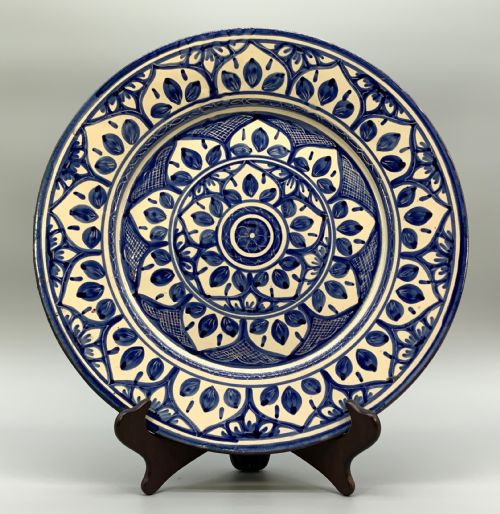
You are most likely to meet ceramic and metal examples, including Japanese cloisonné chargers, English pottery plaques, and Continental Delft plates. These objects were originally designed for display in domestic interiors, often featuring hand-painted scenes, botanical subjects, or historical portraits.
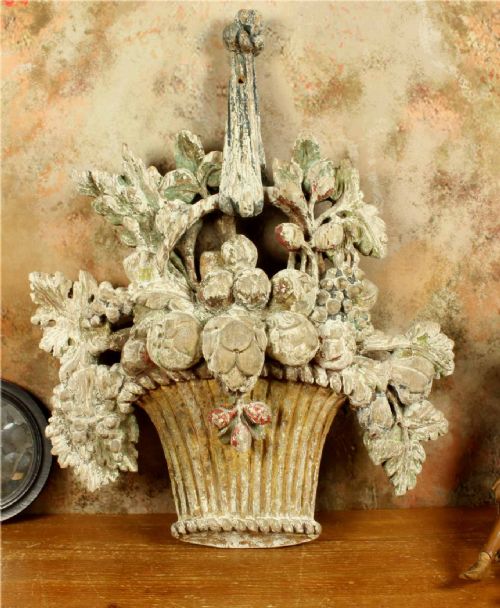
The selection ranges from architectural salvage and carved wooden reliefs to delicate porcelain trays and cast iron panels. Each format serves primarily to ornament a wall or surface, bridging the gap between fine art and utilitarian craft.
Materials and methods of construction
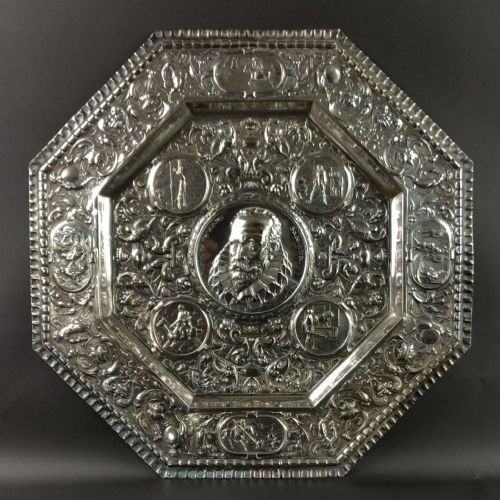
The physical substance of these pieces relies heavily on metalwork and ceramics, with copper, brass, bronze, earthenware, and porcelain appearing frequently. Artisans shaped these materials using techniques such as repoussé hammering, cloisonné wirework, and hand-painted glaze application.
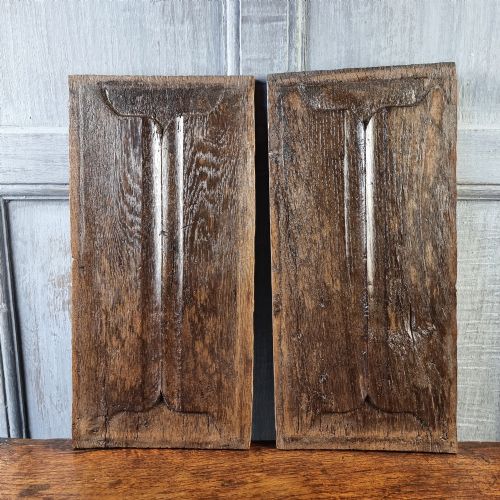
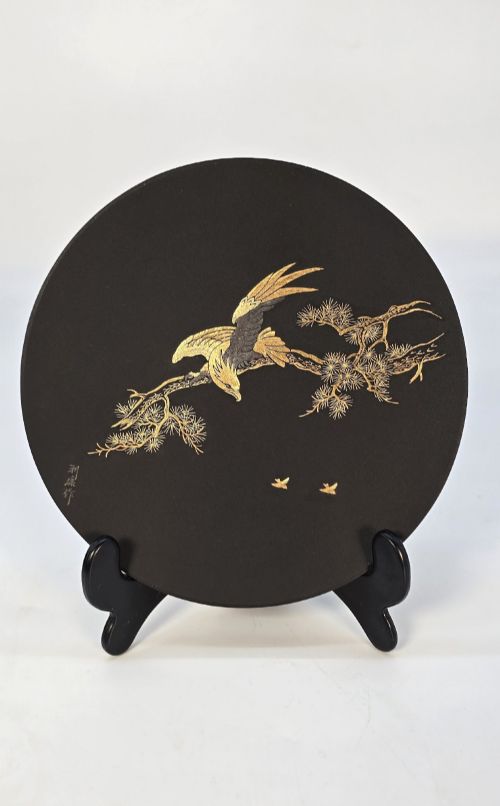
Wood and cast iron also feature prominently, shaped by hand carving, panel construction, and relief moulding. Many items combine multiple mediums, incorporating inlaid ivory, mother of pearl, gold, or silver upon surfaces of lacquered wood, white metal, or ebonised timber.
Among the historical subjects preserved on these walls is a satirical monkey family taking refuge in America.
Distinctions in standard and execution
The standard of a piece rests largely on the precision of the artisan's hand, particularly in the rendering of fine detail such as facial expressions, plumage, or botanical accuracy. Finer works display meticulous control, whether through the exact placement of cloisonné wires or the depth and crispness of a repoussé or carved relief.
The choice and combination of materials also dictate the standing of an object. Pieces that successfully integrate mixed metals, subtle glazes, or intricate inlays demonstrate a higher level of workshop skill than simpler, mass-produced counterparts.
Jackson and Graham·Copeland Pottery·Minton Hollins·Ernst Wahliss
The Antique Decorative Plaque Glossary
- Cloisonné
- Enamelling technique where thin metal wires are soldered to a metal base to form compartments filled with vitreous paste. This method creates vibrant, compartmentalised designs often seen on Japanese dishes.
- Repoussé
- Metalworking process where a malleable sheet is hammered from the reverse side to create a raised design in relief. It allows for expressive portraiture and intricate surface texture.
- Charger
- A large ornamental plate or dish intended for display on a wall or sideboard rather than for dining use. These items frequently showcase elaborate pictorial scenes.
- Maiolica
- Tin-glazed Italian earthenware painted with colourful pigments on an opaque white background. This technique produces rich, durable decorative surfaces.
- Faience
- Tin-glazed pottery produced in Europe, particularly associated with French and Spanish earthenware traditions. The glaze provides a smooth white canvas for polychrome painting.
Antique Decorative Plaque: Frequently Asked Questions
Where were decorative plaques displayed?
These pieces were typically hung on walls, mounted above mantelpieces, or displayed on sideboards and buffets using plate stands. In Victorian and Edwardian homes, they served as focal points in drawing rooms and studies.
Today, they suit similar interior settings, functioning well as standalone wall art or grouped within a gallery wall alongside paintings and mirrors.
How do I clean an antique ceramic plaque?
Dusting gently with a soft, dry brush or microfibre cloth is generally sufficient for glazed ceramic and porcelain surfaces. Avoid using harsh chemical cleaners or submerging pieces in water, particularly if they feature delicate overglaze enamel or gilt decoration.
For pieces with crazing in the glaze, moisture can seep beneath the surface and cause staining over time. Keep them away from direct sunlight and damp environments to preserve the pigments.
What is the difference between a plaque and a charger?
A plaque is generally flat or slightly curved and made for wall suspension, while a charger is a large, shallow dish that originated as a serving vessel before evolving into an ornamental display piece. Both types were widely utilised for decorative purposes during the nineteenth century.
In practical terms, collectors use both interchangeably when decorating walls, though chargers tend to have a more pronounced circular rim and bowl depth.
How do I identify the period of a metal plaque?
Dating metalwork involves examining the tooling marks, the composition of the alloy, and the mounting hardware on the reverse. Techniques like repoussé and specific patination styles often align with particular manufacturing eras, such as the late nineteenth century.
Makers' marks, signatures, or registration numbers stamped into the metal also provide definitive clues to the date of production and the workshop of origin.