






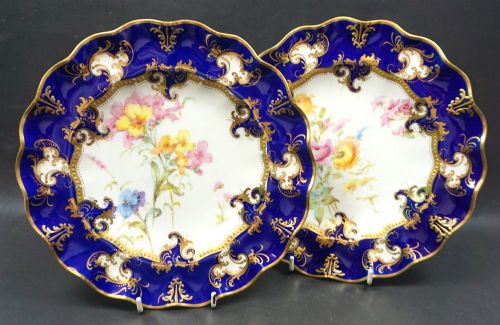

Antique Porcelain Charger Dish
An antique porcelain charger dish is a wide decorative centrepiece, brought to tables and walls from European kilns and Asian export houses.
Antique Porcelain Charger Dish
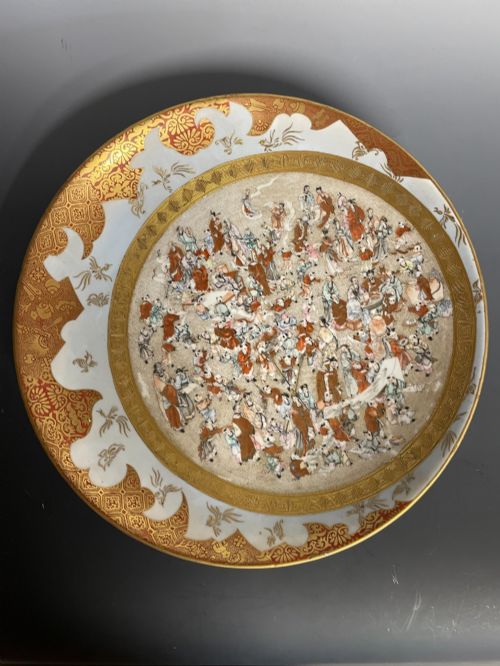
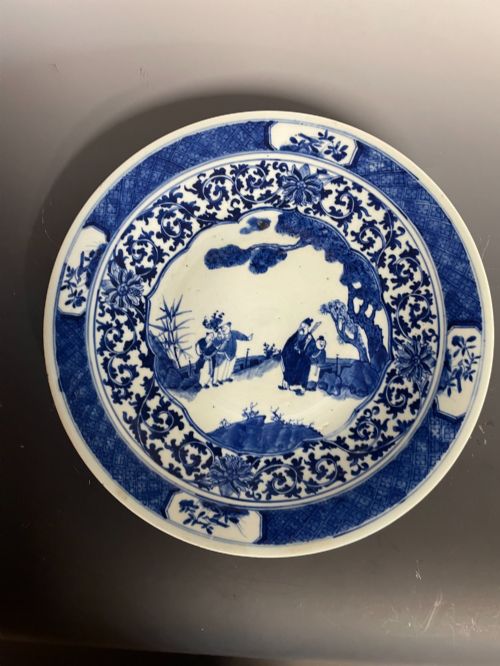
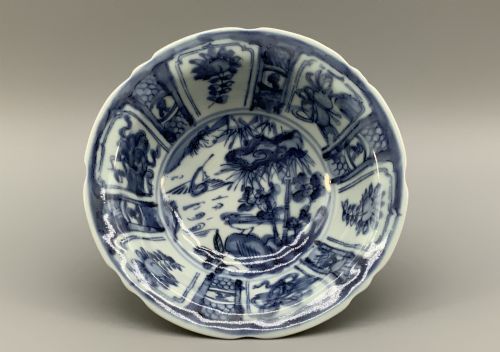
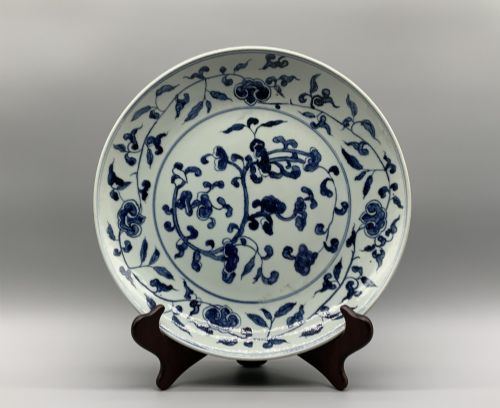
An antique porcelain charger dish spans broad circular or scalloped forms designed for display rather than ordinary dining. These pieces arrive from eighteenth century Chinese export shipments, seventeenth century Delft workshops, and nineteenth century Japanese kilns.
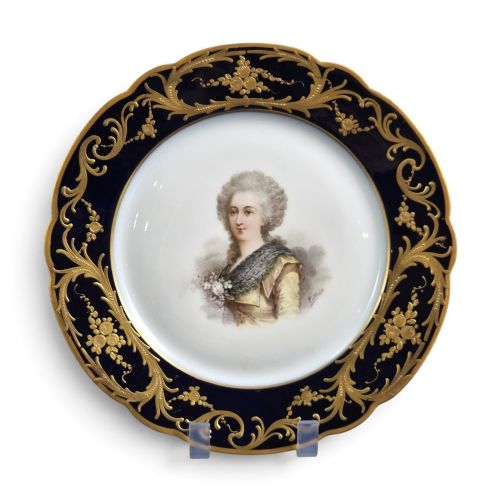
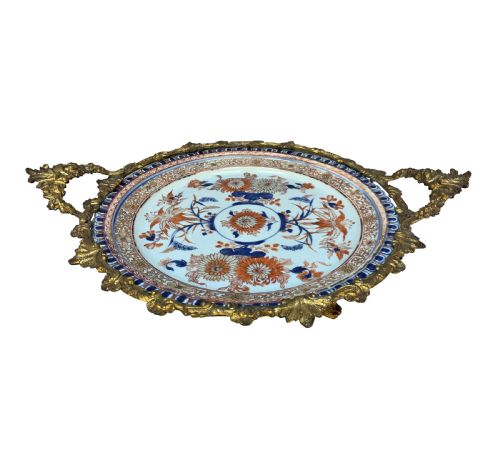
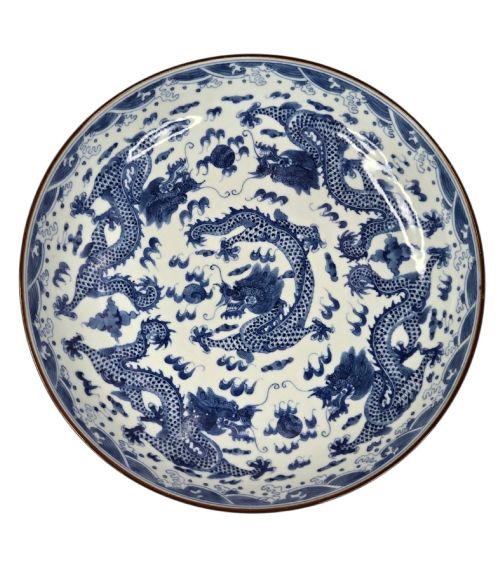
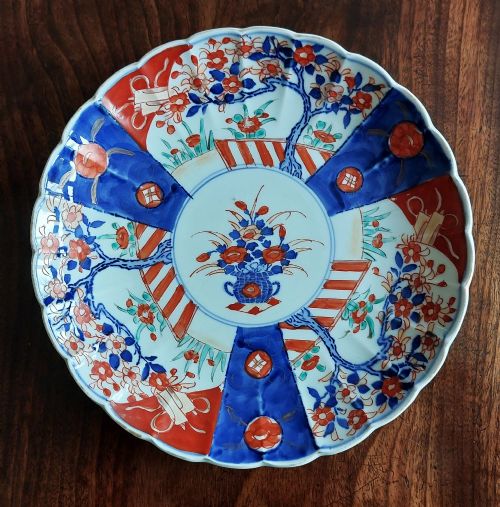
The buyer meets numerous Japanese Imari examples from the Meiji period alongside Chinese blue and white chargers from the Qing Dynasty. European factories such as Royal Worcester, Royal Crown Derby, and Sèvres also contribute cabinet plates and service pieces to the selection.
How they were made
Potters shaped hard-paste and soft-paste porcelain bodies before applying cobalt underglaze pigments or enamel colours to the surface. Artisans frequently added gilding, gold leaf, and ormolu mounts to elevate the presentation of the finished ware.
Kiln workers fired these large plates at high temperatures to vitrify the clay and fix the complex botanical, avian, and figural motifs. Skilled hands finished edges with scallop cuts, lobed profiles, and ironstone strengthening where required.
Exotic birds and sprawling peonies frequently share ceramic airspace with ferocious five-clawed dragons across these global export dishes.
What varies in quality
Artistic execution divides standard production ware from superior hand-painted examples bearing named artist signatures or distinct factory marks. The crispness of cobalt underglaze lines and the richness of enamel and gold leaf application dictate visual depth.
Structural preservation and scale determine desirability among larger display chargers. Pieces retaining sharp scalloped edges, intact ormolu mounts, and unblemished glaze surfaces represent the upper tier of the range.
Royal Crown Derby·Royal Worcester·John Davenport of Longport
The Antique Porcelain Charger Dish Glossary
- Charger
- A large decorative plate or dish exceeding standard dining diameters, traditionally intended for display on buffets and walls.
- Imari
- A Japanese export porcelain style utilising cobalt blue, iron red, and gold highlights over a white ground.
- Cobalt Underglaze
- A blue pigment applied to ceramic bodies before glazing and firing, producing a permanent cobalt tone beneath the glossy surface.
- Qing Dynasty
- The final imperial dynasty of China, spanning from sixteen forty-four to nineteen twelve and encompassing notable porcelain production.
- Satsuma
- A type of Japanese earthenware featuring a crackled ivory glaze decorated with polychrome enamels and raised moriage details.
- Soft-Paste Porcelain
- A ceramic composition made from white clay mixed with ground glass or frit, fired at lower temperatures than hard-paste porcelain.
Antique Porcelain Charger Dish: Frequently Asked Questions
How were antique porcelain chargers displayed?
Households placed these wide dishes on sideboards, dining tables, and walls to showcase intricate cobalt and enamel designs.
Their substantial diameter made them focal points in formal rooms rather than utilitarian tableware.
What is the difference between a plate and a charger?
Chargers measure significantly larger than standard dinner plates, created primarily for decorative presentation.
Smaller plates served specific dining functions or sat within cabinet displays alongside matching service wares.
How do I identify a Meiji period Imari piece?
Meiji period Japanese Imari items display dense iron red, cobalt blue, and gilt patterns featuring birds, florals, and landscapes.
These nineteenth and early twentieth century works often carry scalloped edges and robust porcelain bodies.
Can antique porcelain chargers be hung on walls?
Collectors frequently mount large charger dishes on walls using specialised secure wire hangers designed for heavy ceramics.
Careful positioning ensures the weight is distributed evenly across the foot ring and rim.