



Antique Porcelain Mantle Urns
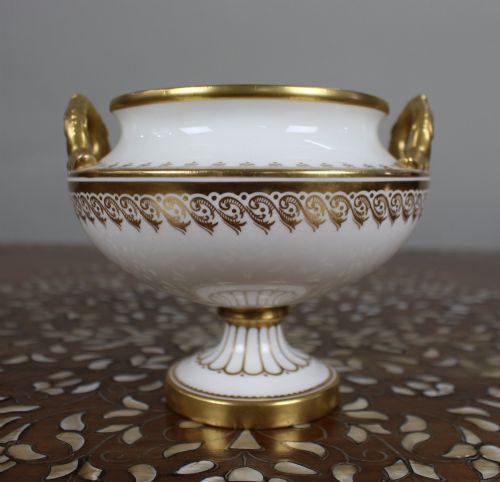
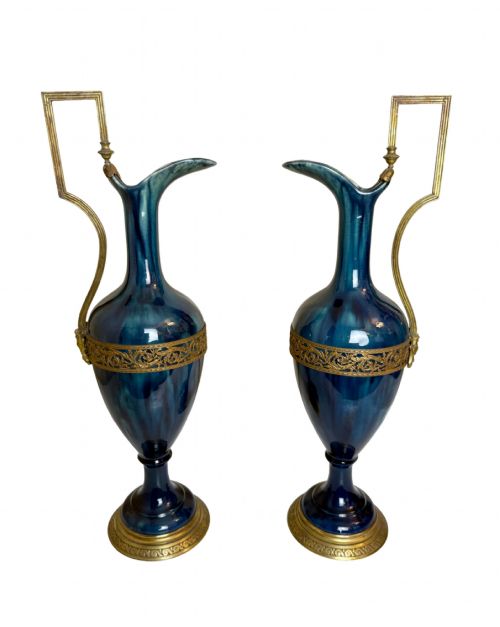
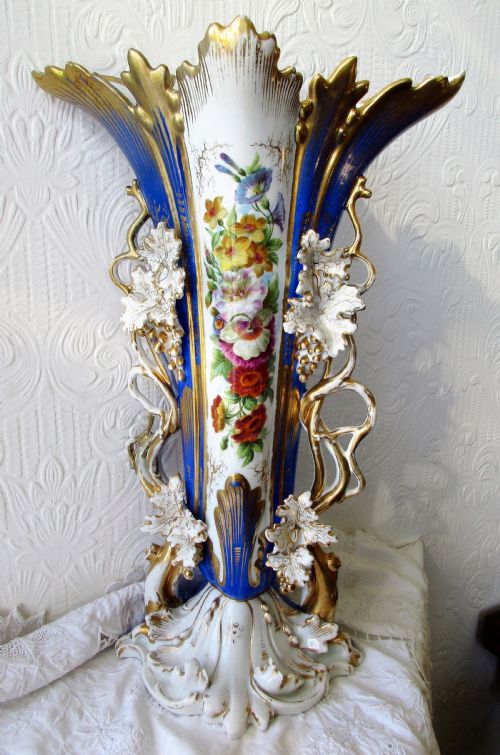
Antique porcelain mantle urns bring decorative presence to a room, combining painted ceramic bodies with gilt bronze or ormolu mounts for a formal display.

Antique Porcelain Mantle Urns
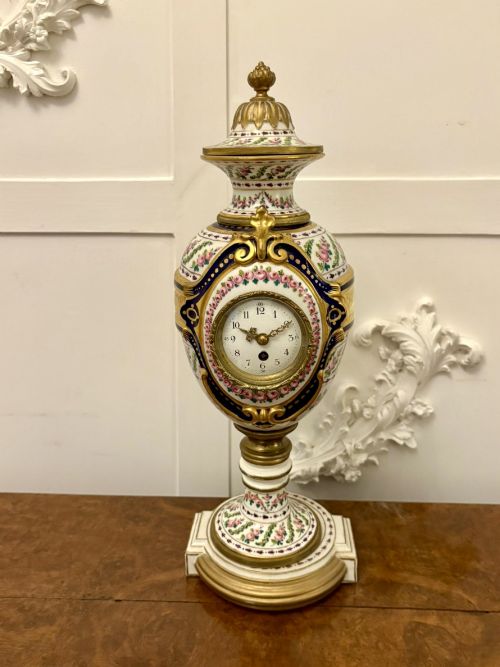
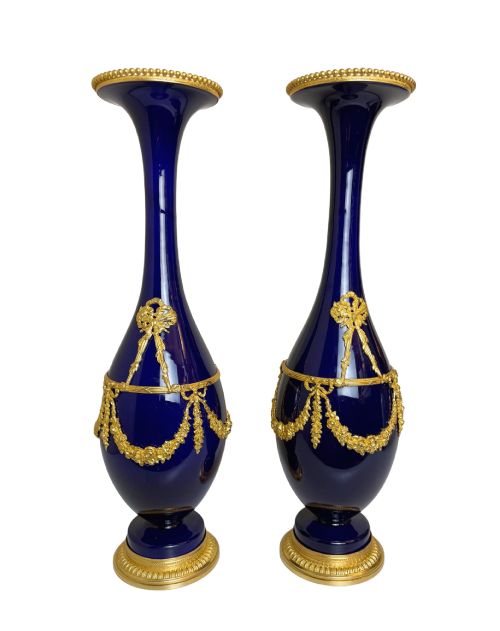
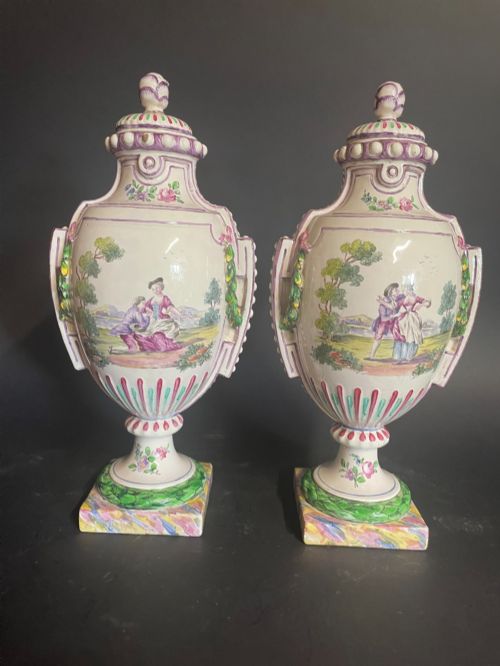
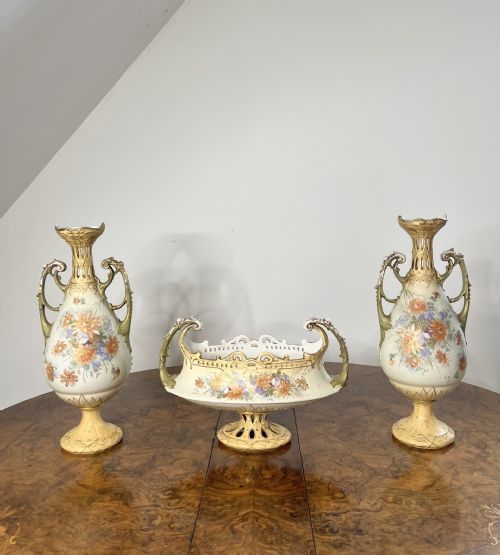
When searching for antique porcelain mantle urns, collectors encounter a varied selection of ceramic vessels designed primarily for decorative display on fireplace mantles and sideboards. These pieces range from single centrepieces and clock garniture sets to matched pairs of lidded vases.
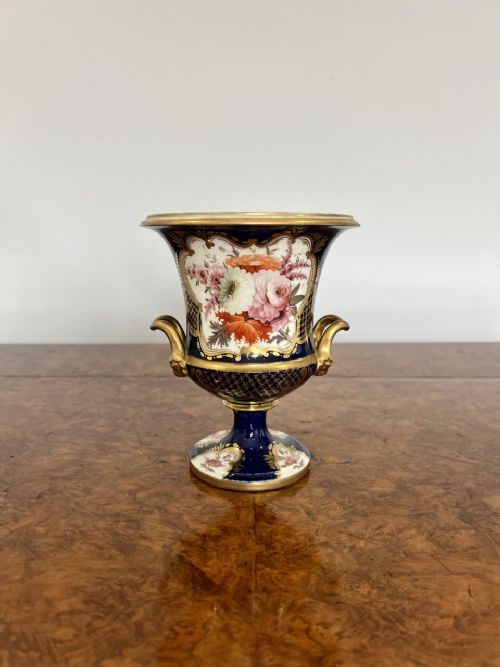
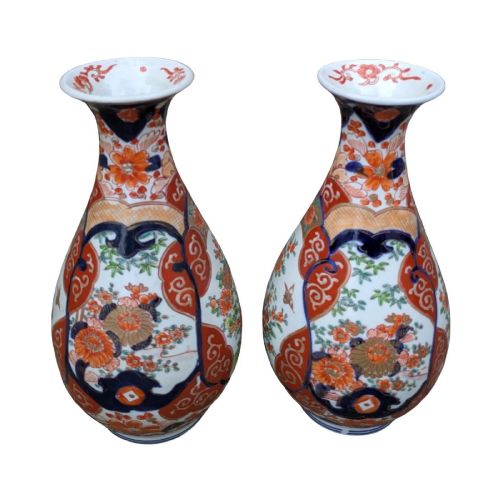
The objects seen here originate largely from the nineteenth century, spanning Victorian, Edwardian, and Regency periods, alongside continental and Asian workshops. Forms include urn-shaped vessels, ewers, and wide-rim vases created in styles such as French Rococo Revival, Louis XVI, and Japanese Imari.
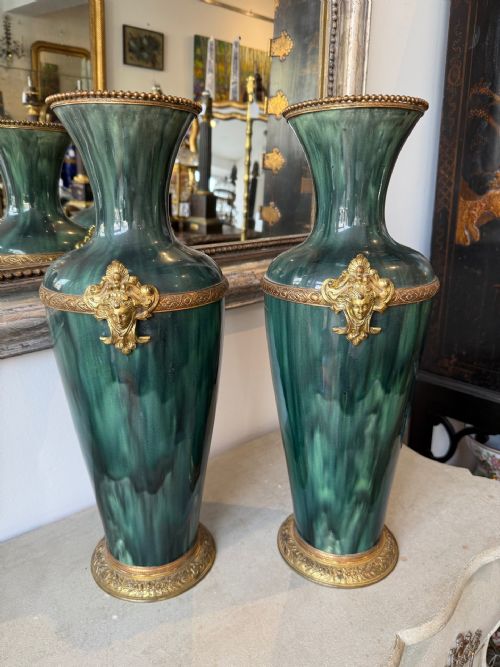
Buyers will find that many items incorporate metal mountings, transforming simple ceramic pots into grand decorative ornaments. Pairs of vases and multi-piece garniture sets dominate the selection, often accompanied by hand-painted motifs and gilded highlights.
How they were made
Maker operations combined fired ceramic bodies with metalwork components such as ormolu, gilt bronze, and gold leaf. Artisans shaped porcelain by hand or in moulds before applying enamel pigments, hand-painted scenes, and glazed finishes.
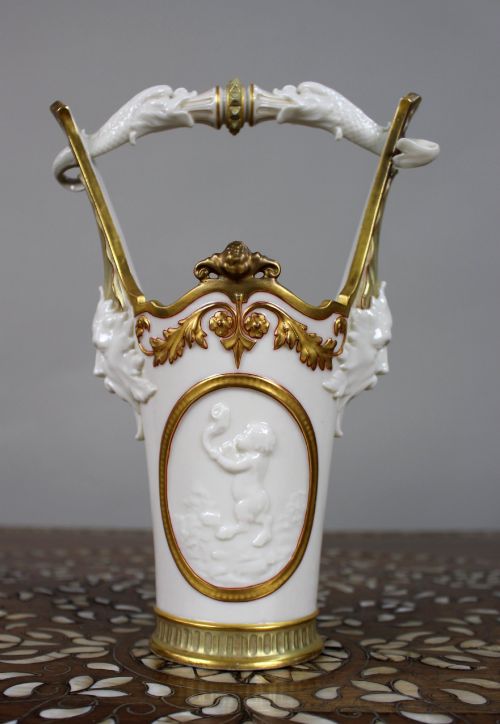
Metal mounts were cast and gilded to frame the ceramic sections securely, adding structural weight and decorative borders. Techniques like pate-sur-pate build up layers of slip to create low-relief ceramic decoration, while gilding accentuates handles, rims, and bases.
Antique Porcelain Mantle Urns Retail Price Guide 2026
Typical asking prices for porcelain mantle urns among the pieces listed under this phrase on Sellingantiques today, from the lower quarter to the upper quarter. They describe what is for sale here now, not the wider market.
The selection includes regional pottery styles ranging from Japanese Imari and Chinese Canton to English and French porcelain.
What varies in quality
Quality separates through the execution of the hand-painted artwork and the crispness of the gilt bronze or ormolu mountings. Superior examples display detailed brushwork, precise facial expressions in portrait or figural scenes, and well-modelled porcelain forms.
The integration between the ceramic body and its metal mounts indicates the level of craftsmanship involved. Pieces that retain rich gilding, clear maker or artist signatures, and balanced proportions stand apart from standard production items.
Royal Worcester·Royal Vienna·Spode·Derby·Minton·Sevres·Dresden
The Antique Porcelain Mantle Urns Glossary
- Garniture set
- A matched group of three or more ornamental vases or urns designed to sit together on a mantle or cabinet. These sets usually comprise a central larger vessel flanked by smaller matching pieces.
- Ormolu
- Gilded bronze mounts applied to the base, handles, or rim of porcelain urns and clocks. This technique provides a bright metallic contrast to the ceramic body.
- Pate-sur-pate
- A ceramic technique where layers of liquid porcelain clay are built up on a dark body to form a translucent cameo-like relief. It requires great skill from the artist to achieve tonal depth.
- Imari
- A style of Japanese porcelain decorated in underglaze blue and iron red, enriched with gilt highlights. These wares were widely exported and later copied by European factories.
- Bisque porcelain
- Unglazed ceramic fired to a matte, porous finish that resembles marble in texture. It is frequently used for classical figures and decorative vases.
Antique Porcelain Mantle Urns: Frequently Asked Questions
What is a clock garniture?
A clock garniture is a matching set comprising a mantle clock flanked by two matching side vases or urns. These sets were designed as a cohesive decorative display for the centre of a fireplace mantle.
Manufacturers produced these groupings in various styles, using materials such as painted porcelain and ormolu mounts to unify the pieces visually.
How do I style mantle urns?
Mantle urns work best placed on a prominent surface like a fireplace mantle, sideboard, or large console table. Matched pairs frame a central mirror or painting effectively.
Ensure the scale of the urns matches the width of the furniture and the proportions of the surrounding room to maintain visual balance.
Are these urns waterproof?
Most antique porcelain urns and decorative vases are intended for display rather than holding water and fresh flowers. The interior glazes and construction methods vary across nineteenth-century pieces.
Using them for dried botanicals or leaving them empty preserves the interior and prevents any moisture damage to historic ceramics.
How do I identify French and English pieces?
French pieces often feature ornate ormolu mounts, bright pink Sevres-style grounds, and styles reflecting Louis XVI or Rococo revivals. English examples from factories like Royal Worcester or Minton frequently showcase botanical painting and blush ivory grounds.
Examining the paste, gilding style, and any factory marks on the underside helps determine the origin.