
Antique Papier Mache
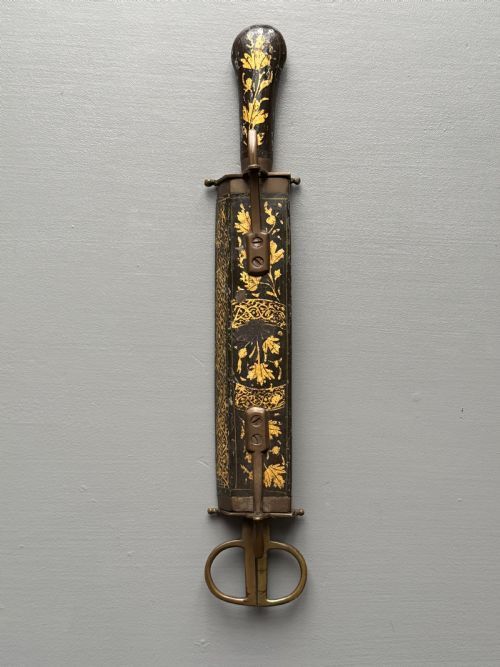
When you explore antique papier mache, you uncover a versatile world of moulded pulp transformed into lacquered trays, inlaid boxes and decorative furniture.
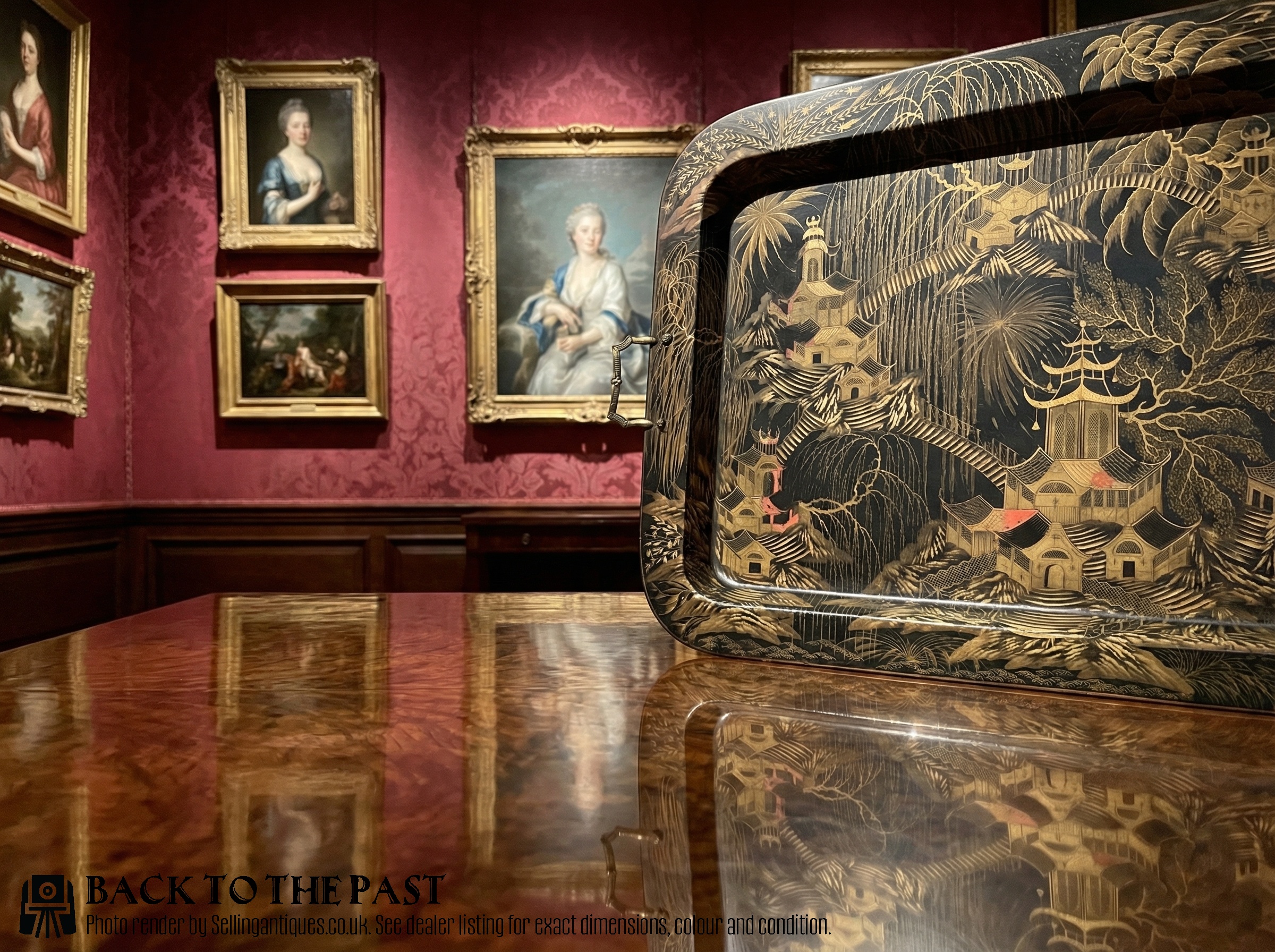
Antique Papier Mache
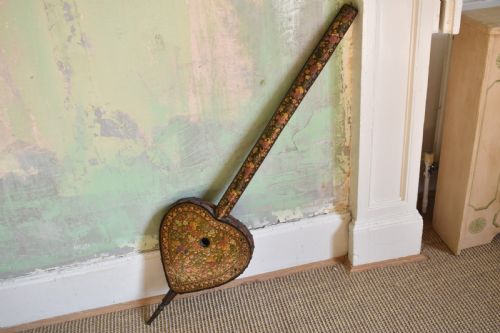
When searching for antique papier mache, a buyer encounters domestic objects and furnishings spanning the Georgian, Regency and Victorian periods alongside later Kashmiri and continental examples.
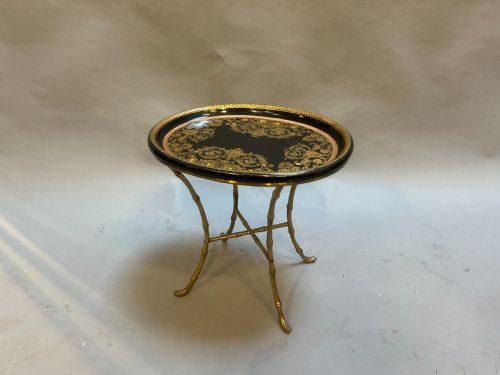
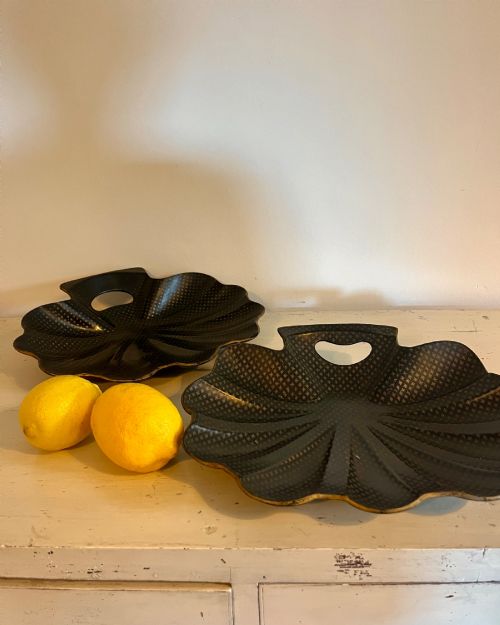
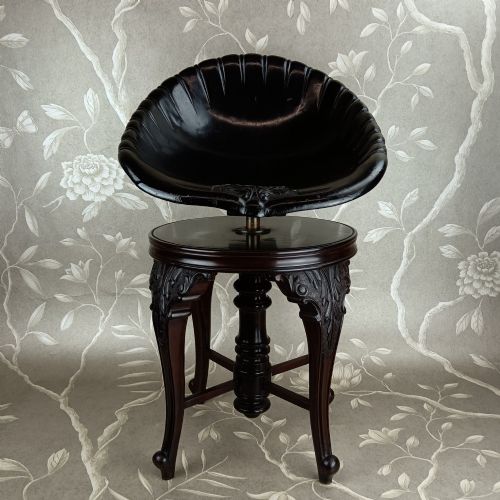
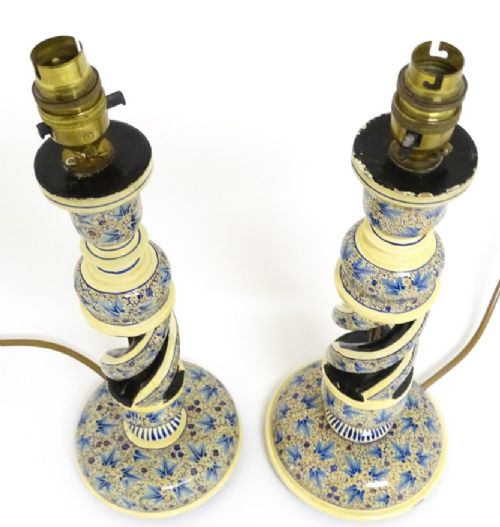
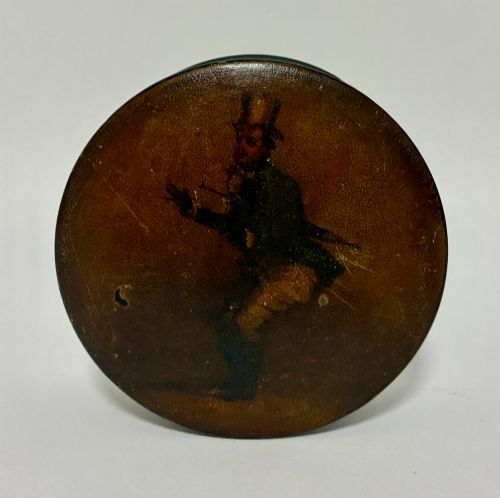
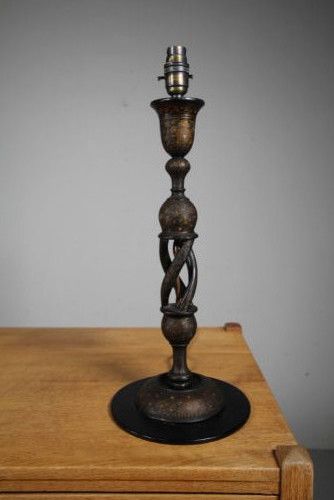
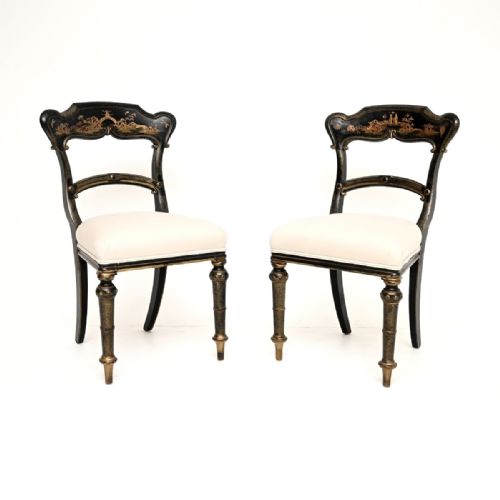
The selections on this page range from small snuff boxes and card cases to large serving trays, tilt-top wine tables, side chairs and table lamps.
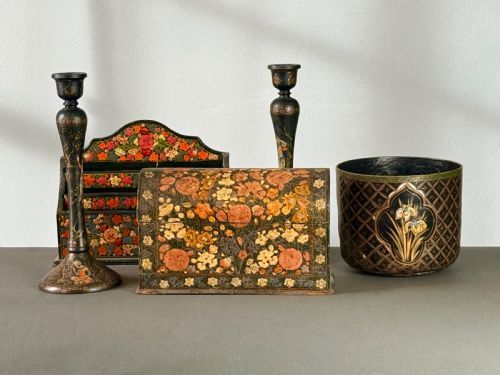
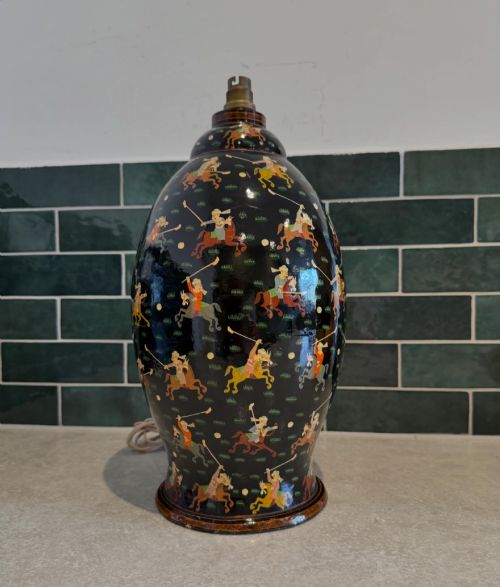
English and French workshops produced refined tea caddies and writing boxes, while Kashmiri makers contributed hand-painted bowls, boxes and lamp bases.
Materials and technique
Maker-joiners built these objects using layers of paper pulp or sheets of paper glued, pressed in iron moulds and baked to form a rigid board.
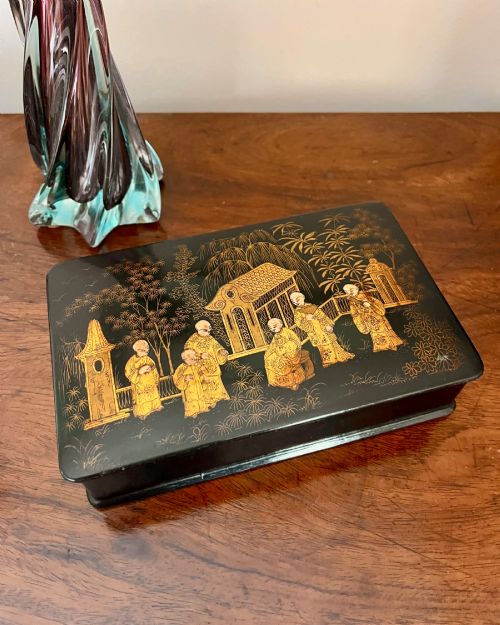
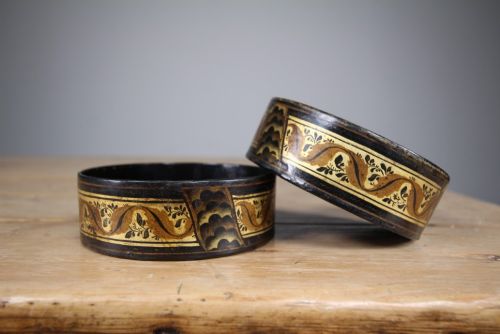
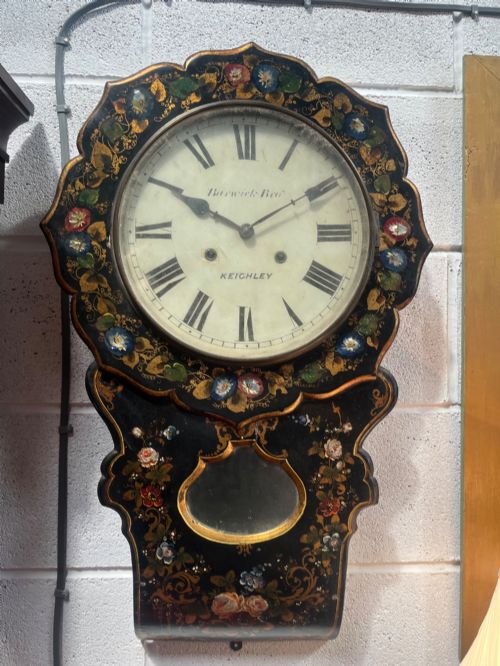
Artisans applied multiple coats of dark lacquer, sanding the surface smooth before embellishing the pieces with hand-painted scenes, gilt gold, or inlaid mother-of-pearl plaques.
Quality variations
The standard of an antique papier mache piece depends on the structural rigidity of the moulded core and the complexity of the surface ornamentation.
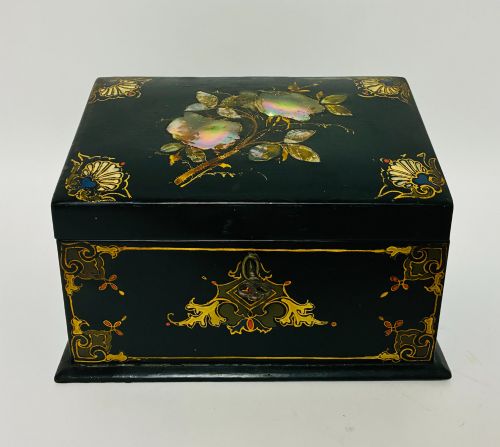
Fine examples display intricate mother-of-pearl inlay, delicate hand-painted Chinoiserie or floral details and well-preserved original lacquer finishes without major structural cracking.
Jennens and Bettridge·Clay of Covent Garden·B Walton and Co·Vishnyakov Workshop
The Antique Papier Mache Glossary
- Lacquer
- A durable resin finish applied in multiple layers to provide a hard, glossy surface that protects the painted decoration underneath.
- Mother of pearl
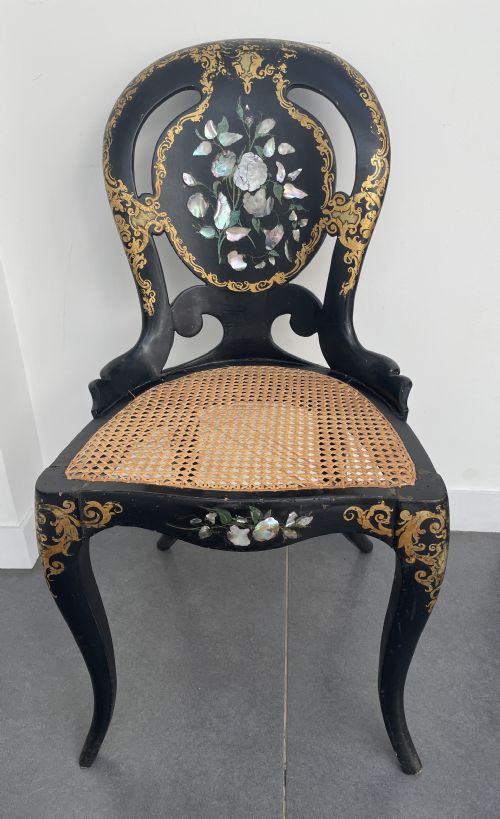
- Iridescent inner shell material used extensively for inlay work on Victorian trays, boxes and chair backs.
- Chinoiserie
- European artistic styles reflecting Chinese motifs, commonly seen in the gilt and painted decoration of trays and boxes.
- Tilt top
- A mechanism allowing table tops to pivot vertically for storage when not in active use.
- Tea caddy
- A lidded container historically utilised for storing loose tea leaves securely.
Antique Papier Mache: Frequently Asked Questions
Were these trays used for serving food?
Most large trays and smaller tea trays were intended for serving tea and beverages in formal drawing rooms. Their sturdy lacquered surfaces handled daily domestic hospitality.
Over time, many decorative trays transitioned to display pieces rather than active serving items.
How do I identify a Victorian piece?
Victorian examples frequently incorporate inlaid mother-of-pearl set against deeply ebonised and lacquered surfaces. Many items from this era also bear maker stamps on the underside.
Stylistic motifs often lean toward ornate floral patterns and mother-of-pearl highlights.
What is Kashmiri papier mache?
Kashmiri items feature distinct hand-painted floral and bird designs, often executed in bright pigments with gilt highlights. These pieces include bowls, table lamps and decorative boxes.
Production in Kashmir utilised traditional local techniques distinct from European methods.