


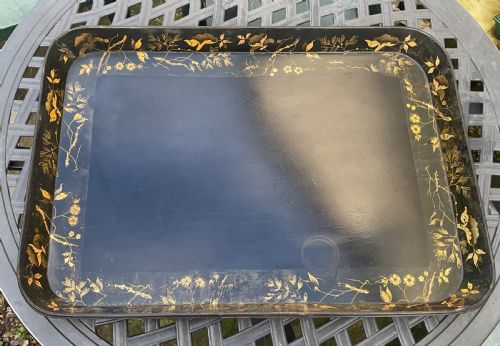


Chinoiserie Serving Tray
A chinoiserie serving tray brings hand-painted lacquer, gold leaf and exotic motifs to a room, offering a functional surface steeped in historic decorative narrative.
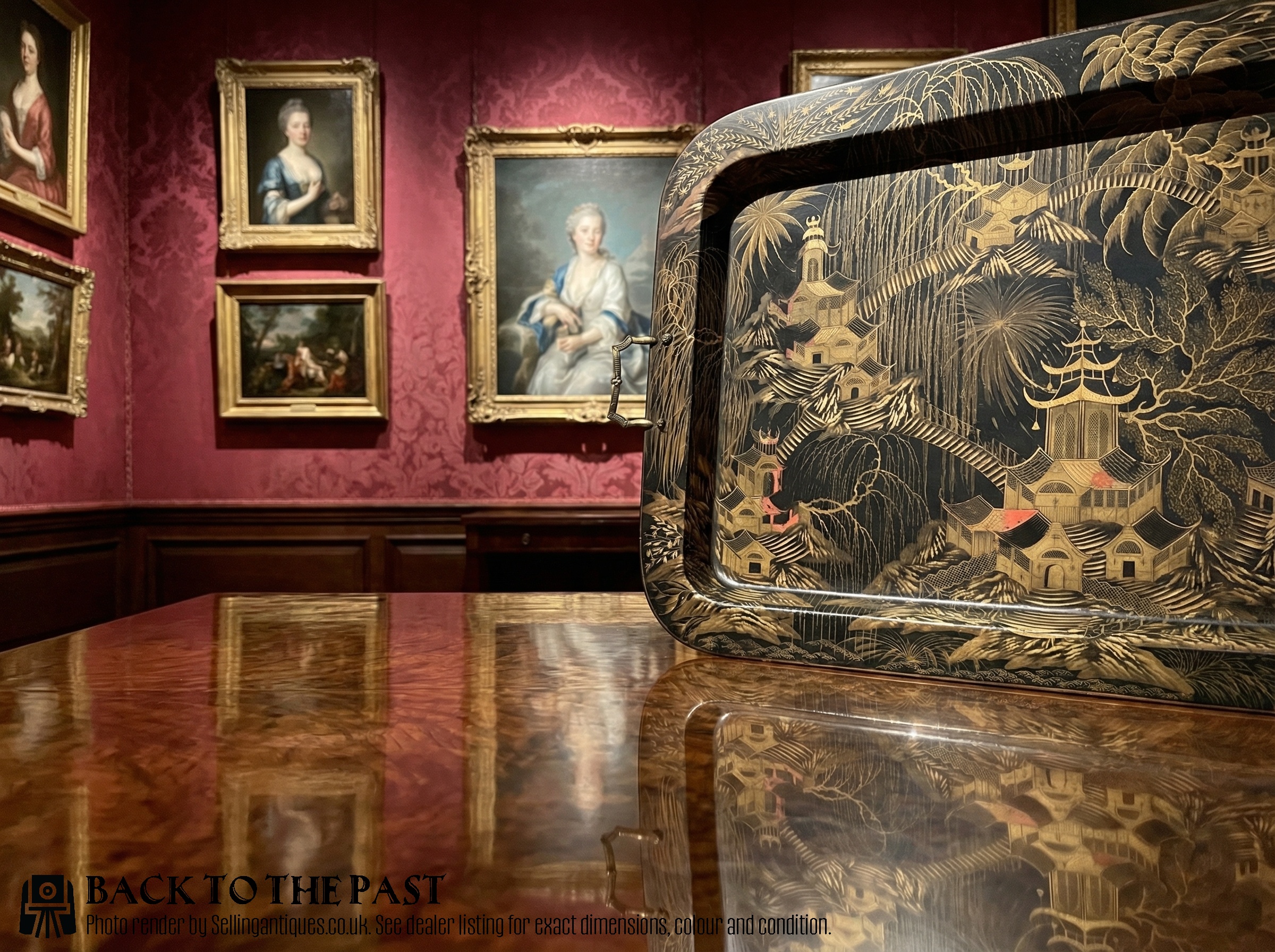
Chinoiserie Serving Tray
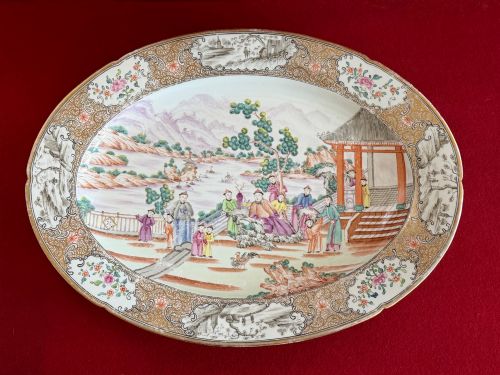
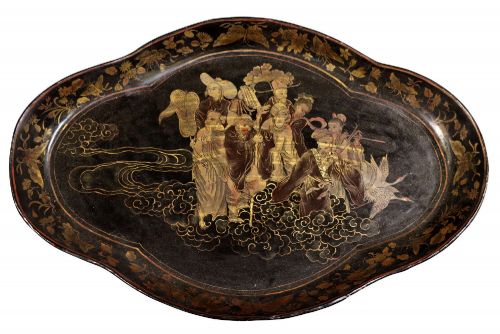
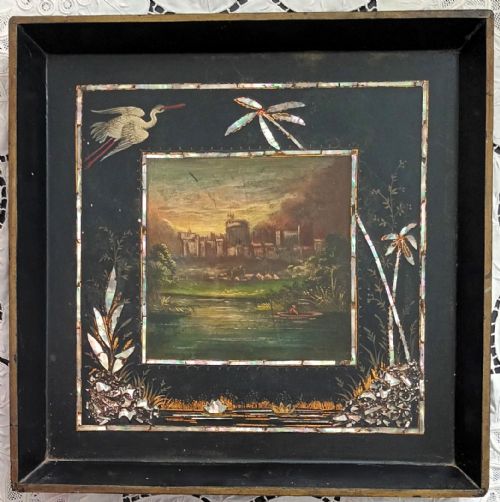
A chinoiserie serving tray is typically encountered as a papier-mâché, lacquered or ceramic platter carrying orientalist landscape and floral designs. These pieces span the Georgian, Regency and Victorian periods, reflecting shifting British tastes for Asian-inspired decorative arts over a century or more.
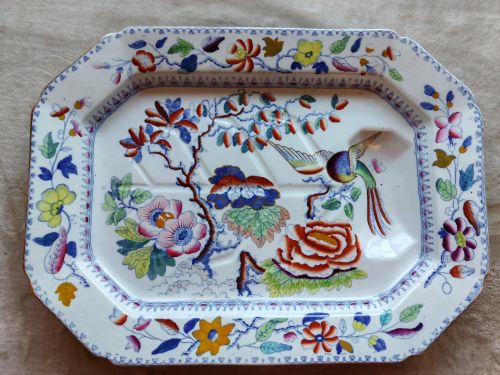
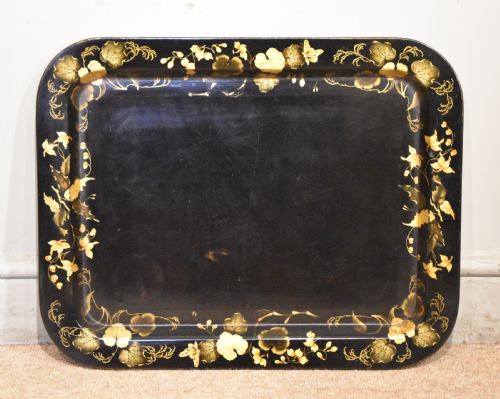
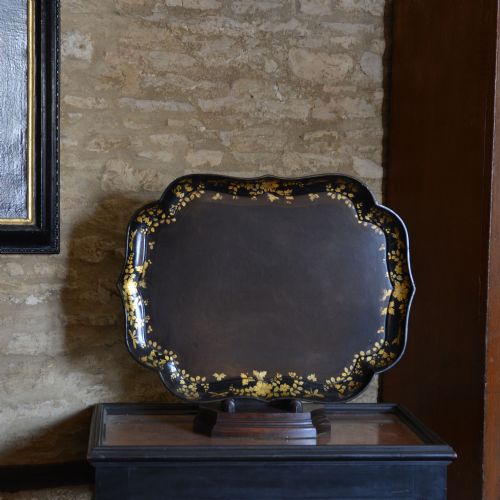
The form ranges from large oval tea trays and drinks butlers on stands to deep meat platters and cheese dishes. Buyers searching for a chinoiserie serving tray often find black ebonised surfaces highlighted with gilt or polychrome figures, pagodas and birds.
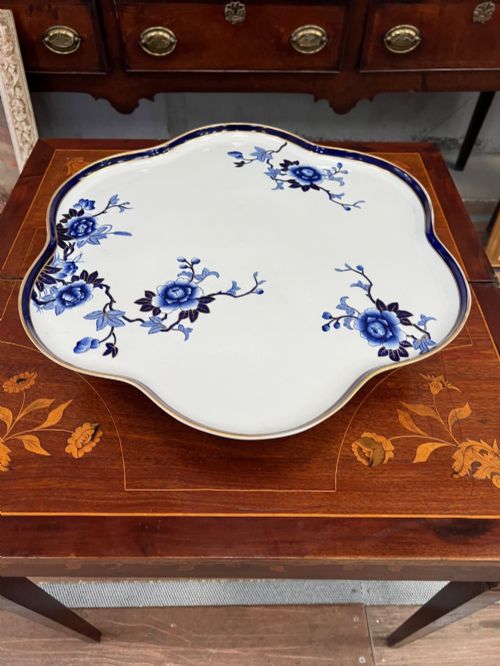
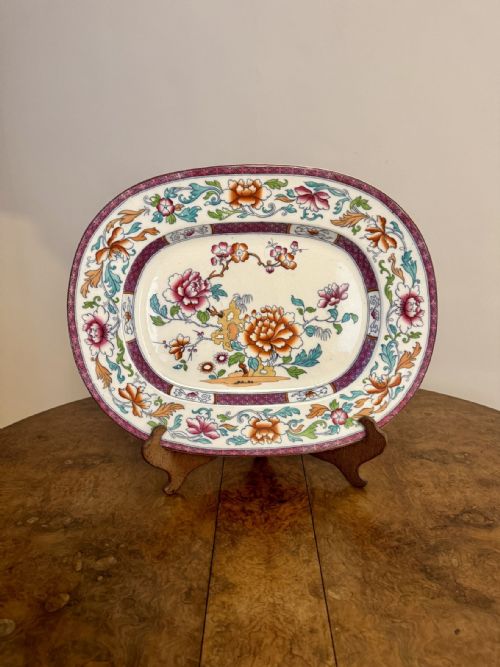
Ceramic variations also appear, featuring blue and white transfer-printed patterns with Chinese villa, elephant or scroll motifs upon earthenware and ironstone bodies. Each object merges utility with the escapist charm of 19th-century decorative design.
Materials and Techniques
Papier-mâché serves as the primary ground for many classical examples, formed from layers of paper pulp and adhesive pressed and baked into sturdy, lightweight blanks. This material allowed makers to achieve smooth, curved rims suited to intensive lacquering.
Surface decoration relies on layers of black lacquer finished with gold leaf and fine hand-painted details depicting pavilions, flora and figures. Ceramic alternatives utilise earthenware and ironstone bodies decorated with underglaze blue transfer printing.
Chinoiserie Serving Tray Retail Price Guide 2026
Typical asking prices for chinoiserie serving tray among the pieces listed under this phrase on Sellingantiques today, from the lower quarter to the upper quarter. They describe what is for sale here now, not the wider market.
Distinctions in Quality
Quality rests upon the crispness of the hand-painted detailing and the depth of the lacquer finish. Superior pieces exhibit fine, unblemished gilding and intricate brushwork that remains sharp across the entire surface.
The structural integrity of the papier-mâché or the weight and ring of the ironstone dictate durability. Finer examples retain their original stands, rich patination and undamaged painted scenes without extensive overpainting.
Clay·Minton·John Rogers and Son·Elkin Knight and Bridgwood
The Chinoiserie Serving Tray Glossary
- Papier-mâché
- A composite material made from paper pulp or sheets of paper mixed with glue and resin, pressed and dried to form rigid trays.
- Transfer printing
- A mechanical method of applying complex patterns to ceramics by engraving a design on a copper plate, printing it on tissue, and transferring it to the unglazed or bisque clay body.
- Ironstone
- A heavy, durable type of earthenware patented in the 19th century that mimics porcelain while offering greater strength for utilitarian platters.
- Well and tree
- A drainage system carved into the surface of meat platters, featuring channels and a collecting well to catch juices during carving.
- Ebonised
- Wood or papier-mâché treated with a dark stain or finish to imitate expensive ebony wood.
Chinoiserie Serving Tray: Frequently Asked Questions
Can I use an antique tray for serving food?
Most lacquered papier-mâché trays suit dry items or drinks rather than hot food, as moisture and heat can damage historical finishes.
Ceramic platters and ironstone dishes handle food well, provided the glaze is stable and free from active degradation.
What is a tray table?
A tray table combines a removable serving tray resting atop a folding or fixed wooden stand, creating a flexible piece of occasional furniture.
These pieces function as portable cocktail surfaces or decorative side tables in a drawing room.
How do I date a transfer-printed platter?
Pottery marks stamped on the reverse, alongside the specific blue and white pattern name, provide clues to the manufacturer and production decade.
Style shifts in border designs and body weights also help distinguish Georgian earthenware from later Victorian ironstone.