

18th Century Mahogany Tray
An 18th century mahogany tray brings rich timber grain and practical raised edges to a tabletop or stand, prized for period utility and elegance.
18th Century Mahogany Tray
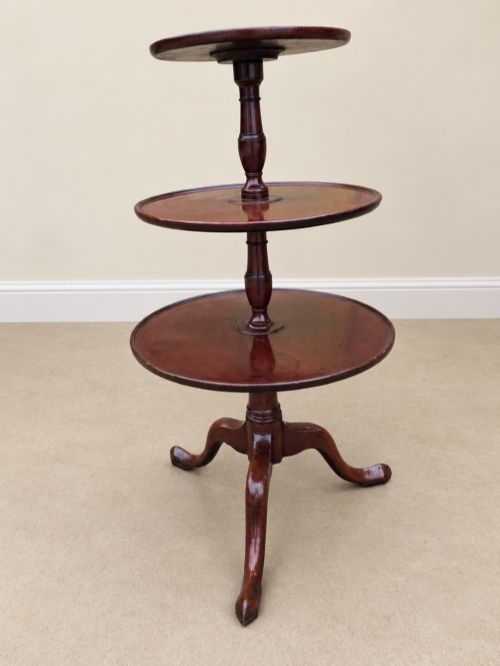
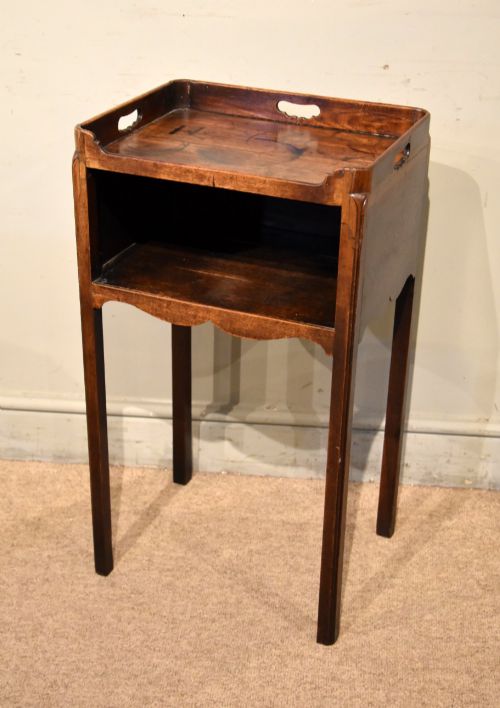
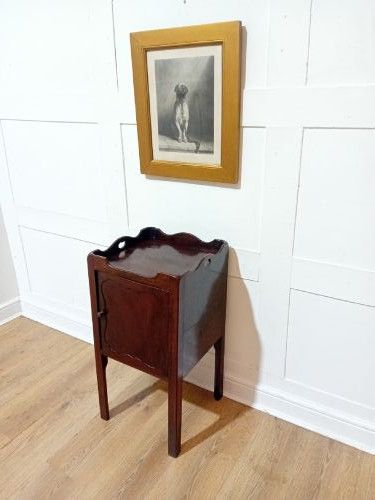
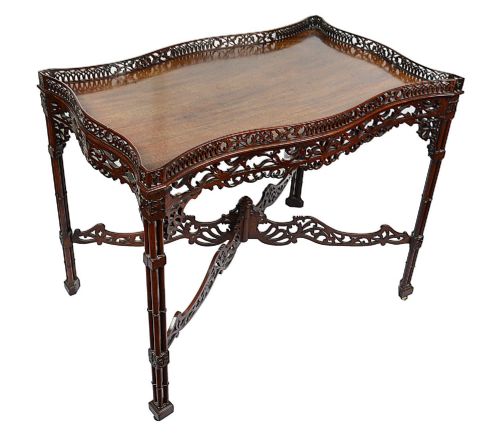
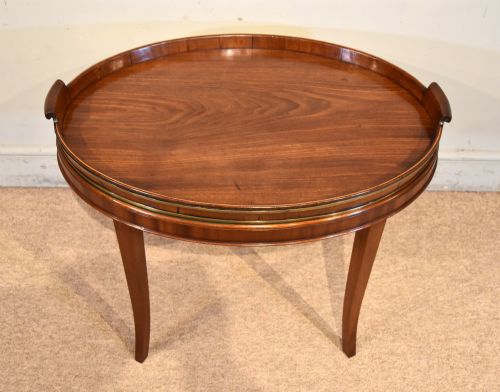
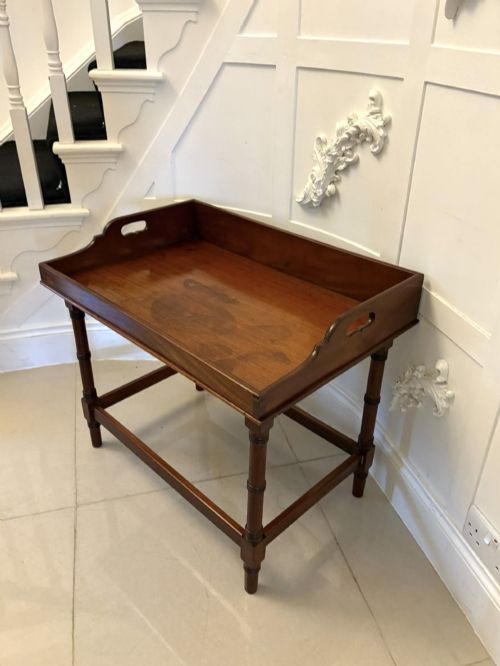
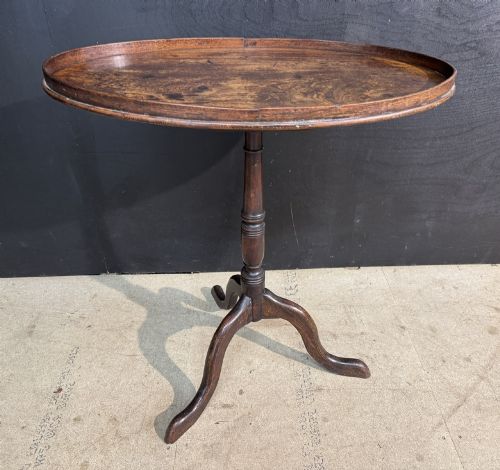
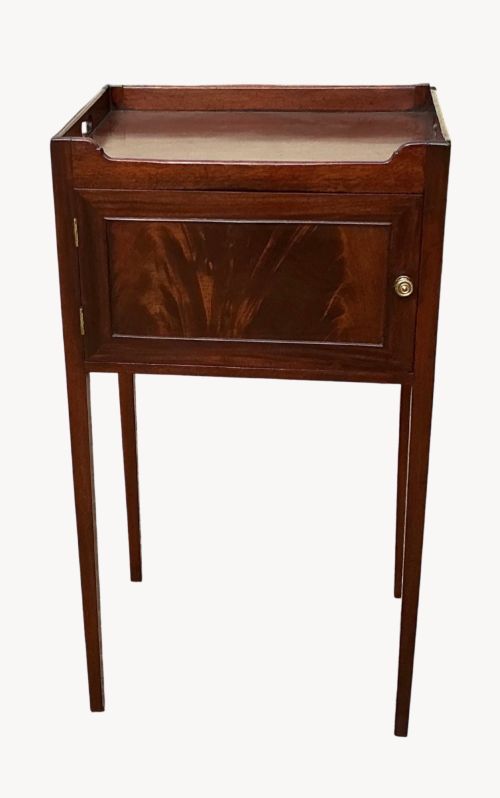
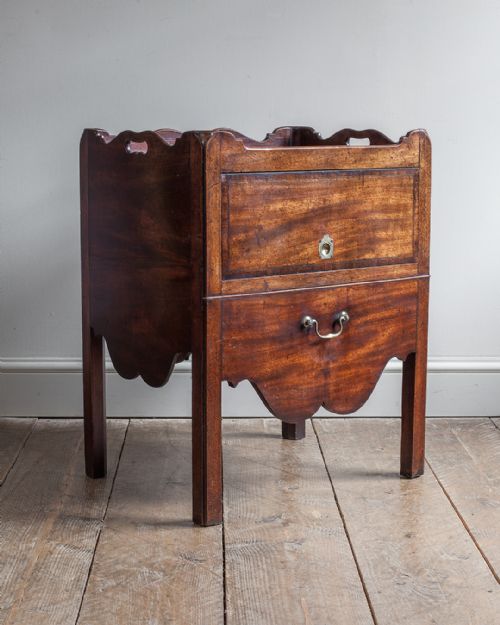
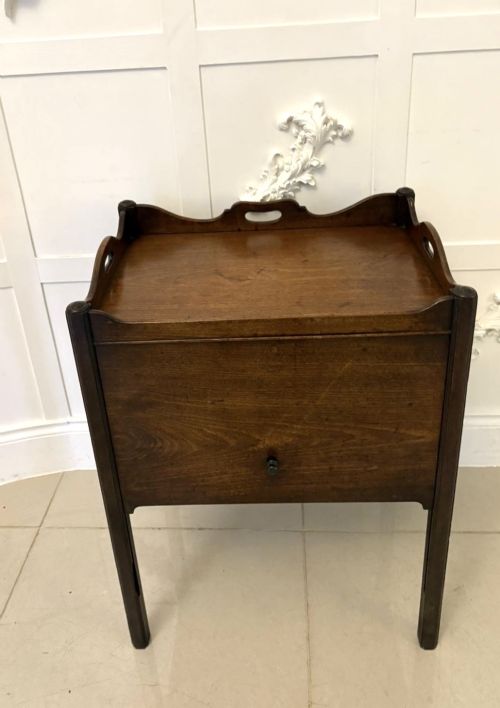
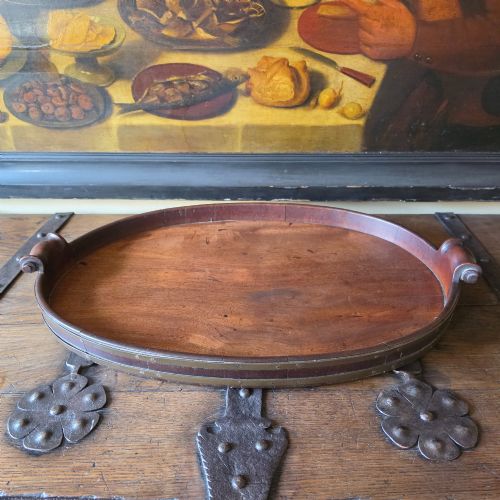
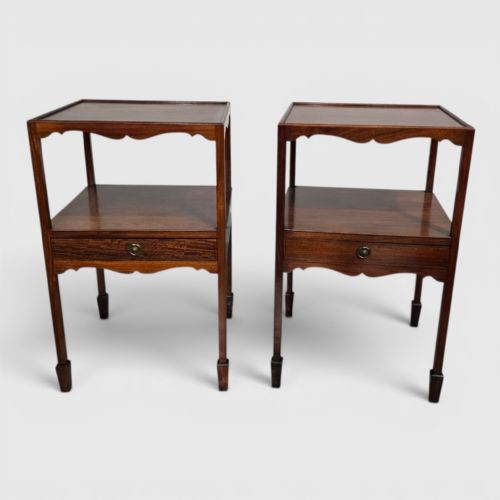
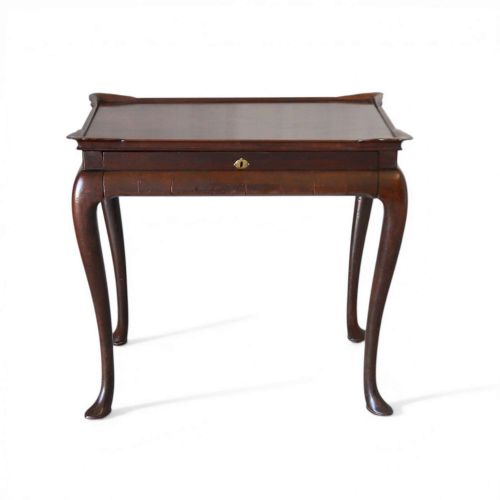
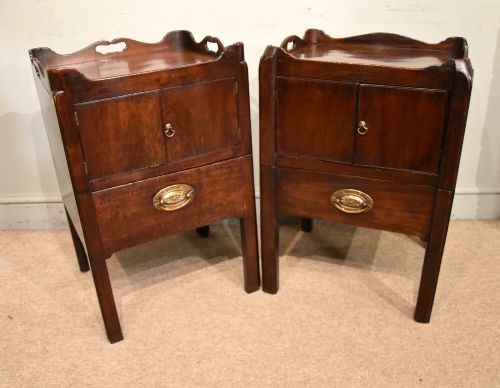
An 18th century mahogany tray appears in several distinct formats, ranging from portable serving pieces and card trays to large butler's trays mounted on folding stands. The most common iterations on this page comprise serving vessels, oval galleried pieces, and specialised tray tops integrated into bedside commodes or lamp tables.
The periods represented stretch across Georgian reigns, encompassing George II, George III, and Sheraton designs. Workshops of the era produced these items in various proportions, from small domestic card trays to large silver tables and serving pieces.
Originating in domestic English interiors, these objects served practical functions in dining and entertaining before finding permanent places as stands and lamp tables. The selection mixes standalone portable trays with pieces permanently married to dedicated wooden or brass-mounted supports.
Judging Quality
The standard of an 18th century mahogany tray rests on the crispness of the edge mouldings, the selection of the mahogany grain, and the integrity of the joinery at the corners. Superior examples display restrained inlay and harmonious proportions rather than excessive ornamentation.
Surface finish dictates visual success, where honest patination achieved through decades of handling elevates the timber. Pieces with original stands or undisturbed brass handles command greater interest from collectors than later replacements.
18th Century Mahogany Tray Retail Price Guide 2026
Typical asking prices for 18th century mahogany tray among the pieces listed under this phrase on Sellingantiques today, from the lower quarter to the upper quarter. They describe what is for sale here now, not the wider market.
Cheese coasters on tiny rollers allowed diners to pass port and cheese smoothly around a mahogany table without spilling.
The 18th Century Mahogany Tray Glossary
- Tray top
- A raised rim carved directly from the solid timber of a tabletop or serving surface to prevent items from sliding off.
- Commode
- A enclosed bedside cabinet or cupboard, frequently constructed with a tray top surface during the Georgian period.
- Butler's tray
- A portable rectangular or oval tray featuring hinged or cut-out handles, designed to rest upon a folding wooden stand.
- Galleried
- Describes a raised decorative border fitted around the perimeter of a tray or table top.
- Cuban mahogany
- A dense, dark timber imported from the Caribbean during the 18th century, valued for its rich grain and weight.
18th Century Mahogany Tray: Frequently Asked Questions
How were these trays used originally?
Servants used portable trays to carry tea, wine, or silver services between rooms in large houses. Stand-mounted versions functioned as temporary side tables during dining or evening assemblies.
Over time, many smaller trays transitioned into permanent domestic fixtures for holding cards, letters, or small decorative objects.
Are the stands original to the trays?
Many butler's trays survive alongside their original folding wooden stands, sharing matching timber patination and wear patterns. Other examples represent later marriages where a portable tray was paired with a compatible period stand.
Examining the wear marks on the underside of the tray usually reveals whether it spent its life resting on that specific support.
How do I care for an 18th century mahogany surface?
Maintain the timber by applying occasional natural beeswax rather than modern liquid polishes, which can build up a cloudy residue. Keep the piece away from direct heat sources and strong sunlight to prevent the mahogany from drying or fading.
Gentle dusting with a soft, dry cloth preserves the historic patination accumulated over centuries.
What distinguishes George III pieces?
George III items typically exhibit refined proportions, disciplined use of satinwood or boxwood inlay, and lighter structural framing. Cabinetmakers of this era favoured classical symmetry and clean architectural lines.
Details such as shaped gallery edges and subtle bracket feet help separate these mid-to-late century works from earlier, heavier designs.