

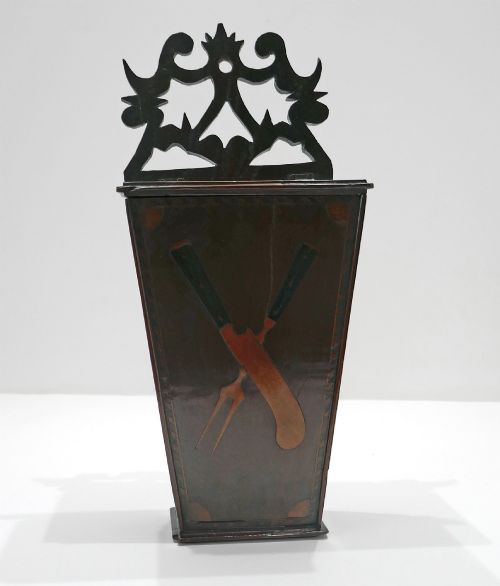
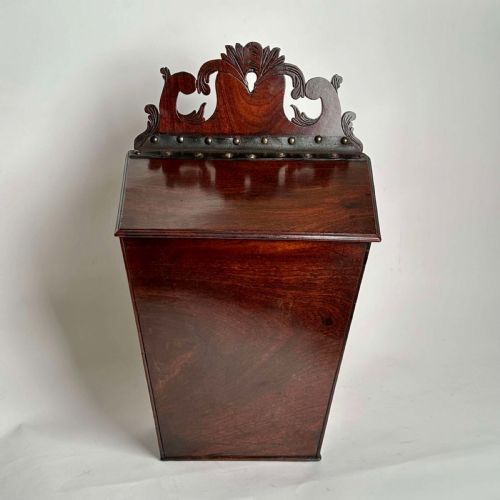


Georgian Wooden Cutlery Tray
Georgian wooden cutlery tray pieces are domestic storage items built from timber to organise tableware for the table or pantry.
Georgian Wooden Cutlery Tray
A georgian wooden cutlery tray is a functional domestic container designed to hold knives, forks, spoons, or bottles in a country house or townhouse. These items serve daily household routines rather than purely decorative functions, though many exhibit fine cabinet-making.
The selections here encompass objects spanning the seventeenth century through to the nineteenth century. Buyers encounter forms ranging from simple compartmentalised carrying trays in oak to more elaborate wine bottle carriers fitted with brass handles.
Makers fashioned these utilitarian items to withstand frequent handling in busy kitchens and dining rooms. Examples include deep containers originally intended for fruit and nuts alongside handled troughs used by housekeepers.
How they were made
Cabinet-makers relied heavily on native and imported timbers, principally selecting mahogany and oak for their durability and grain. Walnut and pine also appear among the construction materials, occasionally finished with paint to suit regional preferences.
Metal hardware such as brass handles and reinforcements provided practical strength for carrying heavy loads of cutlery or glass. Linings of baize protected delicate tableware surfaces from scratching against the wooden base.
Joinery techniques varied from robust country folk art construction to refined urban cabinet-making. Craftsmen shaped partitions inside the trays to separate different types of utensils securely during transit.
Georgian Wooden Cutlery Tray Retail Price Guide 2026
Typical asking prices for georgian wooden cutlery tray among the pieces listed under this phrase on Sellingantiques today, from the lower quarter to the upper quarter. They describe what is for sale here now, not the wider market.
One tray comes painted in bright Welsh red, proving that Georgian ancestors enjoyed a splash of bold colour in the pantry.
What varies in quality
Quality rests primarily on the selection of timber and the precision of the joinery rather than ornamental excess. Pieces built from well-figured mahogany or richly patinated oak demonstrate superior original construction.
The presence of original brass hardware and fitted interior partitions elevates a piece above simpler alternatives. Bold shaping of the timber sides and clever internal divisions reflect the skill invested by the maker.
The Georgian Wooden Cutlery Tray Glossary
- Cutlery box
- A rigid container designed specifically for storing eating utensils when not in use on the dining table. These often feature hinged lids or carry handles.
- Wine accessories
- Equipment utilised for storing, serving, or transporting bottles and glassware. This category includes caddies and carriers fitted with internal sections.
- Baize
- A coarse woolen material resembling felt, frequently used to line the interior base of trays. It cushions silver and steel items to prevent movement and noise.
- Country house
- A large residential estate requiring extensive domestic organisation and staff. Objects originating from these settings often show robust utilitarian design.
Georgian Wooden Cutlery Tray: Frequently Asked Questions
What were these trays used for?
These trays served to transport and organise cutlery, bottles, and household provisions between the kitchen and dining rooms.
Housekeepers and butlers utilised them daily to keep dining implements orderly and ready for service.
How do I date a wooden tray?
Dating relies on examining the timber species, construction joints, and overall form relative to known stylistic periods.
Earlier examples often display hand-sawn board marks and simpler regional joinery compared to later urban cabinet work.
Where should I place one?
These pieces fit naturally on sideboards, side tables, or open shelving where their timber grain adds warmth to a room.
Their sturdy construction also makes them practical for holding everyday items in modern living spaces.
Are painted finishes authentic?
Painted surfaces do appear on regional items, particularly Welsh country folk art pieces from the nineteenth century.
Such finishes protected the underlying pine or softwood and reflect local domestic traditions.