
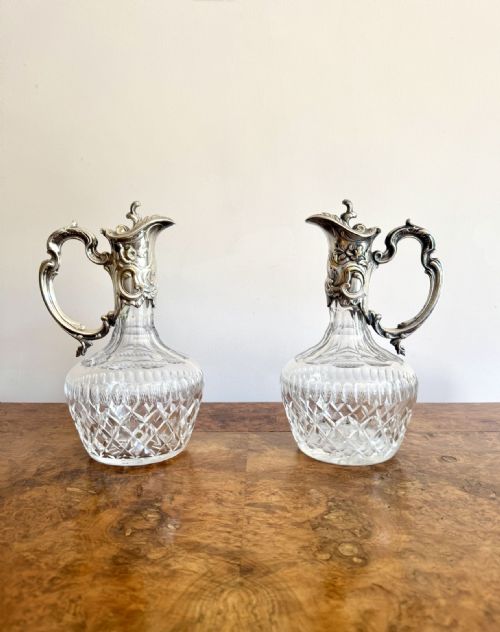


Cut Crystal Claret Jug
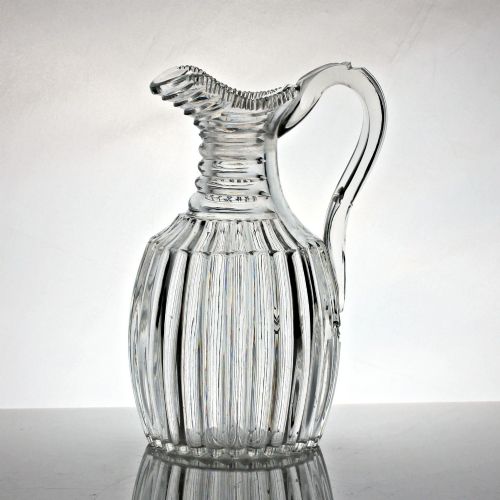
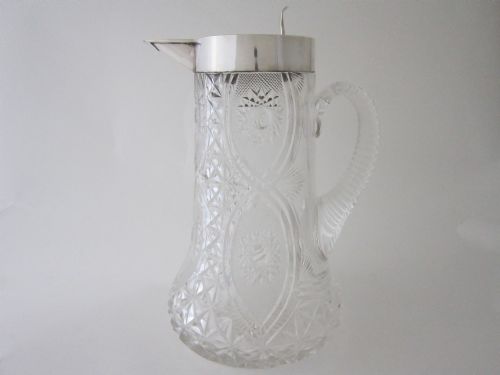
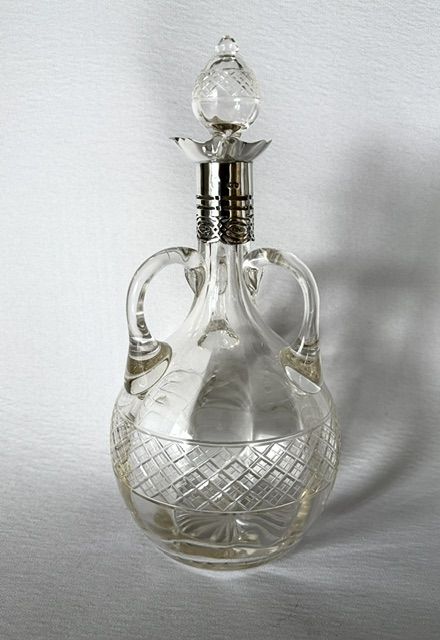
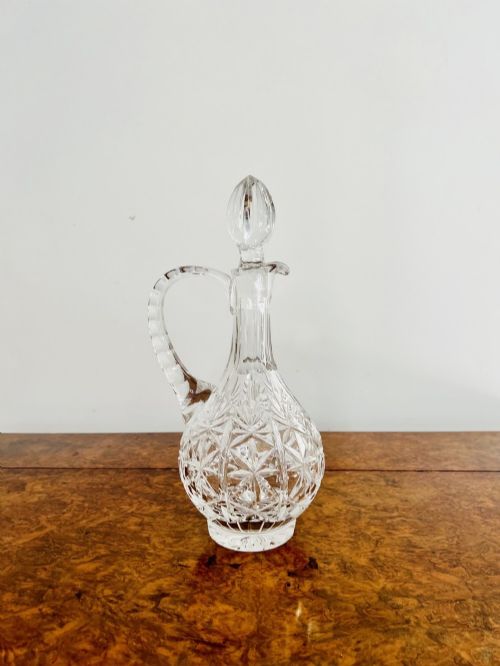
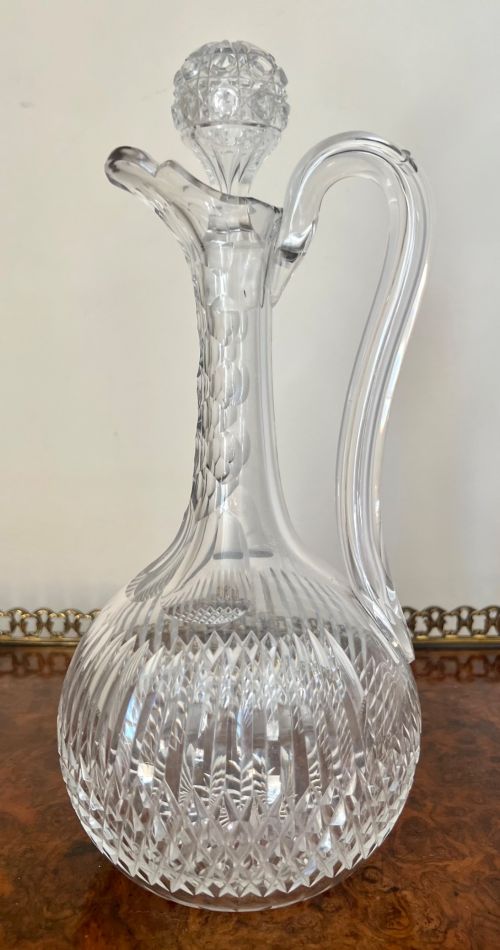
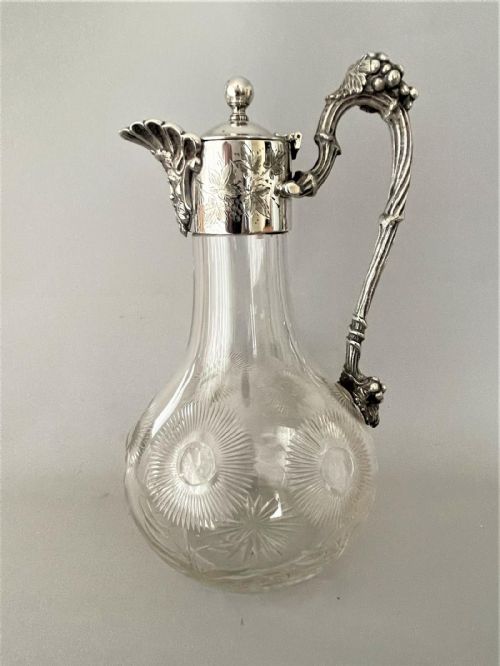
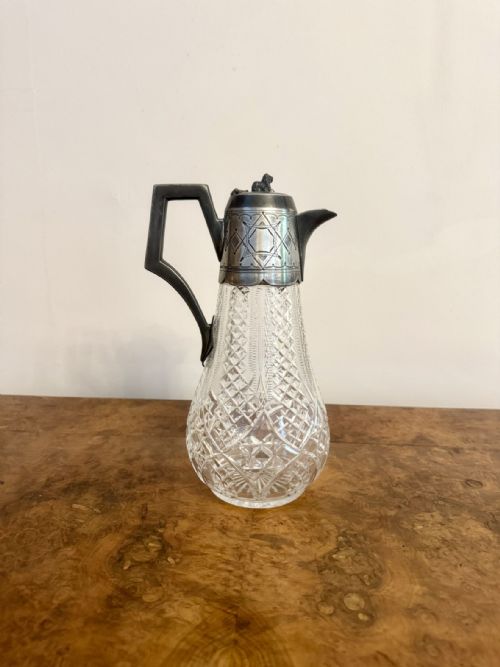
These cut crystal claret jug examples bring heavy table glass and bright metal mounts together for formal dining.
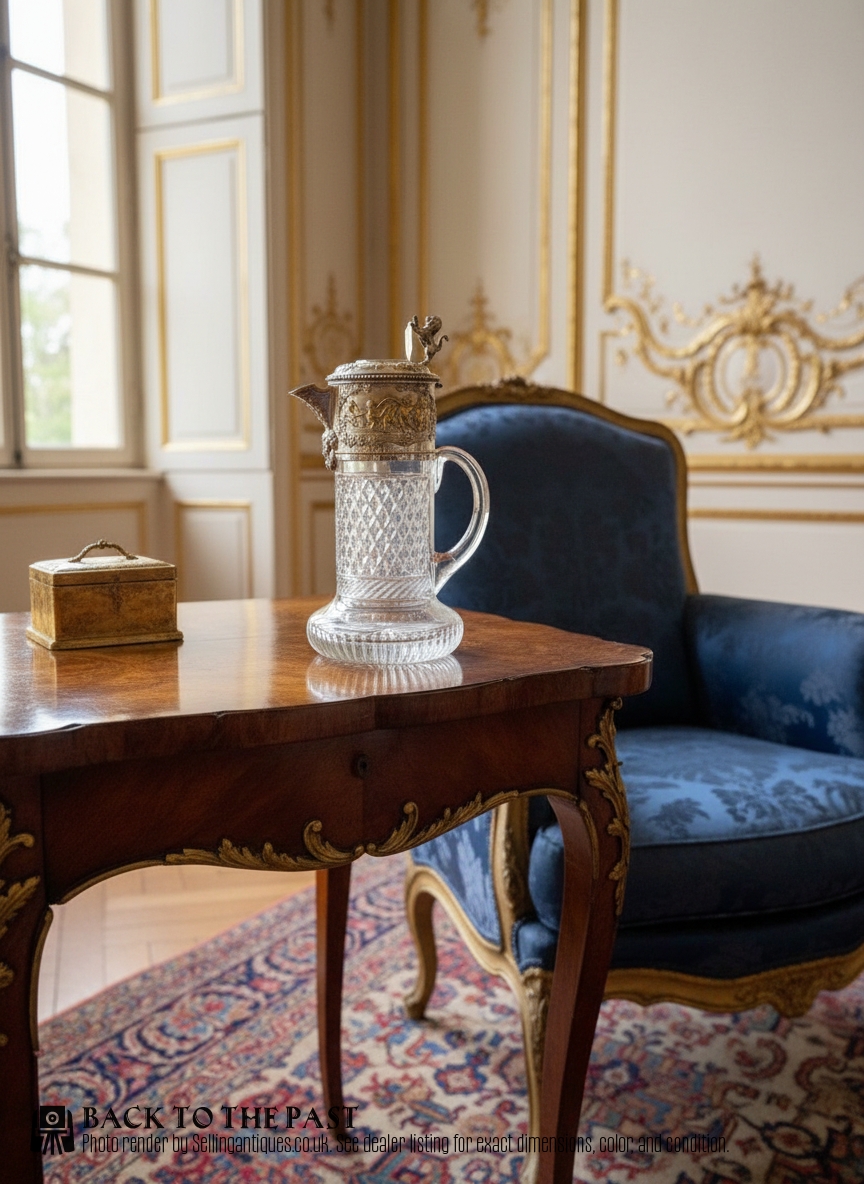
Understanding cut crystal claret jug pieces
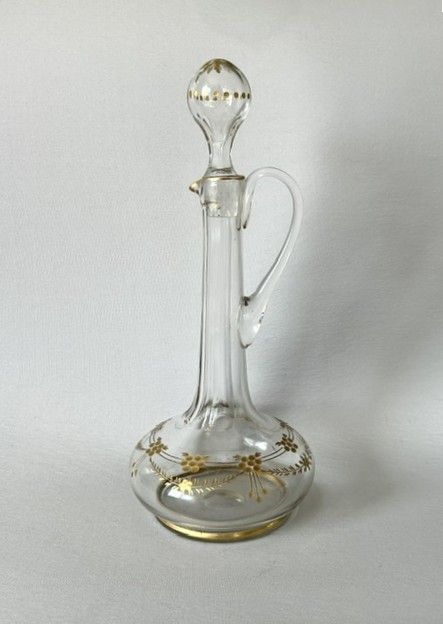
A cut crystal claret jug combines a glass body with metal mounts, primarily found from Victorian and Edwardian periods.
The archive shows these vessels span from the mid-nineteenth century through the early twentieth century, including George V and Art Deco iterations.
Most examples pair cut glass or crystal bodies with either sterling silver or silver plate handles, collars, and hinged lids.
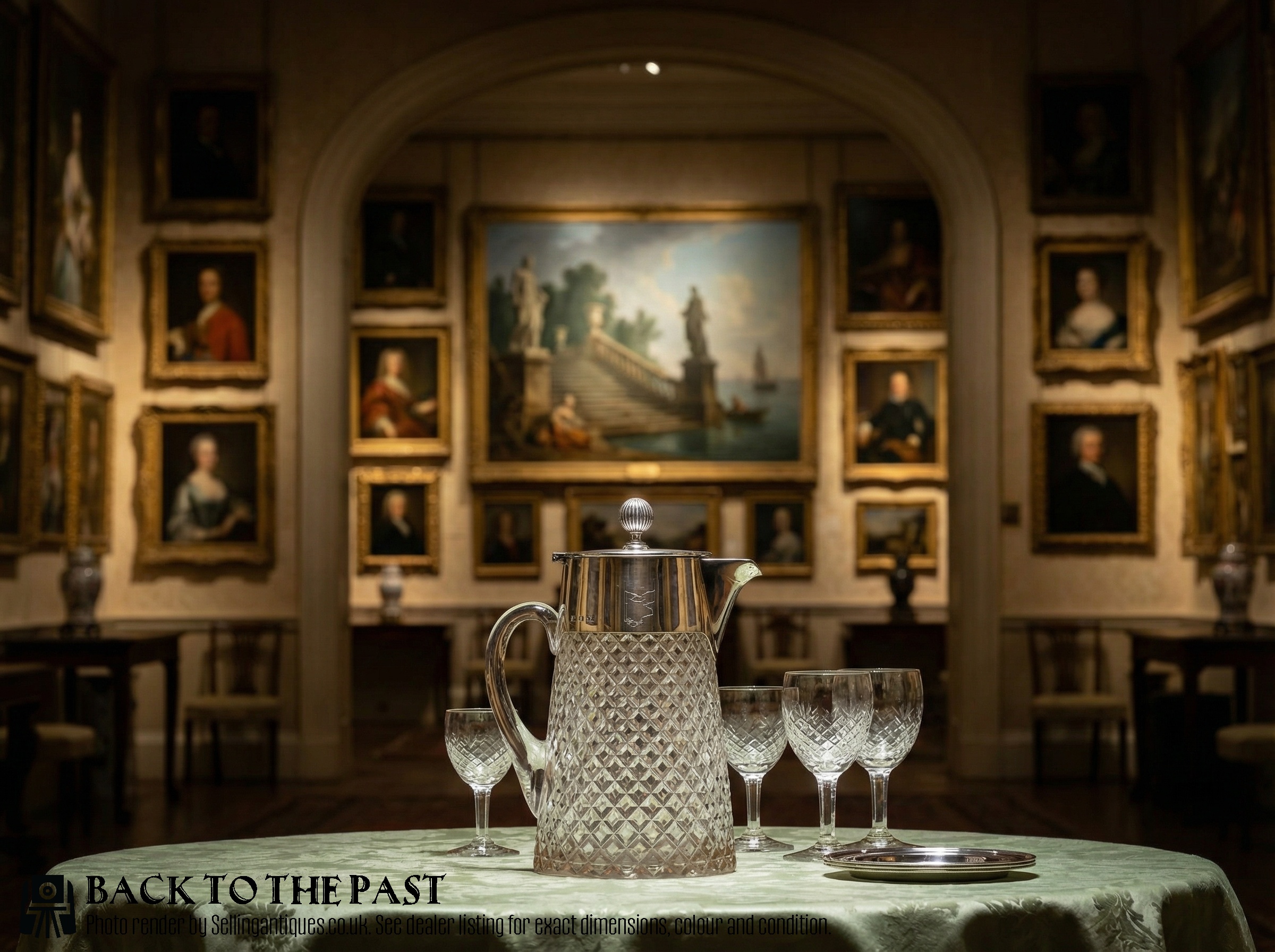
Materials and construction
Makers shaped the heavy glass bodies through deep cutting and engraving to catch the light, paired with blown crystal.
Metal components utilise sterling silver or silver plate, frequently bearing hallmarks from London or specific maker workshops.
Retail Price Guide 2026
Typical UK retail prices for cut crystal claret jug, calculated from the Sellingantiques database of over a million retail prices indexed since 2003. This retail price guide relies exclusively on Sellingantiques data; no external sources or auction records are used, so the figures do not describe the wider market.
Many jugs survived decades of formal dinners without losing their original hinged lids.
Distinctions in craftsmanship
Depth and crispness of the glass cutting separate standard jugs from finer examples, alongside the weight and clarity of the crystal.
The substance of the silver mounts and the precision of the hinged lid mechanism dictate the standing of the piece.
Hukin & Heath·Fenton Brothers·Edgar Finley & Hugh Taylor·Elkington & Co·William Hutton
The Cut Crystal Claret Jug Glossary
- Claret jug
- A specialised vessel designed for serving red wine at the dining table, typically fitted with a pourer and handle.
- Sterling silver
- A silver alloy containing substantial pure silver by weight, often stamped with assay office hallmarks.
- Silver plate
- A thin layer of silver applied over a base metal foundation, common on nineteenth-century tablewares.
- Cut crystal
- Glass with a high lead content that is deeply wheel-cut to produce sharp geometric or floral patterns.
Frequently Asked Questions
How do I date a claret jug?
Dating relies heavily on silver hallmarks stamped onto the mounts, which indicate the assay office and exact year of production.
Stylistic cues in the glass cutting and handle shape also point towards Victorian, Edwardian, or later periods.
Were these used only for wine?
These vessels were created specifically for serving claret and other red wines during formal nineteenth and twentieth-century meals.
The hinged lid kept the contents covered while the spout allowed controlled pouring into glasses.
How do I clean the glass safely?
Warm water and mild detergent protect the antique glass and delicate silver mounts from unnecessary chemical damage.
Avoid soaking silver-plated components for extended periods to preserve the original metal finish.
What is the difference between silver and plate?
Sterling silver items consist of solid precious metal throughout and carry official assay office stamps for verification.
Silver-plated examples feature a base metal body covered in a protective layer of silver.