

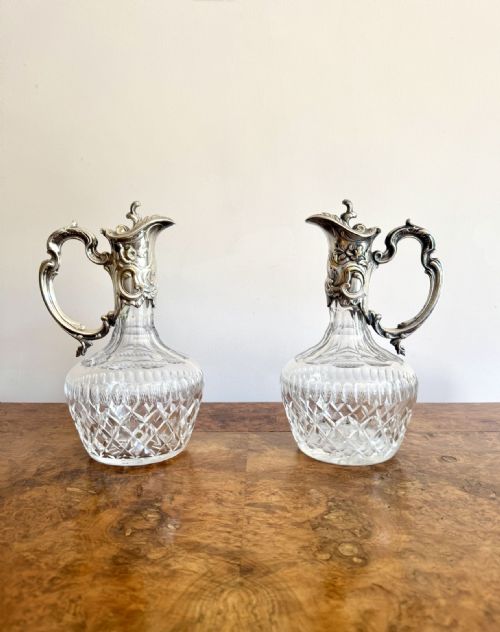


Vintage Glass Wine Pitcher
A vintage glass wine pitcher brings functional elegance to the table, combining period craftsmanship with practical charm for serving wine.
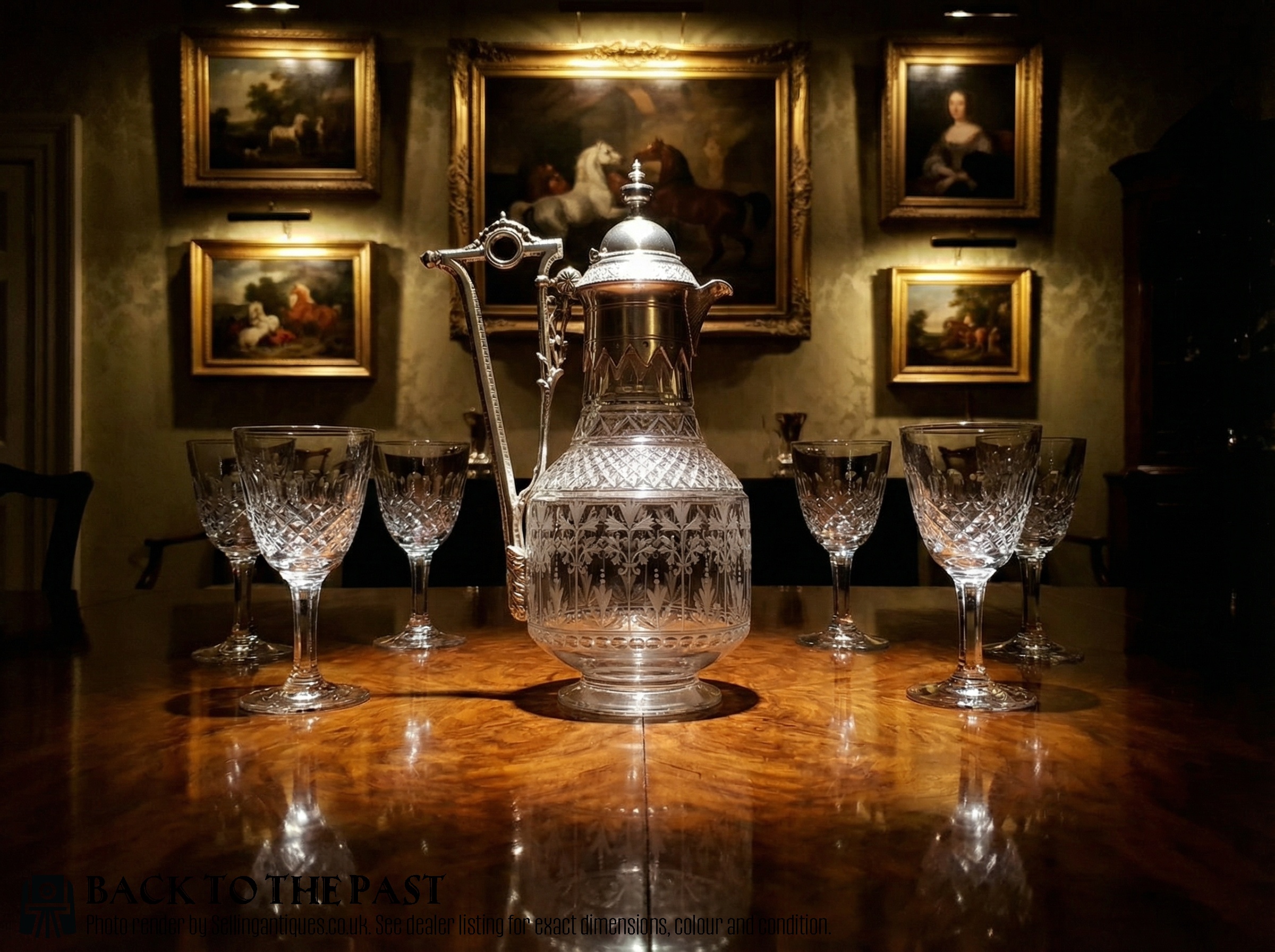
Vintage Glass Wine Pitcher
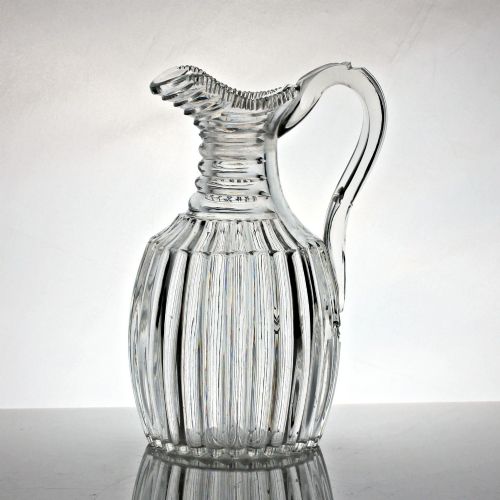
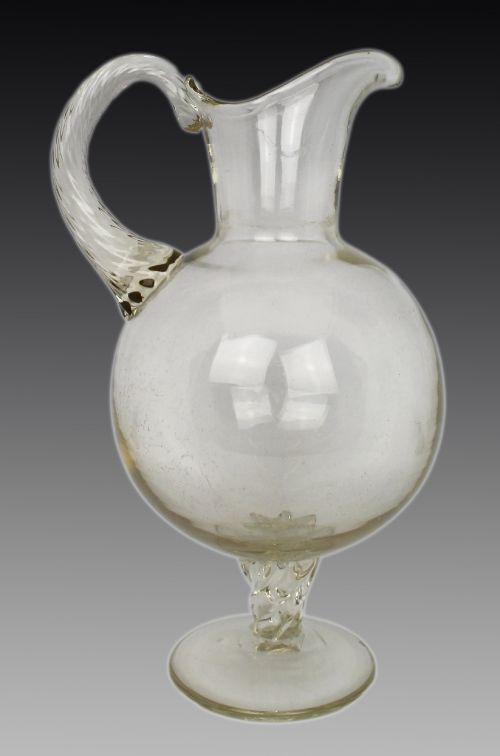
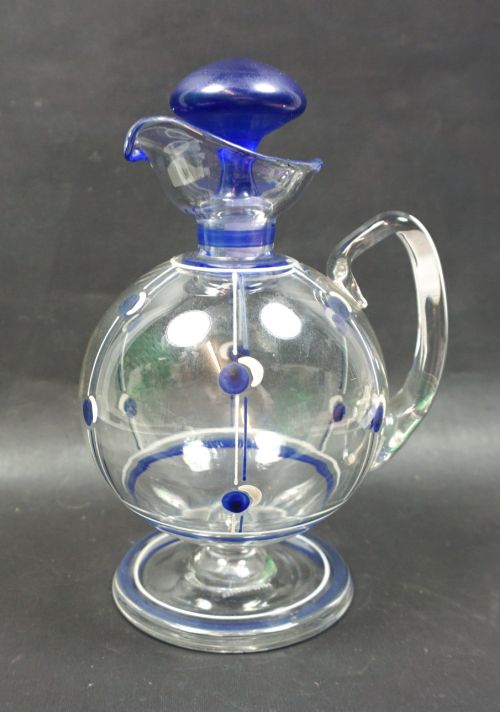
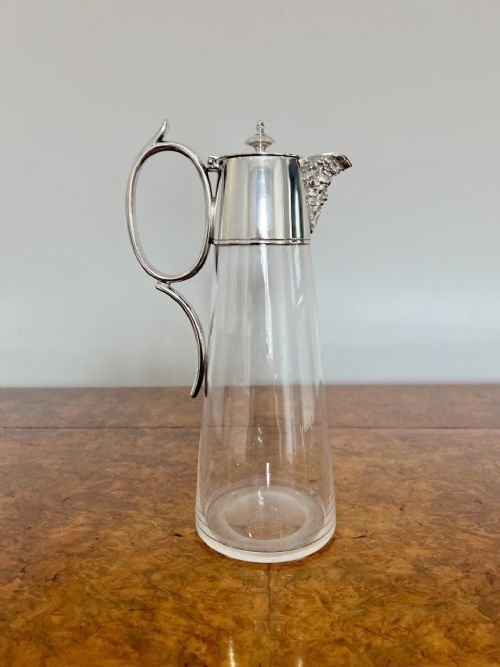
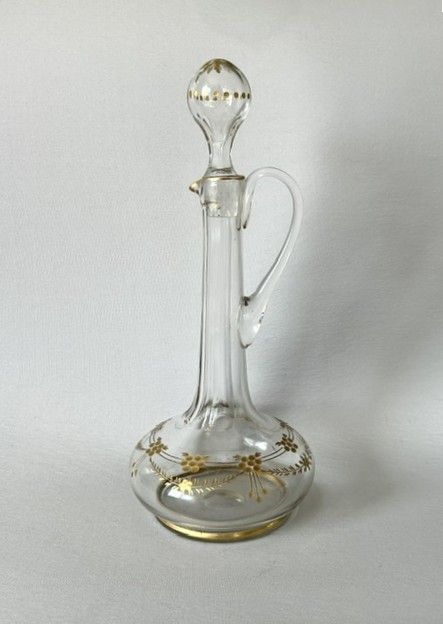
Makers and manufacturers utilised diverse regional styles, ranging from English silver-plated mounts to Bohemian cut glass and continental European blown vessels. Forms vary from traditional pillar-cut water jugs to slender ewers adorned with enamel painting or etched grape motifs.
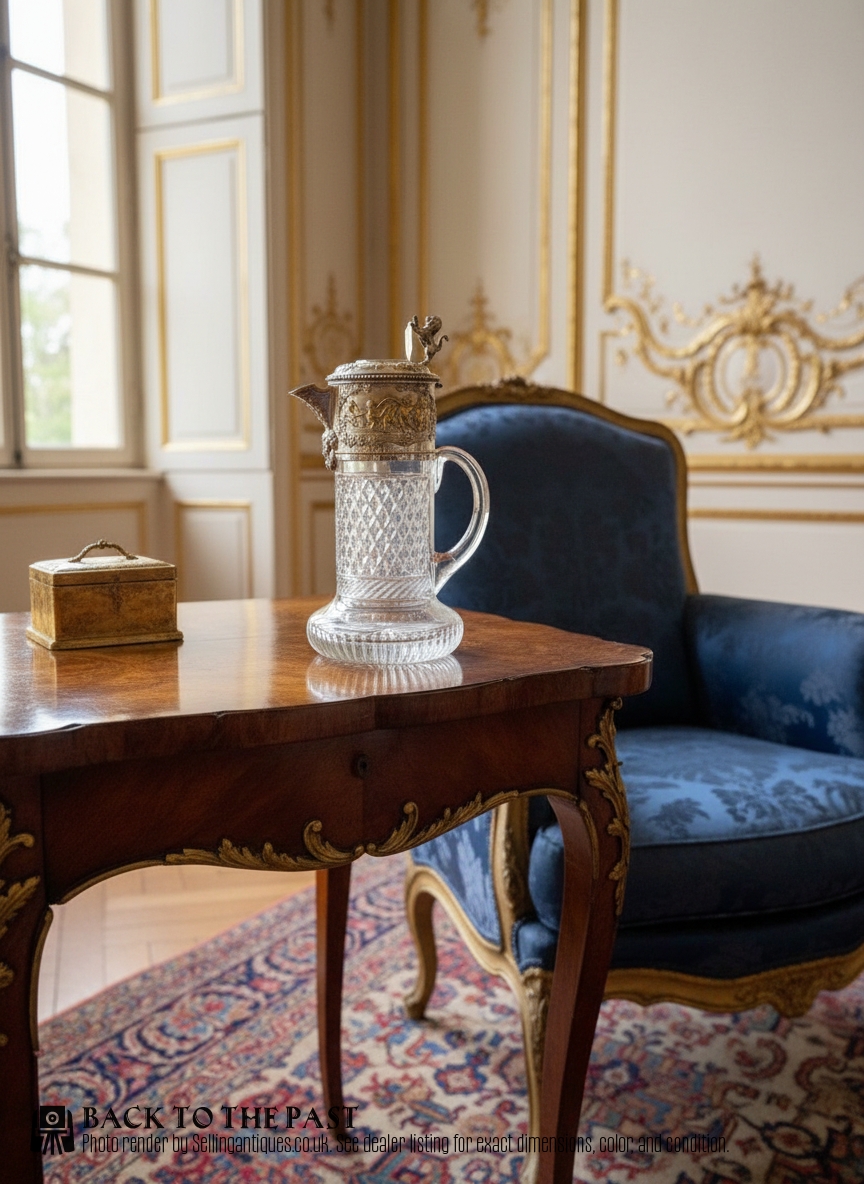
Materials and construction
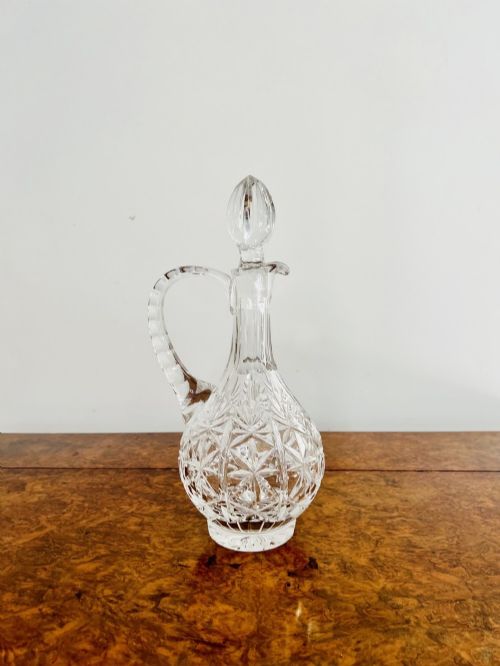
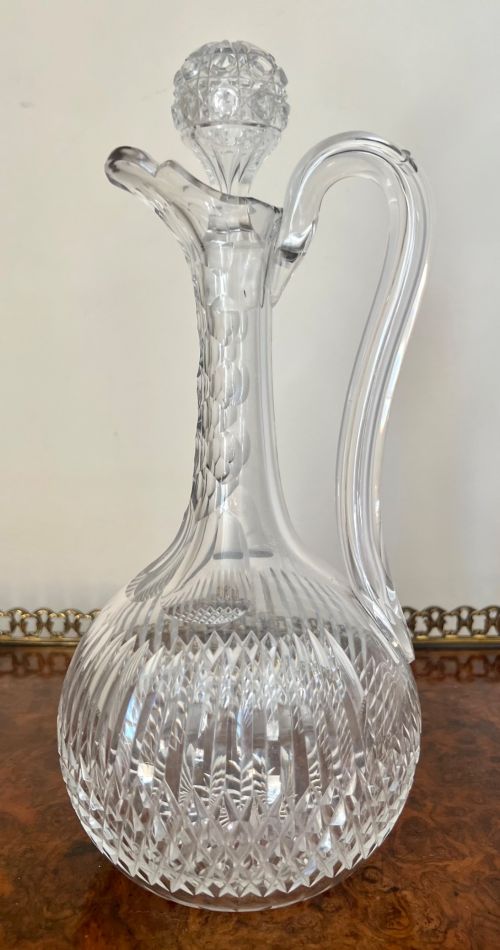
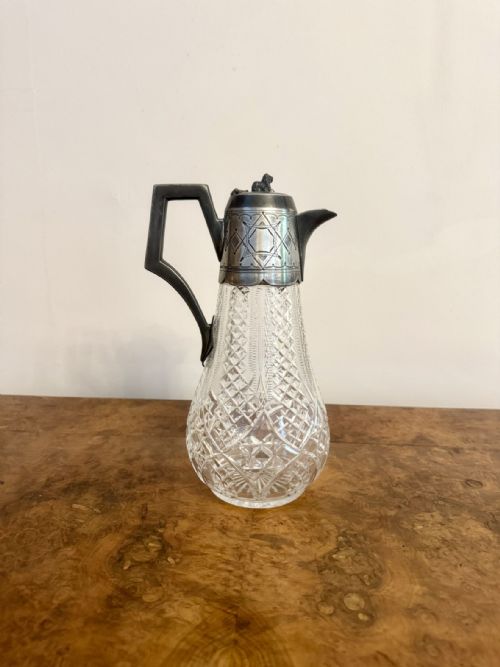
Craftsmen shaped these vessels using clear glass, lead crystal, or coloured glass such as cranberry, green, and amber hues. Techniques involved free-blowing, mould-blowing, and intricate wheel-cutting to create sharp facets like prism and pillar designs.
Metalwork played a structural role, with silver plate and sterling silver mounts, handles, and hinged covers fitted securely to the glass bodies. Pewter and enamel decoration also appear on continental and Art Nouveau examples.
Vintage Glass Wine Pitcher Retail Price Guide 2026
Typical asking prices for vintage glass wine pitcher among the pieces listed under this phrase on Sellingantiques today, from the lower quarter to the upper quarter. They describe what is for sale here now, not the wider market.
The inventory encompasses periods from the 1860s through the Art Deco era, featuring materials like cranberry glass, silver plate, and crystal.
Differentiating quality across pieces
Quality rests upon the clarity and weight of the glass, the precision of the wheel-cut facets, and the artistic depth of etchings or enamel work. Heavy lead crystal and deep, crisp cutting distinguish finer examples from simpler pressed glass vessels.
The integration of metal mounts also defines standard; secure silver-plated or sterling silver collars with well-fitted hinged lids demonstrate superior craftsmanship compared to plain or loosely fitted mounts.
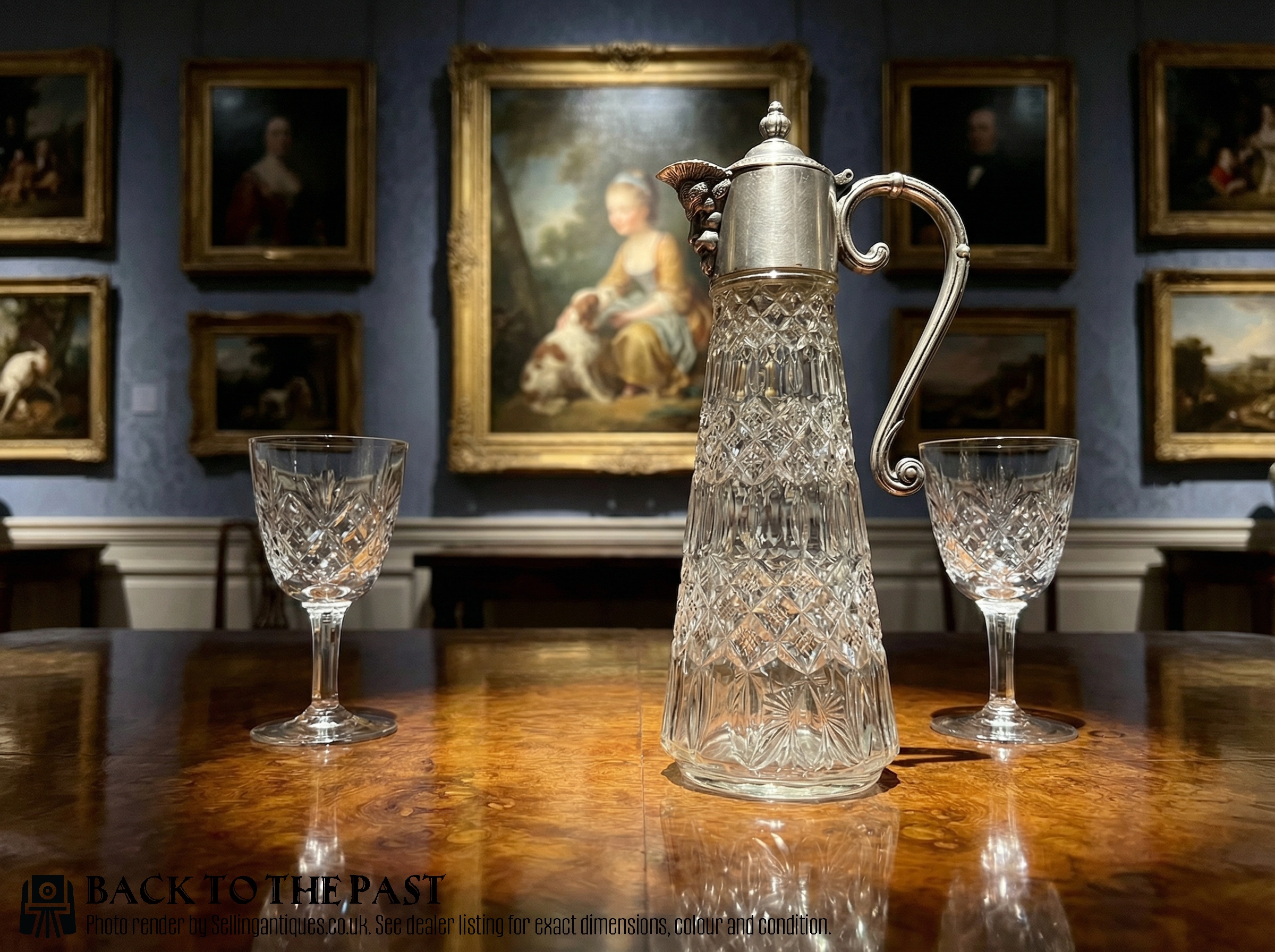
Hukin & Heath
The Vintage Glass Wine Pitcher Glossary
- Claret jug
- A specialised vessel designed specifically for serving red wine, usually featuring a handle and a hinged metal cover.
- Ewer
- A large jug with a wide spout and a decorative handle, often rooted in historical forms adapted for nineteenth-century dining.
- Silver plate
- A layer of silver fused to a base metal such as copper or Britannia metal, widely utilised for mounts and handles on Victorian and Edwardian jugs.
- Lead crystal
- A high-grade glass containing metallic oxide that increases weight, brilliance, and suitability for deep cutting.
- Intaglio
- A technique where designs are incised or sunken beneath the surface of the glass rather than carved in relief.
Vintage Glass Wine Pitcher: Frequently Asked Questions
What is a claret jug?
A claret jug is a specialised container intended for serving red wine at the table. These vessels typically combine a glass or crystal body with a metal handle and hinged lid.
Originating strongly in the Victorian and Edwardian eras, they were designed to aerate the wine and allow graceful pouring during formal meals.
How do I clean an antique decanter?
Cleaning requires warm water and mild detergent, avoiding harsh abrasives that might scratch the vintage glass or damage silver-plated mounts. Wooden bottle beads or specialised cleaning brushes help reach residue inside narrow necks.
Silver components should be polished carefully with a soft cloth while keeping polish away from the glass surface.
Can I use these pitchers daily?
Many collectors use these pieces for serving wine or water during special dinners. The robust nature of cut glass and sturdy silver-plated mounts makes them practical for occasional modern dining.
Hand washing is essential to preserve the vintage materials and prevent tarnishing of the metal mounts.
How do I date a glass wine pitcher?
Dating relies on stylistic markers such as the heavy geometric facets of Victorian cut glass, the organic curves of Art Nouveau pewter, or the clean lines of Art Deco enamel work. Hallmarks on silver or silver-plated mounts provide definitive assay office stamps and year letters.
Comparing the manufacturing technique and glass colour to documented periods narrows down the decade of production.