

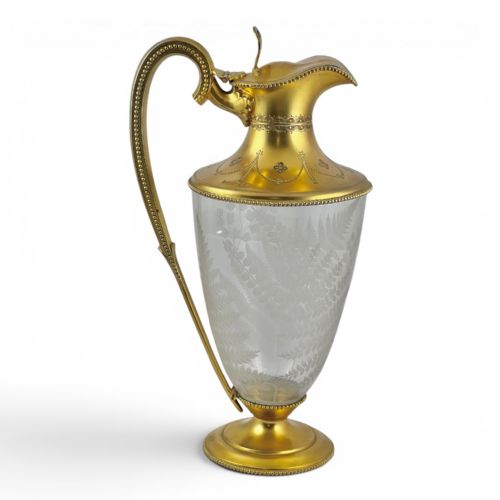
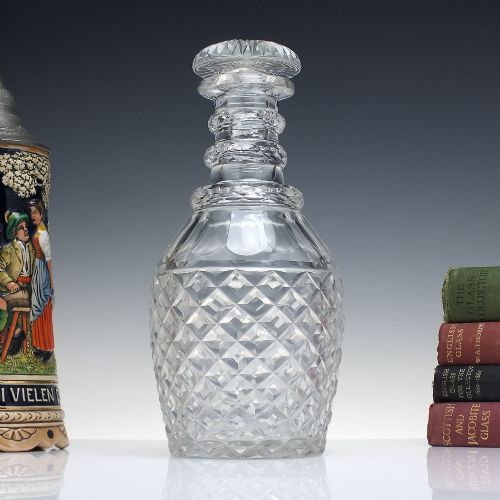
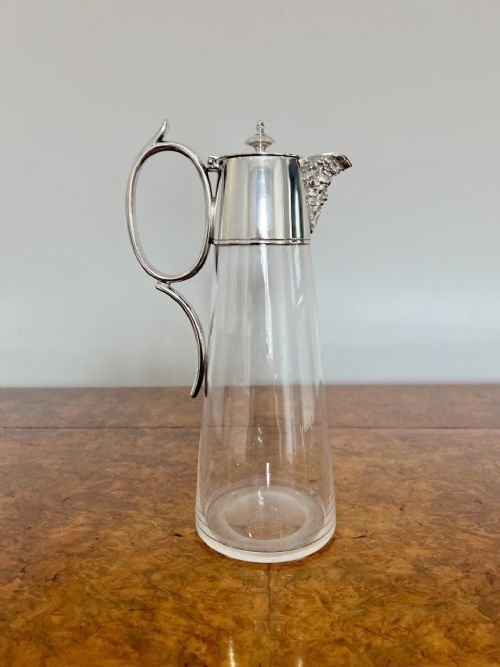
Antique Glass Wine Carafe
An antique glass wine carafe brings heavy cut crystal, cranberry glass and silver plate to the dining table with genuine nineteenth-century weight.
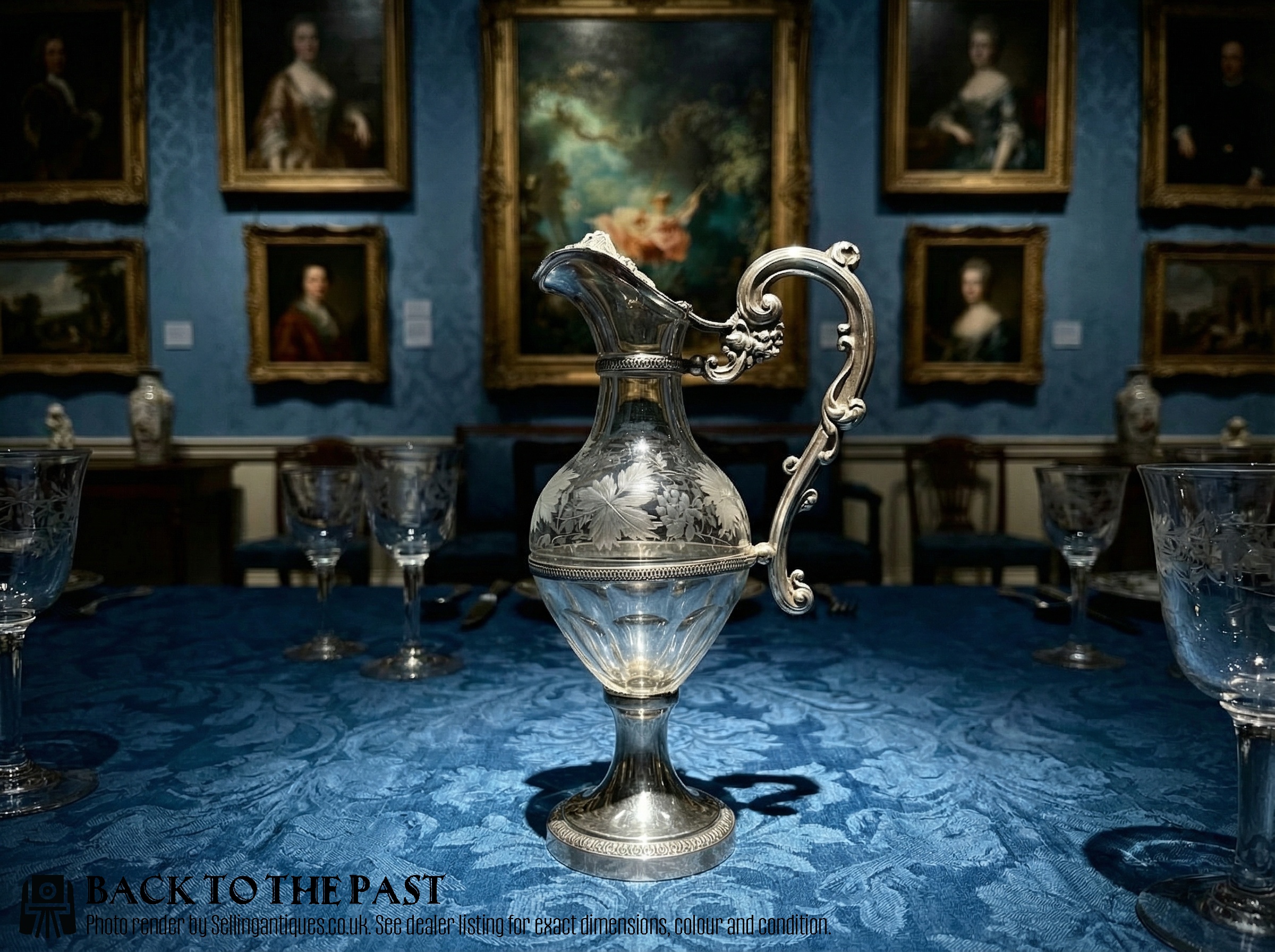
What an antique glass wine carafe is
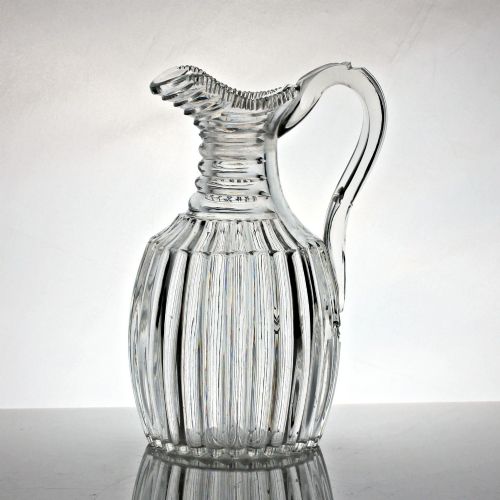
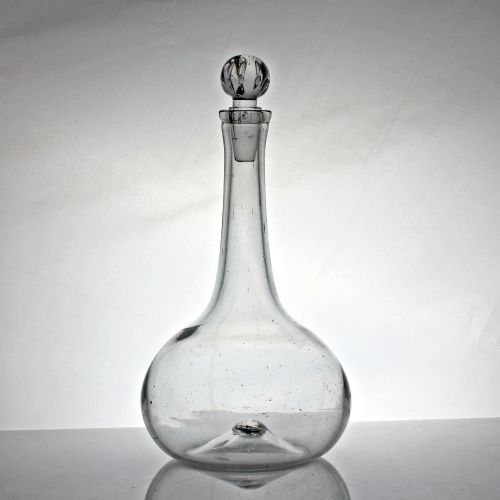
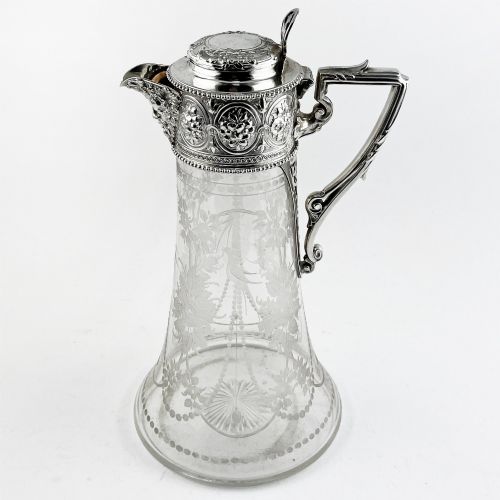
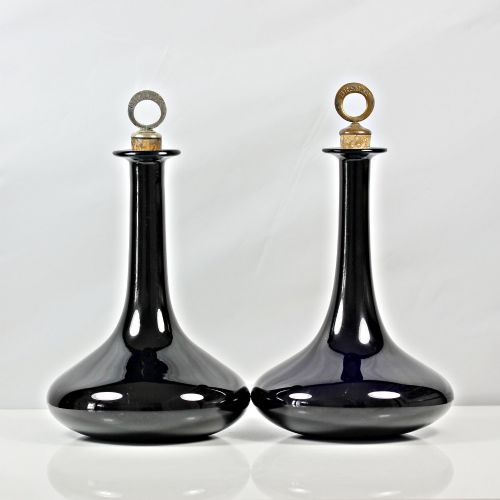
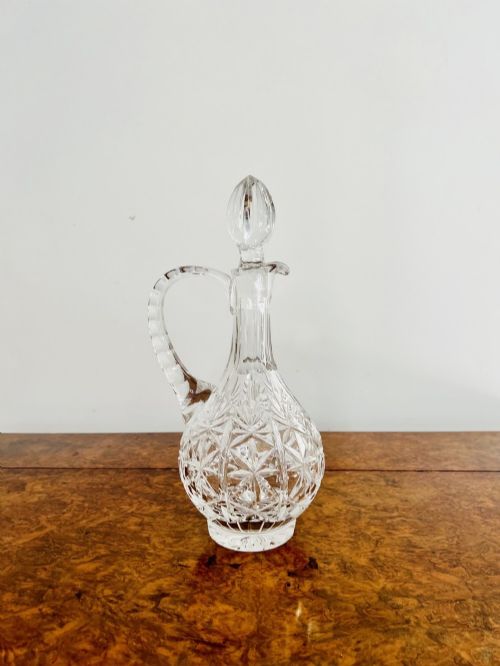
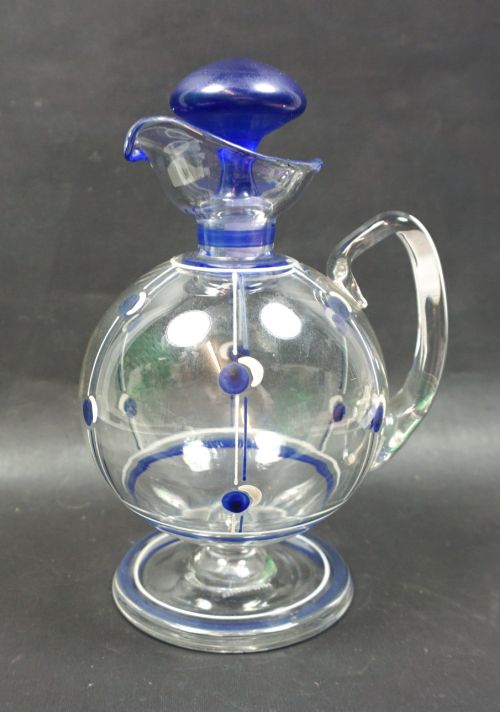
An antique glass wine carafe is a vessel for holding and serving wine, appearing across this selection in forms such as decanters, ewers, pitchers and jugs. These pieces span the Georgian, Victorian and Edwardian eras, encompassing styles from French Rococo Revival and Gothic Revival to straightforward nineteenth-century utility.
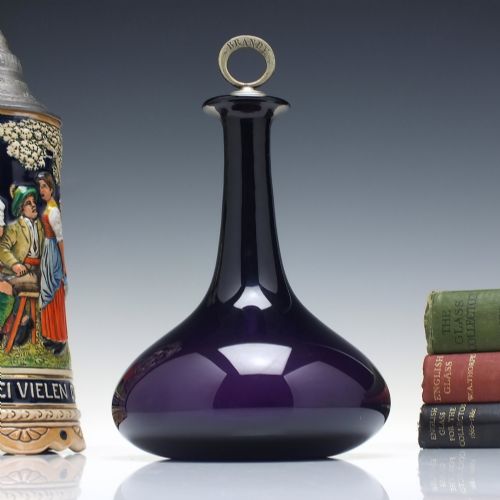
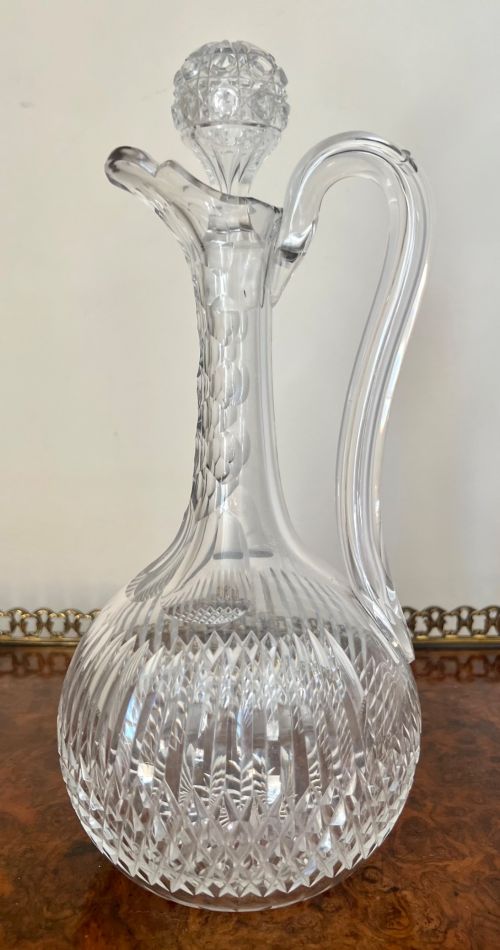
The version most commonly met on this page is the Victorian glass wine carafe or decanter, often shaped with cut crystal or coloured glass. Examples range from simple nineteenth-century glass vessels to ornate items fitted with sterling silver or silver plate collars.
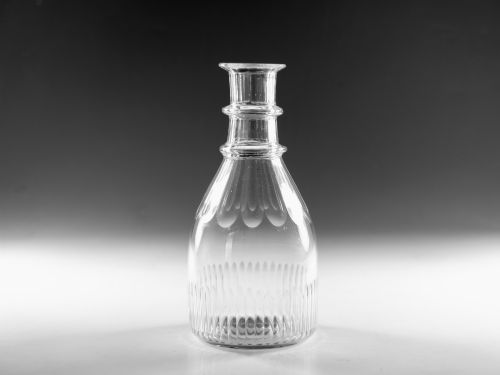
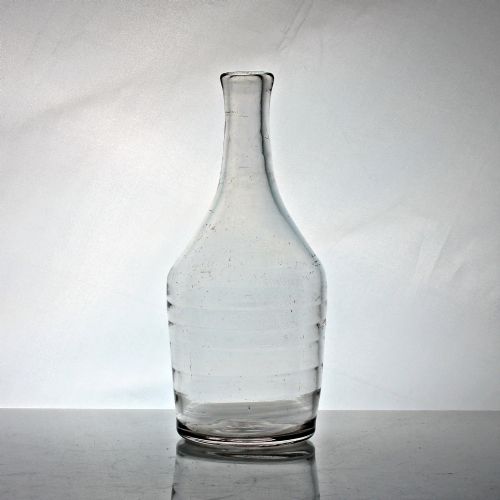
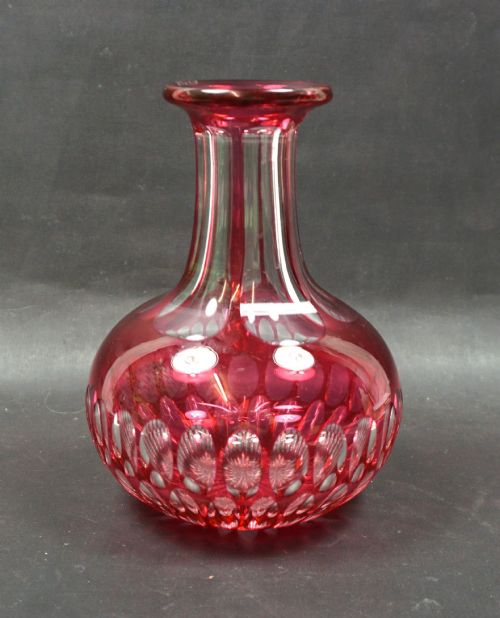
Earlier Georgian personal wine carafes and mid-nineteenth-century Nailsea glass or cranberry glass variants also appear in the record. Each piece reflects the dining customs of its period, whether designed for formal sideboard display or direct table service.
Materials and construction
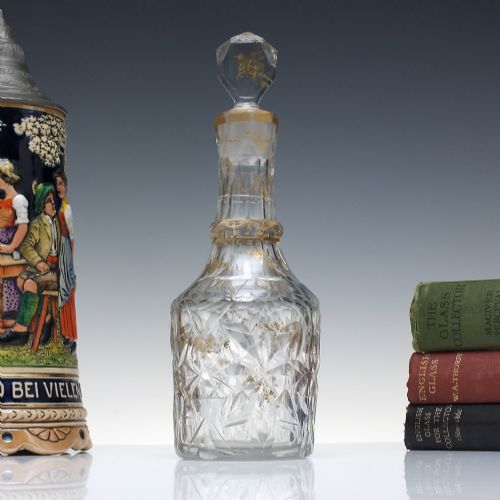
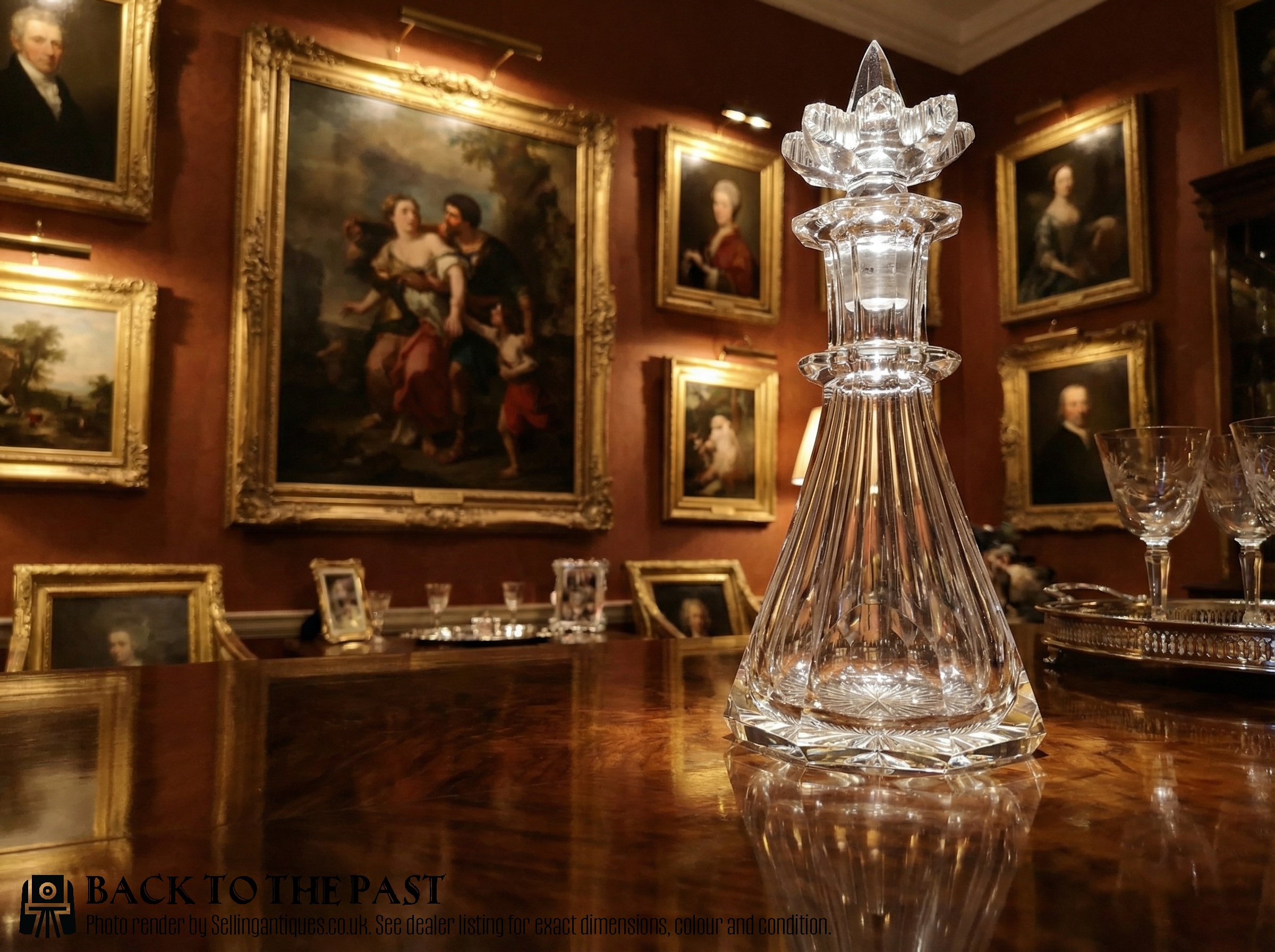
These carafes and decanters are constructed from glass, cut glass, cut crystal, lead crystal, cranberry glass and Nailsea glass. The material is frequently heavy, shaped by blowing and subsequent wheel-cutting to create faceted surfaces that catch the light.
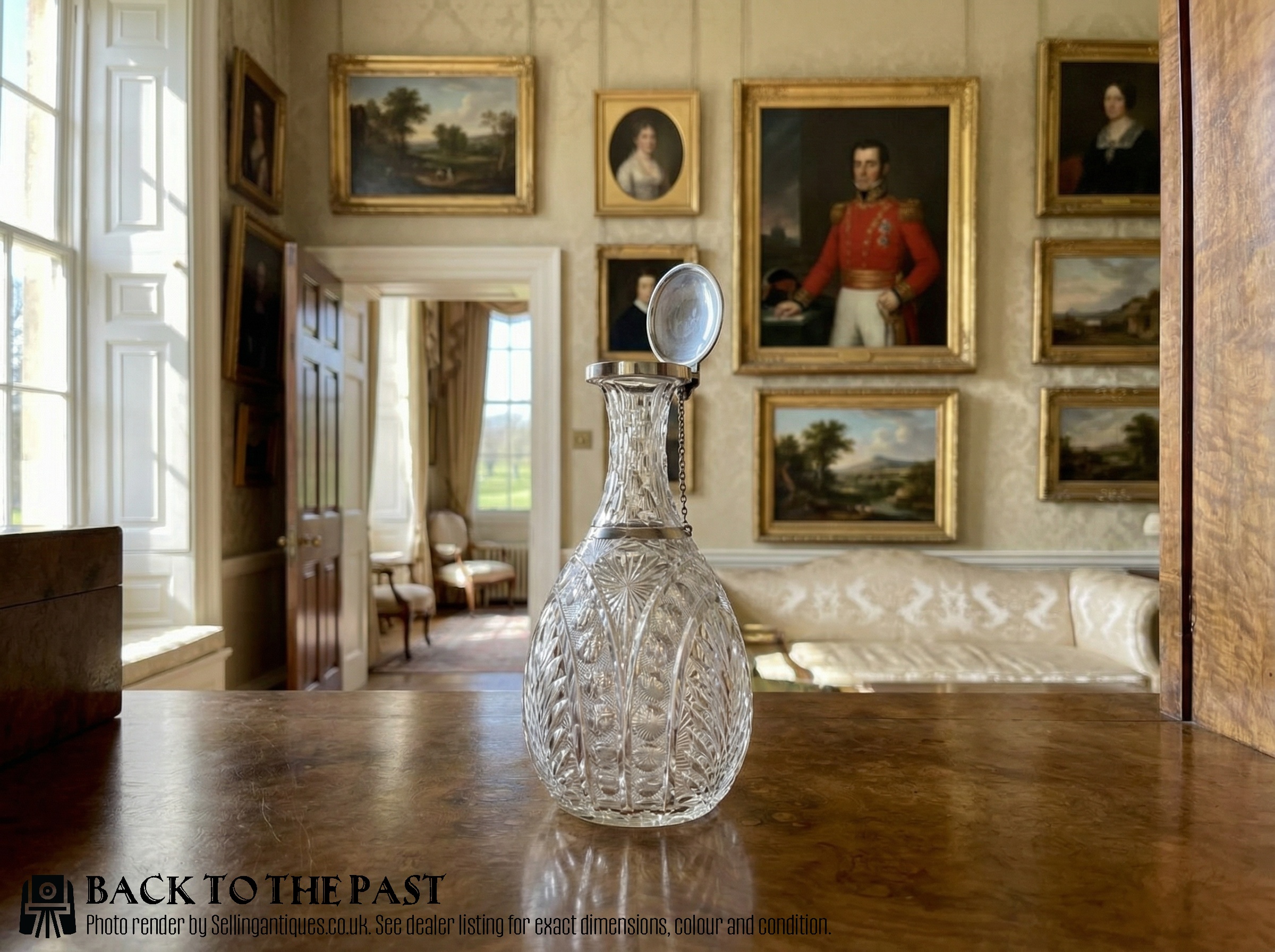
Metal components form an integral part of many pieces, utilising sterling silver and silver plate for collars, mounts, handles and pouring spouts. These metal additions are secured directly to the glass necks, combining two distinct craft traditions in a single vessel.
Retail Price Guide 2026
Typical UK retail prices for glass wine carafe, calculated from the Sellingantiques database of over a million retail prices indexed since 2003. This retail price guide relies exclusively on Sellingantiques data; no external sources or auction records are used, so the figures do not describe the wider market.
Nineteenth-century glassmakers occasionally added gold to molten glass simply to see it turn the rich red of a cranberry.
Distinctions in quality
Quality in these vessels rests upon the depth and crispness of the glass cutting and the purity of the crystal. Heavier lead crystal and deeply faceted surfaces separate finer examples from simpler, thinner blown glass.
The integration of precious metals marks another tier of distinction, where substantial sterling silver collars or ornate silver plate mounts elevate a functional vessel to a decorative centrepiece. The presence of specialised glass types like cranberry or Nailsea further distinguishes the work of skilled glasshouses.
The Antique Glass Wine Carafe Glossary
- Cut crystal
- Glass containing lead oxide that is faceted by grinding and polishing wheels to produce sharp, light-reflecting patterns. This material gives nineteenth-century decanters their characteristic heft and brilliance.
- Cranberry glass
- Transparent red glass coloured by the addition of gold chloride during manufacture. It became particularly popular during the Victorian period for decorative tableware and carafes.
- Silver plate
- A layer of silver fused to a base metal, commonly utilised for the collars and handles of nineteenth-century wine jugs. This technique provided the appearance of solid silver at a lower cost.
- Nailsea glass
- Glass characterised by looped or combed patterns of coloured glass trailing across a contrasting background. Originating in Somerset, it frequently appears on nineteenth-century carafes.
- Ewer
- A large jug with a wide spout and a curved handle, traditionally used for holding and pouring liquids. In nineteenth-century examples, it often incorporates both glass bodies and silver mounts.
Frequently Asked Questions
What is the difference between a decanter and a carafe?
A decanter typically includes a fitted glass stopper to seal the contents, whereas a carafe is generally an open-necked vessel meant for immediate table service.
Historical examples on this page overlap in terminology, with both forms utilising glass, crystal and metal mounts.
How do I date a Victorian glass carafe?
Dating relies on stylistic clues such as the presence of Gothic Revival or Rococo Revival motifs, alongside the type of glass and metalwork used.
Victorian pieces often display heavier cutting and specific colour treatments like cranberry glass that distinguish them from earlier Georgian or later Edwardian items.
Were these carafes used for wine or water?
These vessels were primarily produced for serving wine at the dining table, though their large capacities and pouring lips also suited water and other beverages.
Silver-collared jugs and ewers frequently served a dual purpose depending on the formality of the dining setting.
How should I clean an antique glass wine carafe?
Cleaning requires gentle warm water and mild detergent, avoiding sudden temperature changes that could fracture nineteenth-century glass.
Metal collars in silver plate or sterling silver should be polished separately with appropriate cloths to prevent tarnish from reaching the glass.