
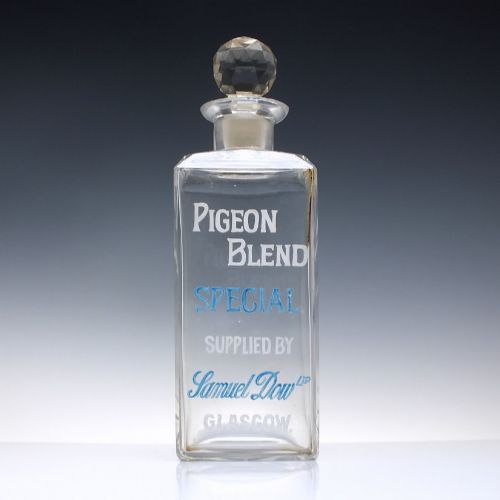

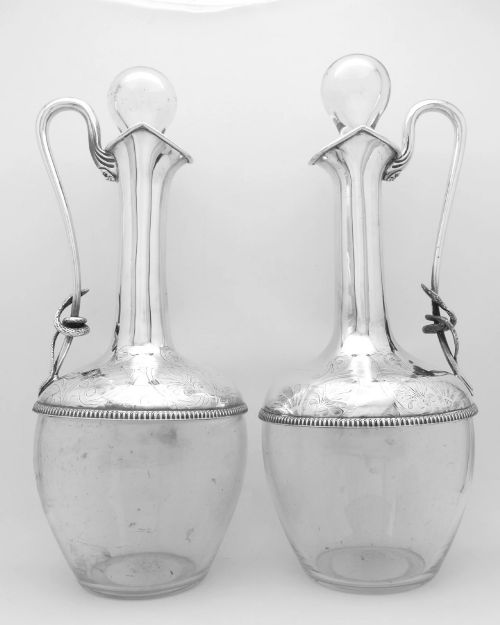
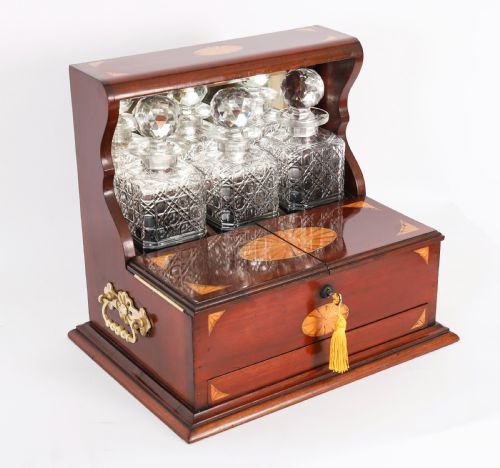
19th Century Glass Decanter
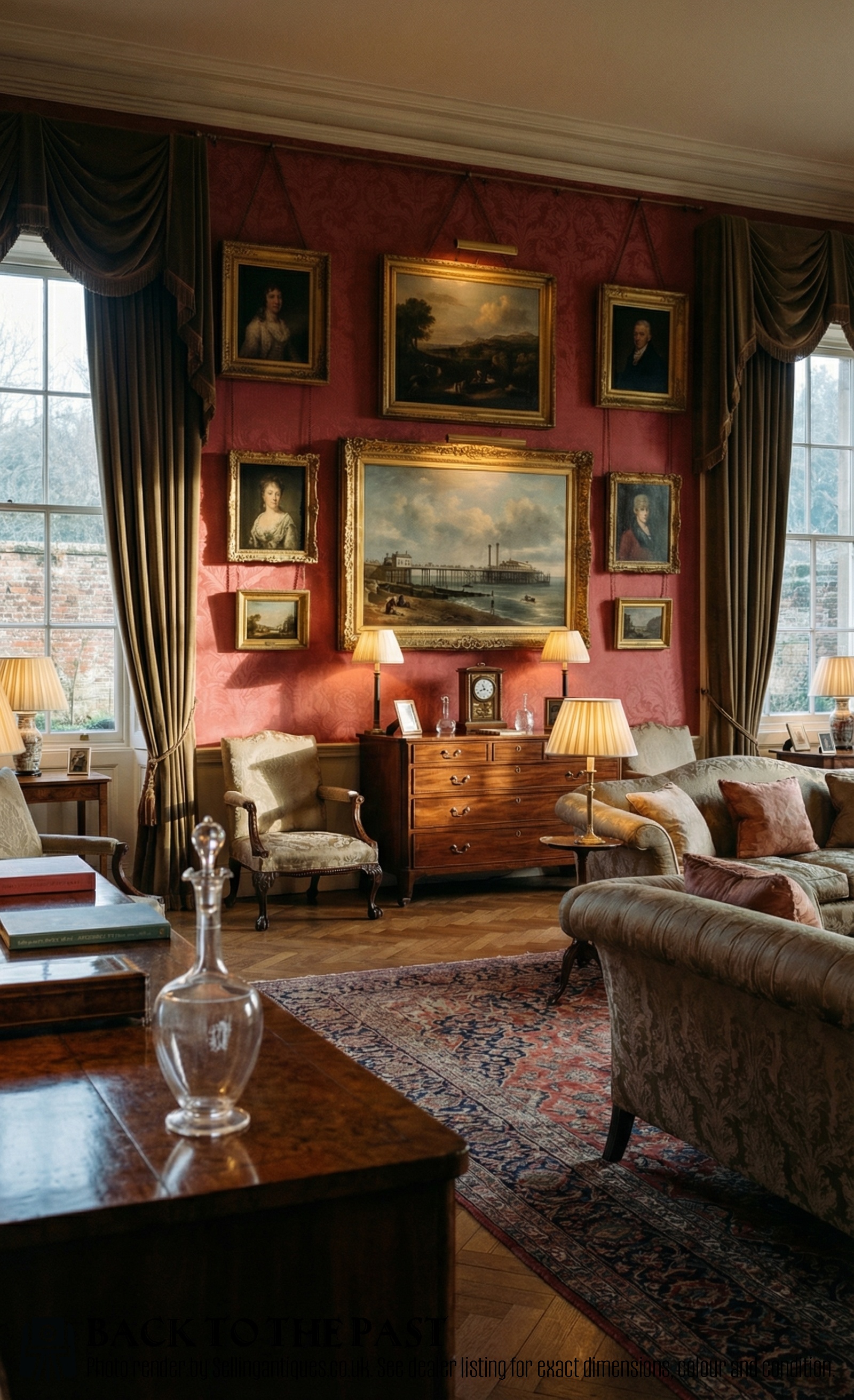
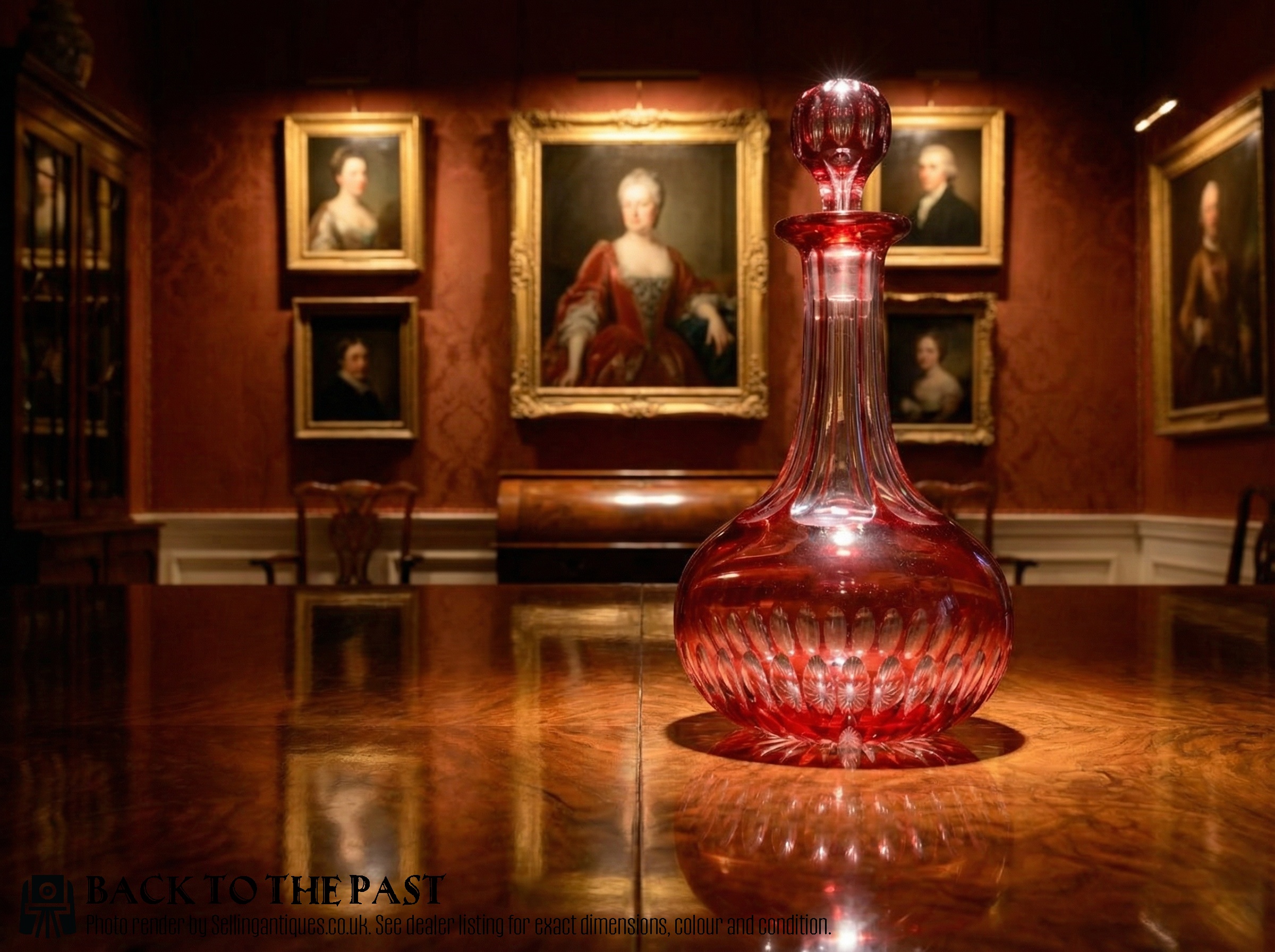
A 19th century glass decanter brings colour, weight and historical craft to the dining table or sideboard.
19th Century Glass Decanter
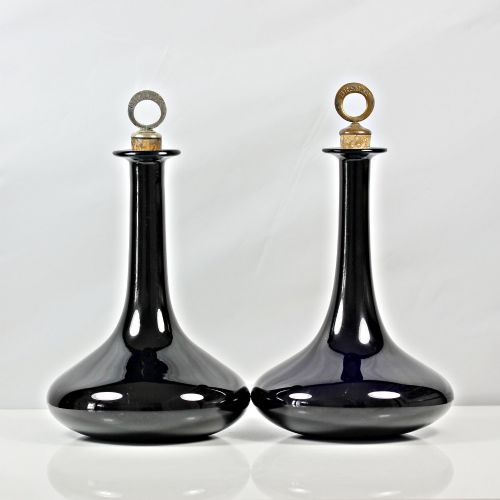
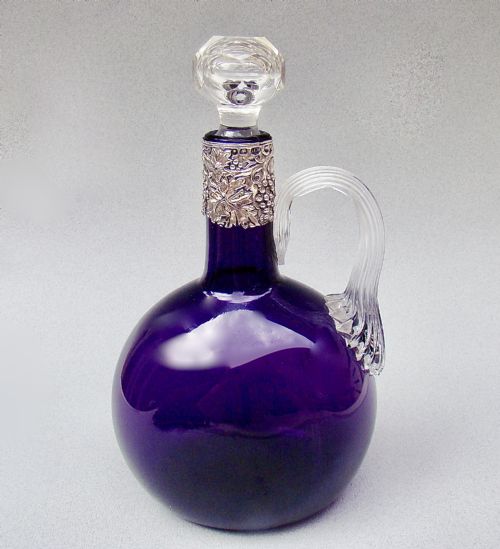
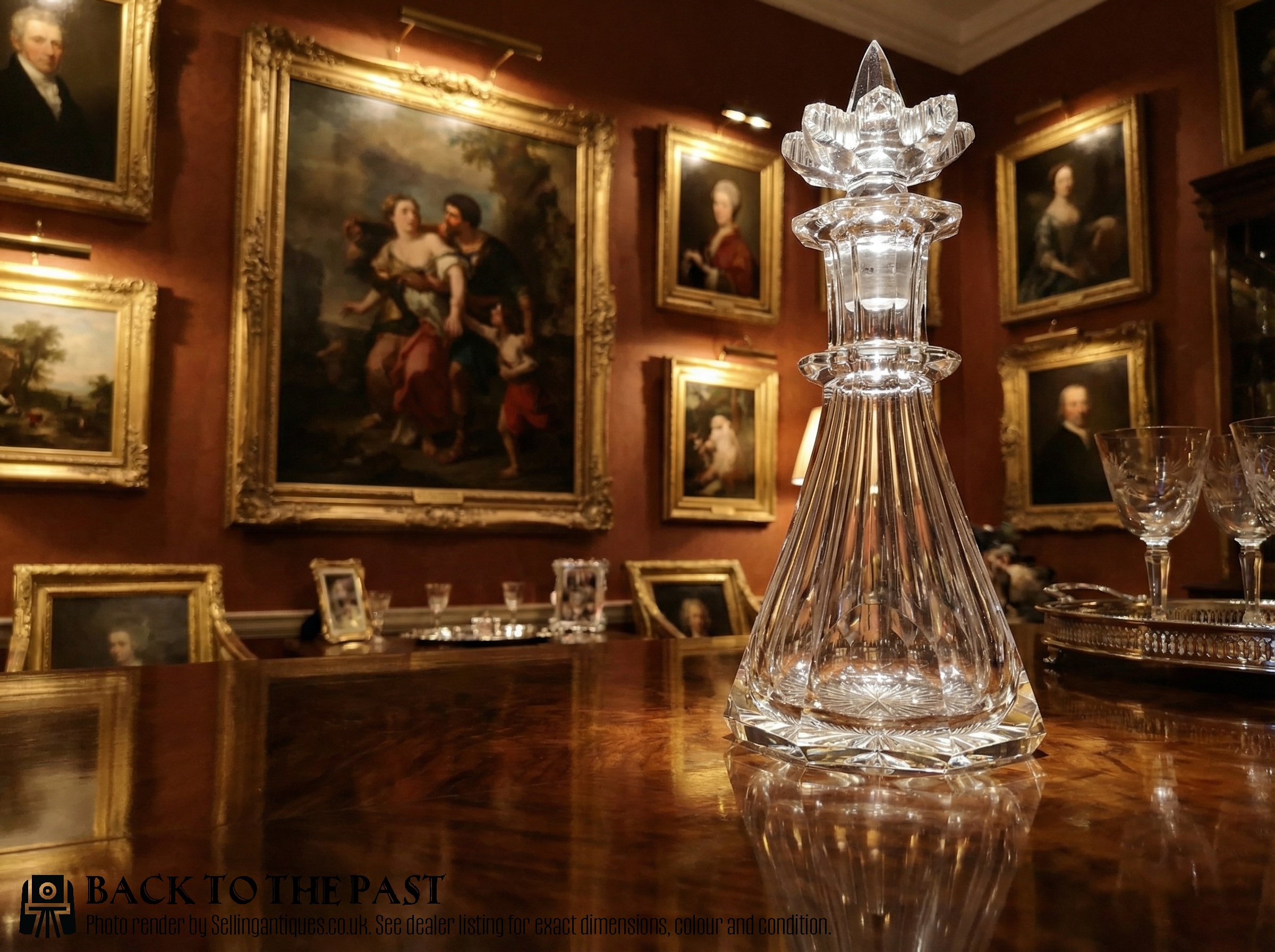
A 19th century glass decanter encompasses heavy lead crystal spirit bottles, colourful Bristol blue vessels, and wide-based ship's decanters designed to remain stable at sea. Examples range from plain Georgian and Regency forms to ornate Victorian, Bohemian, and Arts and Crafts creations.
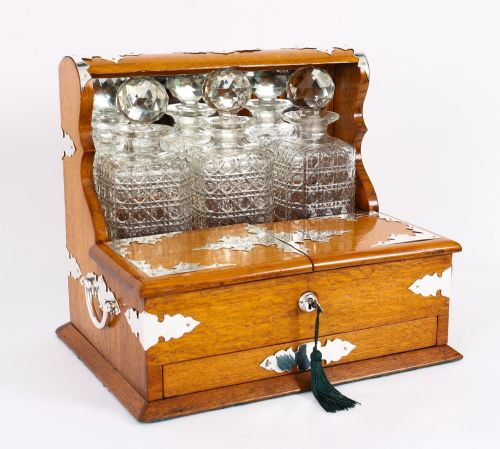
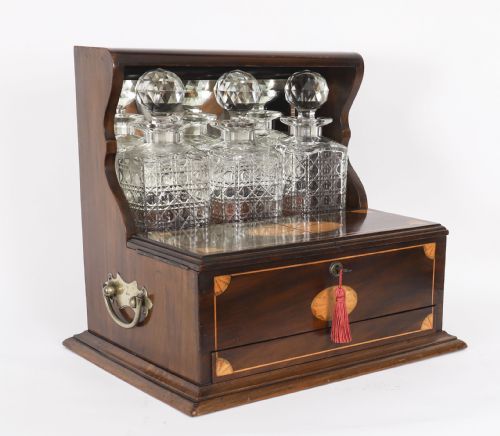
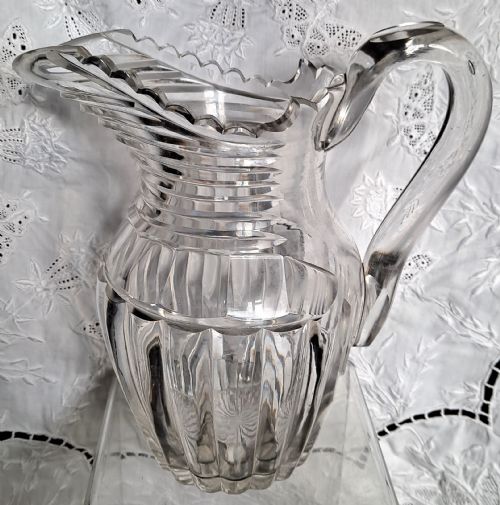
The selections span standard single bottles to matched pairs and sets housed within fitted tantalus frames, wooden liqueur boxes, and silver-plated stands. Collectors encounter claret jugs, ewers, and personal mell decanters alongside grand serving carafes.
The pieces reflect diverse European origins, featuring English cut crystal, Scottish whisky containers, French liqueur canteens, and vibrant Italian or Bohemian coloured glass. Each vessel served the practical Victorian or Georgian need to store, pour, and present wine and spirits.
How they were made
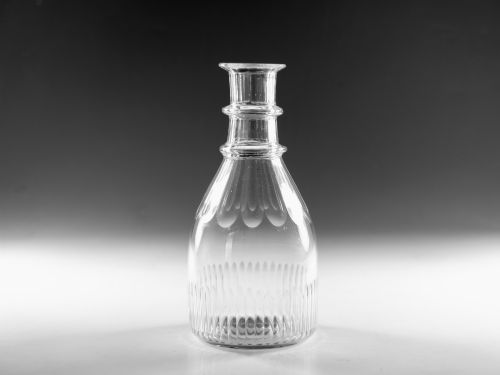
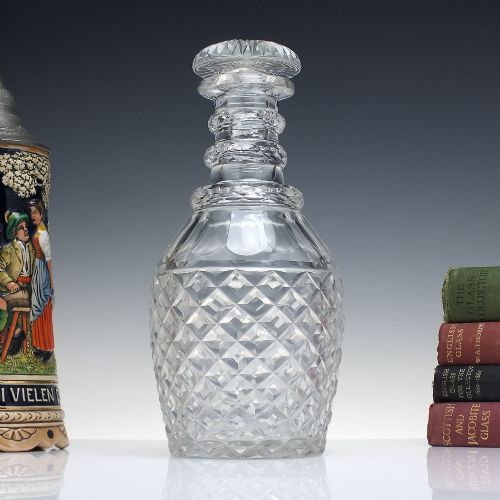
Glassmakers shaped vessels through free-blowing, mould-blowing, and optical blowing techniques before applying decorative surface treatments. Artisans achieved brilliant facets and deep prismatic patterns by wheel-cutting heavy lead crystal blanks.
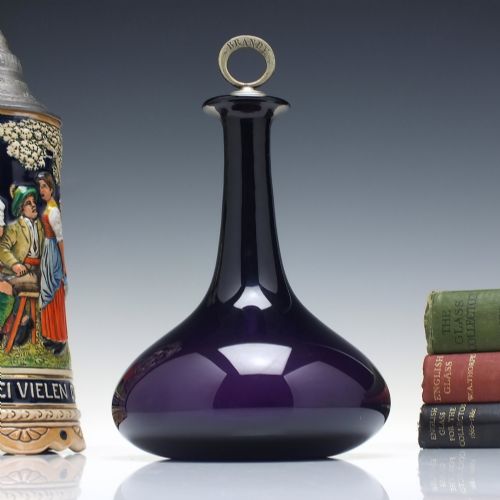
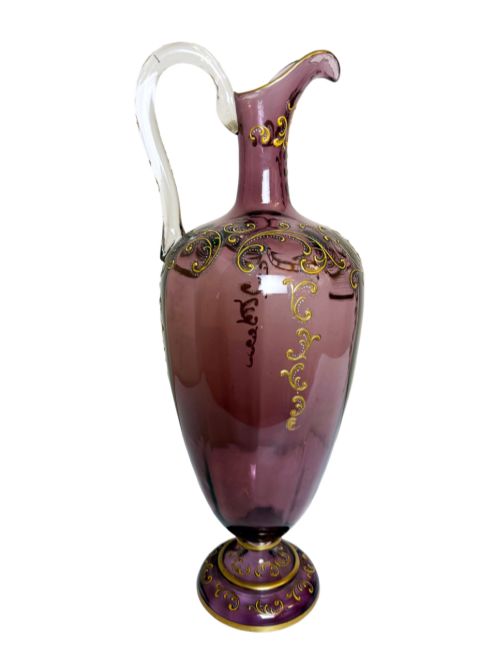
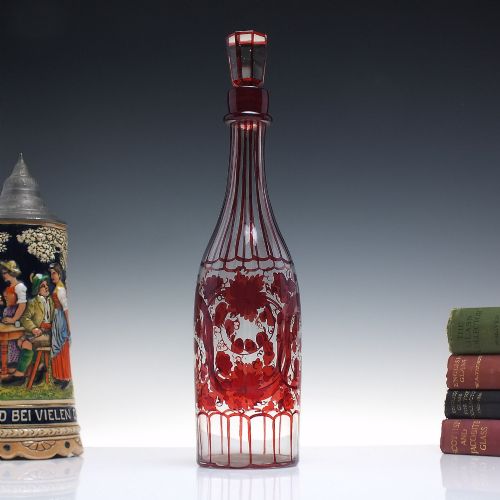
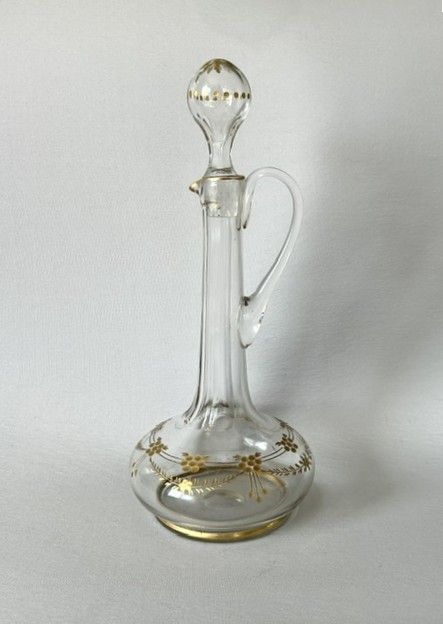
Makers added colour to the molten batch using metallic oxides, producing rich amethyst, cobalt blue, ruby, and amber hues. Surface embellishments frequently included hand-painted enamel, gilt appliques, and engraved floral or geometric motifs.
Metal mounts in silver plate, solid silver, and brass secured necks, handles, and locking frames around fragile glass bodies. Craftspeople combined satinwood, oak, coromandel, and rosewood to construct fitted boxes and tantalus mechanisms.
19th Century Glass Decanter Retail Price Guide 2026
Typical asking prices for 19th century glass decanter among the pieces listed under this phrase on Sellingantiques today, from the lower quarter to the upper quarter. They describe what is for sale here now, not the wider market.
Some Victorian decanters hid inside combination puzzle boxes that doubled as games compendiums and jewellery caskets.
What varies in quality
The purity and weight of the lead crystal establish the baseline excellence of a piece, determining how sharply the cut facets refract light. Crisp, deep wheel-cutting distinguishes superior vessels from softer, shallower mould-pressed imitations.
The integrity of secondary materials dictates overall refinement, from the thickness and hallmarks of silver mounts to the tight joinery of inlaid mahogany or rosewood tantalus boxes. Original matching stoppers that share the exact cut and numbering of the base body elevate a piece considerably.
Artisanal execution in delicate details such as hand-painted gilding, enamel work, and overlay glass techniques marks the difference between standard production ware and high-end atelier output.
Henry Matthews·James Powell
The 19th Century Glass Decanter Glossary
- Mell decanter
- A mallet-shaped bottle with a wide base and tapering neck popular in the Georgian era. This sturdy silhouette prevented tipping during carriage transport.
- Ship's decanter
- A conical vessel with a broad flat base designed for stability on board rolling ships. The wide footprint kept wine secure at sea.
- Tantalus
- A locking wooden frame that holds decanters securely while displaying the contents behind bars. This device prevented unauthorised access to spirits by domestic staff.
- Overlay
- A technique of casing one layer of coloured glass over a clear or contrasting body before cutting through the outer layer. This created striking multi-coloured visual contrast.
- Latticinio
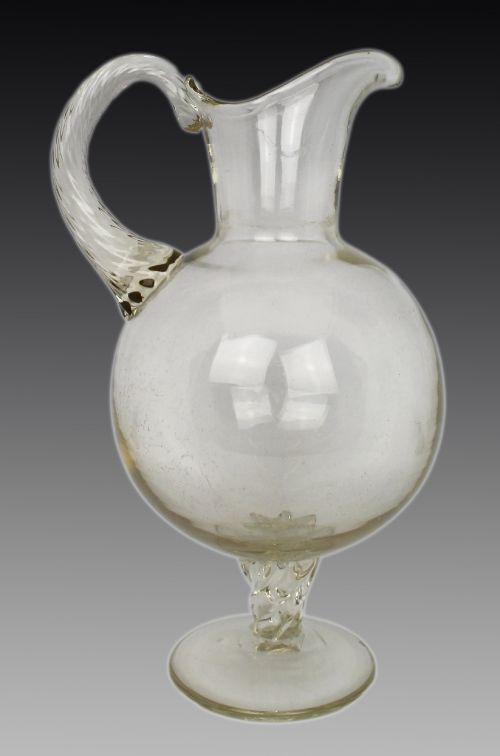
- A type of glasswork incorporating fine white or coloured glass threads twisted within clear metal. It originated in Murano and reappeared in Victorian fancy wares.
- Claret jug
- A pouring vessel specifically shaped for serving red wine, frequently fitted with hinged metal covers and serpent handles. These jugs often combined crystal bodies with silver-plated mounts.
19th Century Glass Decanter: Frequently Asked Questions
What is a tantalus used for?
A tantalus is a locked wooden frame designed to hold decanters securely while keeping the contents visible yet physically inaccessible.
Originating in the Victorian era, it allowed hosts to display expensive spirits while preventing servants or guests from helping themselves.
How can I tell Georgian glass from Victorian glass?
Georgian glass often exhibits pontil marks on the base, heavier lead weight, and simpler, deep-cut geometric or fluted patterns.
Victorian pieces frequently display more varied colours, complex overlay techniques, and machine-assisted precision in cutting and engraving.
Are stoppers usually original?
Stoppers were easily misplaced or broken over generations, meaning many surviving decanters are paired with replacement stoppers found later.
An original stopper typically matches the exact cut, glass colour, tint, and internal number markings stamped or ground into the neck of the base.