
Clear Glass Carafe
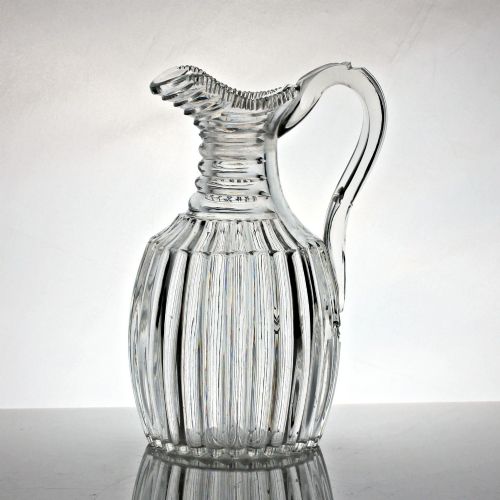
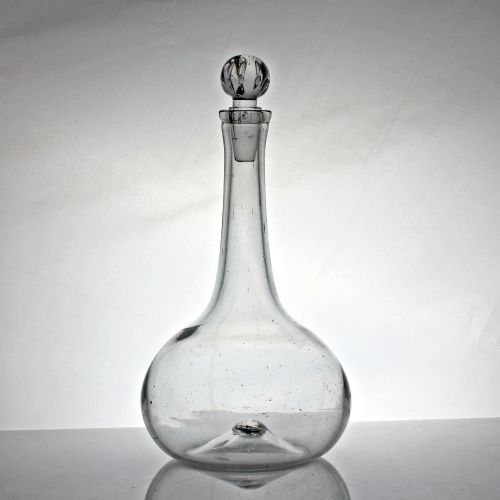
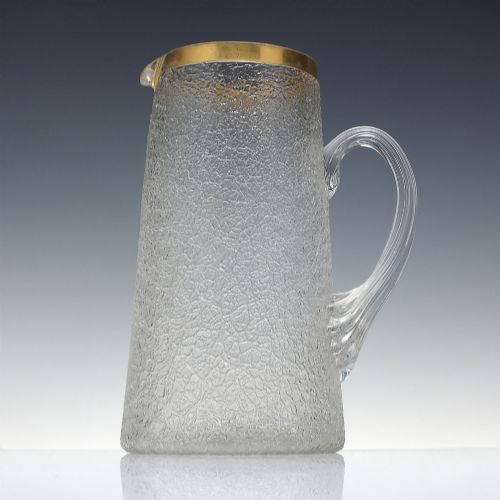
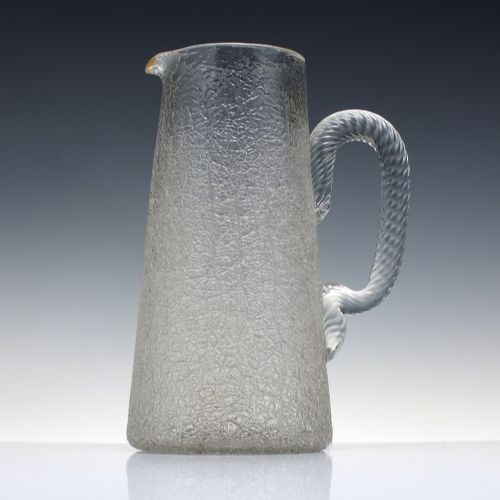
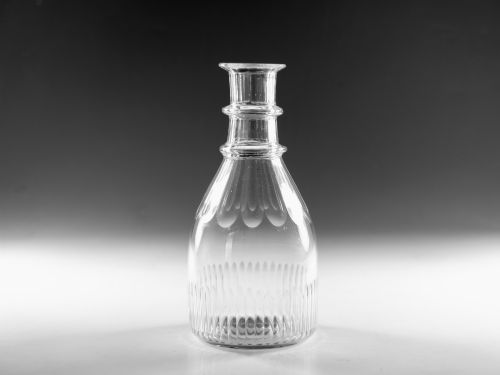
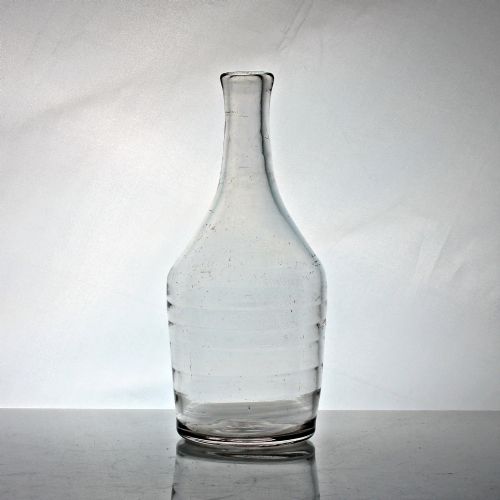
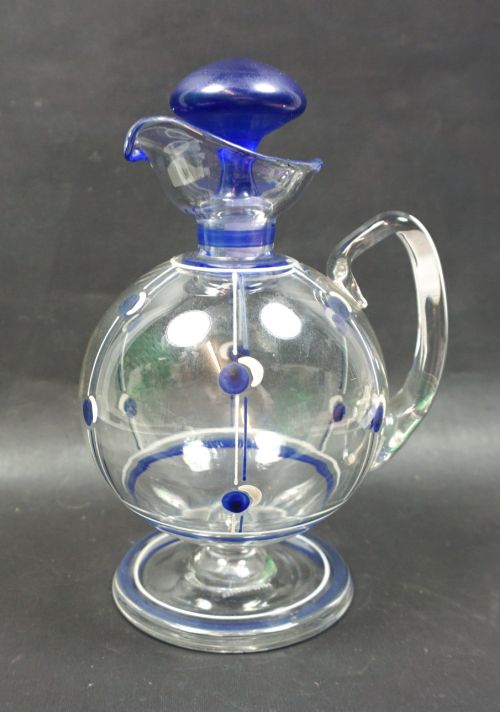
These clear glass carafe pieces are classic table vessels designed for serving water, wine, and spirits across Georgian, Victorian, and Edwardian dining rooms.
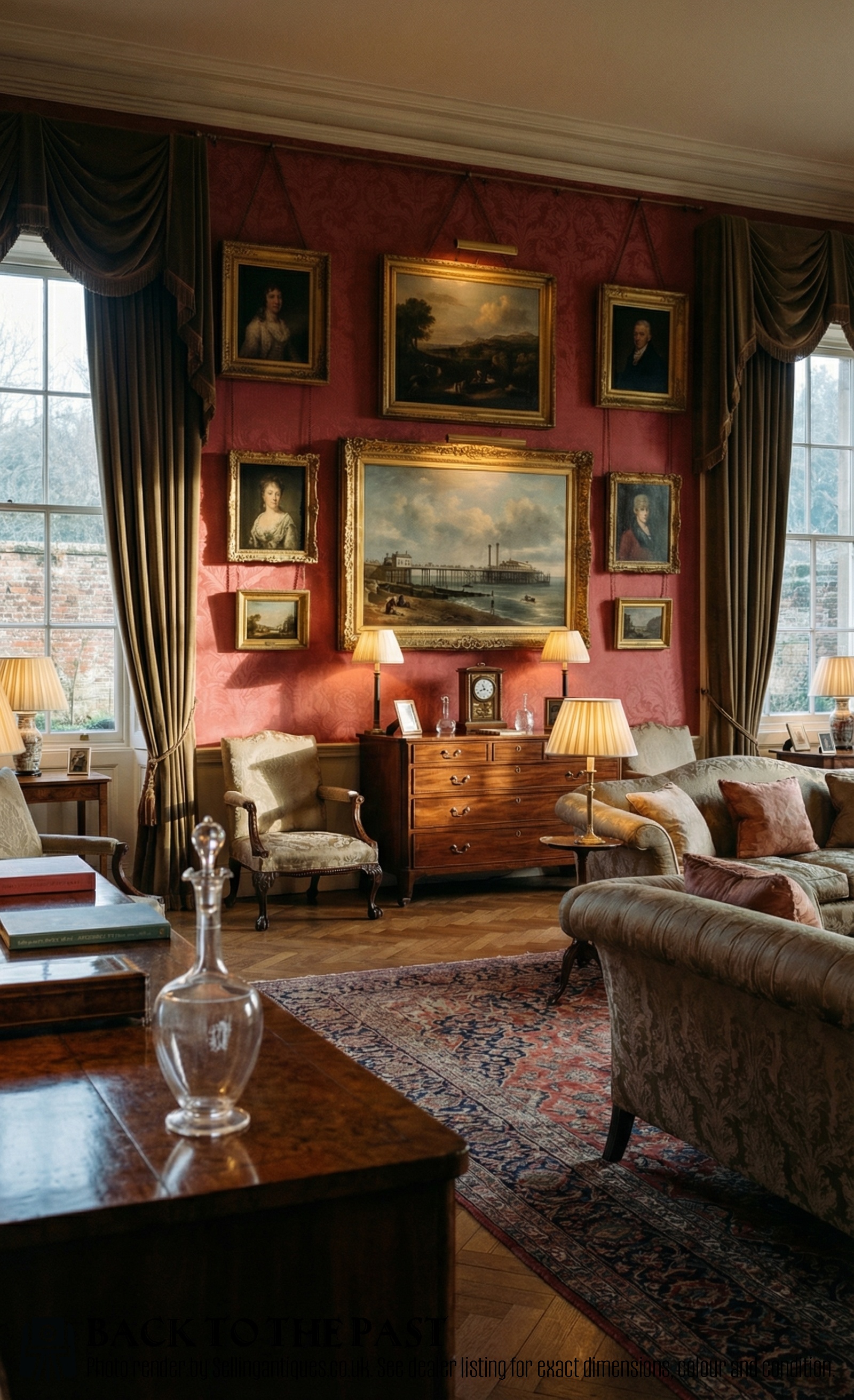
What a clear glass carafe is
The pieces available on this page most commonly reflect Victorian and Edwardian manufacturing traditions, alongside examples originating from the Georgian era. Buyers encounter items ranging from simple cut glass vessels to elaborately mounted drinkware.
Origin points visible in the record include English and Scottish workshops, showing regional variations in design such as the traditional Scottish muckle gill whisky measure. These historical objects connect modern tables directly to nineteenth and early twentieth century dining practices.
How they were made
Makers utilised glass, lead crystal, flint glass, and crystal to form the body of each vessel, shaping the material through traditional blowing and forming techniques. The clarity of the glass required careful composition of the raw materials during the melting process.
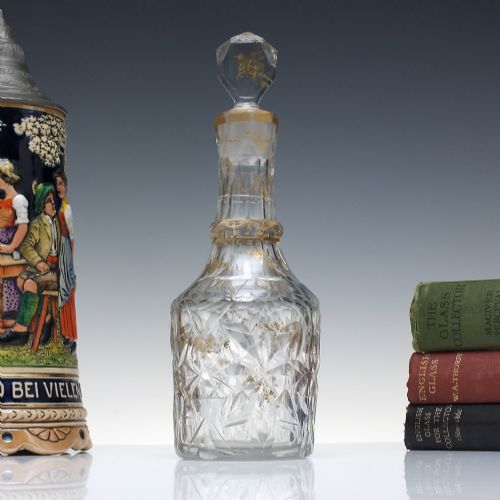
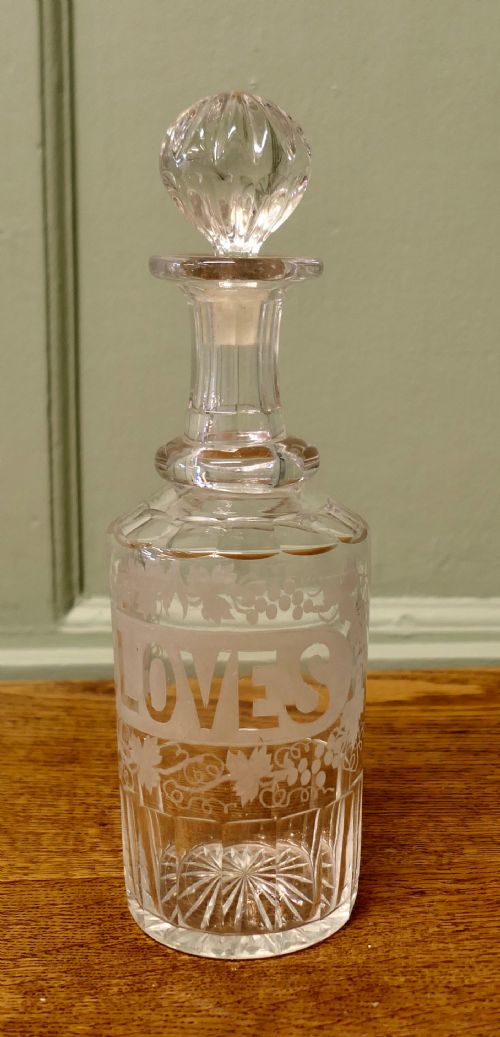
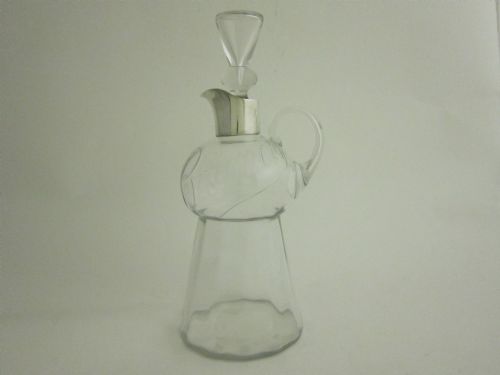
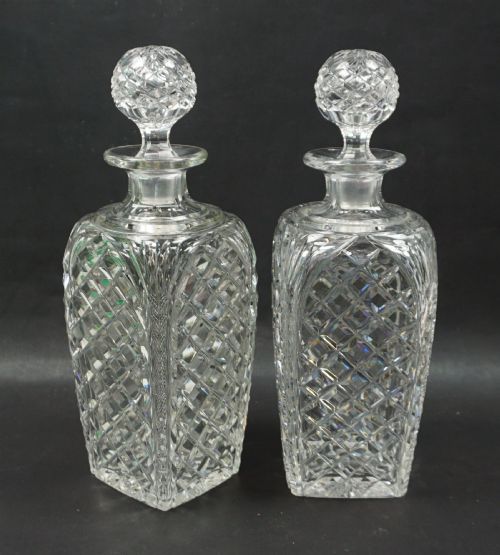
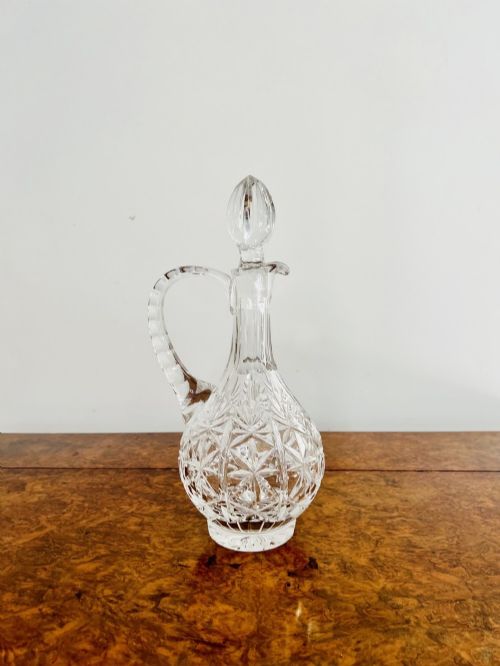
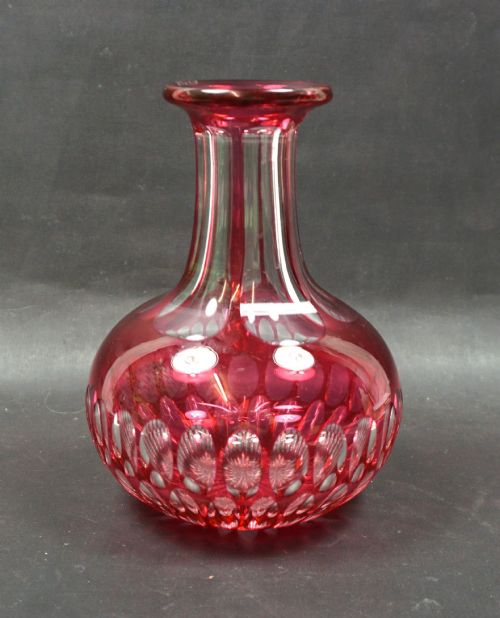
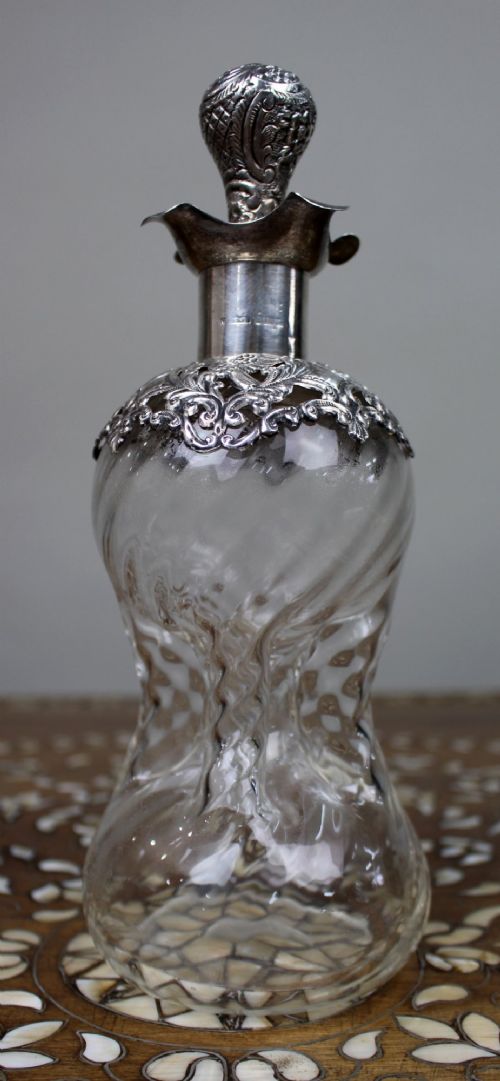
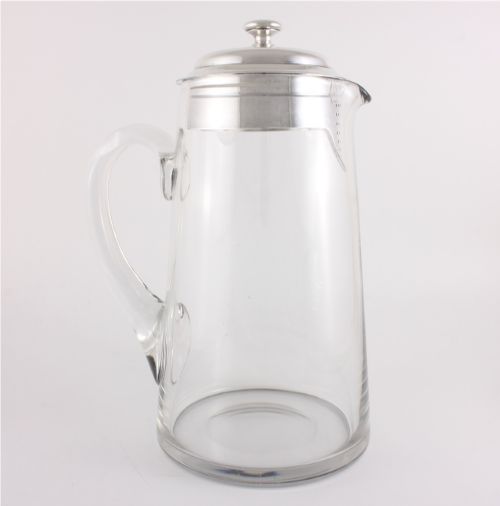
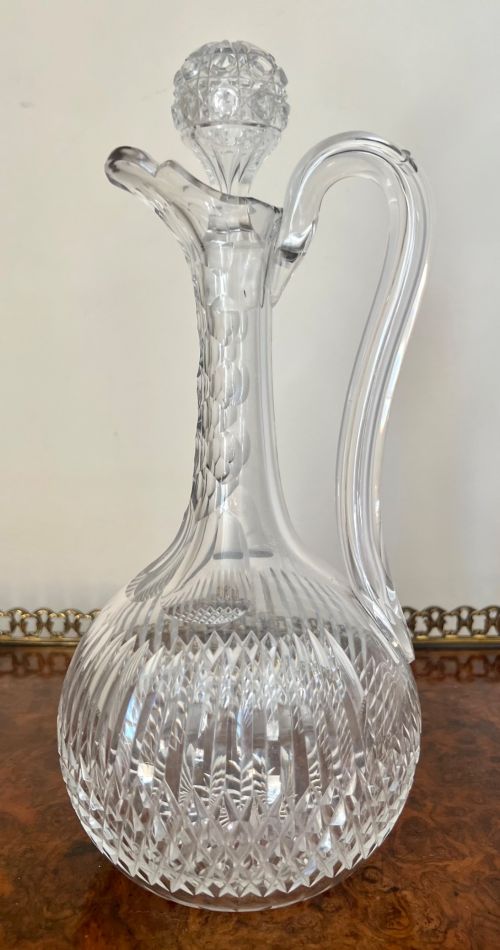
Surface decoration involved skilled cutting, floral etching, and hand engraving directly onto the glass body to create pattern and texture. Metal elements, specifically sterling silver and silver mounts, were added to rims, necks, and stoppers to provide structural reinforcement and decorative contrast.
Retail Price Guide 2026
Typical UK retail prices for clear glass carafe, calculated from the Sellingantiques database of over a million retail prices indexed since 2003. This retail price guide relies exclusively on Sellingantiques data; no external sources or auction records are used, so the figures do not describe the wider market.
Listings feature pieces spanning the Georgian, Victorian, and Edwardian periods, constructed from glass, lead crystal, flint glass, and sterling silver.
What varies in quality
The refinement of the glass material itself creates a distinction between standard production vessels and pieces possessing superior weight, brilliance, and acoustic resonance. Heavier crystal and flint glass compositions yield a more substantial feel in the hand compared to lighter utility glass.
The execution of surface ornamentation dictates the artistic standing of an individual piece, separating deep, precise hand-cut facets from simpler or shallower wheel engraving. Furthermore, the inclusion of hallmarked sterling silver mounts and fitted figurine tops elevates the craftsmanship and historical significance of the object.
Hukin and Heath
The Clear Glass Carafe Glossary
- Flint glass
- A heavy, brilliant type of glass containing lead oxide that was widely developed in Britain to improve clarity and weight. It allows for deep facet cutting.
- Muckle gill
- A traditional Scottish term for a large measure, often applied to historic whisky vessels. This regional naming convention appears in early nineteenth century drinkware.
- Sterling silver
- A silver alloy containing ninety-two point five percent pure silver by mass, frequently used for mounts and collars on nineteenth century barware. It provides durability and polish.
- Lead crystal
- Glass containing a significant percentage of lead, known for its high refractive index and weight. This material enhances the sparkle of cut glass carafes.
Frequently Asked Questions
What is a clear glass carafe used for?
These vessels served primarily for holding and serving wine, water, and spirits at the dining table or sideboard. They allowed hosts to present beverages clearly and elegantly.
Over time, their usage expanded into general barware functions, accommodating everything from daily table water to specialised whisky measures.
How do I date a clear glass carafe?
Dating relies on observing manufacturing characteristics, decorative styles, and any accompanying metal mounts. Georgian and Victorian pieces often display distinct cutting patterns and silhouette proportions typical of their decade.
Assay marks on silver collars or mounts provide precise calendar years for silver-mounted examples, while stylistic clues help place unmarked glass.
What is the difference between a carafe and a decanter?
Historically, decanters often featured fitted stoppers designed for storing and serving wines over longer periods, sometimes with secure silver collars. Carafes typically functioned as direct table vessels for water or wine during a single meal.
In antique terminology, these categories frequently overlap depending on the specific form and manufacturer's intent.
How should I clean an antique glass carafe?
Gentle hand washing with warm water and mild soap preserves the historic glass and any delicate surface etching. Harsh abrasives must be avoided to protect the polish.
Silver mounts require separate, careful polishing to prevent tarnish from contacting the glass surface during maintenance.
Are silver mounts common on these pieces?
Silver mounts appear frequently on nineteenth century and Edwardian examples, adding both functional strength to the neck and decorative contrast. These mounts often feature floral etching or maker hallmarks.
Unmounted glass carafes also exist, relying entirely on the quality of the glassblower's form and surface cutting for visual impact.