




Antique Barware Tray
An antique barware tray holds drinks and decanters with period style, bringing functional metalwork and glass to the modern home bar.
Antique Barware Tray
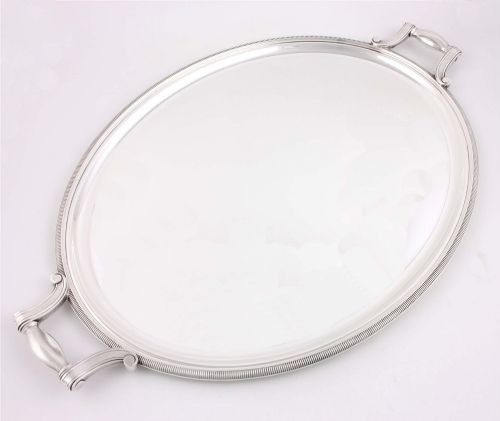
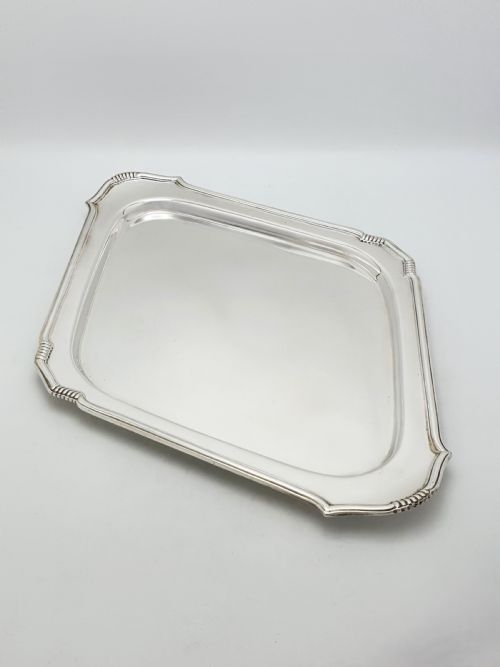
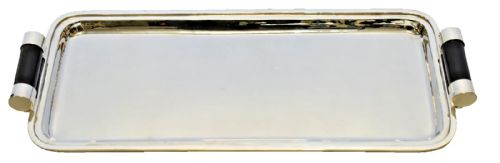
An antique barware tray functions as a serving piece for cocktails, decanters, and glassware across the nineteenth and twentieth centuries. The selection here leans heavily towards twentieth-century forms, particularly geometric Art Deco designs and Edwardian presentations.
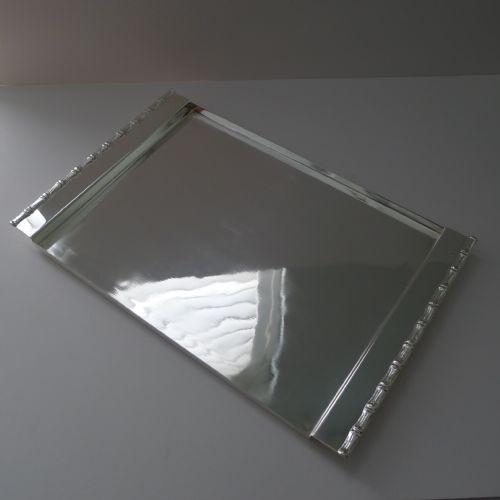
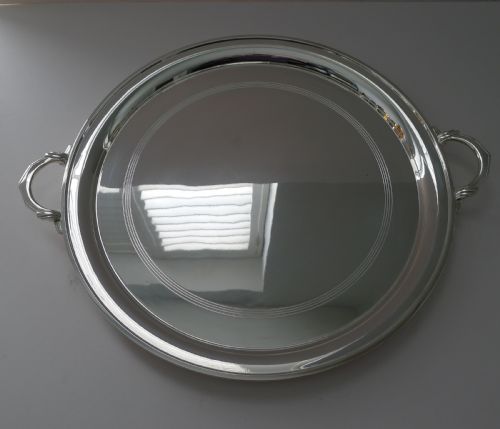
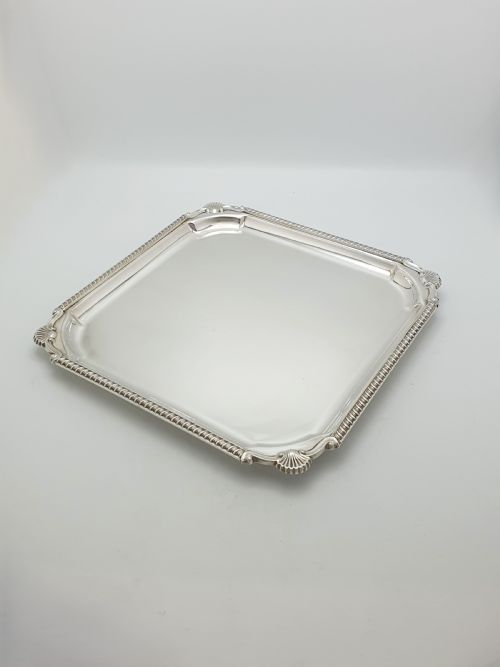
Makers shaped these serving trays and salvers in circular, oval, diamond, and rectangular forms, often fitted with carrying handles or raised rims. Buyers encounter silver-plated metals, mirrored glass bases, and occasional wooden or lacquered surfaces.
The objects span Victorian salvers, Edwardian mirror-glass trays, and robust silver-plated cocktail accessories from the 1920s and 1930s. Each piece reflects the social habits of its era, from formal dining rooms to jazz-age cocktail parties.
Materials and construction methods
Silversmiths utilised silver plate, electroplated nickel silver, EPNS, and base metal foundations for the primary body of these trays. Sheffield plating and solid sterling silver also appear among the heavier serving pieces.
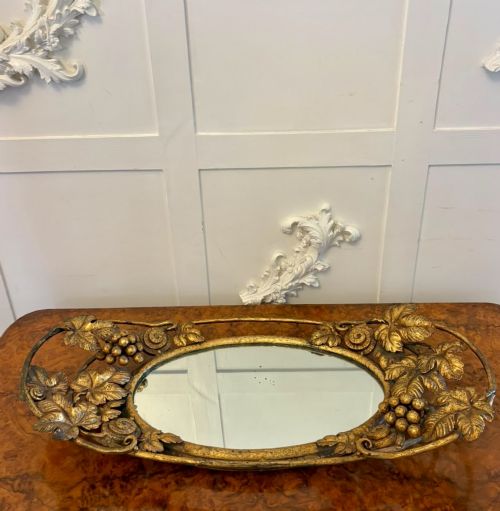
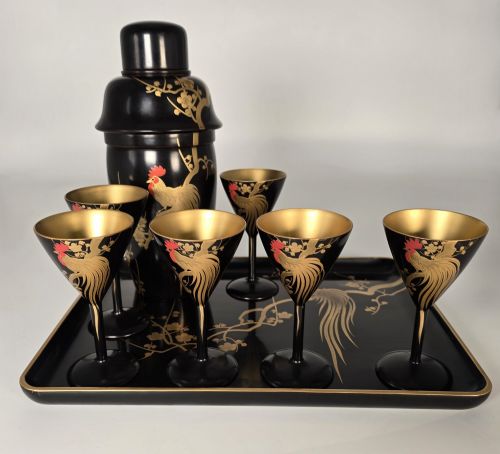
Makers integrated glass panels, notably mirror glass and cut crystal, alongside wood, copper handles, and hand-painted Japanese lacquer. Surface decoration relied on engine turning, engraved patterns, and applied metal borders like grape vines or shell motifs.
Antique Barware Tray Retail Price Guide 2026
Typical asking prices for barware tray among the pieces listed under this phrase on Sellingantiques today, from the lower quarter to the upper quarter. They describe what is for sale here now, not the wider market.
Listings feature silver plate, chrome, glass, and wood across periods spanning the nineteenth century through the 1960s.
Distinguishing quality in service pieces
Quality rests upon the weight of the metal blank, the crispness of the chased or engraved surface decoration, and the integrity of the silver plating over its base metal. Heavier gauges of silver plate and substantial metal mounts indicate superior manufacture.
Design distinction separates standard production from workshop pieces bearing recognised maker marks. The precision of the joinery on handles, galleries, and inset mirror glass defines the standard of craftsmanship.
Keith Murray For Mappin & Webb·Christofle·Hukin & Heath·J B Chatterley & Sons·Walker & Hall·James Dixon & Sons·John Collyer & Co·Asprey·Elkington·Roberts & Belk·Atkin Brothers·Victor Saglier
The Antique Barware Tray Glossary
- Salver
- A flat tray, usually made of silver or silver plate, used for serving drinks or presenting items. They typically stand on small feet or a flat base.
- EPNS
- Electroplated nickel silver, a common base material for nineteenth and twentieth-century tableware. It provides a durable metal foundation beneath a silver coating.
- Engine turning
- A mechanical decoration technique producing precise geometric patterns on metal surfaces. It creates intricate texture across the centre of serving trays.
- Gallery
- A pierced or solid raised rim fitted around the edge of a tray. This border prevents decanters and glasses from sliding off during service.
- Old Sheffield Plated
- An early fusion method where a thin sheet of sterling silver is fused to a copper base. This technique predates modern electroplating.
Antique Barware Tray: Frequently Asked Questions
How do I clean an antique silver plated tray?
Use a soft cloth and a gentle silver polish formulated specifically for plated items to maintain the surface finish. Avoid abrasive pads that can wear through the silver layer.
Wash mirrored glass inserts with a damp cloth, taking care not to let moisture seep beneath the glass edge into the metal backing.
Were these trays used exclusively for cocktails?
Many Edwardian and Victorian examples served tea, coffee, or general household items before the cocktail era gained popularity in the 1920s. Later pieces were specifically designed for home bars and decanter sets.
Form follows function, with handles and raised rims appearing more frequently on pieces intended for carrying drinks.
How do I date an antique barware tray?
Examine the maker marks, manufacturing materials, and decorative style to narrow down the decade of production. Art Deco geometry points directly to the 1920s and 1930s.
Silver plate terminology and base metal composition also help distinguish nineteenth-century Sheffield plate from mid-twentieth-century chrome and electroplate.
Can I use these trays for daily serving?
Silver-plated and mirrored trays function well for serving drinks when handled with care. Protect surfaces from prolonged moisture contact to preserve the silver and mirror backing.
Sturdy construction makes many twentieth-century pieces robust enough for occasional entertaining in a modern setting.