





Queen Anne Silver
Queen anne silver encompasses early eighteenth-century spoons, castors, and tablewares forged in high-purity metal alongside later revival pieces.
Queen Anne Silver
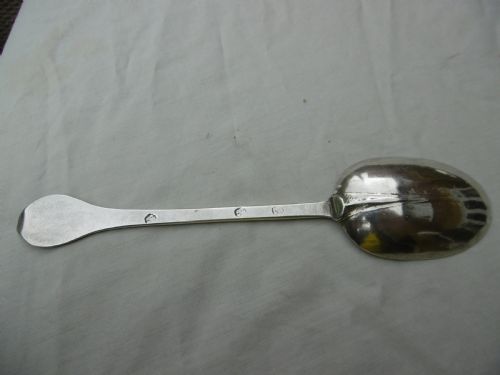
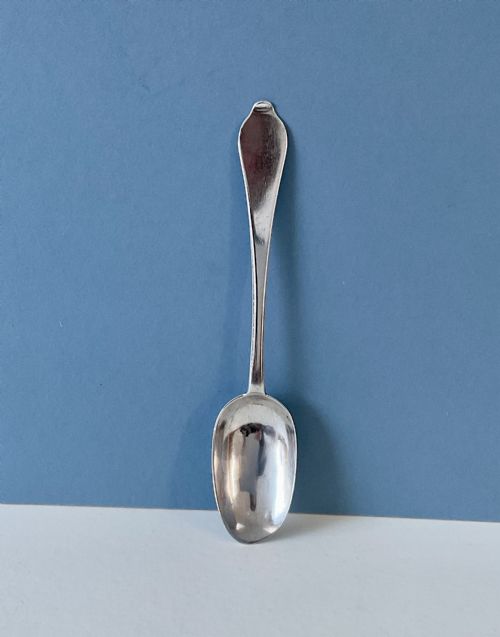
When you search for queen anne silver, you encounter objects originating from the reigns spanning the late seventeenth to early eighteenth centuries alongside twentieth-century revival interpretations. The surviving material ranges from provincial tablespoons and marrow scoops to castors and bleeding bowls struck in high-purity metal.
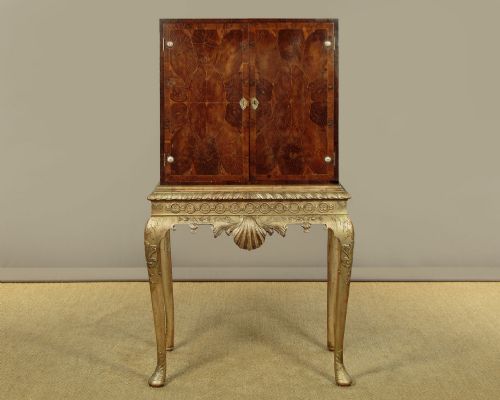
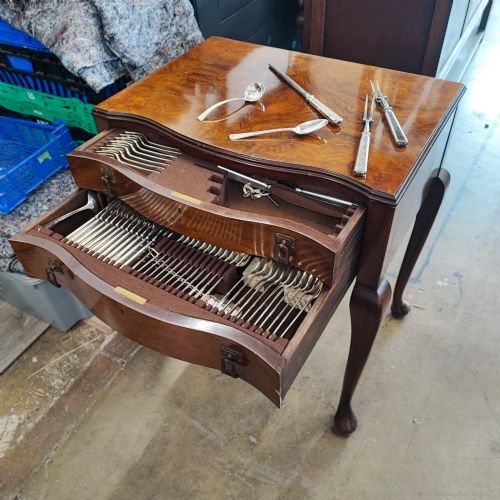
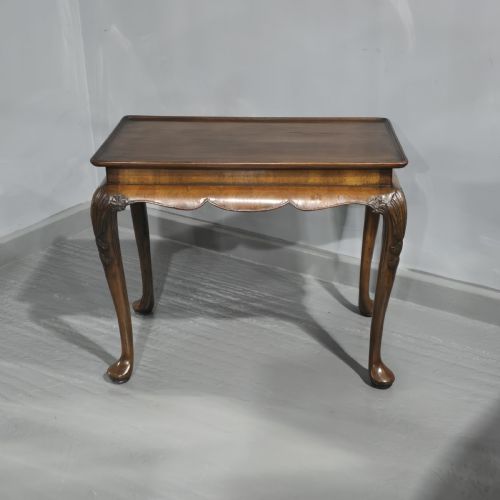
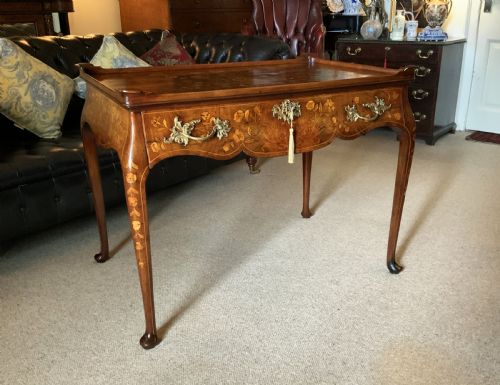
The category extends beyond flatware and holloware to incorporate flintlock pistols mounted with silver wire and silver-mounted drinking vessels. Alongside authentic period pieces, you meet walnut silver tables designed to hold tea wares and later plated tankards built in the historic manner.
Provincial pieces from makers working outside London appear frequently, featuring regional hallmarks and distinct engraving. The selection encompasses both domestic dining utensils and decorative accessories intended for wealthy households of the era.
How they were made
The earliest objects utilise Britannia standard silver, a stricter metallic purity introduced to curtail the melting of coinage for plate. Silversmiths hammered and cast sterling and Britannia silver into rattail spoons, dognose profiles, and faceted castors, often applying hand-engraved armorial crests.
Pistols and small arms incorporate walnut stocks inlaid with delicate silver wire and finished with cast silver grotesque butt caps. Later revival pieces employ silver plate, brass, and steel, sometimes combining Burr walnut cabinetry with silver-gilt mounts to mimic authentic early forms.
The listings demonstrate a strong concentration of 18th-century silver flatware alongside 20th-century walnut silver tables and revival tankards.
What varies in quality
The caliber of queen anne silver rests upon the clarity of the maker's marks and the crispness of the original engraving. Pieces bearing legible town marks, maker stamps, and Britannia standards command greater interest than worn examples with erased details.
Structural integrity and untouched surfaces distinguish superior items from heavily restored alternatives. Heavy gauge metal on spoons and holloware indicates robust original construction that survives centuries of use without thinning.
Benjamin Watts·John Smith·John Pike of Plymouth·Richard Rae·Lawrence Coles·J Ladyman·Thomas Pritchard·Timothy Ley·James Barber·R Willoughby·George Unite·Mappin and Webb
The Queen Anne Silver Glossary
- Britannia standard
- A compulsory higher standard of silver purity introduced to prevent the melting of coinage, stamped at higher fineness than standard sterling.
- Dognose tablespoon
- An early eighteenth-century spoon style featuring a spatulate, notched terminal handle that evolved directly into the Hanoverian pattern.
- Bleeding bowl
- A shallow circular medical vessel fitted with a single flat pierced handle, used during period therapeutic procedures.
- Marrow spoon
- A narrow double-ended dining implement designed for extracting marrow from animal bones during formal meals.
- Silver table
- A tall occasional table constructed primarily from walnut, designed specifically for holding tea and silver service items.
Queen Anne Silver: Frequently Asked Questions
What is Britannia standard silver?
Britannia standard denotes a higher fineness of silver that smiths were legally required to use for plate during part of the eighteenth century. This stricter alloy contained more pure silver per ounce than standard sterling.
Objects bearing this standard display specific hallmarks indicating the higher purity, such as the figure of Britannia and the lion's head erased. These marks help date surviving spoons and holloware accurately.
Why are silver tables associated with this era?
Silver tables emerged to accommodate the rising fashion for consuming hot beverages like tea and coffee in wealthy drawing rooms. These tall walnut stands provided a stable surface for displaying precious silver kettles, teapots, and cups.
Many featured tray tops with raised moulded edges to prevent precious vessels from sliding off during use. They remain sought-after pieces of period furniture that reflect changing domestic social habits.
Are flintlock pistols considered silver items?
Certain flintlock pocket and holster pistols incorporate extensive silver wire inlay, grotesque butt caps, and vacant cartouches on the walnut stocks. These decorative metal components elevated functional firearms into status symbols for wealthy travellers.
Gunsmiths collaborated with metalworkers to apply cast silver mounts and intricate wirework embellishments. These pieces combine arms history with decorative metalwork of the period.