
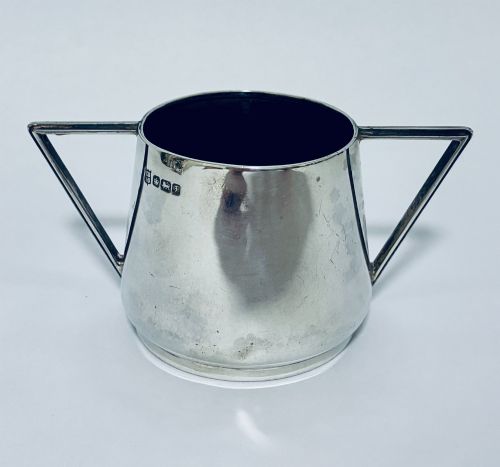
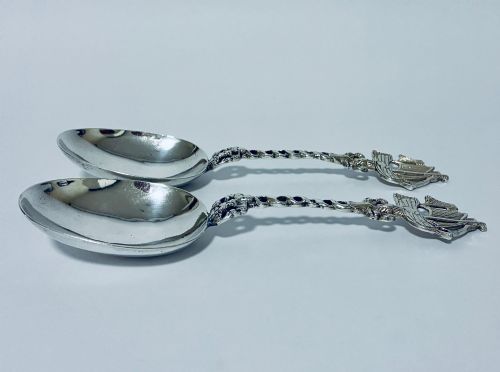

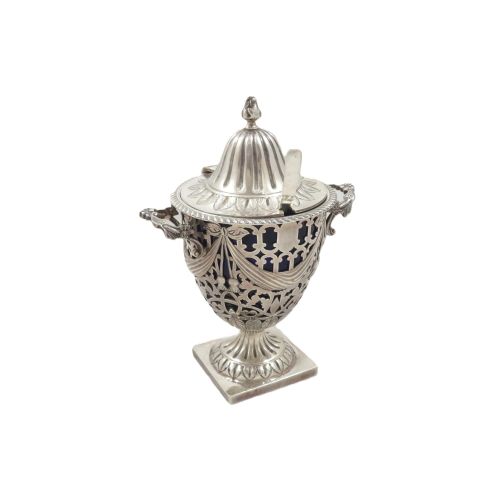
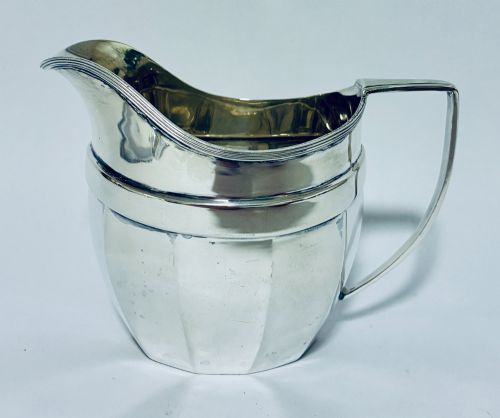


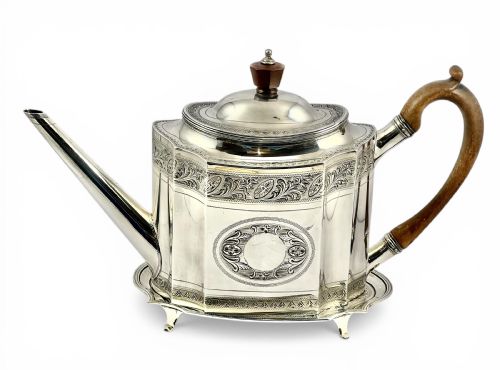


Antique Silver Tea Vessel
An antique silver tea vessel brings the weight and polish of the Georgian, Victorian, and Edwardian eras straight to the table.

Understanding the antique silver tea vessel
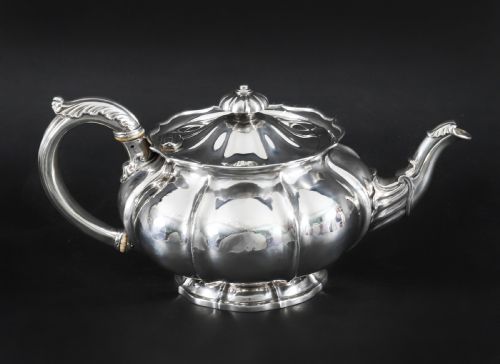
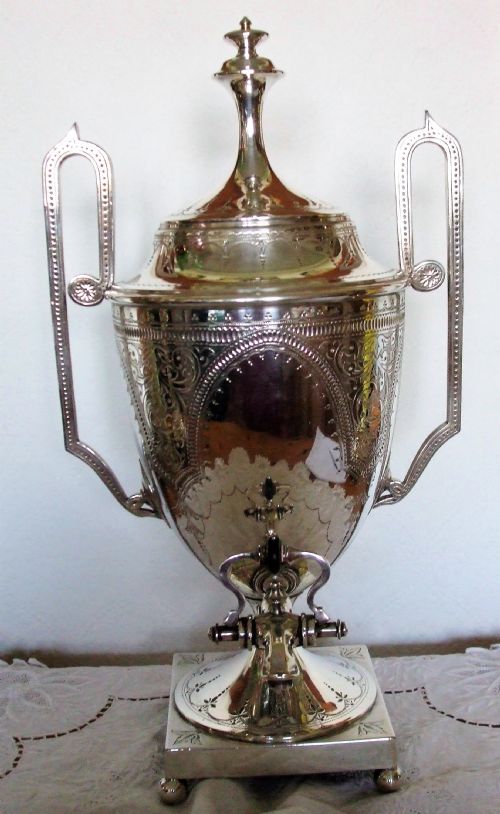
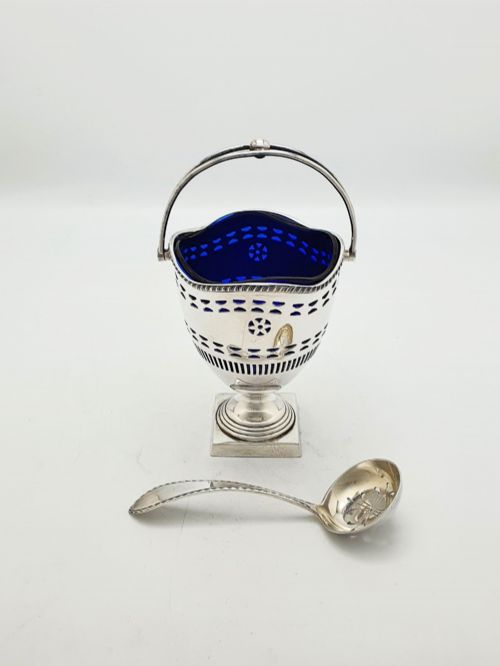
When you search for an antique silver tea vessel, you are looking at functional metalware designed for brewing, storing, or serving tea across several centuries. The pieces available span the Georgian, Victorian, and Edwardian periods, reflecting the shifting tastes of British households over generations.
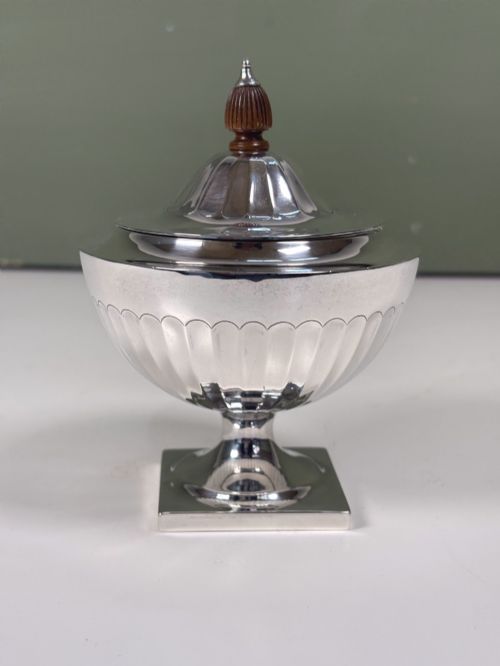
The most common forms you are likely to meet on this page are teapots, hot water pots, and tea caddies. These objects served central roles in domestic hospitality, evolving from the early bullet shapes of the eighteenth century to later Victorian and Edwardian iterations.
Origin and period define each item, with specific examples including a George II Scottish bullet teapot from Edinburgh dated 1742, a Victorian hot water pot from London dated 1881, and an Edwardian tea caddy from London dated 1902. Such pieces demonstrate the distinct hallmarks and regional characteristics of British silversmithing.
Materials and construction
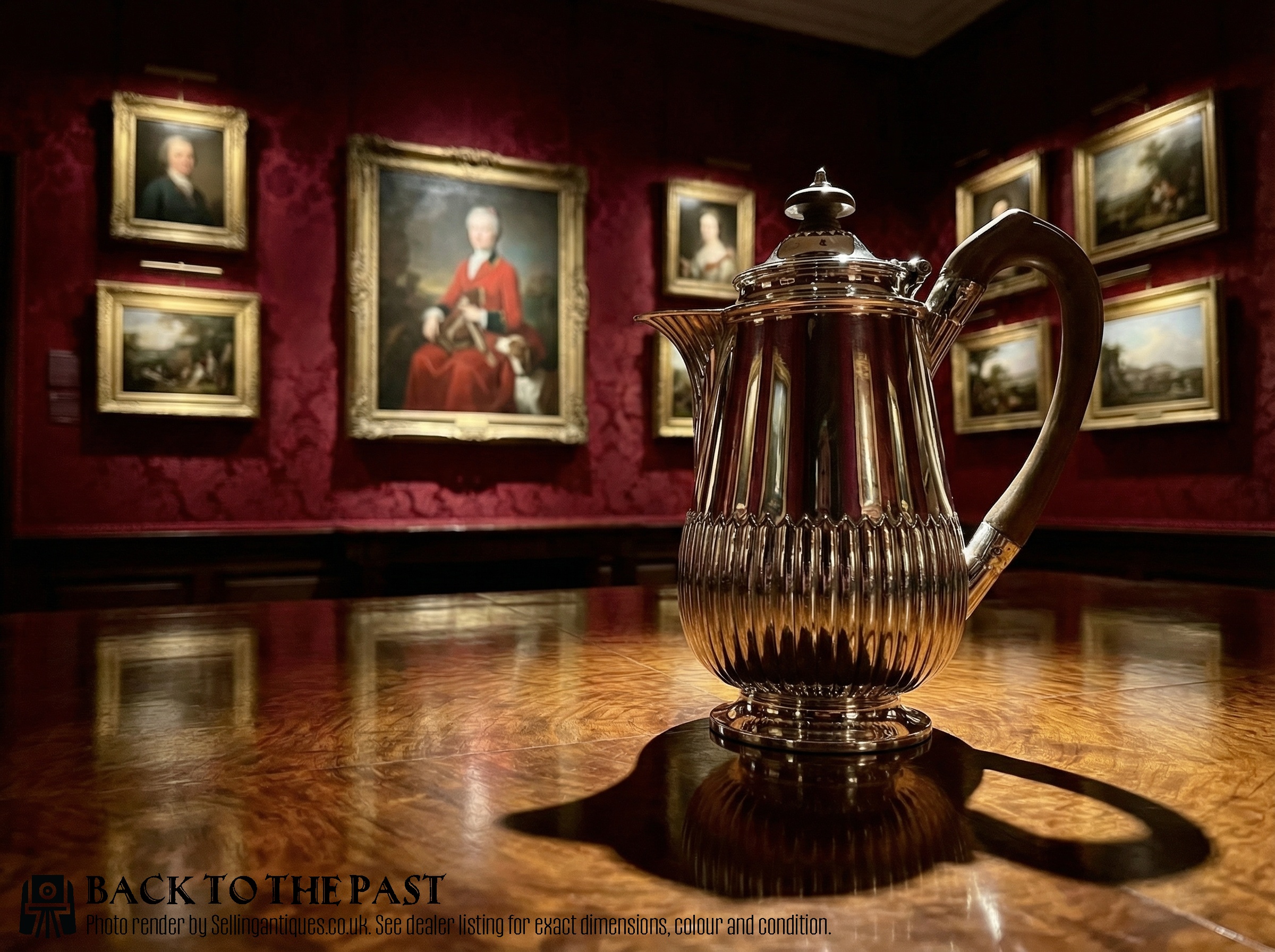
These pieces are constructed primarily from sterling silver, hammered, cast, or raised into hollowware forms. The metal provides both durability and a lustrous surface capable of holding fine detail and engraved decoration.
Wood also appears as a secondary material, typically utilised for insulators on handles to prevent heat transfer during use. This combination of sterling silver and timber is characteristic of functional tea equipage from the eighteenth century onwards.
The site listings feature sterling silver and wood across Georgian, Victorian, and Edwardian periods.
Distinctions in quality
Quality in an antique silver tea vessel rests upon the crispness of form and the integration of secondary materials like wood handles. Early examples from the George II period display distinct proportions, such as the spherical symmetry seen in Scottish bullet teapots.
The clarity of hallmarks and the weight of the sterling silver further separate standard production from superior examples. Masterful execution of spouts, lids, and hinges ensures that the vessel functions as intended while maintaining aesthetic balance.
The Antique Silver Tea Vessel Glossary
- Sterling silver
- A silver alloy containing 92.5 percent pure silver and 7.5 percent other metals, usually copper, chosen for its strength and workability. This standard has governed British silver production for centuries.
- Hallmark
- An official stamp applied by an assay office to guarantee the fineness of precious metal. These marks often include symbols for the maker, the town of origin, and the date of production.
- Hollowware
- Table vessels such as teapots, hot water pots, and caddies that are raised or spun from sheet metal rather than cast solid. This technique requires considerable skill to maintain even wall thickness.
- Bullet teapot
- A spherical or globular teapot style popular in the Georgian era, noted for its compact body and short spout. The George II Scottish version from Edinburgh is a classic example of this form.
- Tea caddy
- A small box or vessel used for storing tea leaves securely under lock and key when tea was an expensive luxury. Edwardian examples continue this tradition in refined silver forms.
Frequently Asked Questions
How do I date a silver tea vessel?
Dating relies primarily on the assay office hallmarks stamped directly onto the sterling silver body during manufacture.
Specific date letters, town marks, and stylistic indicators such as the George II bullet shape or Edwardian caddy design help establish the exact period.
What materials were used to make them?
The primary material across all listed items is sterling silver, valued for its malleability and polished finish.
Wood also appears in the construction, specifically utilised for handles to insulate against heat when pouring hot liquids.
How were these vessels used originally?
These vessels were central to the domestic ritual of tea service in British homes, used to steep leaves, supply boiling water, or store dry tea.
Teapots and hot water pots managed the brewing process at the table, while caddies protected valuable leaves from moisture and theft.
What styles can I expect to find?
The listings reflect George II, Victorian, and Edwardian design aesthetics spanning the eighteenth to the early twentieth century.
Early pieces show simple geometric forms like the Scottish bullet teapot, while later Victorian and Edwardian pieces exhibit the evolving tastes of London makers.