




Scottish Sterling Silver Box
These scottish sterling silver box pieces span Georgian, Victorian, and Edwardian periods, offering functional silverwork set with stones like agate and citrine.
Scottish Sterling Silver Box
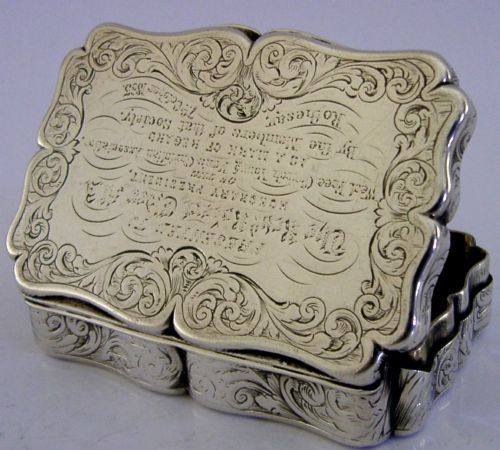
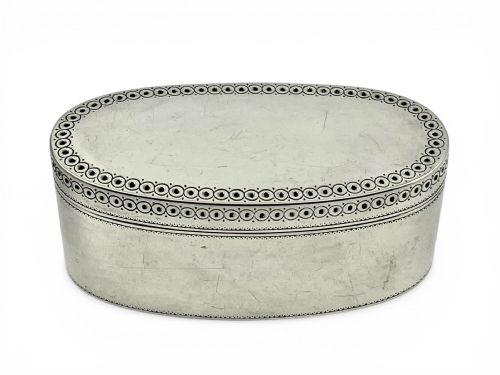
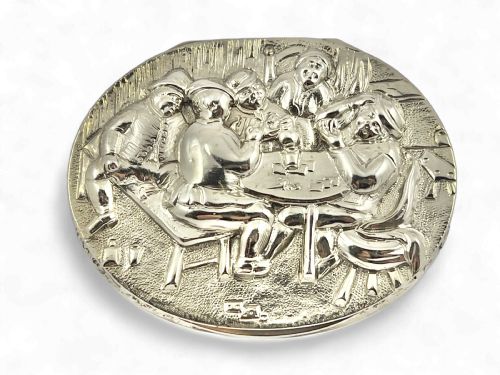
A scottish sterling silver box encompasses functional containers such as snuff boxes, vinaigrettes, and trinket boxes forged from sterling silver. These items frequently originate from Georgian, Victorian, and Edwardian eras, reflecting centuries of silversmithing heritage.
The versions most commonly met on this page include snuff boxes and trinket boxes, alongside occasional items like humidors and vesta cases. Many pieces incorporate regional materials, linking the silver with local stones and woods.
How they were made
Makers utilised sterling silver as the primary metal framework, frequently combining it with organic materials such as oak, horn, and mother of pearl. Silversmiths also lined interiors with velvet or silk to protect the contents.
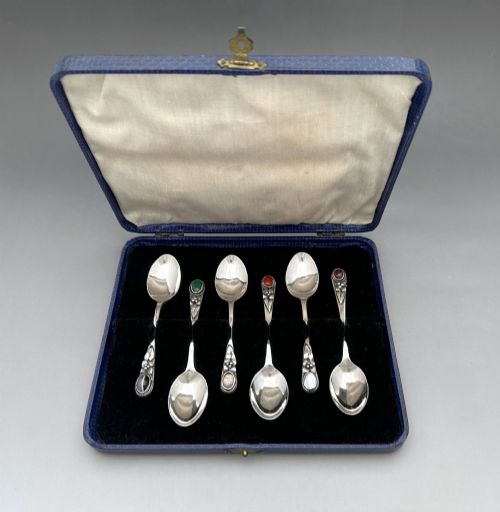
Craftsmen mounted semi-precious stones including agate, citrine, quartz, and cairngorm directly into the silver mounts. Artisans applied period-specific styles ranging from Georgian restraint to Arts and Crafts detailing.
Some Victorian trick vesta cases were engineered to confound anyone attempting to borrow a match.
What varies in quality
The inclusion and selection of inset semi-precious stones, such as citrine and agate, elevate the visual complexity of individual pieces. The integration of contrasting materials like 15ct yellow gold or oak also distinguishes the construction.
Historical provenance and identifiable maker attribution establish the standing of specific silver boxes. The precision of the chased or engraved ornamentation further separates standard production from exceptional work.
Hilliard and Thomason·John Caw
The Scottish Sterling Silver Box Glossary
- Sterling Silver
- A silver alloy containing 92.5 percent silver by mass, with the remainder consisting of other metals. This standard has governed British silver manufacturing for centuries.
- Vinaigrette
- A small ornamental box featuring an internal perforated grille used to hold a sponge soaked in aromatic vinegar. These were popular personal accessories during the Georgian and Victorian periods.
- Snuff Box
- A small hinged container designed to hold powdered tobacco for inhalation. They are frequently fashioned from sterling silver and occasionally lined with gold.
- Cairngorm
- A yellow, brown, or smoky variety of quartz found in the Cairngorm Mountains of Scotland. It is frequently cut and mounted in Scottish silver jewellery and boxes.
- Vesta Case
- A small pocket container designed to hold matches, typically fitted with a striking surface on the base. Victorian examples in silver often featured engraved decoration.
Scottish Sterling Silver Box: Frequently Asked Questions
What is a scottish sterling silver box?
A scottish sterling silver box is a historical container fashioned from silver by silversmiths, often taking the form of a snuff box, vinaigrette, or trinket box.
These objects reflect the design sensibilities of periods like the Georgian and Victorian eras, frequently incorporating regional stones.
How were these silver boxes used?
Owners used these boxes to hold personal items such as snuff, aromatic vinegar sponges, or small trinkets. Their portable nature made them functional daily accessories for the pocket or vanity table.
Larger variants served as desk accessories or humidors for preserving tobacco products under lock and key.
What materials appear on these boxes?
The primary material is sterling silver, frequently paired with natural elements such as oak, horn, and mother of pearl. Interiors often feature delicate linings of silk or velvet.
Many examples incorporate native Scottish stones including agate, citrine, and cairngorm, alongside occasional accents of 15ct yellow gold.
How do I identify the period?
Makers marked many silver pieces with hallmarks indicating the assay office, date letter, and sterling standard. Stylistic clues such as Georgian proportions or Arts and Crafts decoration also point to the era of manufacture.
Examining the construction methods and associated materials helps narrow down the historical decade.