
Solid Silver Pocket Box
A solid silver pocket box offers a tangible link to past personal habits, housing everything from snuff and tobacco to stamps and cards.
Solid Silver Pocket Box
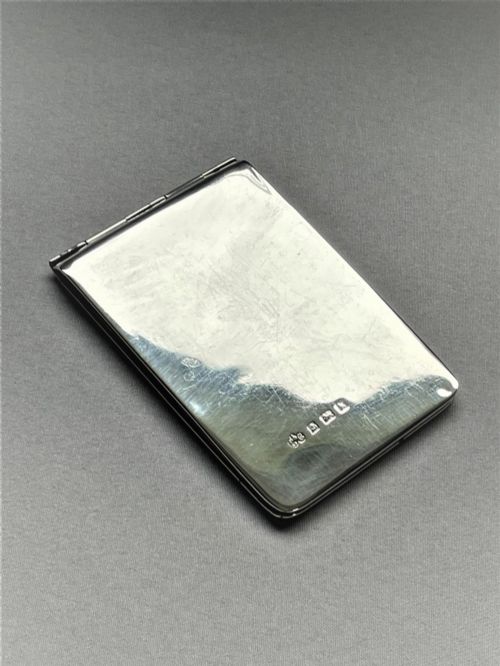
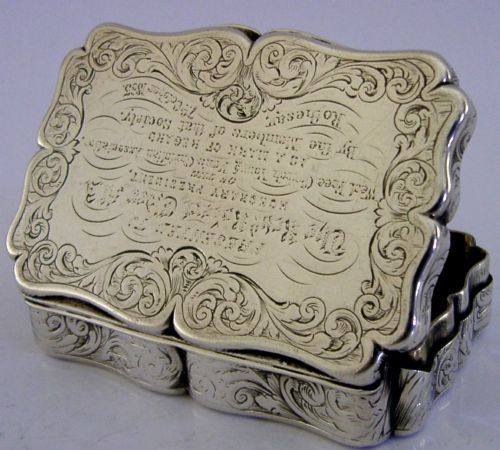
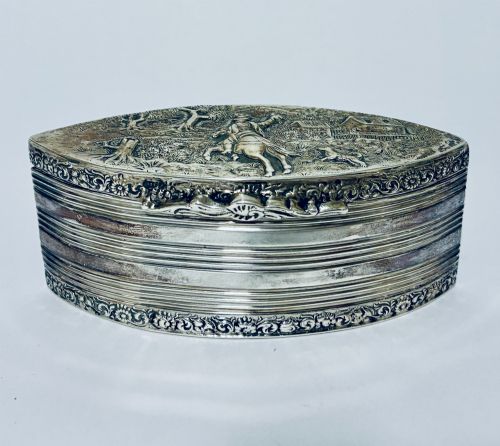
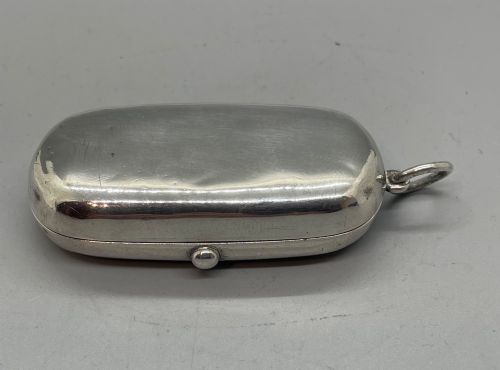
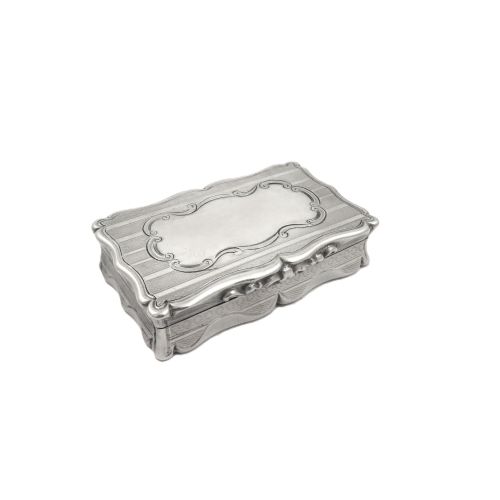
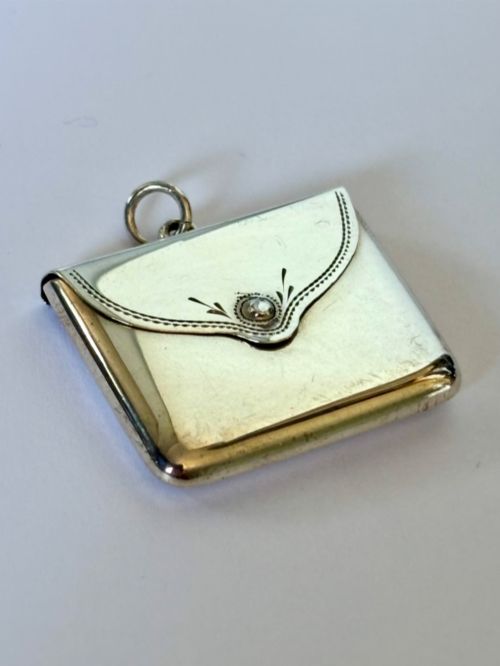
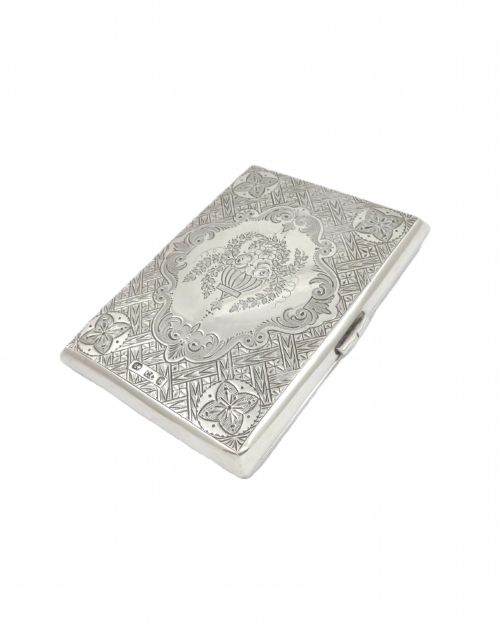
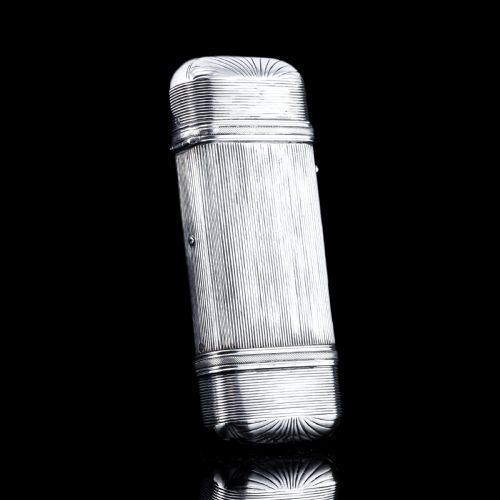
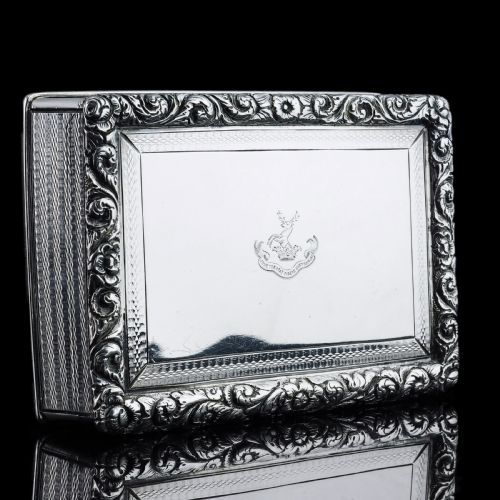
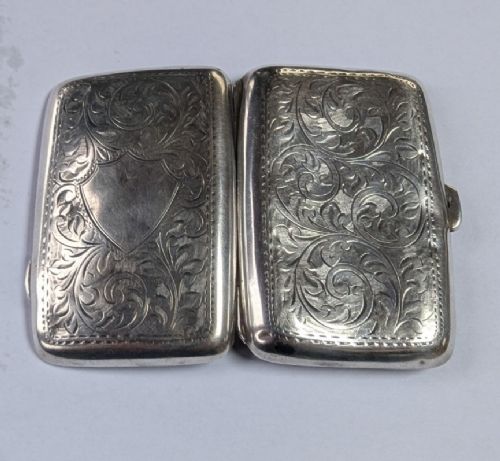
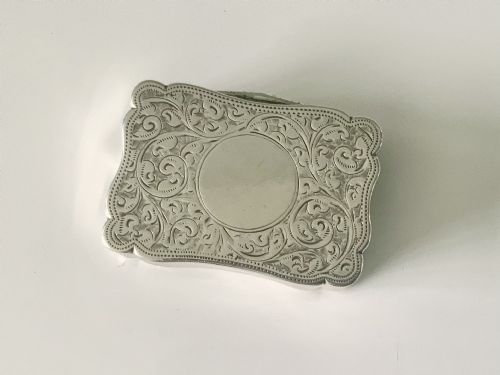
A solid silver pocket box encompasses a diverse array of small containers designed to carry everyday personal items in the pocket or handbag. When searching for a solid silver pocket box, buyers encounter forms ranging from snuff boxes, vesta cases, and cigar cases to card cases, vinaigrettes, and nutmeg graters.
The pieces originating from Georgian, Victorian, and Edwardian periods demonstrate how silversmiths adapted portable silver containers to changing social customs over centuries. Examples span English, Scottish, Irish, Dutch, French, and Ottoman origins, reflecting a broad geographic spread of manufacturing.
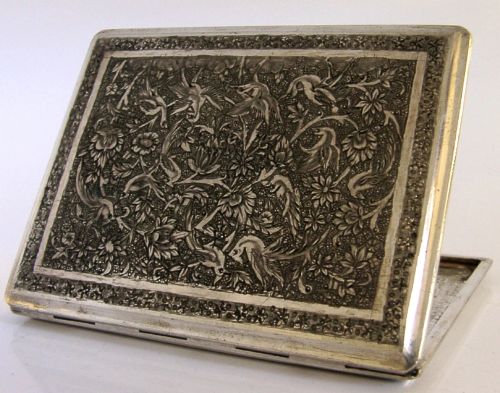
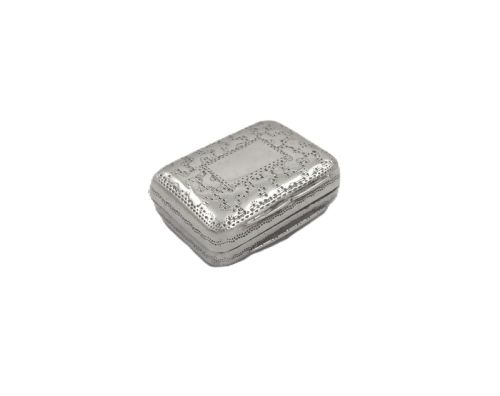
Most specimens meeting this search comprise snuff boxes and vesta cases produced in sterling silver, often marked with town assays and date letters. These utilitarian objects combine practical storage with decorative engraving, chasing, and engine turning.
Materials and Technique
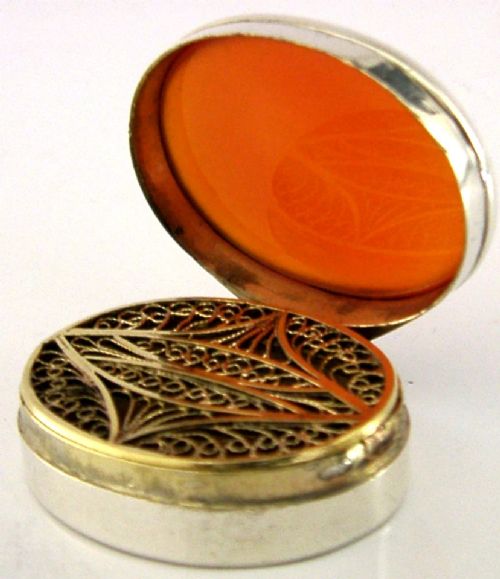
Makers utilised sterling silver and solid silver as the primary body material, frequently applying gold plate or silver-gilt finishes to the interior surfaces to prevent corrosion from contents like snuff or vinegar sponges. Certain pieces incorporate natural stones such as orange agate or feature niello inlay to add colour and textural contrast.
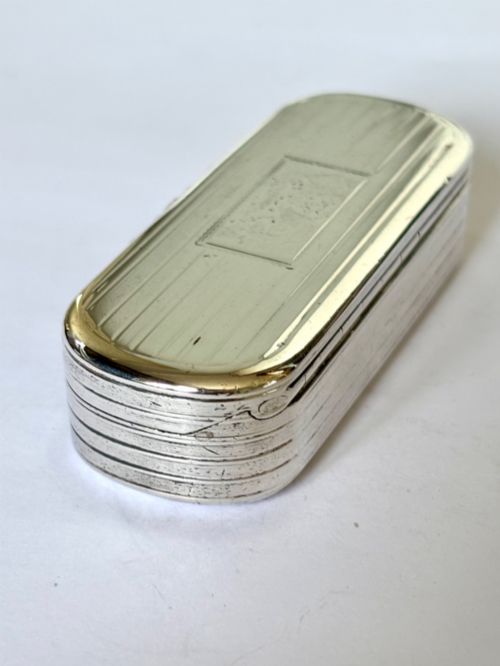
Construction techniques combine heavy casting for structural rigidity with precise hand-chasing, engine turning, and reeded designs applied to exterior panels. Hinges, latches, and double lids are integrated tightly into the metallic structure to ensure secure closure during daily carriage.
A tiny barrel originally made to grate nutmeg into Georgian punch now lives quietly in a pocket, smelling faintly of spice after two centuries.
Evaluating the Pieces
Quality rests upon the crispness of the chased or engine turned decoration and the structural integrity of the hinges and closures. Superior examples exhibit deep, unrubbed relief work on floral borders and clear, legible hallmarks stamped by provincial or capital assay offices.
The weight of the metal and the precision of the fit between lid and base distinguish standard utilitarian containers from master silversmith productions. Internal gilding preservation and the absence of distortion across curved cigarette or card cases further define the grade of an item.
Robert Thornton·Crisford and Norris·Joseph Willmore·George Unite·Edward Edwards·John Bettridge·William Eaton·Matthew Linwood·Joseph Ash·John Caw·J Keating·J Taylor
The Solid Silver Pocket Box Glossary
- Vesta case
- A small pocket container designed to hold matches, featuring a striated strike panel usually positioned on the base. These items date predominantly to the Victorian and Edwardian periods.
- Vinaigrette
- A small ornamental box containing a perforated internal grille that held a sponge soaked in aromatic vinegar. They were carried to mask unpleasant odours in public spaces.
- Hallmark
- An official stamp applied to precious metals indicating the standard of purity, the assay office, and the date of manufacture. British pieces typically show a lion passant and a date letter.
- Engine turning
- A decorative mechanical technique of engraving precise geometric patterns onto metal surfaces. This method was frequently applied to Georgian and Victorian cigar and snuff cases.
- Niello
- A black metallic alloy used as an inlay on engraved silver surfaces to create high-contrast decorative patterns. It appears frequently on 19th-century continental European pieces.
Solid Silver Pocket Box: Frequently Asked Questions
What went inside a pocket box?
These containers held a variety of personal commodities depending on their specific form, including dry snuff, loose tobacco, cheroots, visiting cards, postage stamps, and matches.
Interior fittings often reveal their original purpose, such as internal gold wash for snuff preservation or pierced grilles for aromatic vinegar sponges.
How do I date a silver box?
Dating relies primarily on the struck hallmarks, which include specific letters corresponding to the year of assay and maker's marks identifying the silversmith.
Stylistic indicators like Georgian floral chasing, Victorian engine turning, or Art Deco geometric forms also help narrow the manufacturing period.
Are these boxes safe to use daily?
Solid silver containers remain robust enough for regular carriage, provided the hinges and clasps maintain proper tension and alignment.
Owners should handle delicate mechanisms with care and avoid harsh chemical cleaners that might damage antique niello or gilding.
Why are some interiors gold?
Silversmiths applied a thin layer of gold over the silver interior, known as silver-gilt, to protect the base metal from corrosive substances.
Snuff and acidic vinegars contained within vinaigrettes would otherwise tarnish and pit standard sterling silver over time.