





Antique Silver Coffer
An antique silver coffer brings heavy timber and stout metalwork together to secure household valuables.
Antique Silver Coffer
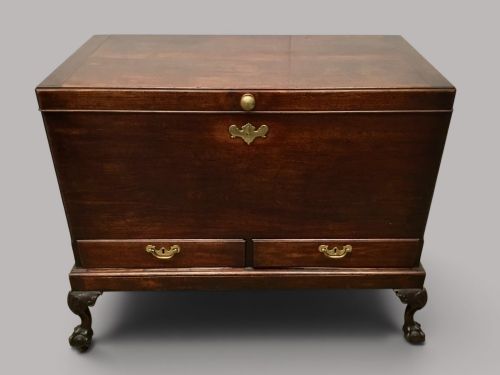
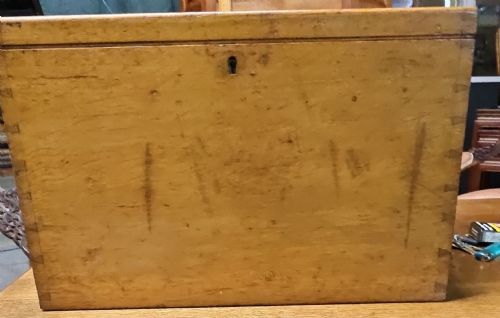
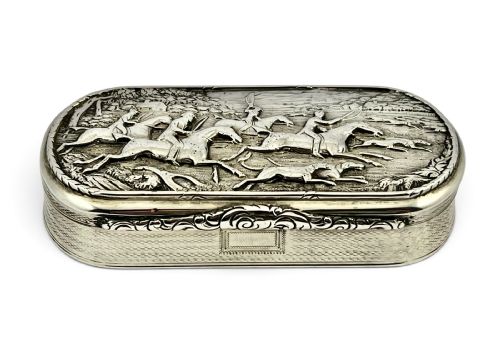
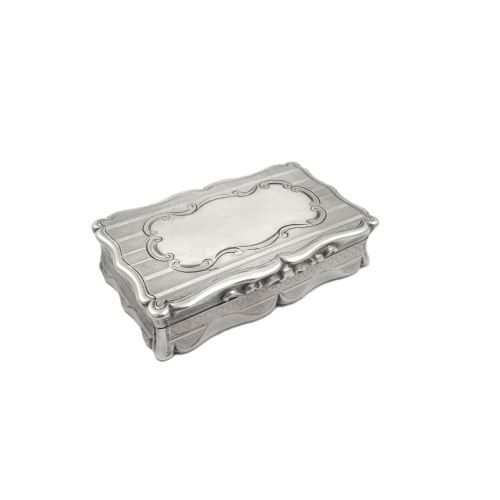
When you search for an antique silver coffer, you encounter substantial storage pieces designed to protect valuable flatware and family plate. The selection ranges from robust oak and iron-bound shipping trunks to smaller mahogany storage chests and delicate sterling silver snuff boxes.
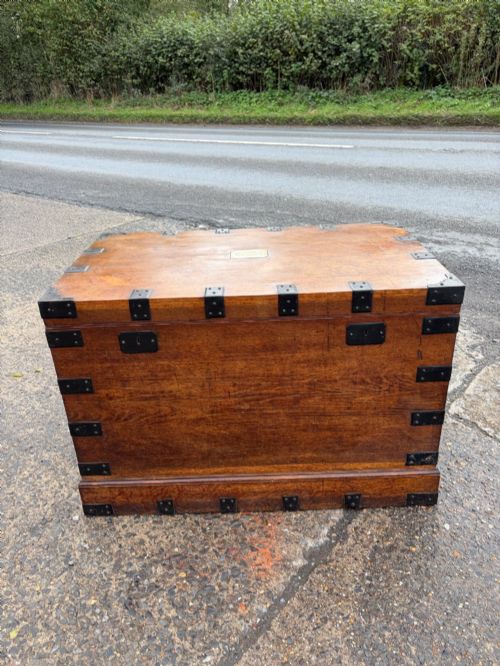
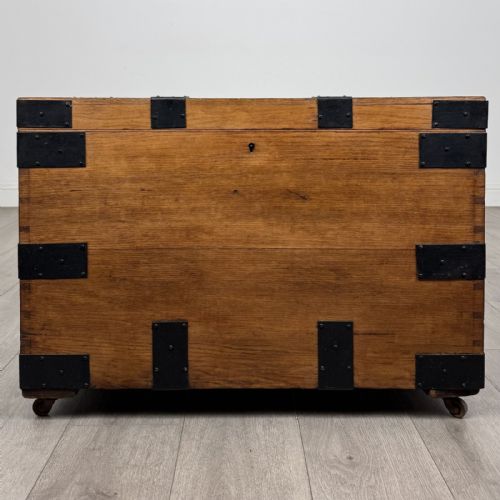
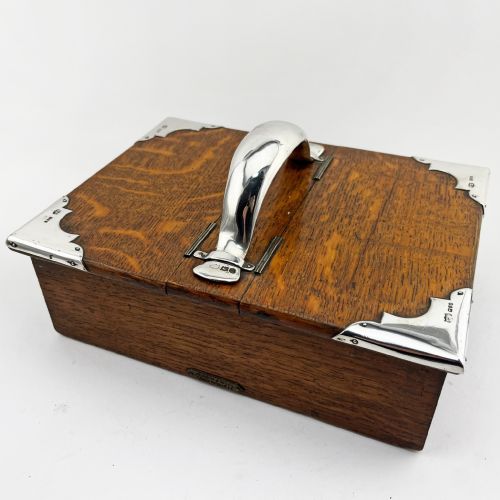
The heavier oak variants dominate the offerings, constructed for country houses and travel during the Georgian and Victorian eras. These robust chests frequently feature reinforced metal bands and secure carrying handles for transit.
Materials and construction methods
Carpenters built the primary carcasses using durable domestic and imported timbers, prominently oak and mahogany, often reinforced with structural satinwood or walnut. This choice of dense timber provided a sturdy shell capable of enduring long journeys.
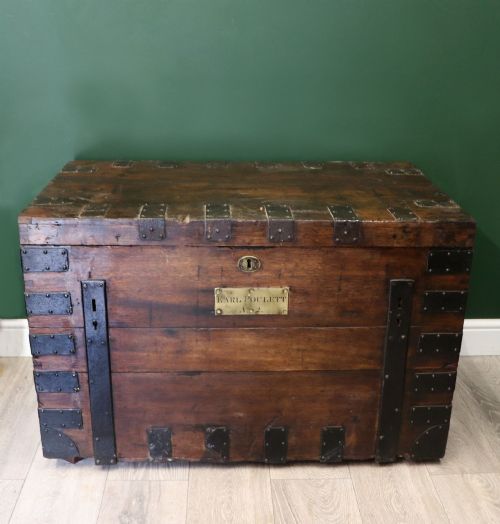
Makers applied heavy iron, steel, and brass bindings to the corners and lids of travel trunks, securing the structural joints against heavy impacts. Internal fittings typically involved baize or velvet linings to protect individual pieces of silverware during movement.
Antique Silver Coffer Retail Price Guide 2026
Typical asking prices for silver coffer among the pieces listed under this phrase on Sellingantiques today, from the lower quarter to the upper quarter. They describe what is for sale here now, not the wider market.
Listings feature structural oak, mahogany, and satinwood, frequently secured with heavy iron, steel, and brass banding.
Factors influencing quality
The distinction between standard utility trunks and superior examples rests in the precision of the joinery and the caliber of the hardware. Master cabinetmakers utilised finely figured timbers and sophisticated locking mechanisms rather than basic iron latches.
Provenance and retail history elevate certain pieces, particularly those bearing the stamps of recognised silversmith retailers or established London makers. Original fitted interiors with compartmentalised trays for flatware also distinguish higher tier pieces from simpler storage boxes.
Mappin & Webb·Elkington·Walker & Hall
The Antique Silver Coffer Glossary
- Coffer
- A heavy chest traditionally used for storing valuables, precious textiles, or coin. These sturdy receptacles often feature hinged lids and reinforced locking systems.
- Sterling silver
- An alloy consisting of pure silver and other metals, typically copper, standardised for durability and strength in domestic tablewares and small boxes.
- Campaign chest
- Portable furniture built in sections with recessed brass handles and reinforced corners, designed for easy dismantling and transport during military campaigns or travel.
- Snuff box
- A small, pocket-sized container manufactured to hold ground tobacco, frequently executed in solid silver or precious metals with hinged lids.
Antique Silver Coffer: Frequently Asked Questions
What were silver coffers used for originally?
These chests guarded valuable household plate, family silverware, and important documents from theft and fire. Wealthy households relied on them to transport precious table services safely between town houses and country estates.
Heavier specimens travelled by ship or carriage, requiring stout iron banding to withstand rough handling. Smaller velvet-lined boxes stayed indoors to house everyday flatware and trinkets.
How do I date an antique silver coffer?
Examination of the primary timber, construction joints, and hardware provides the clearest chronological indicators. Georgian pieces often display rich mahogany or red walnut, while Victorian examples frequently favour golden oak with heavy iron strapping.
Makers' stamps, retailer plaques, and lock mechanisms offer further evidence for establishing a precise decade of manufacture. Stylistic shifts from eighteenth-century simplicity to nineteenth-century industrial reinforcement help narrow down the period.
Can I use a silver chest as a coffee table?
Many buyers repurpose large oak and iron-bound chests as low living room tables to gain practical internal storage. Their flat, sturdy lids accommodate books and decorative objects easily.
When adapting a vintage trunk for this purpose, ensure the timber is cleaned and treated gently to preserve the original surface patina. Heavy metal bindings provide an industrial aesthetic that suits contemporary interiors.
How do I care for an oak and iron chest?
Regular dusting with a dry, soft cloth preserves the timber finish without introducing excessive moisture. Apply a quality beeswax sparingly to nourish dry antique oak when necessary.
Protect iron and steel bindings from damp environments to prevent rust formation. Keeping the piece away from direct heat sources prevents the timber from splitting.