





Antique Walnut Coffer
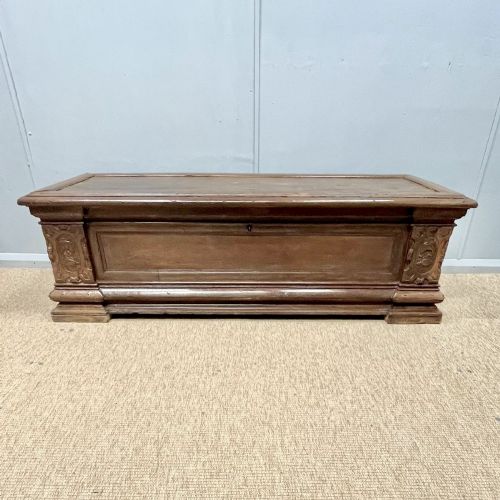
An antique walnut coffer provides robust timber storage, combining rich grain patterns with centuries of domestic history.
Antique Walnut Coffer
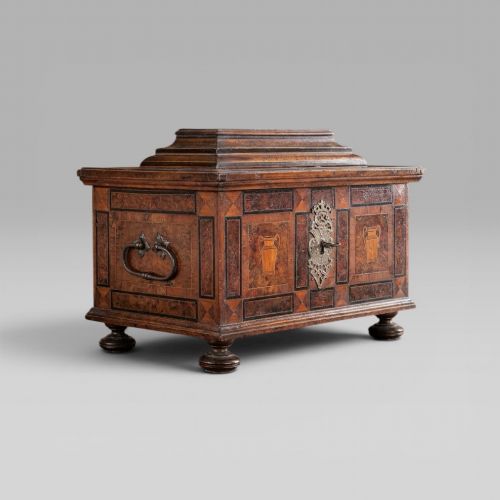
An antique walnut coffer encompasses heavy storage chests, smaller lidded boxes, and related form timber cases from the sixteenth century onwards. These pieces range from seventeenth-century continental cassones to nineteenth-century revival trunks and smaller apprentice pieces.
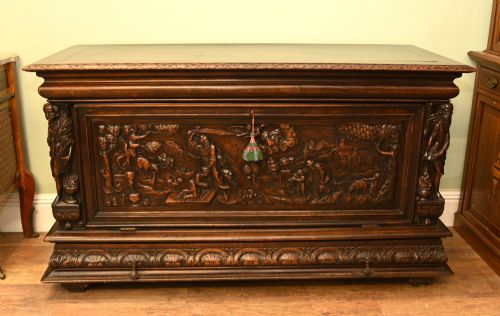
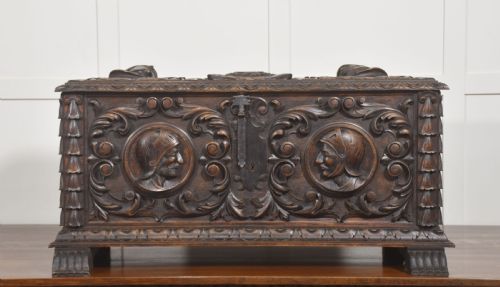
Buyers encounter distinct forms spanning robust iron-bound travel trunks, carved figurative coffers, and inlaid Spanish or Italian examples. Walnut combines with secondary timbers like oak and fruitwood across seventeenth-century and Georgian periods.
Quality factors in walnut storage pieces
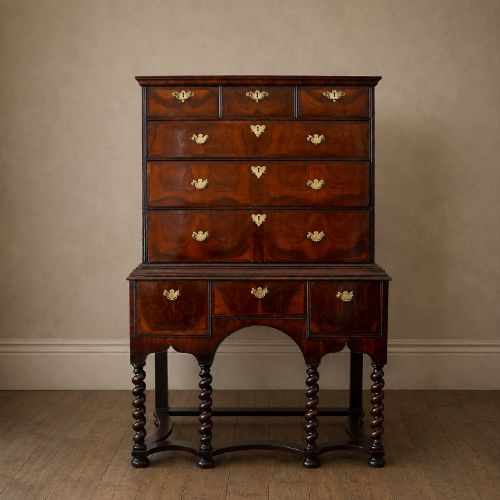
Quality rests on the depth of timber figure, the integrity of early construction joints, and the survival of original hardware such as brass handles and locks. Pieces retaining untouched surface patination command greater attention from collectors.
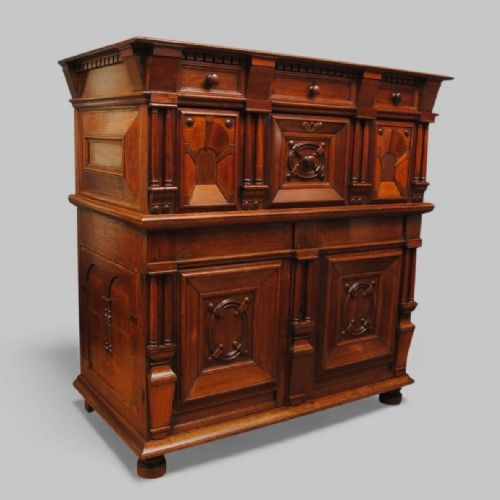
The precision of geometric inlay, marquetry, and carved figural medallions separates standard regional carpentry from high-status workshop production. Original lids, bases, and internal till compartments preserve the historical utility of the piece.
Antique Walnut Coffer Retail Price Guide 2026
Typical asking prices for walnut coffer among the pieces listed under this phrase on Sellingantiques today, from the lower quarter to the upper quarter. They describe what is for sale here now, not the wider market.
One exceptional nineteenth-century trunk carries the complete military identity of a Waterloo Commissary General.
The Antique Walnut Coffer Glossary
- Coffer
- A large wooden chest used for storing valuables, linens, or documents. These sturdy receptacles typically feature hinged lids and robust structural framing.
- Cassone
- An ornate Italian chest traditionally commissioned for marriage chests during the Renaissance period. They often display elaborate carving, gilding, or painted panels.
- Burr walnut
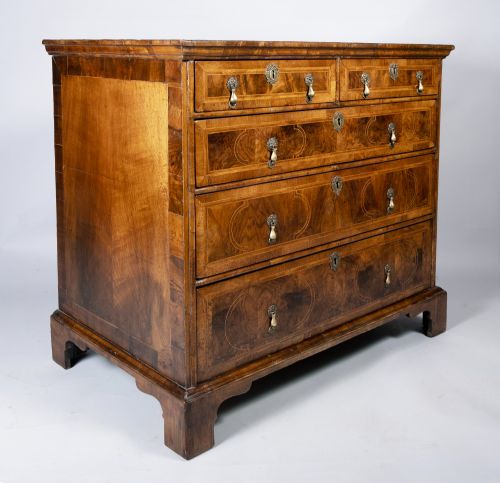
- A specialised timber cut from walnut tree growths that produces highly figured, swirling grain patterns. Cabinetmakers sliced this wood into thin veneers for decorative surfaces.
- Marquetry
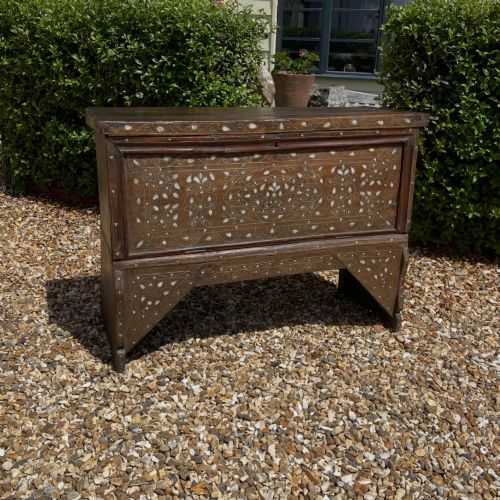
- The art of applying decorative veneer pieces in geometric or pictorial patterns onto a carcase. Craftsmen incorporated contrasting woods, bone, and mother-of-pearl.
- Geometric chest
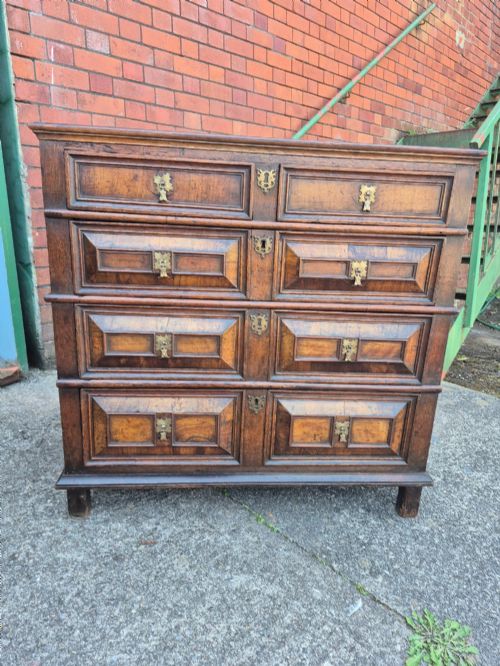
- A piece decorated with raised mitred mouldings arranged in geometric patterns across the drawer fronts. This style is frequently associated with seventeenth-century joinery.
Antique Walnut Coffer: Frequently Asked Questions
How are antique walnut coffers cleaned?
Maintenance requires gentle dusting with a dry cloth and occasional application of appropriate beeswax to nourish the timber. Avoid modern liquid polishes that can degrade historical finishes.
Keeping pieces away from direct heat sources and strong sunlight prevents the walnut veneer from drying out or splitting over time.
What is the difference between a coffer and a chest?
Coffers traditionally feature a hinged lid opening from the top for general storage, whereas chests often incorporate front drawers and specialised internal divisions. The terminology sometimes overlaps in historical listings.
Examining the internal layout and opening mechanism clarifies whether a piece functioned primarily as a travel trunk, linen receptacle, or domestic drawer unit.
How do you identify seventeenth-century walnut furniture?
Seventeenth-century examples display visible hand-cut dovetails, pegged joints, and heavy secondary timbers like oak beneath the walnut surfaces. The construction methods reflect pre-industrial hand tool techniques.
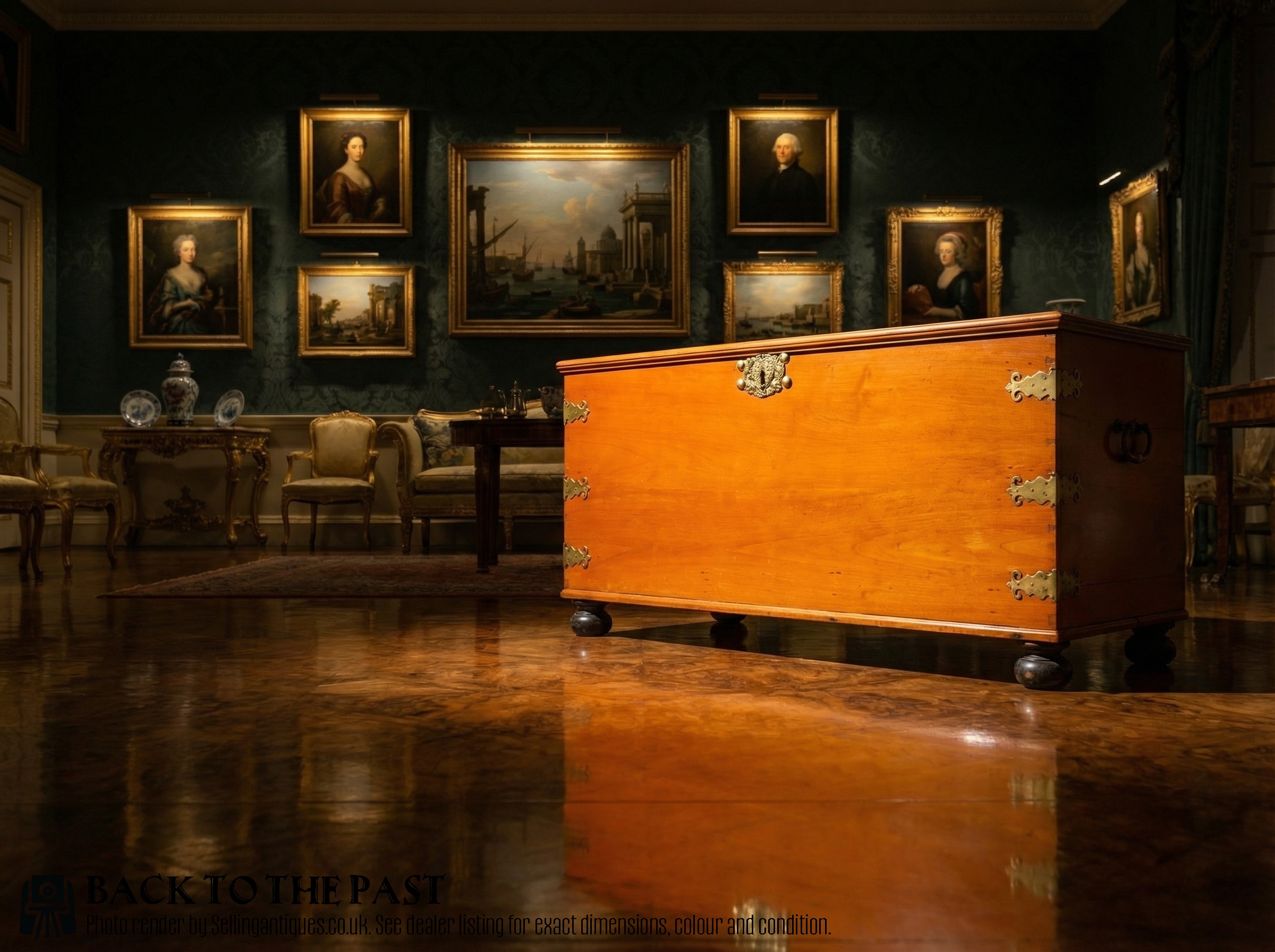
Stylistic markers include geometric panel moulding, bun feet, and iron strap hinges rather than later brass hardware assemblies.
Where were walnut coffers placed in historical homes?
These storage pieces sat in principal chambers, hallways, or administrative rooms to hold valuable textiles, silver, and important documents. Their robust construction allowed them to double as seating or transport trunks.
Smaller tabletop caskets and miniature pieces resided on writing desks or side tables for private correspondence and jewellery.