

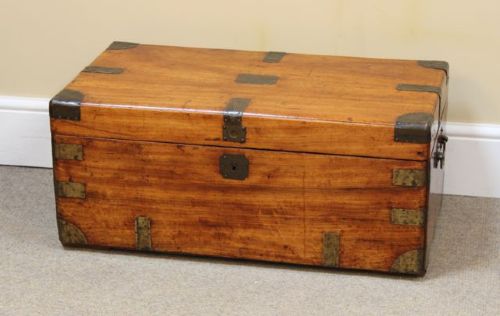
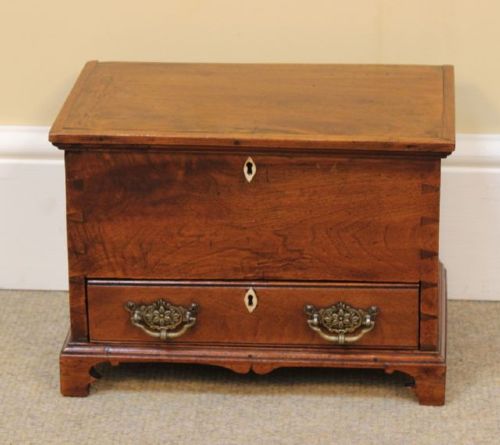
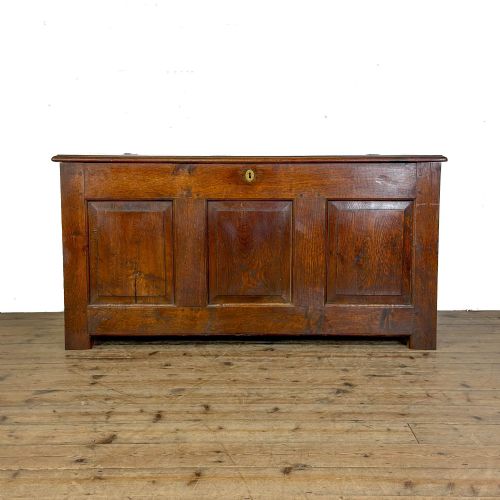
Victorian Blanket Chest
A Victorian blanket chest is a sturdy household storage piece designed to keep textiles safe, offering honest utility and traditional timber charm.
What a Victorian blanket chest is
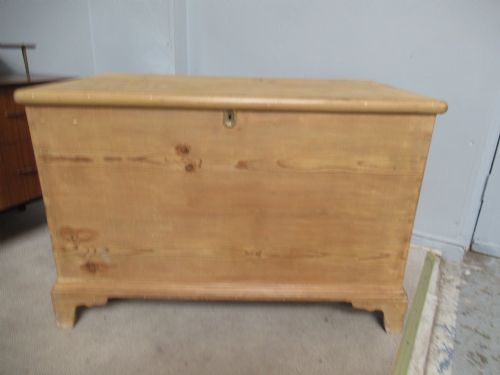
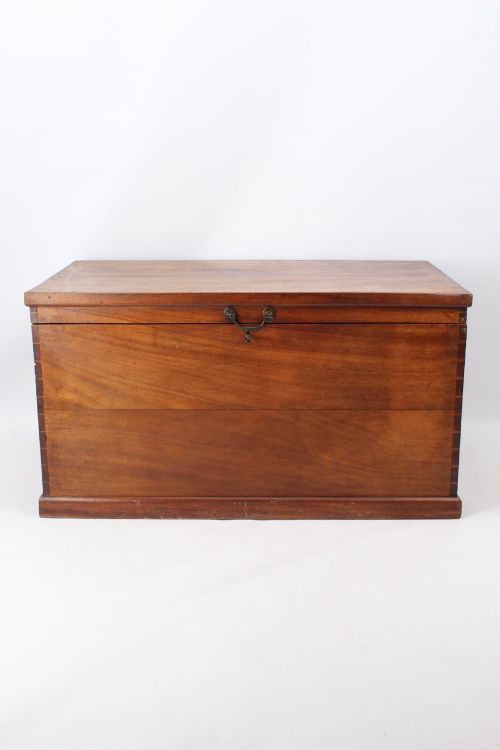
When buyers search for a Victorian blanket chest, they encounter a range of functional wooden storage boxes that served nineteenth-century homes for linens, clothes, and valuables. The items appearing here span periods from the mid-nineteenth century to 1890, capturing the transition from utilitarian utility pieces to more decorative household furnishings.
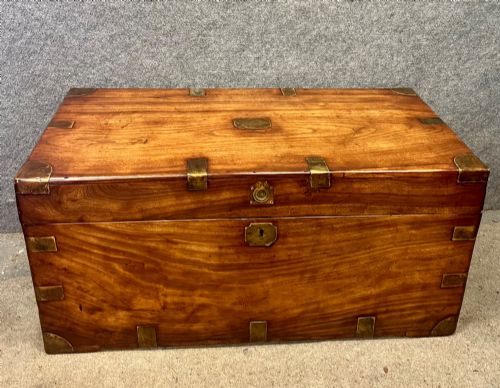
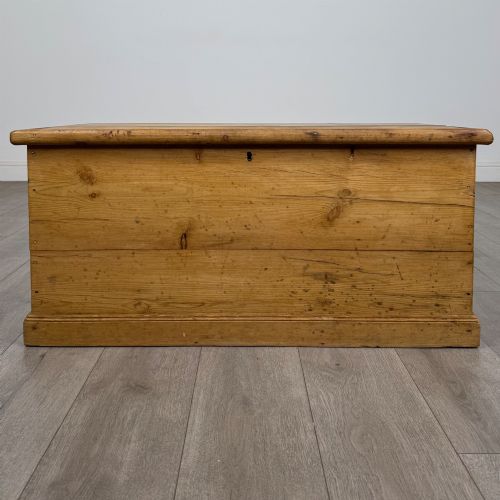
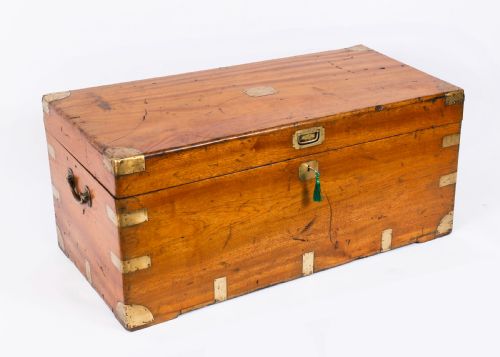
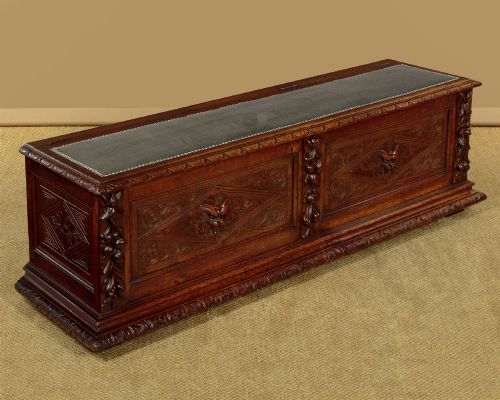
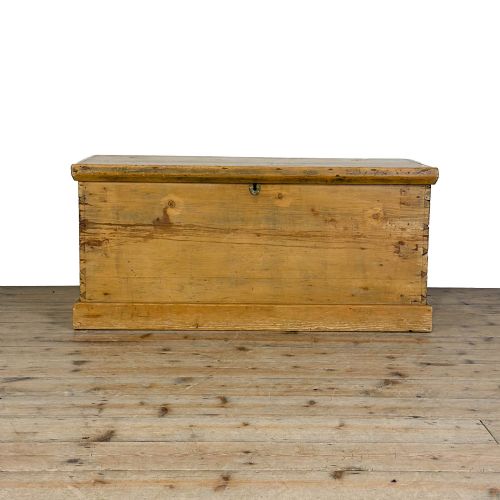
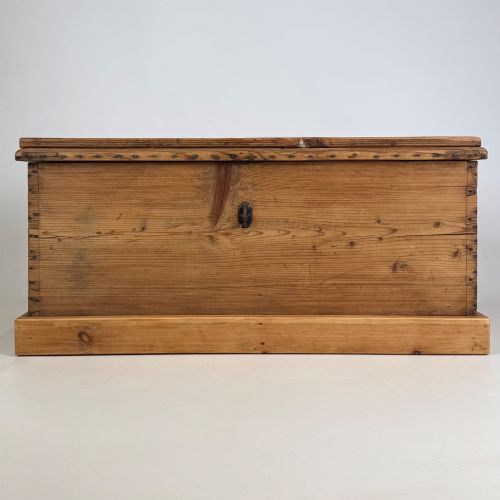
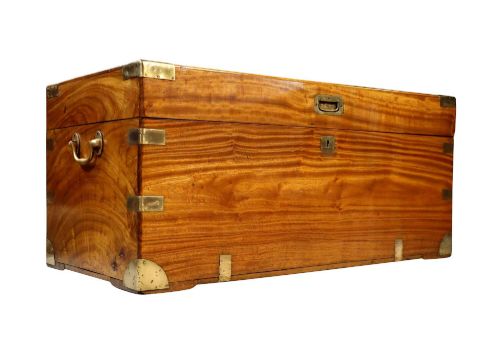
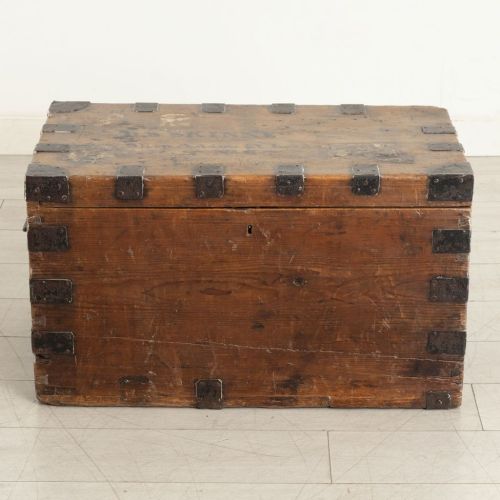
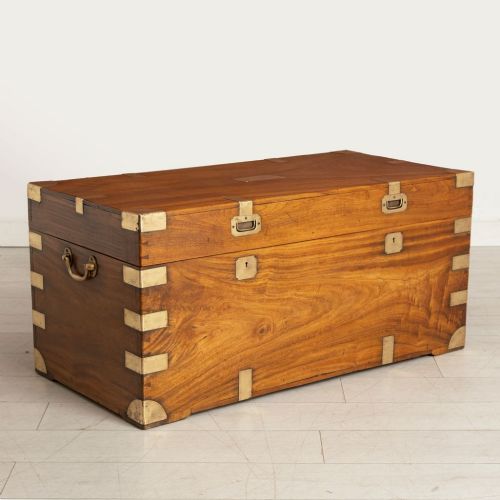
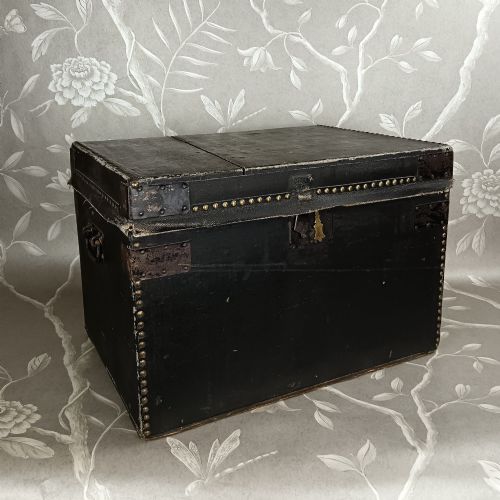
The most common version met on this page is the plain or waxed pine flat-top blanket chest, alongside painted variations, oak coffers, elm examples, and occasional mahogany or walnut pieces. Formats range from simple candle-box interiors and secret drawers to elaborate carved lids, brass-mounted campaign trunks, and needlework-topped ottomans.
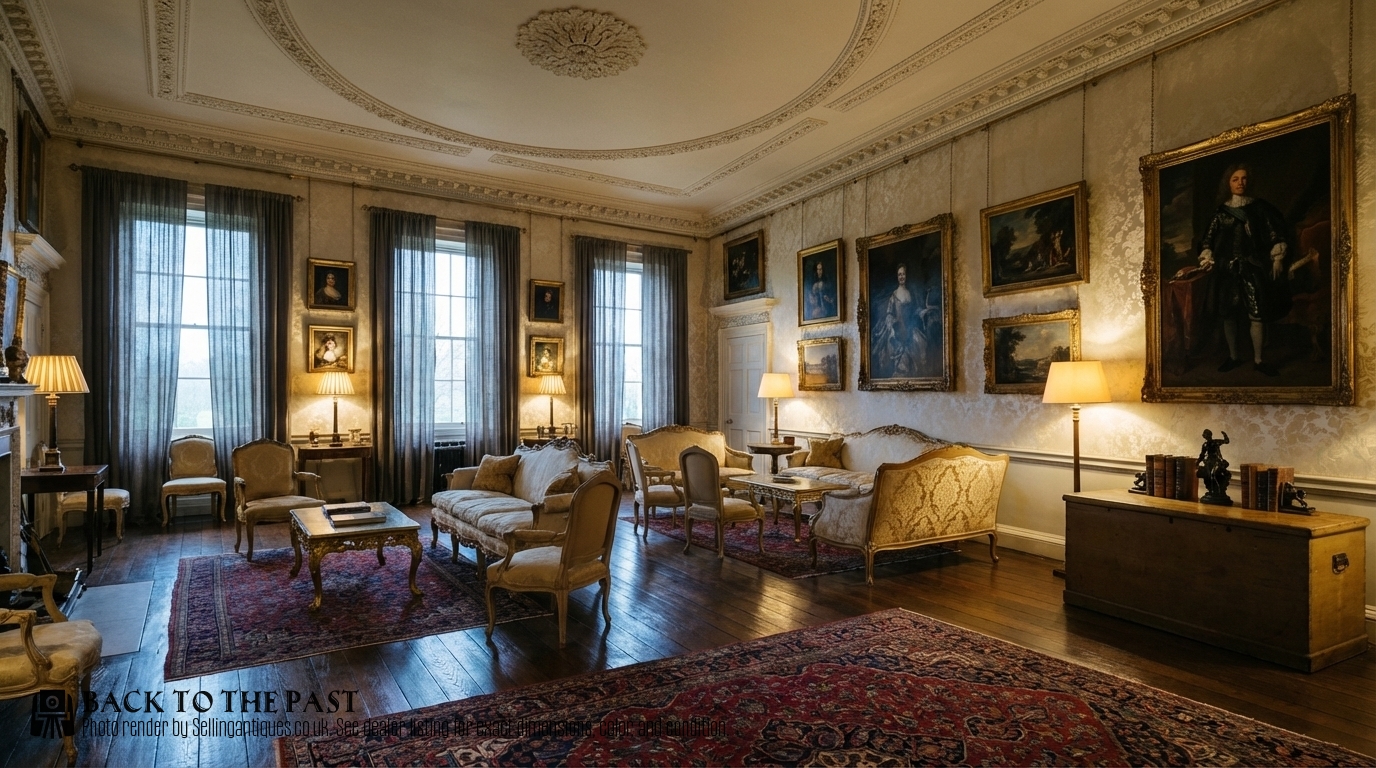
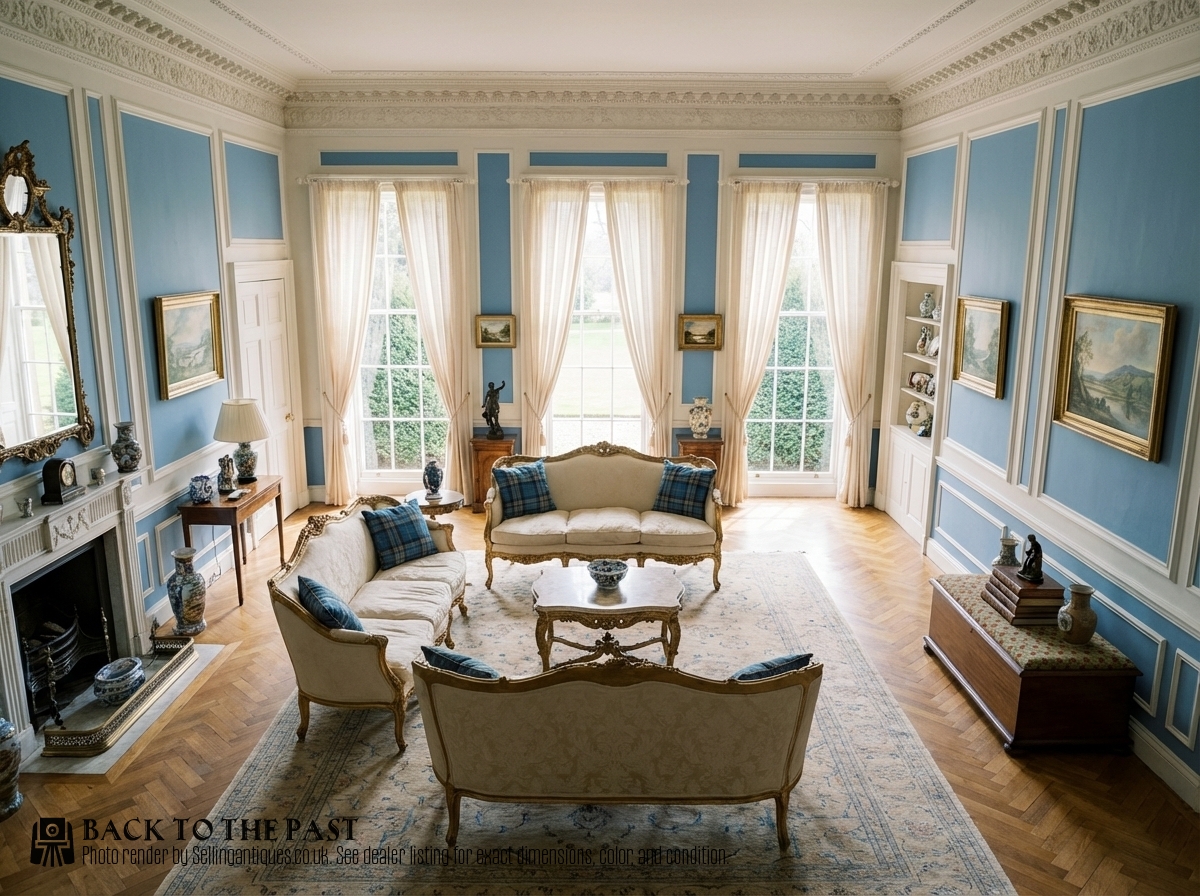
These items fit naturally into modern interiors as coffee tables, television stands, or hallway storage, retaining the honest utility that nineteenth-century households relied upon. Their robust construction ensures they remain practical repositories for blankets and household items today.

How they were made
Makers utilised solid timbers such as pine, oak, elm, fruitwood, teak, walnut, and mahogany, constructing the bodies with durable joinery designed to withstand heavy daily use. Surfaces received various finishes, ranging from simple wax polishing and grain painting to elaborate carving and profuse continental inlay.
Hardware played an essential structural role, incorporating iron hinges, metal brackets, and brass mounts, particularly on campaign styles and travel trunks built for mobility. Internal compartments often featured fitted candle boxes and hidden drawers constructed with traditional woodworking methods.
Retail Price Guide 2026
Typical UK retail prices for victorian blanket chest, calculated from the Sellingantiques database of over a million retail prices indexed since 2003. This retail price guide relies exclusively on Sellingantiques data; no external sources or auction records are used, so the figures do not describe the wider market.
Secret drawers hidden inside nineteenth-century chests offered Victorian households a sneaky place to stash small valuables away from prying eyes.
What varies in quality
Refinement in surface treatment distinguishes the range, separating simply painted or waxed utility trunks from finely carved oak panels, mahogany framing, and profuse continental inlay work. Structural integrity and untouched original hardware further define the hierarchy among surviving examples.
The Victorian Blanket Chest Glossary
- Pine
- A softwood widely utilised for nineteenth-century domestic furniture, valued for its accessibility and ability to take wax or paint finishes. It forms the primary material for the majority of standard blanket chests.
- Mule chest
- A traditional storage form combining a blanket chest base with one or more drawers fitted beneath the main compartment. This design bridged the gap between basic coffers and modern drawer chests.
- Campaign trunk
- A portable storage box constructed with brass mounts and reinforced corners for travel and military use during the nineteenth century. These pieces prioritised robust mobility without sacrificing utility.
- Coffer
- A heavy wooden box with a hinged lid, historically used for storing valuables, documents, or textiles before dedicated wardrobes became common. Oak and elm examples frequently appear under this classification.
- Candle box
- A small internal compartment built into one side of a blanket chest to hold tallow candles away from stored linens. Its presence indicates an untouched interior arrangement.
- Gros-point
- A type of needlework stitch executed on canvas, often utilised for upholstery on nineteenth-century ottomans and stools. It provides a textured, durable decorative top.
Frequently Asked Questions
What were Victorian blanket chests used for?
These chests served nineteenth-century households primarily as secure storage for woollen blankets, linens, and garments, protecting textiles from moths and dampness. Many also doubled as benches or tables within domestic settings.
Over time, their robust flat tops encouraged secondary uses in hallways and living spaces as everyday furniture.
How do I identify a Victorian blanket chest?
Identification relies on observing traditional timber varieties like pine, oak, and elm, alongside period construction methods such as hand-cut joints and forged iron or brass hardware. Stylistic clues often include nineteenth-century carving patterns, candle boxes inside, and characteristic proportions.
Archival examples frequently feature specific regional traits, such as carriage chest mountings or campaign brass corners.
Can I use a blanket chest as a coffee table?
Flat-top blanket chests make ideal coffee tables because their sturdy wooden surfaces easily support books, trays, and everyday items. Their internal storage capacity provides a practical way to hide away clutter in a living room.
Flat-top pine and elm variants from the nineteenth century adapt particularly well to this modern function.
What is the difference between a coffer and a chest?
A coffer traditionally refers to a heavy, often panelled wooden box with a flat lid, frequently constructed from oak or elm for secure storage. Blanket chests generally encompass a broader category that includes simpler pine storage trunks and mule chests with drawers.
Both terms describe lidded storage containers, though coffer often implies older or more formal cabinet-making traditions.