
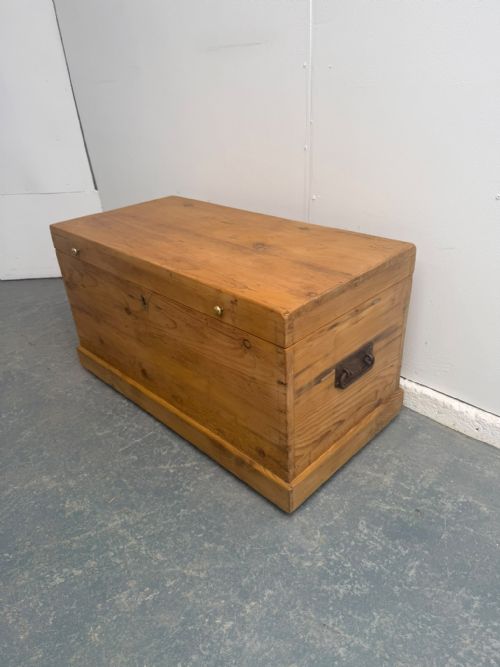
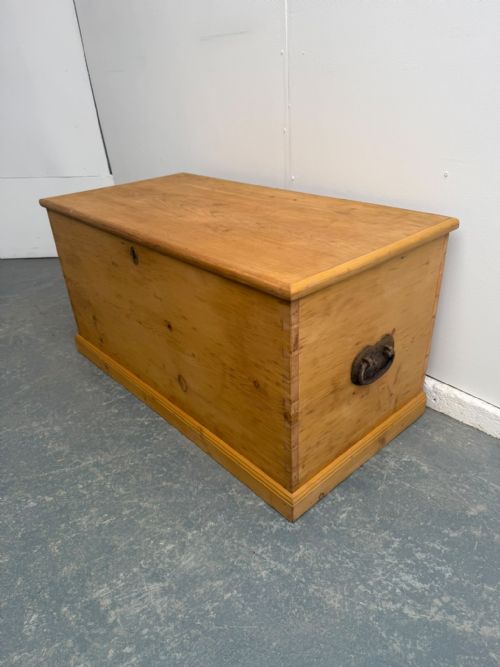
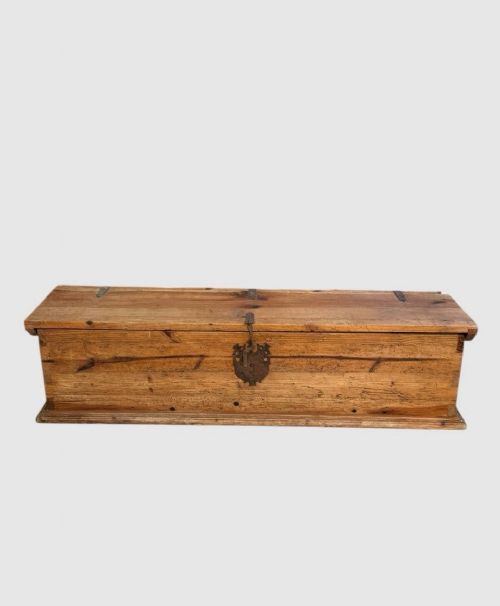

Traditional Pine Blanket Chest
A traditional pine blanket chest brings warm texture and robust utility to any room, offering generous storage with honest historic charm.
What They Are
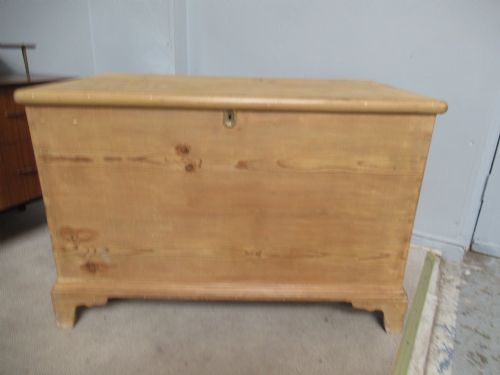
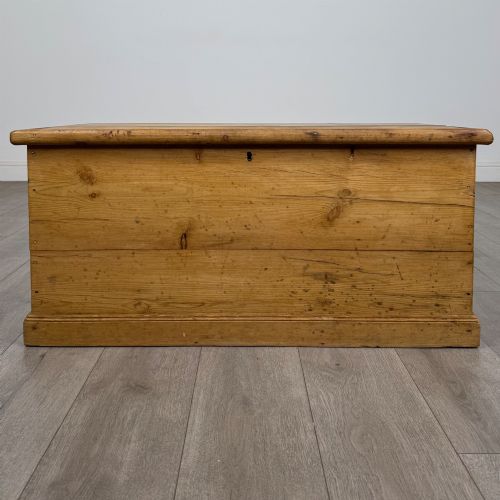
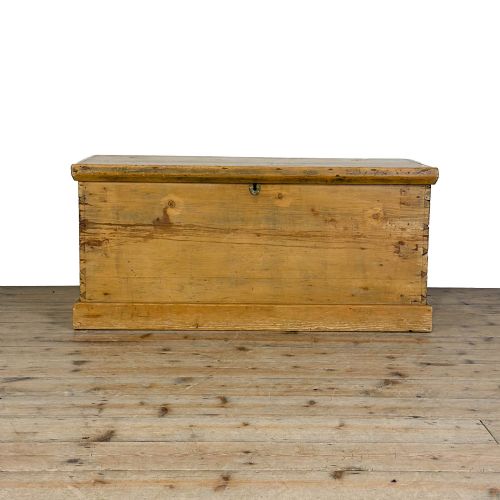
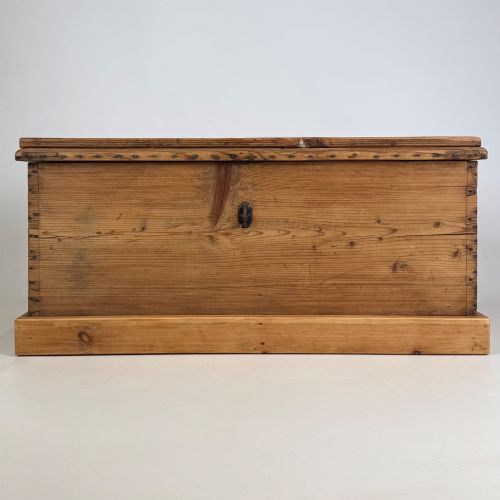
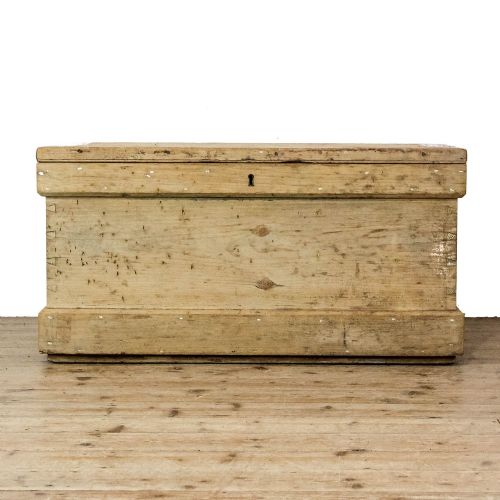
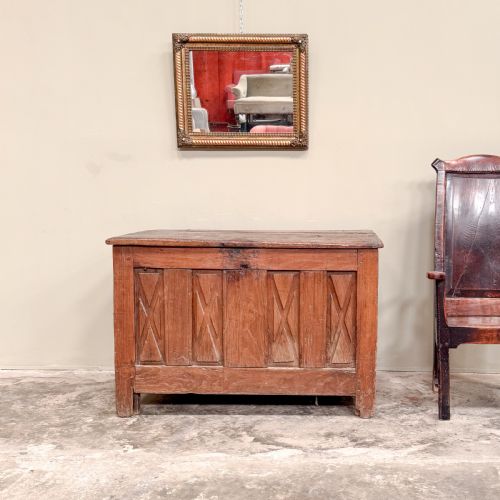
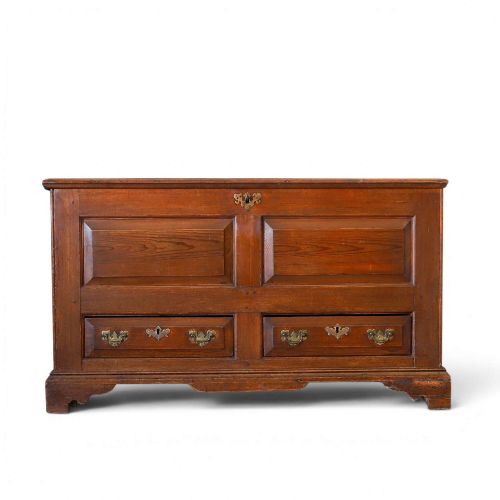
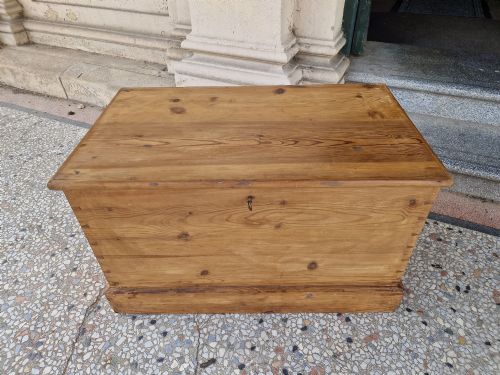
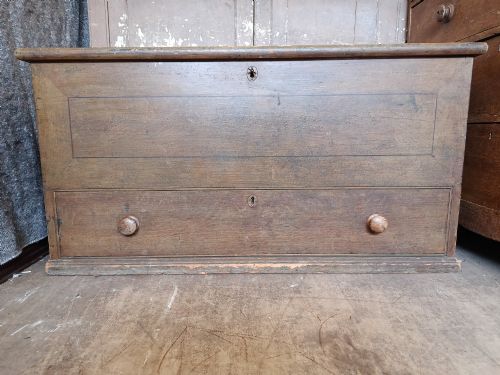
When you search for a traditional pine blanket chest, you encounter sturdy storage boxes spanning the Georgian and Victorian eras, alongside pieces dated around 1880 and 1900. These items appear primarily as trunks and chests, blanket boxes, or mule chests featuring fitted interior drawers or lower drawer configurations.
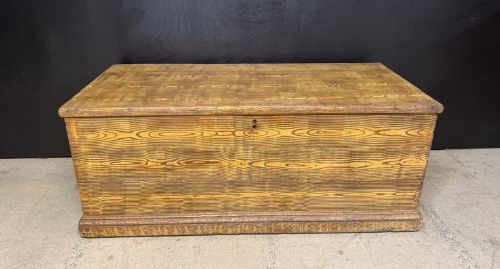
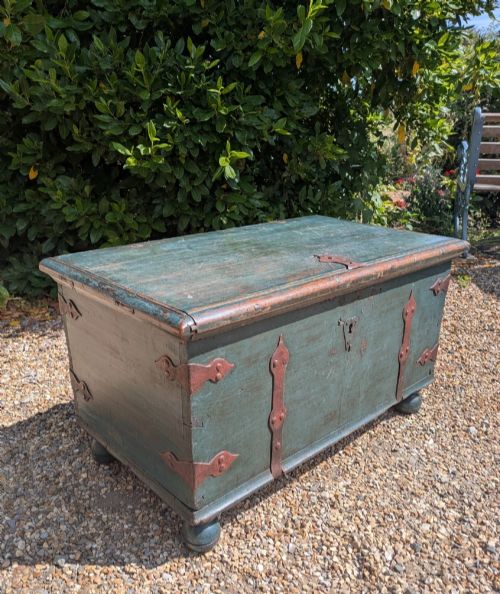
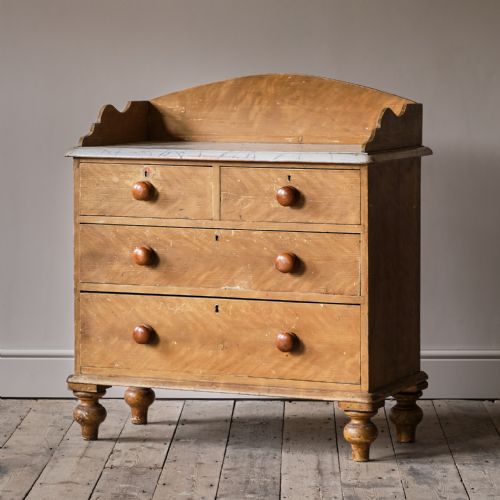
The examples listed range from plain waxed surfaces to scumble painted finishes and original paint treatments. Most originate from English country workshops, embodying utilitarian forms designed for domestic linen and garment storage.

How They Were Made
These pieces are constructed from solid pine, occasionally specified as Oregon pine, utilising durable timber framing for daily household use. Iron and brass hardware, such as hinges and locks, secure the lids and provide functional contrast to the soft wood.
Surface treatments vary between stripped natural timber, traditional wax finishes, and decorative scumble paint or original paint layers. Internal arrangements sometimes incorporate fitted drawers or compartments alongside the main open storage well.
Retail Price Guide 2026
Typical UK retail prices for traditional pine blanket chest, calculated from the Sellingantiques database of over a million retail prices indexed since 2003. This retail price guide relies exclusively on Sellingantiques data; no external sources or auction records are used, so the figures do not describe the wider market.
What Varies in Quality
Quality rests in the survival of original decorative surfaces, such as untouched scumble paint or early painted finishes, versus later stripped treatments. Construction depth also elevates a piece, particularly when interior fitted drawers or lower drawer tiers accompany the primary chest.
Proportion and scale distinguish standard boxes from substantial mule chests and large coffers. The integrity of original iron or brass hardware and functional keys further elevates the standing of an individual piece.
The Traditional Pine Blanket Chest Glossary
- Pine
- A softwood utilised extensively for domestic furniture and storage boxes throughout the eighteenth and nineteenth centuries. It takes wax and paint finishes readily.
- Mule chest
- A storage chest featuring one or more drawers beneath the main lift-top compartment. This form bridges the traditional blanket box and the chest of drawers.
- Scumble paint
- A decorative technique involving translucent layers of glaze manipulated over a base coat to imitate finer grain woods or create textured patterns.
- Coffer
- A heavy, robust box traditionally used for safekeeping valuables and textiles before dedicated wardrobe furniture became common in ordinary homes.
Frequently Asked Questions
How are these chests dated?
Dating relies on construction methods, timber characteristics, and surface treatments observed across Georgian and Victorian examples. Hardware styles and edge profiles also offer clues to the period of manufacture.
Makers often utilised simple pegged joints or hand-cut fixings that shift in style over the decades. Comparing surface wear and underlying wood helps narrow down the era.
Can I use a blanket chest as a coffee table?
Many sturdy pine chests possess proportions that make them suitable surface tables while hiding clutter inside. Ensuring the top boards remain stable and flat is essential for daily placement.
Placing felt pads beneath decorative items protects the waxed or painted pine surface from scratches. The internal depth safely holds books, throws, and media equipment.
What is a mule chest?
A mule chest combines a traditional lift-top blanket box with one or more drawers built into the base. This layout allowed users to access smaller garments without lifting the heavy lid.
The form evolved during the eighteenth century as domestic storage needs grew more complex. Examples often feature bracket feet or simple plinth bases supporting the lower drawers.
How do I care for antique pine?
Waxed pine benefits from occasional application of traditional beeswax to nourish the timber and maintain a soft sheen. Avoid placing pine furniture in direct sunlight or near heat sources to prevent warping.
Painted or scumble surfaces require gentle dusting with a dry cloth rather than liquid cleaners. Preserving the original finish safeguards the historical character of the piece.