


Dovetailed Pine Trunk
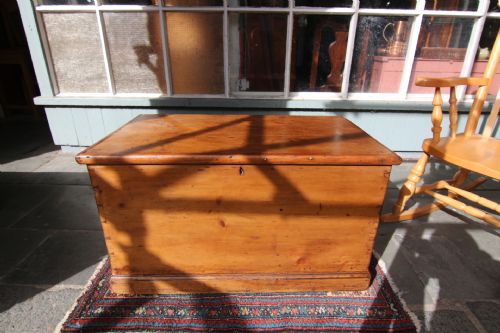
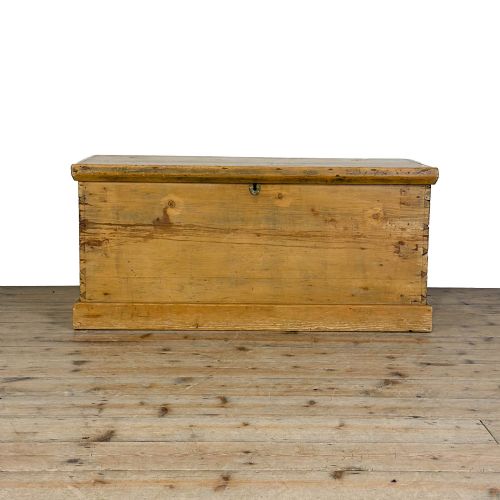
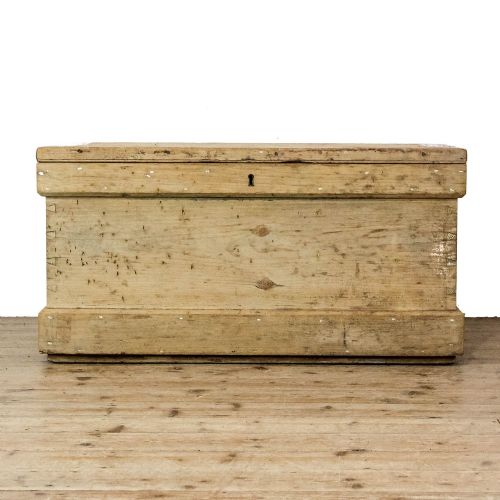
Dovetailed pine trunks are sturdy storage chests built for everyday household utility, offering honest country character and generous space for blankets, tools or linens.
Dovetailed Pine Trunk
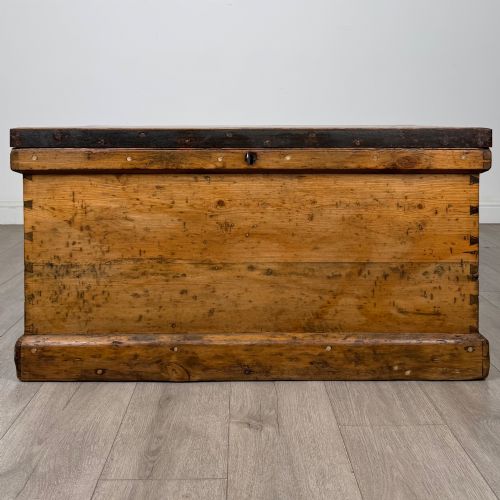
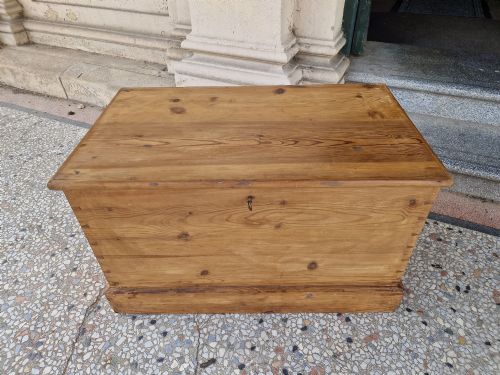
When you search for dovetailed pine trunk, you are looking at utilitarian storage pieces that served homes for generations. The examples seen here span from the 17th century through the Victorian era and up to 1900, taking forms such as blanket boxes, mule chests, tool chests and domed top coffers.
You are most likely to meet Victorian versions on this page, as these make up the bulk of the surviving pieces. These range from plain rustic farmhouse boxes to fitted chests complete with internal drawers.
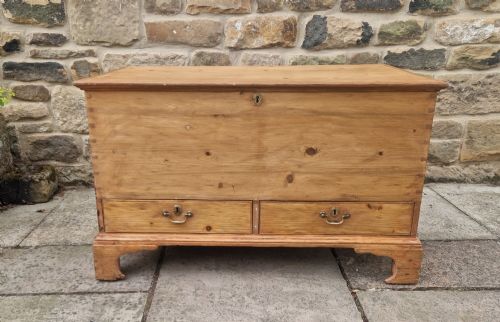
The styles recorded across these listings lean heavily toward rustic country, farmhouse and Victorian aesthetics. They vary from simple rectangular storage chests to more elaborate mule chests featuring lower drawers.
How they were made
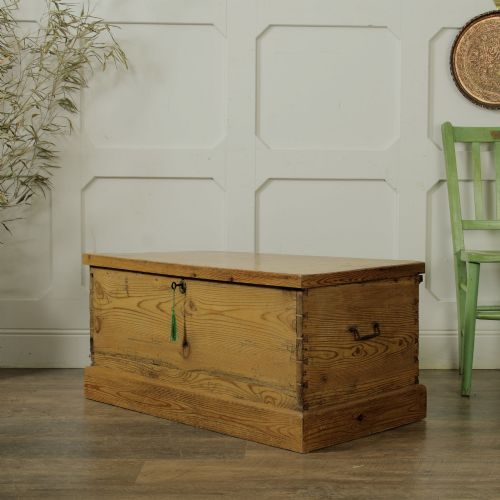
Makers built these pieces primarily using pine and pitch pine, timbers chosen for their availability and workability. These softwoods were fashioned into sturdy boxes using the characteristic dovetailed joints at the corners, which provided structural strength without the need for complex framing.
Iron and brass hardware frequently reinforced the construction, appearing as carrying handles, hinges, and lock plates. Many surviving examples retain a waxed finish that highlights the grain of the wood while offering protection.
Dovetailed Pine Trunk Retail Price Guide 2026
Typical asking prices for dovetailed pine trunk among the pieces listed under this phrase on Sellingantiques today, from the lower quarter to the upper quarter. They describe what is for sale here now, not the wider market.
Listings on this site span from the 17th century to 1900, utilising pine, pitch pine, iron, and brass across various chest forms.
What varies in quality
The distinction between a standard utility box and a finer piece often lies in the sophistication of the internal layout and joinery. Fitted chests featuring internal drawers or domed lids require greater carpentry skill than simple rectangular blanket boxes.
The choice of secondary materials also separates the tiers, with pitch pine and select brass fittings appearing on more substantial commissions compared to standard rustic pine and iron.
The Dovetailed Pine Trunk Glossary
- Dovetail
- A joint formed by interlocking wedge-shaped fingers, known as pins and tails. This traditional technique provides exceptional tensile strength at the corners of a trunk.
- Mule chest
- A storage chest featuring one or more drawers built into the base beneath the main compartment. This form bridges the gap between a traditional blanket box and a chest of drawers.
- Pitch pine
- A dense, resinous softwood variety used for heavier furniture and trunks. It typically displays a pronounced grain pattern.
- Blanket box
- A large rectangular chest traditionally used for storing bedding, woollens and linens. These often feature hinged lids and simple internal compartments.
Dovetailed Pine Trunk: Frequently Asked Questions
What is a dovetailed pine trunk?
A dovetailed pine trunk is a wooden storage box constructed with interlocking corner joints and hinged lids. These pieces were standard household items used to store linens, clothing and tools.
They appear in various forms on this page, including mule chests and domed top trunks dating from the Georgian and Victorian periods.
How were these trunks used?
Families utilised these chests primarily for practical storage in bedrooms and utility rooms. They kept heavy woollens, blankets and personal possessions safe from dust and moths.
Some specialised versions, such as tool chests, served tradespeople for transporting and storing their equipment securely.
How do I live with a pine trunk?
These chests function well as coffee tables at the foot of a bed or as hallway seating while providing concealed storage. Their neutral timber tones blend easily into both traditional and modern interiors.
Maintenance generally involves occasional waxing to keep the pine nourished and protecting the surface from excessive moisture.
How do I tell the periods apart?
Earlier pieces from the 17th century and the Georgian era often display heavier timber scantlings and hand-cut joinery specific to their time. Victorian examples tend to be more numerous and sometimes include decorative brass hardware or internal fitted drawers.
Checking the construction details and handles helps indicate whether a trunk originates from the rural farmhouse tradition or later 19th-century workshops.