




Edwardian Silver Jewellery Casket
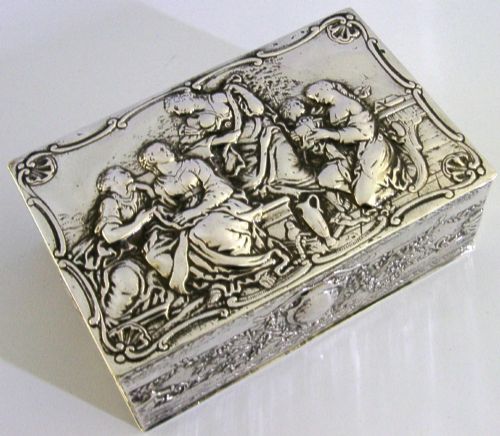
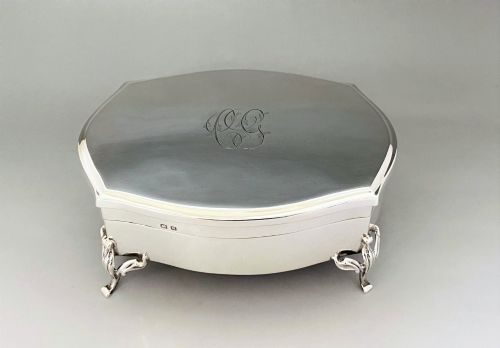
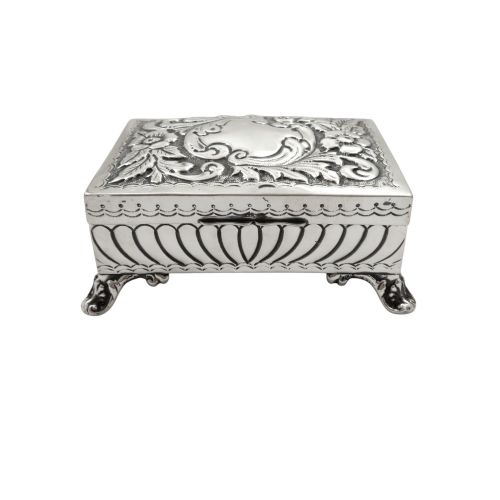
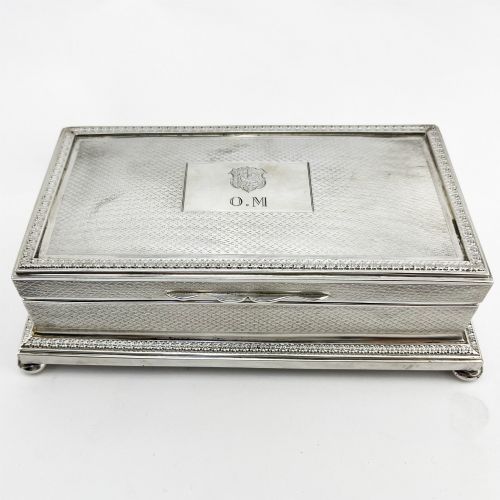
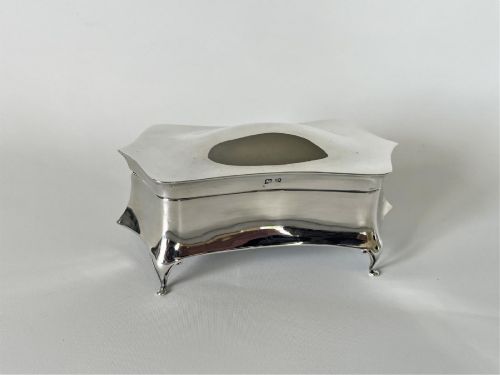
An edwardian silver jewellery casket is a small, hinged container designed to hold rings, pins, and precious trinkets on a dressing table.
Edwardian Silver Jewellery Casket
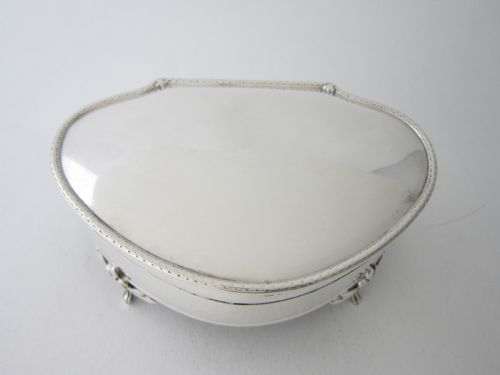
An edwardian silver jewellery casket is typically encountered in sterling silver, often lined with velvet or silk, and designed to protect valuable personal adornments. The form ranges from simple rectangular trinket boxes to more elaborate caskets with domed lids or fitted interior trays.
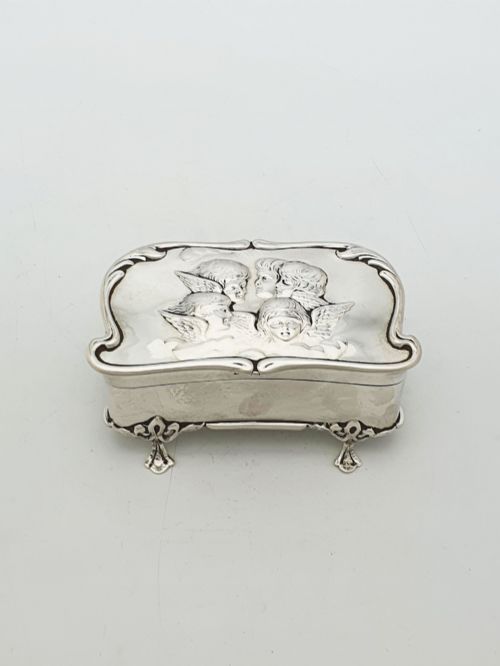
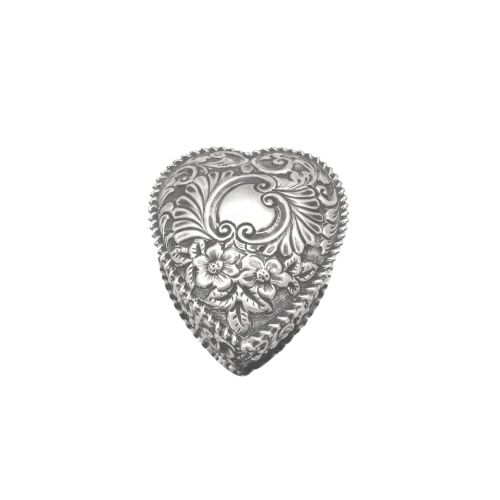
While many examples originate from the Edwardian period and the broader early twentieth century, the selection also includes pieces spanning from late Victorian years to the George V era. Makers produced these items in various shapes, including oval, heart, and coffin forms, as well as novelty designs modelled on miniature dressing tables.
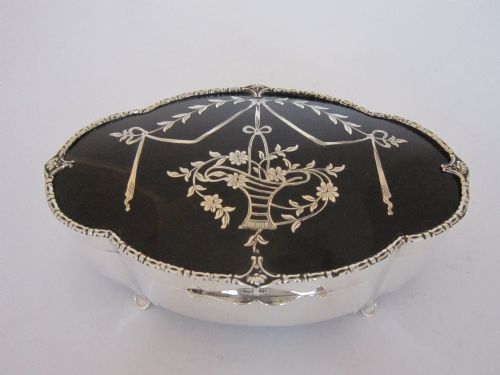
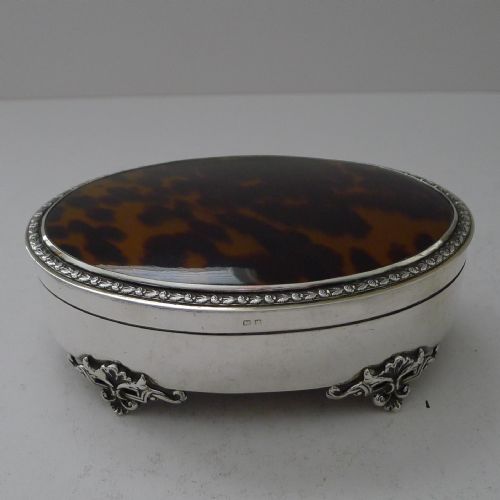
The materials paired with silver frequently include tortoiseshell, enamel, glass, and crystal, creating contrast in texture and colour on the dressing table. Some variants utilise silver plate or pewter rather than solid sterling, reflecting the breadth of production during the period.
How they were made
Silversmiths constructed the bodies of these boxes using sterling silver sheet, which was shaped, embossed, or pierced to create decorative panels. Relief motifs such as cherubs or scrolling floral patterns were often worked by hand using chasing and repoussé techniques.
Inlaid panels of tortoiseshell or enamel required precise fitting into the silver lids, sometimes secured with tiny pins or bezels. Interiors were fitted with tailored fabric linings, while glass and crystal vessels relied on silver collars and hinged lids mounted directly to the cut glass body.
Listings feature sterling silver combined with tortoiseshell, enamel, and cut crystal across various forms.
What varies in quality
The weight of the silver and the structural rigidity of the casket frame determine much of its lasting substance. Thicker gauge silver resists dents and maintains the integrity of the hinged lid through decades of use.
The precision of the workmanship in decorative elements, such as the depth of chased relief work, the clarity of hallmarks, and the snugness of the lid closure, separates standard commercial production from the output of premier workshops.
William Comyns·Deakin And Francis·H Matthews·William Neale And Sons·Walker And Hall
The Edwardian Silver Jewellery Casket Glossary
- Hallmark
- A series of official stamps applied to precious metals indicating the standard of purity, the assay office, and the date letter. These marks allow collectors to verify the origin and year of manufacture.
- Repoussé
- A metalworking technique where the silversmith hammers the design from the reverse side to form a raised relief on the front. This method creates tactile ornamentation on the lids and sides of caskets.
- Tortoiseshell
- The mottled brown and amber shell of certain marine turtle species used as an overlay on silver boxes. It is frequently piqué with silver inlay or left polished to show its natural pattern.
- Pierced work
- Metal that has been cut through in openwork patterns to create light, decorative lattices. This technique appears on the silver mounts of various trinket boxes.
- Gilt interior
- A thin layer of gold applied to the inside of a silver box to prevent tarnishing from cosmetics or the skin oils of stored jewellery.
Edwardian Silver Jewellery Casket: Frequently Asked Questions
How were silver jewellery caskets used?
These caskets sat on dressing tables to hold rings, pins, brooches, and small personal valuables. The soft fabric lining protected delicate items from scratching against the metal.
Over time, they became both practical accessories for daily grooming and decorative objects intended to display wealth and taste in the bedroom or boudoir.
How do I date an Edwardian silver box?
Dating relies primarily on the hallmarks stamped into the silver, which include a specific letter code corresponding to the year of assay. Maker marks and style indicators also help narrow down the decade.
For instance, bold scrolling floral motifs often point toward the Edwardian era, while cleaner geometric lines suggest later periods.
What is the difference between a box and a casket?
In period terminology, a box generally refers to a smaller, simpler container with a flat or slightly domed lid. A casket usually denotes a more substantial, footed container with an architectural shape.
Both terms were used interchangeably by makers, but caskets frequently feature more elaborate ornamentation and heavier construction.
How should I clean silver and tortoiseshell?
Silver requires gentle polishing with a specialised cloth to remove tarnish without abrading the underlying metal or wearing down raised relief details. Care must be taken near hallmarks and hinges.
Tortoiseshell should be wiped with a soft, damp cloth and kept away from direct heat and strong chemicals to prevent warping or cracking.