


Victorian Silver Plated Box
A victorian silver plated box brings refined utility to a room, offering a tactile glimpse into nineteenth-century entertaining and personal storage.
Victorian Silver Plated Box
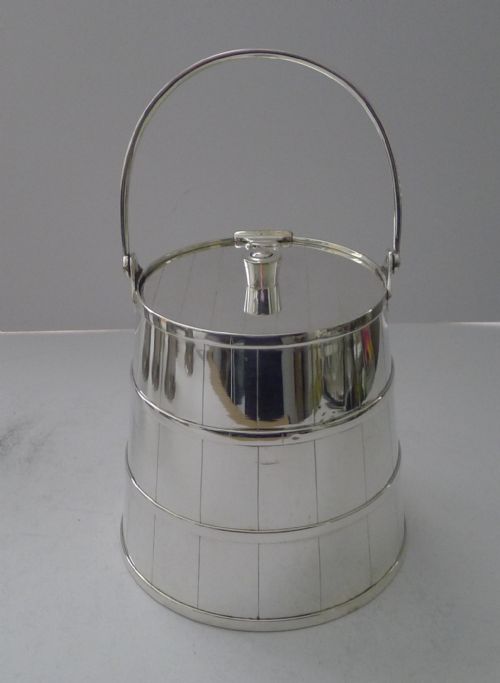
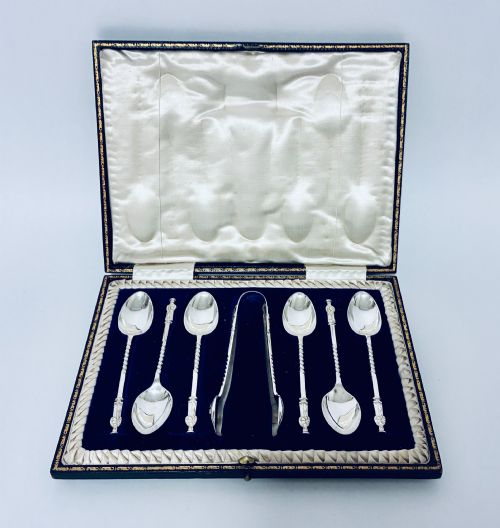
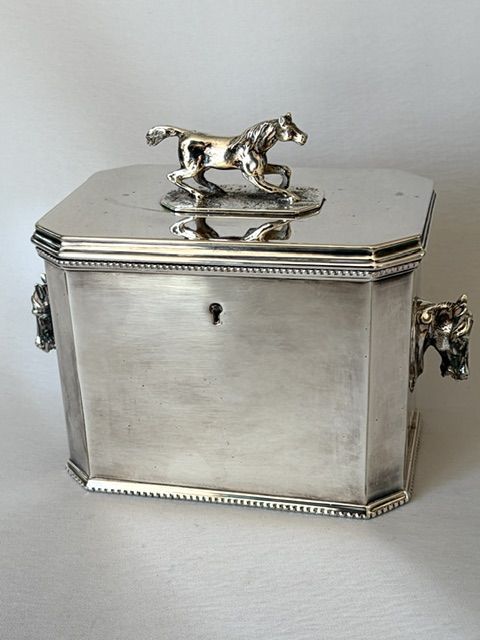
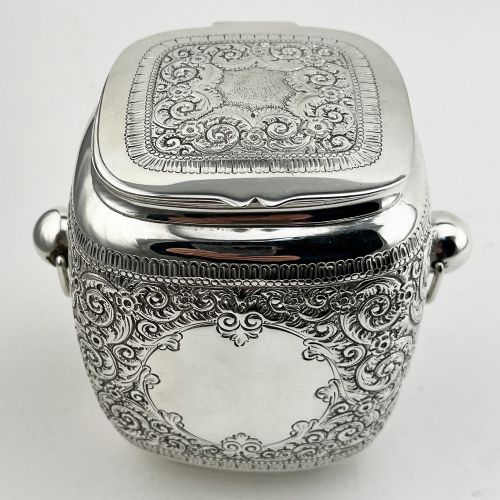
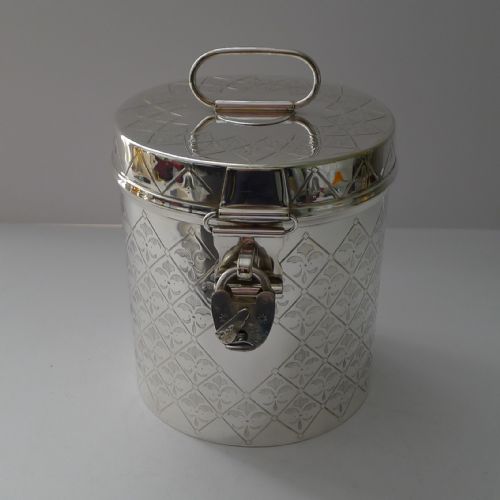
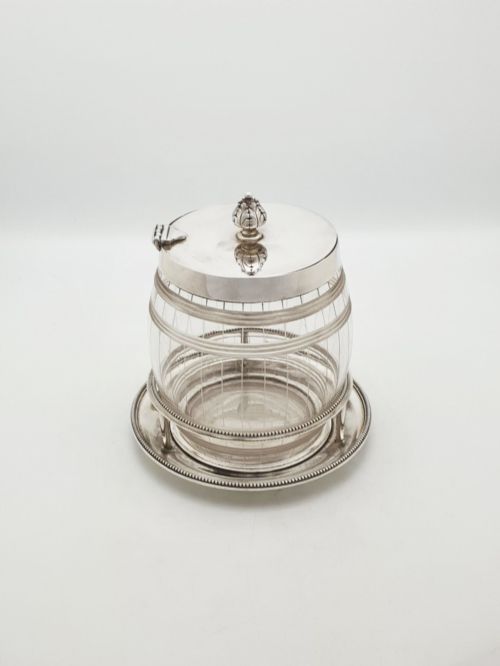
When exploring a victorian silver plated box, buyers encounter an array of functional containers designed for domestic comfort, most notably biscuit barrels, tea caddies, cigar humidors, and jewellery caskets. These pieces frequently span the nineteenth and early twentieth centuries, reflecting the evolving manufacturing capabilities of British silversmiths.
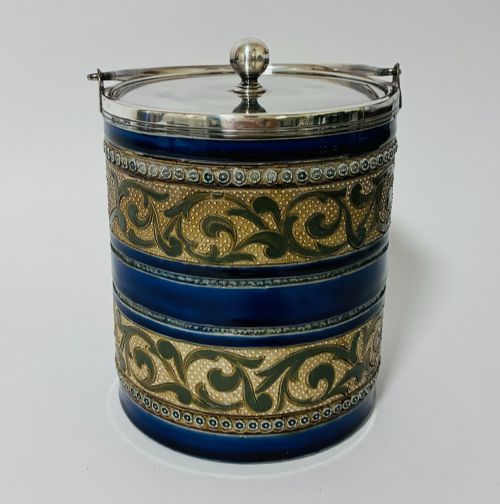
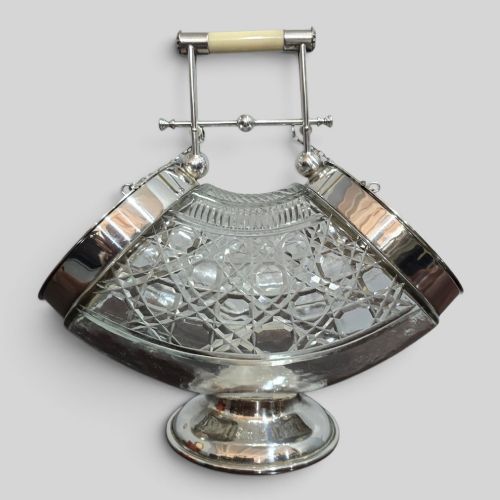
The biscuit barrel emerges as the most common form on this page, often styled as cylindrical bodies, shell-shaped vessels, or novelty objects featuring mechanical actions and hinged lids. Alongside these, smaller desk accessories, stamp dispensers, and vanity boxes populate the selection, providing utilitarian service with decorative metalwork.
Originating predominantly from established workshops in Sheffield and Birmingham, these containers combine durable base metals with a reflective outer layer of silver. Whether resting on a dining sideboard or a dressing table, they serve as tangible links to historical domestic rituals.
How They Were Made
The foundation of a victorian silver plated box typically relies on base metals such as nickel brass, Britannia metal, or copper, shaped through spinning, stamping, or casting. Silver plating was applied through early electroplating techniques or older fusion methods like Old Sheffield Plate, bonding a thin sheet of pure silver to a heavier base.
Surface ornamentation involved embossing, chasing, and hand engraving, frequently displaying floral motifs, heraldic crests, or architectural themes. Specialised makers employed patent mechanical hinges and folding actions, ensuring the lids and mechanisms operated smoothly.
A metal weight disguise keeps afternoon biscuits safe from light-fingered guests.
What Varies in Quality
The distinction between standard production and superior craftsmanship often lies in the depth and crispness of the chased or embossed ornamentation. Heavier gauge base metals and thicker layers of silver plating endure decades of handling with minimal wear through to the underlying alloy.
Complexity of form also dictates distinction, separating simple cylindrical containers from elaborate novelty shapes, mechanical roll-top actions, and custom ceramic inserts by notable potteries. The integration of secondary materials, such as well-fitted cut glass liners or select exotic woods, elevates the construction standard of the piece.
Martin Hall And Co·Mappin And Webb·Elkington·Thomas Bradbury·Robert And Belk·Walker And Hall·William Hutton·Lee And Wigfull·Fenton Bros·Deykin And Sons·Hukin And Heath·Henry Wilkinson And Co
The Victorian Silver Plated Box Glossary
- Silver Plate
- A thin layer of silver bonded or electroplated onto a base metal such as copper or nickel brass. This technique allowed nineteenth-century manufacturers to produce substantial domestic objects with the appearance of solid silver.
- Biscuit Barrel
- A specialised lidded container designed to keep dry baked goods fresh on the Victorian dining table. They frequently incorporate glass cylinders, ceramic liners, or hinged mechanical mounts.
- Old Sheffield Plate
- An early method of fusing a sheet of silver to a copper core before shaping the metal. This process produces a characteristic warm tone and reveals thin copper lines where edges receive heavy wear.
- Finial
- A decorative knob or ornamental carving situated on top of a lid. On these containers, finials often take figurative forms like animals, helmets, or heraldic creatures.
- Britannia Metal
- A specific tin-based alloy utilised as a malleable base metal for silver plating. It provided a smooth surface for shaping complex vessel bodies.
Victorian Silver Plated Box: Frequently Asked Questions
What were silver plated boxes used for?
These containers served specific domestic functions in Victorian and Edwardian households, primarily storing biscuits, tea, tobacco, or personal valuables. Dining rooms featured lidded barrels and caddies, while studies and dressing tables held desk accessories and jewellery caskets.
Their presence added a layer of organised hospitality and personal order to daily routines, keeping provisions sealed and cherished items protected from dust.
How do I care for a silver plated box?
Maintenance requires gentle cleaning with a soft microfiber cloth and a mild, non-abrasive silver polish formulated for plated items. Avoid aggressive rubbing that might wear through the thin silver layer to the underlying base metal.
When storing or displaying the piece, keep it away from direct moisture and extreme humidity to protect internal velvet linings, wooden sections, and fitted glass components.
How can I tell the period of a piece?
Dating relies on observing stylistic markers such as Victorian ornamentation, Edwardian delicacy, or specific aesthetic movements like Arts and Crafts and Art Nouveau. Maker marks, registry numbers, and patent stamps stamped onto the base metal provide precise chronological anchors.
Examining the construction methods, such as early fusion plating versus later electroplating, also helps narrow down the era of manufacture.
Are the glass inserts original?
Original glass inserts typically fit the interior contours precisely, matching the collar and lid mounts of the container. Hobnail cuts or etched patterns on the glass often correspond to the design period of the silver plated frame.
Matching glass work indicates a cohesive piece, whereas mismatched liners usually suggest a replacement gathered over time.