


Chester Silver Box
These chester silver box pieces span the Victorian, Edwardian and George V periods, offering distinct provincial hallmarks on sterling silver.
Chester Silver Box
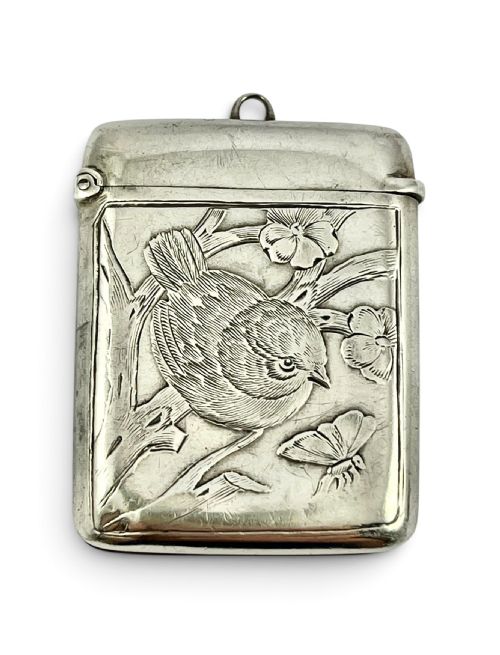
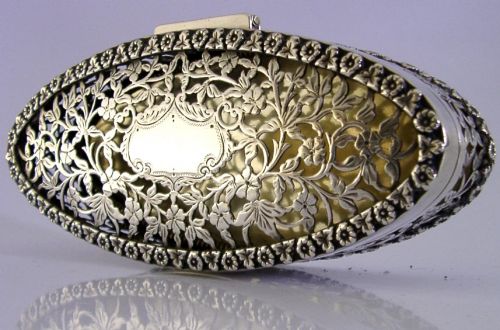
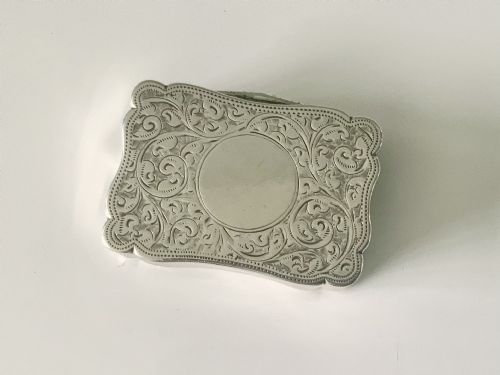
A chester silver box encompasses a diverse range of functional containers, from small pill and snuff boxes to larger trinket and jewellery caskets. The pieces available reflect regional assay office work dating from the late nineteenth century through to the interwar decades.
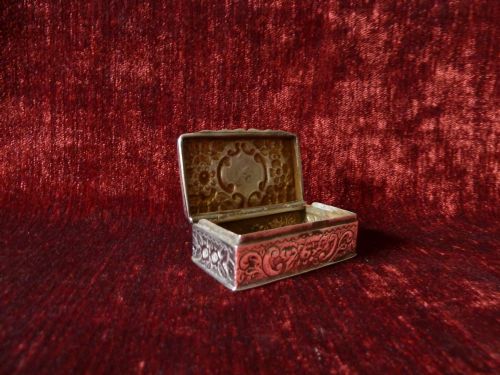
Victorian examples often feature intricate repousse decoration or heart shapes, while Edwardian and George V items lean towards sleek Art Nouveau curves or crisp geometric stamp cases and tea caddies. Most survivors stem from the Edwardian era, highlighting the prolific output of that period.
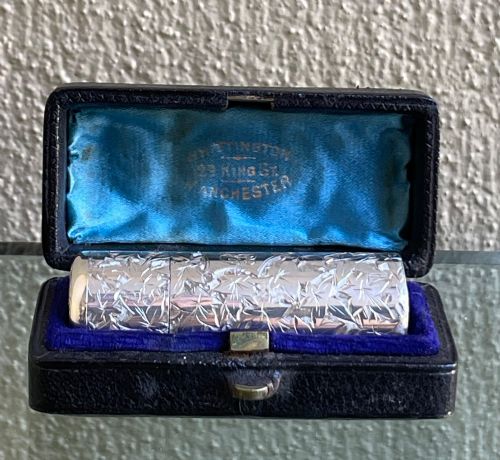
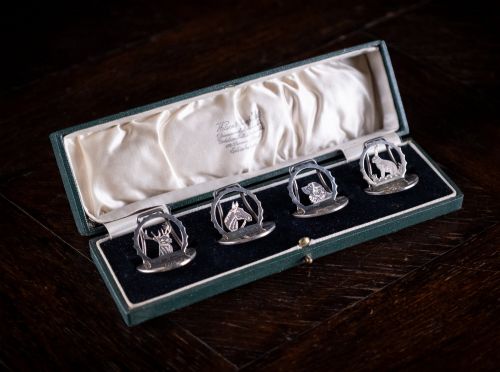
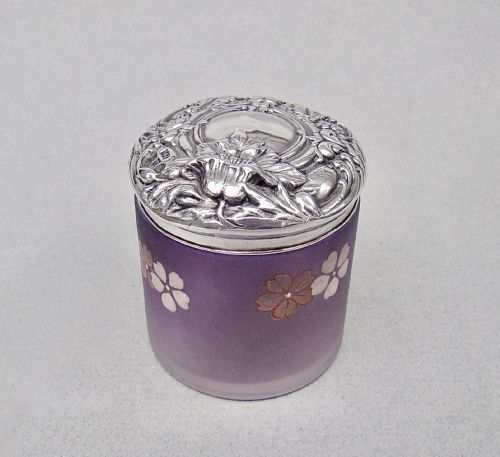
Buyers encounter items lined with velvet, leather or silk, alongside mounted glass dressing table jars and spot-hammered Arts and Crafts vessels. Each object bears the distinct three-sheaves-and-sword mark of the Chester assay office alongside standard lion passant and date letters.
Materials and construction
Sterling silver forms the primary structural body of these items, often shaped via pressing, hammering or casting before receiving hand-engraved surface details or applied borders.
Internal linings utilise rich textiles such as velvet, satin and silk, whilst specific containers incorporate frosted glass, guilloche enamel, tortoiseshell or imported elements.
Silversmiths employed techniques like spot-hammering for texture or gilding interior surfaces to prevent tarnishing from snuff and tobacco.
Listings feature sterling silver, velvet, leather, silk, frosted glass and gilding across Victorian, Edwardian and George V periods.
Determinants of quality
The standard of execution separates standard utilitarian items from exceptional pieces, visible in the crispness of repousse chasing, the weight of the sterling silver gauge, and the precision of hinged lids.
Makers known for distinguished workshop output command greater interest, particularly when combined with specialised decorative techniques like guilloche enamel or intricate pierced work.
The integrity of internal fabric linings and the legibility of the Chester hallmarks directly influence the desirability of any given piece.
Horton & Allday·A. Wilcox·Albert Ernest Jenkins·Nathan & Hayes·William Neale & Sons·Cohen & Charles·Barnet Henry Joseph·Colen Cheshire·Saunders & Shepherd
The Chester Silver Box Glossary
- Repousse
- A metalworking technique where the silversmith hammers the design from the reverse side to form a raised relief on the front.
- Guilloche
- A decorative mechanical engraving technique producing precise, intricate geometric patterns beneath a translucent layer of enamel.
- Vesta case
- A small pocket box specifically designed for holding matches and keeping them dry.
- Silver-gilt
- Sterling silver that has been coated with a thin layer of gold on its interior or exterior surfaces.
Chester Silver Box: Frequently Asked Questions
How do I identify a Chester hallmark?
Look for the town mark depicting three wheat sheaves and a sword, which indicates the item was assayed in Chester. This stamp appears alongside the lion passant for sterling silver and a specific date letter.
Date letters change annually, allowing collectors to date pieces precisely by consulting assay office Chester tables alongside maker marks.
What were these boxes originally used for?
These containers served specific domestic and personal functions in the Victorian and Edwardian household. Smaller boxes held pills, stamps or snuff, while larger caskets stored trinkets, jewellery or hairpins.
Interiors were frequently lined with velvet or silk to protect delicate items, and tea caddies preserved dry leaves before brewing.
How should I clean antique silver boxes?
Use a soft microfiber cloth and a mild silver polish specifically formulated for antiques, applying minimal pressure to preserve raised details and hallmarks. Avoid dipping hinged boxes in liquid solutions that can ruin internal velvet or silk linings.
Store pieces away from direct sunlight and damp environments to prevent tarnishing and degradation of internal textiles.
Are all Chester silver boxes made entirely of silver?
Many examples feature solid sterling silver bodies and lids, but composite pieces incorporate other materials. Dressing table jars combine silver tops with frosted glass bases, and several boxes include wooden cores or leather exteriors.
Internal partitions often utilise timber or card covered in satin, while specific luxury items incorporate enamel panels or tortoiseshell mounts.