



Cloisonne on Porcelain
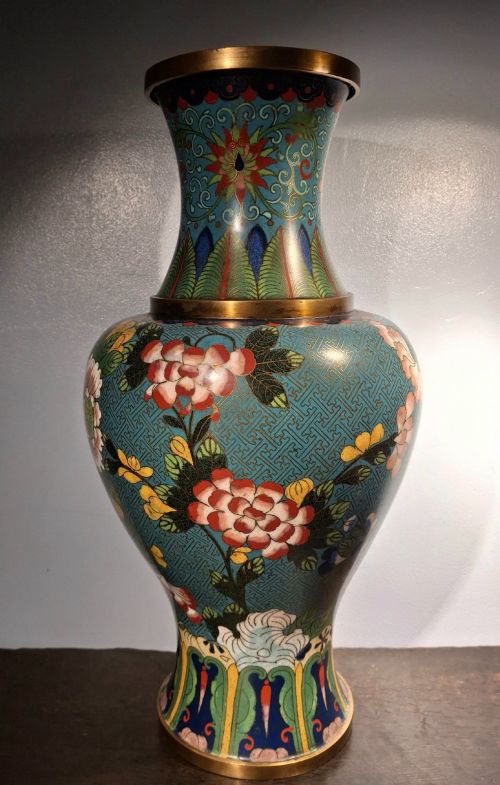
Cloisonne on porcelain pieces combine ceramic bodies with intricate wired enamel work, offering collectors a striking fusion of textures from the nineteenth and early twentieth centuries.
Cloisonne on Porcelain
When searching for cloisonne on porcelain, buyers encounter a distinct category of decorative objects that merge ceramic foundations with raised enamel decoration. These items span various origins, including Chinese export workshops and Japanese Meiji period studios, as well as European creations from the Victorian era onward.
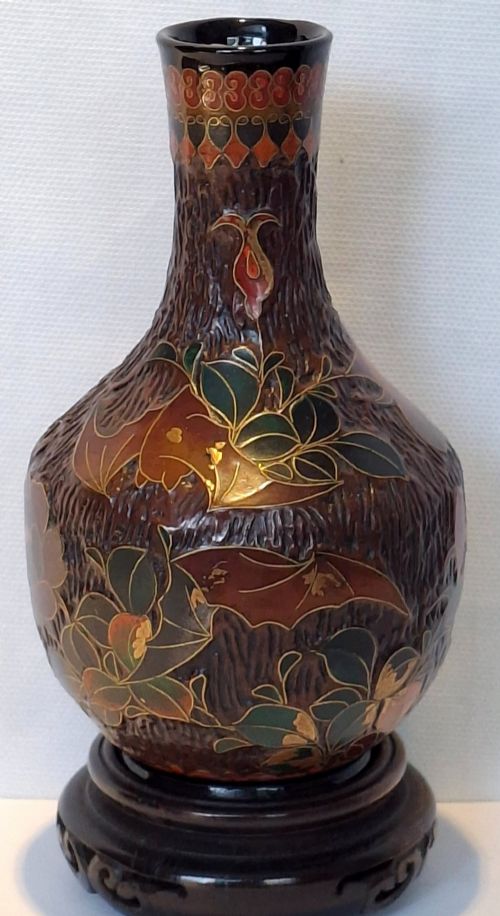
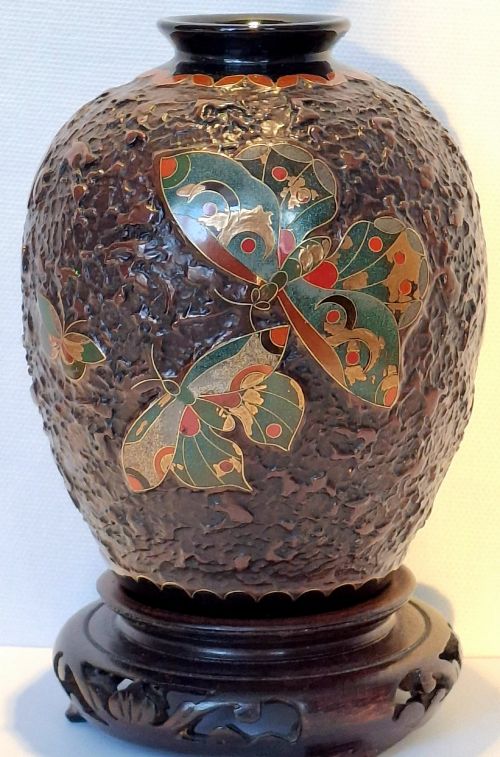
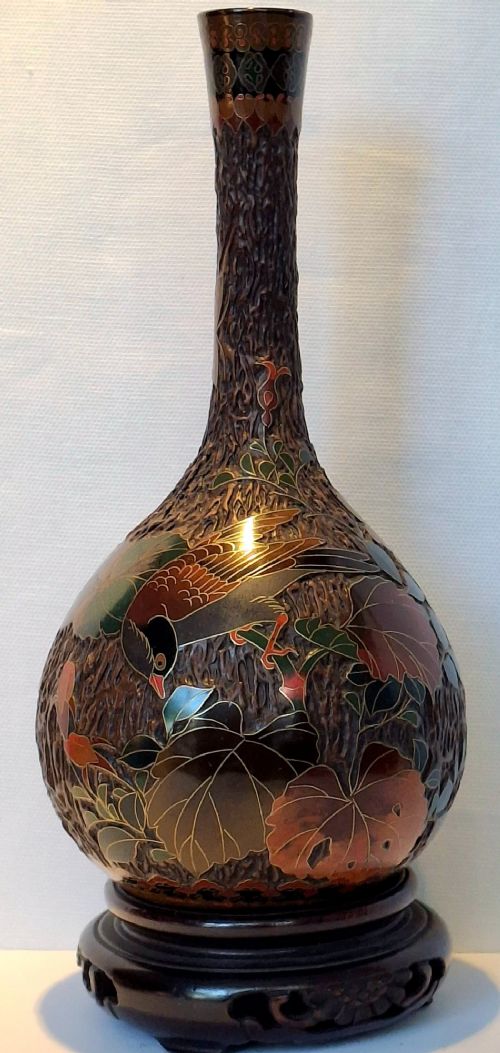
Pieces date across several decades, capturing late nineteenth-century styles such as Chinese export work alongside French clock garnitures and Belle Epoque designs. The forms serve primarily as decorative accents, showcasing intricate motifs like tree bark textures, cranes, dragons, and phoenixes.
How they were made
The construction begins with a ceramic or porcelain core, which serves as the foundational body for the piece. Artisans then solder fine metal wire, often brass or copper, onto the ceramic surface to form closed compartments or cloisons that outline the desired pattern.
These wired cells are subsequently filled with coloured enamel pastes, using glass-based compounds that fuse during firing. Once heated, the surface is ground and polished down to create a smooth, gleaming finish where the metal outlines sharply define each chromatic section.
Cloisonne on Porcelain Retail Price Guide 2026
Typical asking prices for cloisonne on porcelain among the pieces listed under this phrase on Sellingantiques today, from the lower quarter to the upper quarter. They describe what is for sale here now, not the wider market.
Current listings span the Victorian era, Qing Dynasty, and Meiji Period, utilising materials such as porcelain, brass, copper, and cloisonne enamel.
What varies in quality
Quality in these enamelled wares rests upon the precision of the wirework and the complexity of the design. Finer pieces display crisp, uniform metal lines without gaps or distortion, creating intricate pictorial scenes such as natural landscapes or mythological creatures.
The depth and consistency of the enamel infill further distinguish superior examples from standard production. Artisans who achieved smooth, evenly vitrified surfaces without pitting or discolouration produced items of lasting visual impact.
The Cloisonne on Porcelain Glossary
- Totai Shippo
- A Japanese technique of applying cloisonne enamel directly onto a porcelain body. This method contrasts with traditional metal-based cloisonne by utilising ceramic as the underlying structure.
- Cloisonne Enamel
- A decorative metalwork technique where fine wires form compartments to hold coloured glass paste. Firing fuses the enamel into place, resulting in vibrant patterns.
- Charger
- A large ornamental decorative plate or platter intended for display rather than dining use. These items often serve as the focal point for detailed pictorial enamel work.
- Garniture Set
- A coordinated group of ornamental vases or clocks designed to be displayed together on a mantelpiece or shelf. Victorian and French examples frequently incorporate enamel and painted elements.
- Meiji Period
- A Japanese historical era lasting from 1868 to 1912, noted for significant artistic output and export wares. Pieces from this time often feature sophisticated motifs like dragons and natural scenery.
Cloisonne on Porcelain: Frequently Asked Questions
What is totai shippo?
Totai shippo is a Japanese term for cloisonne enamel applied directly to a porcelain or ceramic body rather than a copper base. This distinct method requires careful firing to bond the glass paste to the ceramic surface.
Items utilising this technique often display textured backgrounds, such as simulated tree bark, combined with traditional motifs like birds and floral arrangements.
How should I clean my cloisonne on porcelain?
Cleaning requires a soft, dry cloth to gently remove dust from the wired enamel surface and the ceramic body. Avoid using harsh chemical cleaners, abrasive pads, or excessive water, which can damage the delicate metal wires and enamel infill.
Display pieces away from direct sunlight and extreme temperature fluctuations to protect the integrity of the enamel and any accompanying lacquer or gilt details.
Where were these pieces made?
The pieces originate from various regions, notably nineteenth-century China, Meiji period Japan, and European centres like France and Britain. Chinese export items and Japanese workshops produced many of the distinctive enameled vessels and chargers.
European makers incorporated enamel work into mantel clocks and decorative garniture sets during the Victorian and Belle Epoque periods, adapting the aesthetic for Western interiors.
What motifs appear on these objects?
Common decorative subjects include natural elements such as flowers, picturesque scenery, and tree bark textures. Mythological and traditional creatures like dragons, cranes, and Ho-o birds also feature prominently across Japanese and Chinese pieces.
European examples tend to incorporate floral paintings alongside enamel inlay, often matching the architectural styles of French regulator clocks and Victorian garnitures.