





19th Century Japanese Metalwork
These pieces of 19th century japanese metalwork encompass cast bronzes and enamelled vessels that bring meticulous craft and historical depth to any room.
19th Century Japanese Metalwork
When you search for 19th century japanese metalwork, you encounter items shaped largely during the Meiji and Edo periods. The selection on this page centres on cast bronze and intricate cloisonne enamel objects.
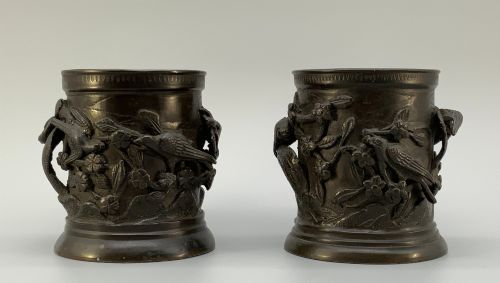
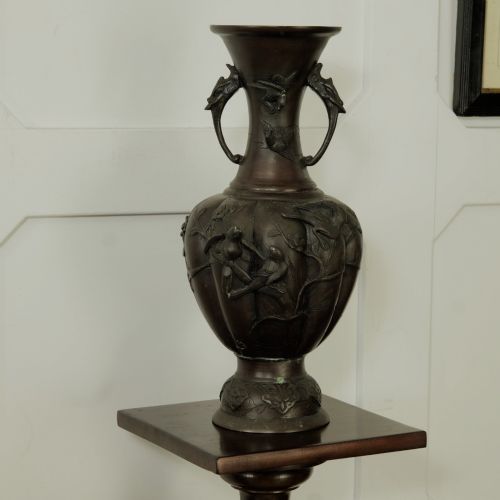
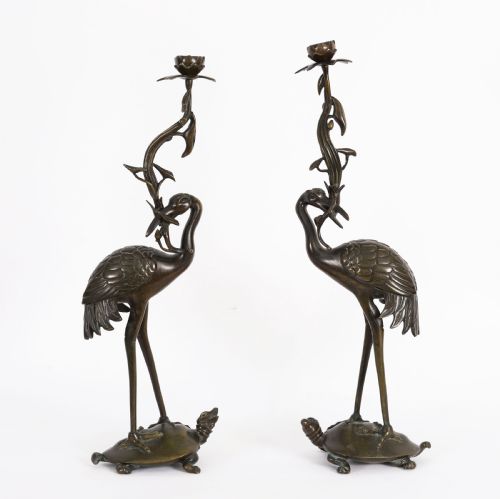
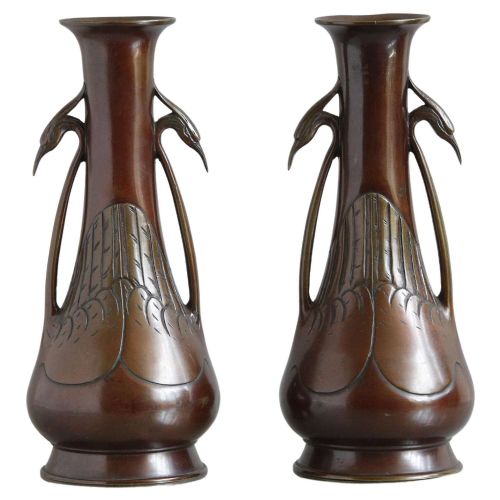
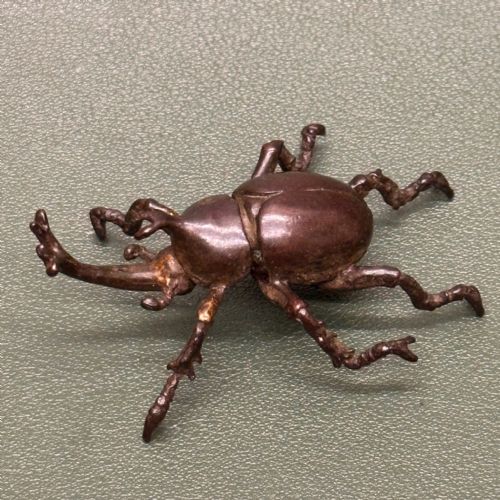
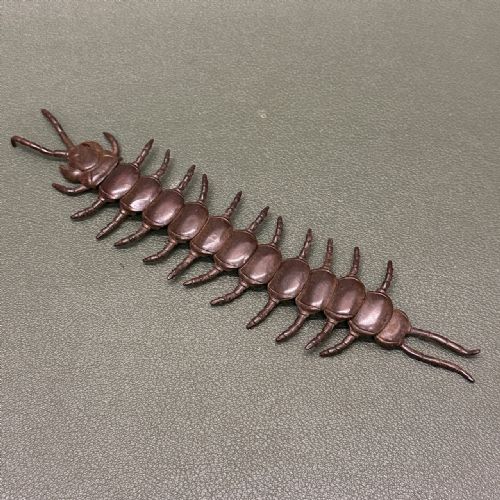
Vases, decorative bowls, and large chargers dominate the forms available here, often decorated with birds, dragons, and floral motifs. Sculptures and figurines of animals also appear frequently among the listings.
Makers utilised traditional techniques to produce everything from small desk items to palace-scale temple water dispensers and urns. These creations reflect the rapid artistic developments of late nineteenth-century metalworking workshops.
How These Pieces Were Made
Craftspeople poured molten bronze, copper, and brass into moulds to form vessels, statues, and decorative planters. Many bronze pieces received a dark patination to accentuate the relief work and detailed surface textures.
Cloisonne enamel items required soldering fine brass wire onto metal bodies to create cellular compartments. Artisans filled these cells with coloured enamel pastes before firing and polishing the surfaces to a smooth finish.
Listings feature bronze, copper, brass, and patinated metal across forms like vases, bowls, chargers, and articulated animal sculptures.
What Varies in Quality
The standard of 19th century japanese metalwork depends heavily on the precision of the casting and the crispness of the applied decoration. Masterpieces display deeply undercut bronze details and perfectly uniform enamel cells without pitting or surface distortion.
Artisanal signatures indicate higher workshop standards, separating standard decorative wares from exceptional collector pieces. Proportions, balance, and the complexity of naturalistic subjects like birds or dragons also distinguish finer examples.
The 19th Century Japanese Metalwork Glossary
- Cloisonne Enamel
- A technique where flat metal wires form cells on a metal base, which are then filled with enamel and fired. This method creates intricate patterns of birds, dragons, and geometric motifs.
- Meiji Period
- The era in Japanese history lasting from 1868 to 1912, characterised by intense modernisation and a surge in decorative metal exports. Most bronze and enamel items on this page date from these decades.
- Patinated Bronze
- Bronze treated with chemicals or heat to alter its surface colour and tone. This process highlights relief details on vases, bowls, and animal sculptures.
- Edo Period
- The period preceding the Meiji era, spanning from 1603 to 1867. Surviving metalwork from this earlier time often includes lidded bowls and large palace vases.
- Pricket Candlestick
- A candlestick featuring a central spike or metal point to secure the base of a candle. These functional items appear in bronze among nineteenth-century temple and domestic wares.
19th Century Japanese Metalwork: Frequently Asked Questions
What is the difference between Meiji and Edo metalwork?
Edo period pieces originate from before 1868 and tend to reflect traditional feudal aesthetics. Meiji period works, produced after 1868, often show greater technical ambition and cater to international collectors.
Makers during the Meiji era pushed the boundaries of casting and enamelling to produce larger and more complex chargers and vases.
How were cloisonne chargers used in the nineteenth century?
Large cloisonne enamel chargers served primarily as decorative display pieces rather than tableware. Wealthy households and collectors placed them on stands or mounted them on walls to showcase vibrant iconography like phoenixes and dragons.
Their substantial weight and detailed wirework made them focal points in Victorian and Meiji-era interiors.
Are bronze animal sculptures solid?
Most nineteenth-century Japanese bronze animal sculptures are hollow-cast using traditional lost-wax methods. This technique kept the weight manageable while allowing artisans to model realistic fur, feathers, and articulated limbs.
Some smaller forms, such as beetles or centipedes, feature movable segments engineered with hidden pins.
How should I clean antique bronze and enamel?
Dust bronze and cloisonne enamel surfaces gently with a soft, dry cloth to prevent moisture damage. Avoid commercial metal polishes, as abrasive cleaners can strip away historical patination and scratch the delicate enamel glaze.
Keeping pieces away from direct sunlight and high humidity preserves the stability of both the metal and the glass pastes.